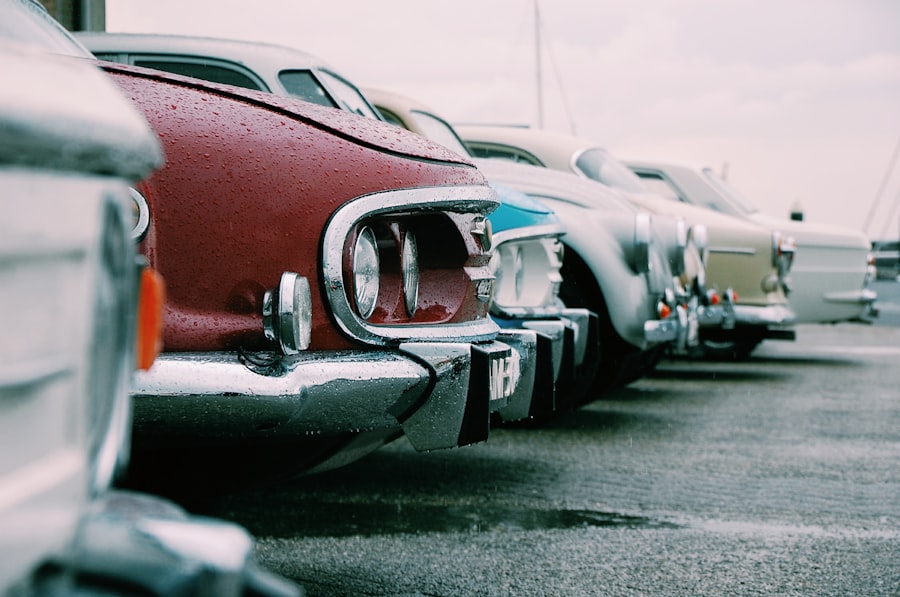
You might have a picture in your head of the millionaires you know, or the ones you see in movies. Gleaming supercars, the latest luxury SUVs, freshly detailed and smelling of new leather. It’s a powerful image, isn’t it? It’s what society often tells us equates to success. But if you pull back the curtain, if you look beyond the superficial glitz, you might discover something far more insightful about how the truly wealthy manage their money, especially when it comes to something as commonplace as owning a car. You might be surprised to learn that many millionaires don’t chase the brand-new, shiny object. Instead, they’re making a deliberate, financially astute choice: embracing older cars. This isn’t about being cheap; it’s about being smart, about recognizing a crucial truth in wealth accumulation that often eludes the average consumer. It’s about understanding the surprising financial wisdom that drives their decisions, wisdom that you, too, can apply to your own financial journey.
Let’s talk about that glorious moment of driving a brand-new car off the dealership lot. The smell, the untouched upholstery, the feeling of being the very first owner. It’s intoxicating, isn’t it? But beneath that exhilarating rush lies a harsh financial reality that many people overlook. You’ve just stepped into a significant financial sinkhole: depreciation. This is the gradual loss of a vehicle’s value over time. And for new cars, it’s particularly brutal.
The Alarming First-Year Drop
Think about it: the moment you drive that pristine vehicle home, its value plummets. It’s no longer “new.” It’s now “used,” albeit barely. Studies consistently show that a new car can lose anywhere from 20% to 30% of its value in the first year alone. And over the first five years? Brace yourself, because that figure can easily swell to a staggering 60%. That’s not a small dent; that’s a massive chunk of your capital vanishing into thin air, without you even putting miles on it.
How This Impacts Your Wealth
Imagine you spend $50,000 on a new car. In five years, it might be worth only $20,000. That’s a $30,000 loss. Now, multiply that by the number of cars a millionaire might own, or simply consider that $30,000. What else could that money have done for you? This is where the millionaire’s mindset shifts from immediate gratification to long-term gain. They see that depreciation not just as a loss on a car, but as a direct impediment to growing their net worth. Their capital is precious, and they are highly protective of it. Instead of allowing it to evaporate through rapid depreciation, they choose a path that preserves it.
The Silent Killer: Unseen Expenses Beyond the Sticker Price
The depreciation isn’t the only financial hurdle new cars present. There are a host of other costs that quickly add up, further diminishing the appeal for a financially savvy individual. These are the often-underestimated expenses that contribute to the overall financial burden of new vehicle ownership.
Higher Insurance Premiums
New cars, especially luxury models, are seen as more valuable targets by insurance companies. This translates directly into higher insurance premiums for you. The cost to insure a brand-new luxury sedan will invariably be higher than insuring a well-maintained sedan that’s a few years old, even if the older car is still very capable and in excellent condition.
Increased Registration and Tax Burdens
Depending on where you live, registration fees and taxes can also be tied to the value of a vehicle. A newer, more expensive car will often come with a higher annual tax bill and registration cost compared to an older, less valuable one. Over the years, these seemingly small differences can accumulate into significant sums.
Many millionaires choose to drive older cars as a reflection of their frugal mindset and a desire to avoid unnecessary expenses. This behavior aligns with the principles discussed in a related article that explores the habits of wealthy individuals and how they prioritize long-term financial growth over superficial displays of wealth. For more insights on this topic, you can read the article here: How Wealth Grows.
The Millionaire’s Secret Weapon: Cost-Per-Use Efficiency
You’ve likely heard the phrase “work smarter, not harder.” This principle extends to how millionaires approach car ownership. They don’t just look at the initial purchase price; they analyze the total cost of ownership over the life of the vehicle. This is where the concept of cost-per-use efficiency becomes their secret weapon. By strategically choosing older cars, they engineer their situation to maximize value and minimize waste over an extended period.
The Magic of Extended Ownership
The average car ownership duration for most people might be three to five years. For many millionaires, however, it’s a very different story. They tend to keep their vehicles for much longer – often 10 years or more. This isn’t because they’re sentimental about their cars; it’s a calculated financial strategy.
Making Each Mile “Free”
When you buy a brand-new car, a significant portion of its initial cost is tied to that rapid depreciation in the first few

The Millionaire Next Door Doesn’t Look Rich Anymore
FAQs
1. Why do millionaires drive older cars?
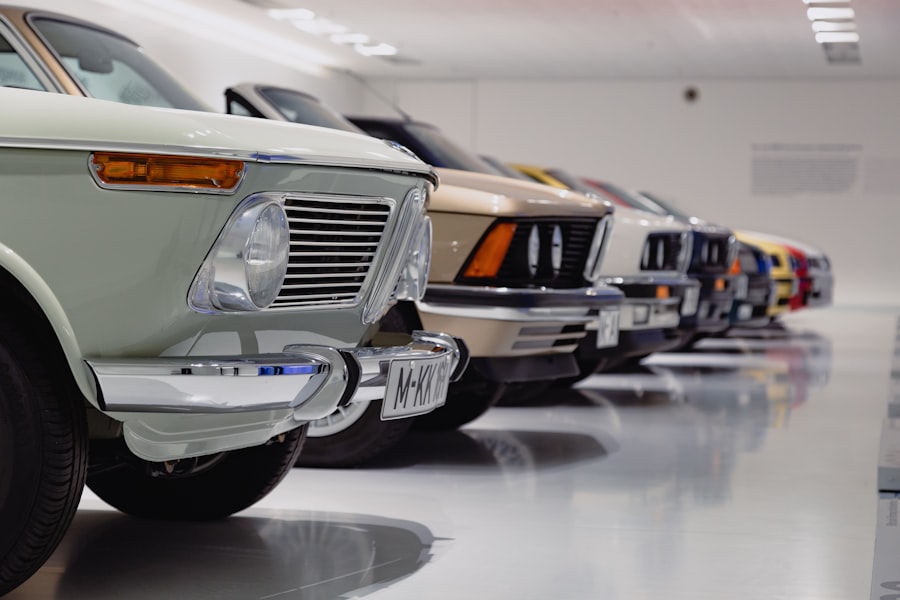
Millionaires often choose to drive older cars to avoid the depreciation that comes with purchasing new vehicles. They may also prefer the classic design and build quality of older cars.
2. Are there any financial benefits to driving older cars for millionaires?
Yes, driving older cars can save millionaires money on car insurance, registration fees, and maintenance costs. Additionally, they can avoid the steep depreciation that occurs with new car purchases.
3. Do millionaires drive older cars for environmental reasons?
While some millionaires may consider the environmental impact of their vehicle choices, the primary motivation for driving older cars is often financial rather than environmental.
4. Are there any downsides to millionaires driving older cars?
One potential downside is that older cars may lack modern safety features and technology. Additionally, finding replacement parts for older cars can be more challenging and expensive.
5. Do millionaires drive older cars as a status symbol?
Some millionaires may choose to drive older cars as a statement against excessive consumerism and to demonstrate their frugality. However, this is not the primary motivation for most millionaires who drive older cars.