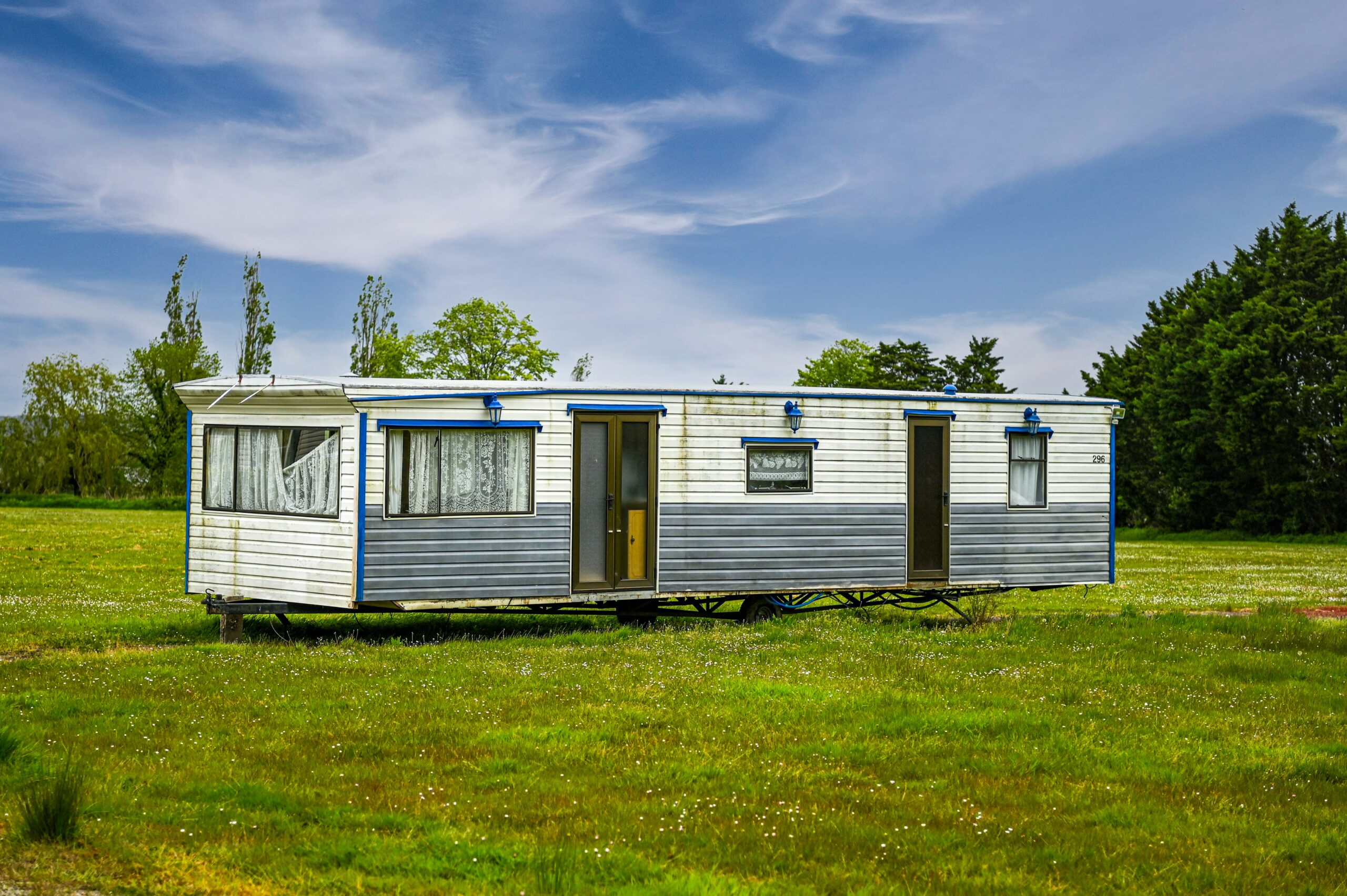
You’re looking at a charming property online, picturing yourself enjoying a quiet life. Then you see it: a beautiful, modern manufactured home. You inquire about it, only to be met with a disheartening “Sorry, manufactured homes aren’t allowed here.” This isn’t a personal slight; it’s a common reality dictated by zoning regulations and community restrictions. While manufactured homes have evolved dramatically, shedding their former “mobile home” stigma, many areas still maintain strict rules about their placement. Understanding why these restrictions exist is crucial if you’re considering this housing option.
At the heart of most restrictions lies zoning. Zoning ordinances are local laws that divide a municipality into different districts, each with specific rules about what types of structures can be built, their size, and their intended use. Manufactured homes, despite their advancements, can fall into categories that conflict with established zoning.
What is Zoning, Anyway?
Zoning is a fundamental tool for urban planning and community development. It’s designed to promote public health, safety, and general welfare by ensuring orderly growth and preventing nuisances. Think of it as a set of rules that dictate how land in your neighborhood can be used. These rules aren’t arbitrary; they are developed with the intention of creating desirable living environments.
How Zoning Classifies Housing
Zoning codes typically define distinct categories for housing. These often include:
- Single-Family Detached Dwellings: This is the most common and often the most restrictive category. It generally refers to homes built on-site, on a permanent foundation, and situated on their own parcel of land. The emphasis is on traditional construction methods and individual lot ownership.
- Multi-Family Dwellings: This category encompasses apartment buildings, duplexes, and other structures housing multiple residences.
- Commercial and Industrial Zones: These areas are designated for businesses, retail, or manufacturing, and residential use is generally prohibited.
The Manufactured Home Dilemma within Zoning
The classification of manufactured homes within zoning codes is where the primary friction occurs. Historically, “mobile homes” were seen as temporary, less durable, and potentially detracting from the aesthetic and property values of traditional stick-built homes. While modern manufactured homes are built to strict federal standards (HUD Code) and can be indistinguishable from site-built homes once installed, these historical perceptions, and the desire to maintain a certain character, often lead to their exclusion.
- Perceived Durability and Lifespan: Older mobile homes were often built with lighter materials and were not always placed on permanent foundations, leading to concerns about their longevity and resilience to weather. While today’s manufactured homes are significantly more robust, some zoning regulations haven’t caught up to these advancements.
- Aesthetic Considerations: Some communities prioritize a particular architectural style or a uniform appearance. Manufactured homes, especially those with more traditional designs, can be perceived as not fitting this aesthetic. This is a subjective but influential factor in zoning decisions.
- Property Value Concerns: A recurring argument against manufactured homes is the potential negative impact on surrounding property values. This concern, whether fully justified or not, often drives zoning restrictions. The idea is that by allowing one type of housing, it might devalue others.
Specific Zoning Exclusions for Manufactured Homes
Within zoning ordinances, you might find clauses that directly or indirectly exclude manufactured homes. These can include:
- Minimum Square Footage Requirements: Some zones stipulate a minimum heated square footage for dwellings. Certain manufactured homes, particularly smaller models, might not meet these requirements.
- Foundation Requirements: Zoning might mandate specific types of permanent foundations, such as poured concrete basements or crawl spaces, which might not align with how a manufactured home is intended to be sited.
- Prohibitions Against “Prefabricated” or “Modular” Housing: While technically different, some zoning ordinances might broadly prohibit housing that isn’t built entirely on-site, inadvertently encompassing manufactured homes. It’s important to understand the distinction between manufactured, modular, and site-built homes when navigating these rules.
Manufactured homes often face various restrictions that can limit their placement and use in certain areas. These restrictions are typically rooted in zoning laws, building codes, and community regulations that aim to maintain property values and neighborhood aesthetics. For a deeper understanding of the challenges and regulations surrounding manufactured homes, you can read a related article that discusses these issues in detail. For more information, visit this article.
Community Restrictions: Beyond the Municipal Code
Even if a municipality’s zoning laws are relatively accommodating, you might encounter another layer of restrictions: those imposed by private communities. These can be even more stringent and are often found in planned developments, subdivisions with homeowners associations (HOAs), or condominium complexes.
The Role of Homeowners Associations (HOAs)
Homeowners Associations are private organizations that govern a community of homes. They are established to maintain property values, enforce rules, and provide common amenities. HOAs have their own set of covenants, conditions, and restrictions (CC&Rs) that homeowners must abide by.
HOA Covenants and Manufactured Homes
HOA CC&Rs are often where you’ll find explicit prohibitions against manufactured homes. These restrictions are typically driven by the same concerns as municipal zoning: aesthetics, perceived property value impact, and maintaining a uniform community character.
- Architectural Review Committees: Many HOAs have architectural review committees that have the power to approve or deny any exterior modifications or new construction. These committees can easily flag manufactured homes for not meeting their aesthetic guidelines.
- Strict Building Material Standards: HOAs might mandate specific types of roofing, siding, or exterior finishes that are not commonly used in manufactured home construction.
- Minimum Lot Size and Setback Requirements: While these are also zoning issues, HOAs can impose even more restrictive requirements on lot sizes and how far homes must be from property lines.
Manufactured Home Communities: The Exception (and Sometimes the Rule)
It’s important to distinguish between communities that restrict manufactured homes and communities designed for manufactured homes. Many areas have dedicated manufactured home parks or communities where these homes are not only allowed but are the primary housing type. However, even within these communities, there can be rules about the type of manufactured home allowed (e.g., single-section vs. multi-section, certain architectural styles).
Deed Restrictions: A Permanent Stamp
Sometimes, restrictions on manufactured homes are embedded in the deeds of properties. These are known as deed restrictions and are legally binding. They can be established by the original developer of a subdivision or by previous owners. Deed restrictions can be very difficult to change and can significantly limit your housing options.
The Historical Context of Manufactured Housing

To truly understand the persistence of these restrictions, you need to consider the historical evolution of manufactured housing. The term “manufactured home” is a relatively recent development, replacing the older and often less flattering term “mobile home.”
From Trailers to Homes: A Shift in Perception (and Reality)
In the mid-20th century, what we now call manufactured homes were largely known as “mobile homes” or “trailers.” These were often basic, utilitarian structures built on wheels, intended for temporary living or for workers in transient industries. They were not typically built with permanent foundations and were often placed in mobile home parks.
- Early Perceptions of Transience: The “mobile” aspect led to a perception of impermanence and a lack of investment. They were seen as an alternative for those who couldn’t afford or didn’t want traditional housing.
- Lack of Uniform Building Codes: In the early days, there weren’t the stringent federal building codes that exist today. This led to a wide variation in quality and durability.
The HUD Code Revolution
The turning point for manufactured housing was the establishment of the HUD Code in 1976. The U.S. Department of Housing and Urban Development (HUD) implemented a comprehensive set of national standards for the design, construction, and safety of manufactured homes. This code is equivalent to the building codes used for site-built homes.
- Ensuring Safety and Durability: The HUD Code mandates rigorous standards for everything from structural integrity and fire resistance to plumbing and electrical systems.
- Promoting Modern Construction: The code has encouraged manufacturers to adopt modern building techniques and materials, leading to homes that are as durable, energy-efficient, and aesthetically pleasing as their site-built counterparts.
The Lagging Perception
Despite the significant advancements brought about by the HUD Code, the public perception and, consequently, the zoning regulations in many areas have been slow to catch up. The stigma associated with the “mobile home” era persists, leading to continued resistance.
The “What Ifs” and the Practicalities of Installation

Beyond general zoning and community rules, specific practicalities related to the installation of manufactured homes can also be a source of restriction. These often stem from ensuring the home integrates seamlessly and safely into the existing community.
Foundation Requirements: Permanent vs. Temporary
As mentioned, zoning often dictates specific foundation requirements. While modern manufactured homes are designed to be permanently affixed to a foundation, the type of foundation can be a sticking point.
- Permanent Foundation Mandates: Most restrictive zones will require a manufactured home to be placed on a permanent foundation, which typically involves excavation and construction of concrete footings, walls, or a slab. This process permanently attaches the home to the land and de-emphasizes its original mobility.
- Prohibition of Chassis or Wheels: Zoning ordinances will almost universally prohibit the placement of a manufactured home on its transport chassis or with visible wheels remaining attached. The intent is to ensure it becomes a permanent fixture.
- Tie-Down and Anchoring Requirements: Beyond the foundation, there are specific requirements for how the home is securely anchored to the foundation to withstand wind and seismic activity. These are critical for safety and are often stipulated by building codes that zoning regulations defer to.
Utility Connections and Infrastructure
Connecting a manufactured home to essential utilities is another area where regulations can impact placement.
- Water, Sewer, and Electrical Standards: Zoning and building codes will ensure that utility connections meet established standards for safety and public health. This means ensuring proper hookups to municipal water and sewer systems or approved septic and well systems, as well as safe electrical connections.
- Off-Grid Considerations: In some rural areas, off-grid living might be an option. However, even in these cases, zoning will often have specific requirements for approved systems for waste disposal, water sourcing, and power generation.
Setbacks and Lot Coverage
Like any dwelling, manufactured homes are subject to setback requirements (how far they must be from property lines, streets, and other structures) and lot coverage regulations (the percentage of a lot that can be built upon).
- Compliance with Existing Standards: Manufactured homes must meet the same setback and lot coverage rules as site-built homes within a particular zoning district.
- Impact on Placement Options: These regulations can limit the number of suitable locations on a piece of land for a manufactured home, especially on smaller lots.
Manufactured homes often face various restrictions that can limit their placement and use in certain areas. These limitations can stem from local zoning laws, which are designed to maintain the character of neighborhoods and ensure property values remain stable. For a deeper understanding of the financial implications of these restrictions, you can explore a related article that discusses how such regulations can impact home ownership and investment opportunities. To learn more, visit this article for insights on the economic factors surrounding manufactured homes.
The Fight for Equality and Future Trends
| Reason for Restriction | Description | Impact Metric | Example Location |
|---|---|---|---|
| Zoning Laws | Local zoning ordinances often prohibit or limit placement of manufactured homes to preserve neighborhood aesthetics or property values. | Over 60% of U.S. municipalities have zoning restrictions on manufactured homes | California |
| Building Codes | Manufactured homes must meet HUD standards, but some areas require additional local building codes that restrict their use. | Approximately 30% of states impose stricter codes beyond HUD standards | New York |
| Financing Challenges | Restrictions lead to limited financing options, making it harder for buyers to obtain loans for manufactured homes. | Only 20% of manufactured home buyers qualify for traditional mortgages | Texas |
| Perceived Property Value Impact | Concerns that manufactured homes lower surrounding property values cause communities to restrict them. | Studies show 5-15% decrease in nearby property values in some cases | Florida |
| Community Opposition | NIMBYism (Not In My Backyard) leads to local resistance against manufactured home developments. | Over 40% of proposed manufactured home parks face community opposition | Illinois |
The landscape of manufactured housing and its acceptance is not static. There are ongoing efforts to promote greater equality and to recognize the benefits these homes offer.
Advocacy and Changing Perceptions
Organizations and individuals are actively working to educate the public and policymakers about the quality, affordability, and sustainability of modern manufactured homes. The goal is to dismantle outdated stereotypes and to advocate for fairer zoning practices.
- Highlighting HUD Code Compliance: A key focus of advocacy is emphasizing that manufactured homes built to the HUD Code are safe, durable, and energy-efficient.
- Showcasing Modern Designs: Presenting examples of high-quality, aesthetically pleasing manufactured homes helps to counter the “trailer park” image.
Emerging Trends in Zoning
While many areas remain restrictive, there are signs of progress:
- Revisions to Zoning Ordinances: Some forward-thinking municipalities are beginning to revise their zoning ordinances to be more inclusive of manufactured homes, particularly those that meet specific standards for permanent installation and aesthetic integration.
- “Manufactured Home Friendly” Zones: A few jurisdictions are even creating specific zones or allowing manufactured homes in certain areas under specific conditions, recognizing them as a viable housing solution.
- Focus on Performance-Based Zoning: Instead of prescribing how a home should be built, some zoning approaches focus on the performance of the dwelling – its structural integrity, energy efficiency, and impact on the environment. This can open doors for a wider range of housing types, including manufactured homes.
The Affordable Housing Crisis Connection
The growing affordable housing crisis is also a catalyst for change. Manufactured homes offer a significantly more affordable alternative to traditional site-built homes, making them an attractive option for individuals and families struggling with housing costs. This economic imperative is increasingly driving discussions about relaxing restrictive zoning.
In conclusion, you’ll encounter restrictions on manufactured homes in certain areas primarily due to a combination of historical perceptions, outdated zoning regulations, and the governance of private communities. While the industry has made tremendous strides, the legacy of the “mobile home” era continues to influence how these homes are viewed and regulated. As awareness grows and the demand for affordable, quality housing increases, you may see these barriers begin to diminish, opening up more opportunities for you to find the home you desire. However, for now, diligent research into local zoning ordinances and community CC&Rs is an essential step in your home-buying journey.
The $80,000 House You’re Not Allowed to Put Anywhere
FAQs
1. What are manufactured homes?
Manufactured homes are prefabricated houses that are built in a factory and then transported to a site for installation. They are also known as mobile homes or trailers.
2. Why are manufactured homes restricted in certain areas?
Manufactured homes are often restricted in certain areas due to zoning regulations, building codes, and community restrictions. Some neighborhoods may have rules that prohibit manufactured homes in order to maintain property values or uphold a certain aesthetic.
3. What are some common restrictions placed on manufactured homes?
Common restrictions placed on manufactured homes include limitations on where they can be placed, requirements for a permanent foundation, size restrictions, and architectural design guidelines. These restrictions vary by location and can impact the ability to place a manufactured home in certain areas.
4. Are there any benefits to restricting manufactured homes?
Restricting manufactured homes can help maintain a certain standard of housing in a community, prevent overcrowding, and preserve the character of a neighborhood. It can also help protect property values and ensure that homes meet certain safety and quality standards.
5. Can manufactured homes be placed in mobile home parks?
Manufactured homes are commonly placed in mobile home parks, which are designated areas specifically for manufactured homes. These parks often have their own regulations and guidelines for the placement and maintenance of manufactured homes.