You’ve just completed a transaction, or perhaps you’re reviewing your bank statement, and you notice it – a pending transaction, or worse, a charge that doesn’t quite match what you expected. Or maybe you’ve tried to make a purchase, and your card was declined. A sinking feeling washes over you: “Why is there a hold on my card?” It’s a common, and often frustrating, experience. This article aims to demystify the world of payment holds, explaining what they are, why they happen, and what you can do about them. Understanding these holds can save you stress and prevent potential financial inconveniences.
The Basics of Payment Holds: What Exactly Is Happening?
When you see a “hold” on your card, it’s not necessarily a charge that has been finalized. Instead, it’s an authorization for a transaction, but the funds haven’t yet been definitively removed from your account. Think of it as a temporary reservation. This authorization checks if you have sufficient funds or credit available to cover the purchase and essentially earmarks that amount. The actual debit from your account, or the completion of the transaction, happens later, once the merchant finalizes the sale. The distinction between an authorization hold and a completed charge is crucial for understanding why the money might appear to be missing from your available balance, even though it hasn’t been fully captured by the merchant.
Authorizations vs. Actual Charges
The key difference lies in the stage of the transaction. An authorization is a request from a merchant to your bank or credit card issuer to verify that you have enough credit or funds to cover a specific amount. This is a preliminary step. If approved, the bank places a temporary hold on those funds or that credit limit. This doesn’t mean the money is gone forever. An actual charge, on the other hand, is the final debit of funds from your account or the permanent addition to your credit card bill. This occurs when the merchant “captures” the authorization, meaning they formally request the payment from your bank. Until that capture happens, the hold remains. The duration of this hold can vary.
Why Merchants Use Authorizations
Merchants employ authorization holds for several important reasons, primarily to mitigate risk. For them, it’s a way to ensure they won’t lose money on a sale. Imagine a scenario where a customer makes a purchase, takes the goods, and then their payment fails due to insufficient funds or a declined card. The merchant would be out of pocket. Authorizations act as a safeguard against such losses. They confirm the validity of the card and the availability of funds at the time of the transaction, thereby reducing the risk of non-payment. This is particularly important for businesses with higher transaction values or those where goods are delivered immediately.
The Role of Your Bank or Card Issuer
Your bank or credit card issuer is the entity that actually places and releases these holds. When a merchant requests authorization, your bank checks your account status. If sufficient funds or credit are available, they approve the authorization and place the hold. They then communicate this back to the merchant. The hold is a signal from your bank to the merchant that the funds are, in principle, available. It’s your bank’s way of ensuring that you can indeed afford the purchase and that they will be able to process the final charge when the merchant requests it. They are the gatekeepers of your financial capacity.
If you’re wondering why there is a hold on your card, it can often be due to various reasons such as pending transactions, fraud protection measures, or insufficient funds. Understanding these factors can help you manage your finances better and avoid unexpected holds in the future. For more detailed insights, you can read a related article that explains these issues further at this link.
Common Scenarios Triggering Payment Holds
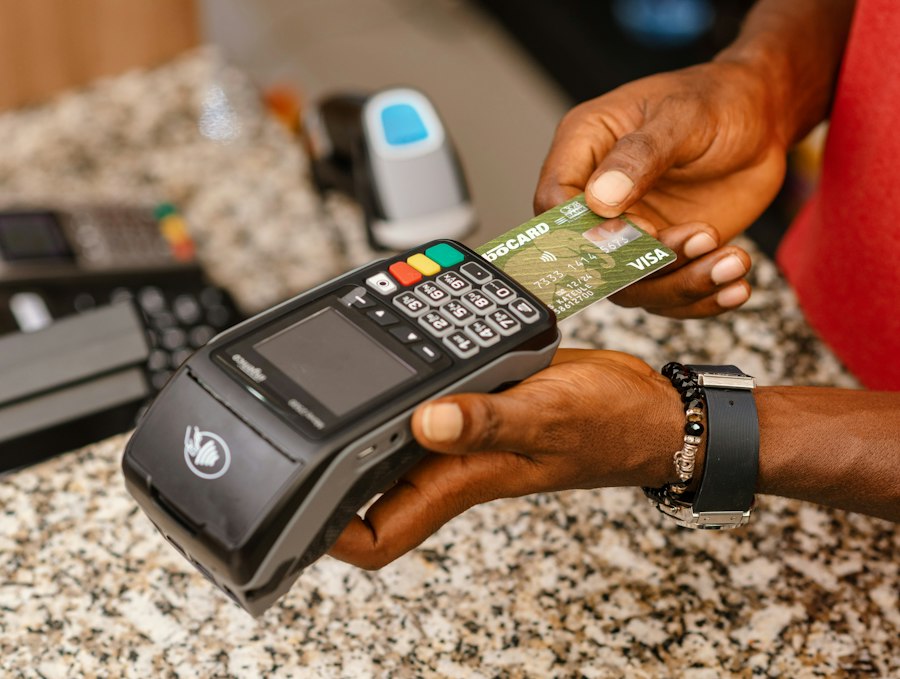
Payment holds can occur in a variety of situations, some of which you might anticipate and others that might come as a surprise. Understanding these common scenarios can help you prepare and avoid confusion when they arise. From everyday purchases at gas stations to booking hotel rooms, these holds are a standard part of the payment processing system. They are designed to protect both consumers and businesses within the financial ecosystem.
Pre-Authorizations for Goods and Services
One of the most frequent reasons for a hold is a pre-authorization for goods or services. This is common with hotels, car rental agencies, and even at gas stations. When you check into a hotel, they often place a hold on your card for the estimated cost of your stay, plus an additional amount for incidentals like room service or mini-bar charges. Similarly, car rental companies hold an amount to cover potential damages or extra fees. Gas stations frequently put a temporary hold for a larger amount than you might end up spending, which is then adjusted to the actual pump price once you’re done fueling. This allows them to ensure you have the capacity to cover the full cost before you’ve even finalized your consumption.
Online Purchases and Shipping Delays
Online shopping is another area where holds are prevalent. When you place an order online, the merchant will typically place an authorization hold on your card for the total purchase amount. However, the actual charge often doesn’t occur until your order ships. If there’s a delay in shipping – due to inventory issues, shipping problems, or backorders – the initial authorization hold might remain on your account for an extended period. This can be confusing if you’re expecting the charge to appear immediately. The hold ensures that when the item does ship, the payment will be ready to be processed without further authorization attempts.
Subscription Services and Recurring Payments
Subscription services, from streaming platforms to gym memberships, rely on recurring payments. When you sign up for such a service, the provider will often perform an initial authorization to verify your card details and ensure it’s valid. This might be for a nominal amount or the full subscription fee. Even after the initial setup, some services may perform periodic authorization checks to ensure your payment method remains active, especially if there have been no recent charges. These checks are usually for very small amounts and are designed to prevent service interruptions due to expired or invalid payment details.
Rental and Accommodation Deposits
As mentioned earlier, rental companies and accommodations are significant users of pre-authorizations. This is often referred to as a security deposit or a hold for incidentals. For a car rental, the hold amount can be substantial, covering potential damage, fuel charges, and late return fees. For hotels, it’s to cover any charges incurred during your stay beyond the room rate, such as food, drinks, or damages to the room. These holds are released once you return the car or check out of the hotel, provided there are no outstanding charges or damages.
Understanding Hold Durations and Release
The duration of a payment hold can be a significant source of anxiety. What feels like money vanishing from your account can remain elusive for days, or even weeks. The release of these holds is governed by specific rules and processes, and understanding them can alleviate a lot of the frustration. It’s not a black hole where your money disappears; it’s a temporary state that is meant to be resolved.
Typical Timeframes for Holds
The time it takes for a hold to be released varies depending on the type of transaction and the policies of the merchant and your financial institution. For gas station authorizations, holds are often released within a few hours, once the actual transaction amount is finalized. Hotel and car rental pre-authorizations can take anywhere from a few days to a week, or even longer, after you’ve checked out or returned the vehicle. Online purchase holds are typically released once the item ships. In cases of canceled orders or failed transactions, it can take several business days for the hold to be removed.
What Happens If a Hold Isn’t Released?
If a payment hold isn’t released within the expected timeframe, it can lead to a situation where your available balance is lower than it should be, potentially causing overdraft fees or declined transactions. If you’ve followed up with the merchant and they confirm the transaction is complete or canceled and no longer valid, and the hold still persists, it’s time to contact your bank or credit card issuer directly. They are the ones who can investigate why the hold hasn’t been cleared and initiate the process to have it released. Be prepared to provide transaction details, dates, and any communication you’ve had with the merchant.
The Process of Releasing a Hold
The release of a hold is initiated by the merchant. Once a transaction is finalized (e.g., you’ve checked out of the hotel, returned the rental car, or your online order has shipped and the charge is captured), the merchant sends a final transaction request to your bank. This request effectively tells your bank to convert the authorization hold into a completed charge. If there are no outstanding issues, your bank then releases the hold. For canceled transactions, the merchant will send a void or cancellation request, which also prompts your bank to release the hold. It’s a communication chain where the merchant signals to the bank that the initial reservation is no longer needed.
Steps You Can Take to Manage Holds
While you can’t always prevent a hold from occurring, you can take proactive steps to manage them and minimize any negative impact. Being informed and prepared is your best defense against the confusion and potential inconvenience that payment holds can bring. Think of these as strategies to navigate the system more effectively.
Review Your Account Regularly
The first and most important step is to regularly review your bank and credit card statements. Many people only check their balance when they need to make a purchase, but consistent monitoring can help you spot holds and pending transactions early. This allows you to identify any unauthorized or unexpected holds and address them promptly before they cause problems. Look for transactions marked as “pending” and compare them to your recent activity.
Communicate with Merchants
If you notice a hold that seems unusual or is taking longer than expected to be released, don’t hesitate to contact the merchant directly. Often, a quick phone call or email can clarify the situation. They can confirm whether the transaction has been finalized, canceled, or if there’s a reason for the extended hold. Having this information from the merchant is crucial when you subsequently need to contact your bank. They can provide proof of their actions or confirm the expected release date.
Contact Your Bank or Card Issuer
If you’ve communicated with the merchant and the hold remains problematic, or if you suspect an unauthorized transaction, it’s time to contact your bank or credit card issuer. Explain the situation clearly, providing all relevant details. They have the authority to investigate the hold and, if necessary, initiate its release. They can also advise you on their specific policies regarding hold durations and dispute resolution processes. Don’t be afraid to ask questions; understanding their procedures will empower you.
Understand Your Cardholder Agreement
Your credit card or debit card agreement contains vital information about how holds are handled. While it might not be the most exciting read, familiarizing yourself with your cardholder agreement can provide valuable insights into the typical durations of holds, your rights, and the procedures for disputing charges or holds. This document is your contract with the financial institution, and it outlines the operational framework for your account.
If you’re wondering why there is a hold on your card, it can often be due to various reasons such as pending transactions or security measures taken by your bank. Understanding these holds can help you manage your finances better. For more insights on this topic, you can read a related article that explains the different types of holds and how they affect your account by visiting this link.
Potential Problems and How to Avoid Them
| Reason for Hold | Description | Typical Hold Duration | Impact on Available Balance |
|---|---|---|---|
| Pending Transactions | Merchant places a temporary hold to verify funds before finalizing the purchase. | 1-7 days | Reduces available balance until transaction clears. |
| Authorization Holds | Used by hotels, car rentals, or gas stations to ensure funds are available. | 3-10 days | Funds are reserved but not yet charged. |
| Suspicious Activity | Bank places a hold to investigate potential fraud or unusual transactions. | Varies; until investigation completes | Card usage may be temporarily blocked. |
| Insufficient Funds | Hold placed when available balance is low or negative. | Until funds are added or issue resolved | Prevents further transactions. |
| Card Expiration or Replacement | Hold placed during card renewal or replacement process. | Varies; usually a few days | Old card may be temporarily disabled. |
| Technical or Processing Delays | Holds due to system errors or delays in transaction processing. | Usually less than 24 hours | Temporary reduction in available balance. |
Payment holds, while a necessary part of the financial system, can sometimes lead to unintended consequences. By understanding these potential pitfalls and adopting a few preventative measures, you can significantly reduce the chances of experiencing difficulties. These are the common headaches associated with holds and how to sidestep them.
Insufficient Funds and Overdraft Fees
The most common problem arises when a hold reduces your available balance to a point where you can’t cover other essential expenses or a planned purchase. If this leads to a check bouncing or a debit card transaction being declined due to insufficient funds, you could incur significant overdraft fees from your bank or non-sufficient funds (NSF) fees from the merchant. To avoid this, always maintain a buffer in your account, especially if you know you have pending authorizations or are expecting a large transaction. Anticipate potential holds before they impact your spending.
Impact on Credit Utilization
For credit cards, a pending authorization reduces your available credit. If your credit utilization ratio is already high, this temporary reduction could push it even higher, potentially affecting your credit score. While authorizations are temporary, a sustained period of high utilization, even if it includes pending holds, can be noted by credit bureaus. It’s wise to be mindful of your credit utilization, especially around the time you make larger purchases that might trigger significant holds. Keeping your utilization low overall provides more breathing room.
Canceled Transactions and Extended Holds
Sometimes, a transaction is canceled, but the hold isn’t released promptly. This can leave you in a frustrating limbo, where the funds are neither available nor fully charged. This often happens with online orders that are subsequently canceled due to stock issues or other fulfillment problems. The merchant might have initiated the hold, but the cancellation process with the bank for that specific hold wasn’t immediate. This is why following up with the merchant and your bank is crucial if you encounter such a situation. Ensure the cancellation is fully processed.
The Importance of Actual Funds vs. Available Balance
It’s crucial to understand the difference between your actual account balance and your available balance. Your actual balance is the total amount of money in your account. Your available balance, however, reflects the amount you can actually spend, taking into account any pending transactions or holds. When a hold is placed, it reduces your available balance, even if the actual balance hasn’t changed yet. Always base your spending decisions on your available balance to avoid unexpected shortfalls. This distinction is fundamental to managing your day-to-day finances accurately.
Dealing with Unresponsive Merchants
In rare cases, merchants may be unresponsive or slow to release holds, especially smaller businesses or those with less robust customer service. If you’ve exhausted your attempts to communicate with the merchant and the hold is causing significant issues, you may need to escalate the matter to your bank for dispute resolution. Your bank has the power to investigate fraudulent or improperly held funds, though this process can take time. Be prepared to provide thorough documentation of your attempts to resolve the issue with the merchant. This documentation is your evidence trail.

Approved at Checkout… Fee the Next Morning? Why Banks Do This.
FAQs
Why is there a hold on my card?
A hold on your card may be placed by the merchant to ensure that funds are available to cover the transaction. It can also be a security measure to protect against potential fraud.
How long does a hold typically last on a card?
The length of time a hold remains on your card can vary depending on the merchant’s policies. Holds can last anywhere from a few hours to several days.
Can I remove a hold on my card?
Unfortunately, once a hold has been placed on your card, you typically cannot remove it yourself. You may need to contact the merchant directly to inquire about the hold and request its removal.
Will a hold on my card affect my available balance?
Yes, a hold on your card will temporarily reduce your available balance by the amount of the hold. It’s important to keep this in mind when making additional purchases to avoid overdrawing your account.
Are there any ways to prevent holds on my card?
While you may not be able to prevent all holds on your card, you can try to minimize them by using credit cards instead of debit cards for transactions, as credit cards are less likely to have holds placed on them.