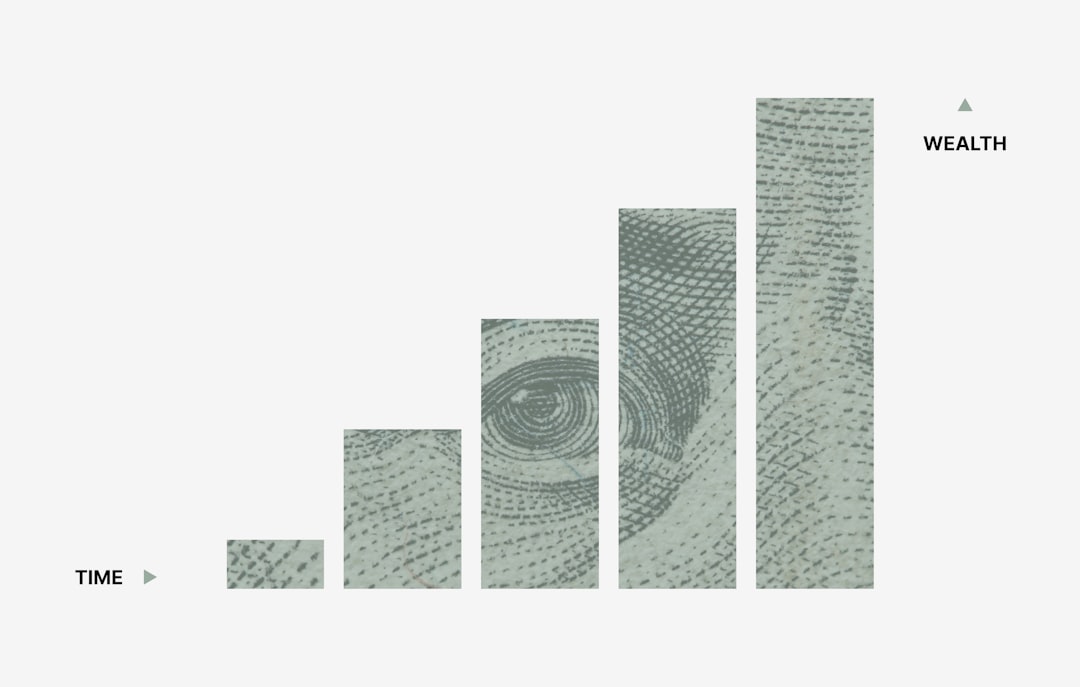
You earn a substantial income. Your bank account statement likely reflects a healthy number, and your lifestyle probably allows for a degree of comfort that many only dream of. Yet, despite the regular influx of sizable paychecks, you find yourself perpetually teetering on the edge of financial instability. The concept of a “cash cushion” – that comforting buffer of readily accessible funds – seems like an abstract luxury, something for people with less demanding financial lives. You might be a high earner, but you’re effectively broke, lacking the essential liquidity to weather unforeseen storms or seize unexpected opportunities. This isn’t a matter of poor income; it’s a consequence of how you manage what you earn.
You’ve likely become accustomed to a certain standard of living. Perhaps it’s a testament to your hard work and success, or maybe it’s simply adapted as the norm over time. Whatever the reason, this elevated lifestyle can create a compelling illusion of abundance. When your gross income is significant, it’s easy to feel like you have more than enough, leading to a relaxed approach to day-to-day spending.
Lifestyle Inflation: The Silent Wealth Eroder
This is perhaps the most insidious trap for high earners. As your income increases, so does your inclination to spend. It’s a natural human tendency to upgrade your living situation, acquire newer and more expensive possessions, and indulge in more lavish experiences. You might justify these expenditures as rewards for your efforts or necessary accoutrements for your professional standing. The problem isn’t necessarily the spending itself, but the fact that it often outpaces your income growth or, worse, consumes any surplus before it has a chance to accumulate. A new car, a larger house, designer clothing, frequent travel – these all chip away at your resources, leaving little left over for a safety net.
The “Justifiable” Expense: Where Does it Start?
Consider the shift from a reliable sedan to a luxury SUV. Or the move from a comfortable two-bedroom apartment to a sprawling four-bedroom house in an affluent neighborhood. These aren’t always frivolous purchases; they often come with perceived benefits – better resale value, enhanced comfort, or access to exclusive amenities. However, the increased costs associated with these upgrades – higher mortgage payments, property taxes, insurance premiums, maintenance, and utilities – can be substantial. What starts as a “well-deserved upgrade” can quickly become a significant recurring outflow of cash.
The Constant Chase for the Next “Upgrade”
This mindset can become a cyclical trap. You might find yourself constantly chasing the next upgrade, justifying each new expense as a natural progression of your financial success. The goalpost for “enough” keeps moving, ensuring that your spending always aligns with your current income, leaving no room for savings or investment.
The Misconception of “Having Enough”: When Numbers Don’t Reflect Reality
You look at your bank balance and see a respectable figure. You know your salary is above average. This leads to a comfortable assumption that you’re financially secure. However, this perception is often detached from the immediate cash flow available to you after essential expenses. The money in your checking account may be more of an operating budget than a reflection of your true wealth.
The Difference Between Gross Income and Disposable Income
This is a fundamental distinction you might be overlooking. Your gross income, the figure that appears on your pay stub before deductions, is not the money you actually have available to spend or save. Taxes, retirement contributions, health insurance premiums, and other mandatory deductions significantly reduce the amount that lands in your bank account. High earners often face higher tax brackets, meaning a larger percentage of their income is siphoned off before it even reaches them.
The Illusion of Savings Through Retirement Accounts
You might be diligently contributing to your 401(k) or other retirement accounts. While this is a crucial part of long-term financial planning, these funds are typically inaccessible without significant penalties before retirement age. Therefore, a large balance in your retirement fund does not equate to accessible cash in moments of need. It’s a fantastic long-term asset, but it offers no immediate liquidity.
Many high earners find themselves in a precarious financial situation, often remaining broke despite their substantial incomes. This phenomenon can be attributed to various factors, including lifestyle inflation, poor financial management, and a lack of savings. A related article that delves deeper into this issue is available at How Wealth Grows, which discusses the importance of having a twelve-month cash runway and how it can provide financial security and peace of mind. Understanding these concepts is crucial for high earners who wish to break the cycle of living paycheck to paycheck.
The Hidden Costs of a High-Income Lifestyle
Beyond the obvious expenditures, a high-income lifestyle often carries a host of less apparent financial burdens that can drain your resources. You might be so focused on the headline figures that you overlook these silent wealth eroders.
Debt: The Ever-Present Shadow
Despite your earning capacity, you might find yourself carrying significant debt. This could be the result of major life purchases, investments that haven’t yet paid off, or simply the accumulation of consumer debt due to lifestyle inflation.
Mortgages and Real Estate: The Biggest Drain
For many high earners, a significant portion of their income is dedicated to mortgage payments. While homeownership is often considered a solid investment, a large mortgage obligation can tie up substantial capital and create ongoing expenses for property taxes, homeowners insurance, and maintenance. If your property value stagnates or declines, or if interest rates rise significantly, this major asset can become a significant financial liability.
Car Loans: Depreciation on Wheels
Luxury cars, while desirable, are notorious for rapid depreciation. You might be financing expensive vehicles, with hefty monthly payments and rapidly diminishing resale values. This means you’re essentially paying a premium for an asset that is losing value at an alarming rate, further depleting your available cash.
Student Loans: The Lingering Burden
While often taken out earlier in your career, substantial student loan debt can persist even for high earners, especially if you pursued advanced degrees or specialized training that incurred significant educational expenses. These fixed monthly payments can create a substantial drain on your income, leaving less room for savings.
Investment Blind Spots: When Assets Don’t Equal Liquidity
You might have invested in stocks, bonds, or other assets. While these are essential for wealth building, the critical question for cash cushioning is their accessibility without incurring penalties or significant loss in value.
Illiquid Investments: Assets You Can’t Easily Sell
Many investments, such as real estate beyond your primary residence, private equity, or certain collectibles, are considered illiquid. This means you cannot easily convert them into cash on short notice without potentially accepting a significant discount. If you need immediate funds, these assets offer little to no help.
Long-Term Investments: Great for the Future, Bad for Today
Your portfolio might be heavily weighted towards long-term growth. While this is a sound strategy for retirement, these investments are designed to be held for years, if not decades. Attempting to liquidate them prematurely to cover an unexpected expense could trigger capital gains taxes and incur transaction fees, further reducing the amount you receive.
The Psychological Hurdles: Why Saving Feels So Difficult
It’s not always about the numbers; your mindset plays a crucial role in your financial habits. You might possess the income, but certain psychological factors can sabotage your efforts to build a cash cushion.
The Entitlement Mentality: Earning It Means You Deserve It
You’ve worked hard to achieve your current financial status. This can foster a sense of entitlement, leading you to believe that you deserve to spend lavishly. While acknowledging your achievements is important, this entitlement can morph into an excuse for reckless spending, hindering your ability to prioritize saving for future security.
The “I’ll Make More” Justification: A Dangerous Assumption
This is a common rationalization among high earners. You might think, “If I spend this money now, I’ll just earn more next year.” While future income growth is possible, it’s not guaranteed. Unexpected job loss, economic downturns, or personal circumstances can all derail your earning potential. Relying solely on future earnings to compensate for past overspending is a precarious financial strategy.
The Fear of “Missing Out” (FOMO) on Experiences
High-income lifestyles often involve a constant stream of attractive experiences – exclusive events, high-end dining, luxury travel. You might feel pressure to partake in these activities to maintain your social standing or simply because they are readily available and appealing. This fear of missing out can lead to impulsive spending that prioritizes immediate gratification over long-term financial stability.
The Lack of Financial Literacy and Planning
Despite your professional success, you might lack a formal education or a proactive approach to financial planning. You might be an expert in your field but an amateur when it comes to personal finance.
Assuming That Income Solves All Problems
You might have fallen into the trap of believing that a high income is a panacea for all financial woes. You assume that any emergent financial problem can simply be solved by earning more money. This overlooks the fundamental principle that responsible financial management involves living within your means and strategically allocating your resources, regardless of your income level.
The “It’s Too Complicated” Excuse
Personal finance can seem overwhelming, especially with complex tax laws and investment options. You might be tempted to delegate these tasks to others without fully understanding them or to simply avoid engaging with your finances altogether. This disengagement, however, can leave you vulnerable to costly mistakes and missed opportunities.
The Consequences of No Cushion: The True Cost of Being Broke

The absence of a readily available cash cushion isn’t just an inconvenience; it can have significant and damaging repercussions on your financial well-being and overall life stability.
The Vicious Cycle of High-Interest Debt
When an unexpected expense arises – a medical emergency, a car repair, a job loss – and you lack a cash cushion, your first recourse is often high-interest debt.
Credit Card Debt: The Immediate and Costly Solution
Credit cards offer quick access to funds, but their interest rates are notoriously high. Carrying a balance on your credit cards, especially with a high-interest rate, can rapidly escalate your debt. What was initially a manageable expense can balloon into a significant financial burden, consuming a larger portion of your income and making it even harder to save.
Personal Loans and Payday Loans: A Slippery Slope
While some personal loans may offer lower interest rates than credit cards, payday loans and other short-term, high-interest loans can be financially ruinous. These loan sharks prey on individuals in desperate situations, trapping them in a cycle of debt that is extremely difficult to escape.
Missed Opportunities: The Cost of Not Being Prepared
A cash cushion isn’t just for emergencies; it’s also a tool for seizing opportunities. Without readily available funds, you can find yourself on the sidelines when favorable circumstances arise.
Investment Opportunities: The Lost Potential for Growth
The stock market, real estate, or entrepreneurial ventures may present themselves as lucrative opportunities. However, if you lack the liquidity to invest, you miss out on the potential for significant returns. You might watch others benefit from these opportunities while you remain unable to participate.
Career Advancement: The Ability to Pivot
Sometimes, career growth requires investment – taking unpaid internships to gain experience, relocating for a better job, or investing in further education. Without a financial buffer, you may be forced to stay in a less-than-ideal situation because you can’t afford the transitional period.
Many high earners often find themselves in a precarious financial situation, remaining broke despite their substantial incomes. This paradox can be attributed to a lack of financial planning and the absence of a twelve-month cash runway, which serves as a safety net during unforeseen circumstances. For a deeper understanding of this phenomenon, you can explore the article on wealth management strategies at How Wealth Grows, where various factors contributing to financial instability among high earners are discussed in detail. By recognizing these pitfalls, individuals can take proactive steps towards building a more secure financial future.
Building Your Financial Fortress: Practical Steps to Create a Cash Cushion
| Reasons Why High Earners Stay Broke Without a Twelve Month Cash Runway |
|---|
| Lack of budgeting and overspending |
| High debt-to-income ratio |
| Living above means |
| Failure to save and invest |
| Unexpected expenses and emergencies |
| Job loss or income reduction |
The good news is that being a high earner without a cash cushion is a solvable problem. It requires a conscious shift in mindset and a commitment to implementing practical financial strategies.
The Power of Budgeting and Tracking Your Spending
This is the bedrock of any sound financial plan. It’s not about restriction; it’s about gaining clarity and control.
Understanding Where Your Money Truly Goes
You might have a general idea of your expenses, but a detailed budget provides an accurate snapshot. Track every dollar you spend for a month or two, categorizing expenses such as housing, transportation, food, entertainment, debt payments, and miscellaneous. This exercise often reveals surprising spending habits.
Differentiating Needs vs. Wants: An Honest Assessment
Once you have your spending data, you can begin to distinguish between essential needs and discretionary wants. This isn’t about deprivation, but about making informed choices about where your money is best allocated. Can you reduce your spending on certain “wants” to fund your future security?
Automating Your Savings: The “Pay Yourself First” Principle
The most effective way to build a cash cushion is to make saving an automatic process.
Setting Up Automatic Transfers to a Separate Savings Account
Treat your savings as a non-negotiable bill. Set up an automatic transfer from your checking account to a dedicated savings account immediately after you receive your paycheck. This ensures that a portion of your income is set aside before you have a chance to spend it.
Choosing the Right Savings Vehicle: Accessibility and Growth
For your emergency fund, you want an account that offers easy access and safety, such as a high-yield savings account. While it won’t offer significant growth, it will protect your principal and provide liquidity. As your cushion grows, you can explore slightly more diversified savings options that still prioritize accessibility.
Creating a Realistic Financial Plan and Goals
A vague goal of “saving more” is unlikely to be effective. You need concrete objectives.
Defining Your Emergency Fund Target: How Much Do You Need?
A widely accepted guideline for an emergency fund is three to six months of essential living expenses. Calculate your monthly essential expenses (rent/mortgage, utilities, food, insurance, debt minimums) and multiply by your desired target. This provides a clear savings goal.
Setting Short-Term and Long-Term Financial Goals
Beyond the emergency fund, consider other financial goals such as a down payment on a property, significant investments, or future travel. Breaking these down into smaller, achievable steps can make them less daunting and more motivating.
You earn well, and that’s a significant advantage. The feeling of being broke despite a high income is often a symptom of habits, not an indictment of your earning potential. By acknowledging the illusion of abundance, understanding the true costs of your lifestyle, confronting psychological hurdles, and taking proactive steps to build a solid cash cushion, you can transform your financial situation from precarious to secure. It’s about leveraging your income wisely, not just accumulating it.
FAQs
What is a twelve month cash runway?
A twelve month cash runway refers to having enough savings to cover living expenses for a full year without relying on income from a job or other sources.
Why is having a twelve month cash runway important for high earners?
High earners often have higher expenses and financial obligations, so having a twelve month cash runway provides a safety net in case of job loss, unexpected expenses, or economic downturns.
What are the common reasons why high earners stay broke?
High earners may still struggle with financial stability due to overspending, lifestyle inflation, lack of emergency savings, and poor financial management despite their higher income.
How can high earners build a twelve month cash runway?
High earners can build a twelve month cash runway by prioritizing savings, living below their means, investing wisely, and creating a budget that includes a dedicated emergency fund.
What are the benefits of having a twelve month cash runway for high earners?
Having a twelve month cash runway provides high earners with financial security, peace of mind, and the ability to weather financial storms without relying on credit or taking on debt.