So, you’re a data center operator, or perhaps you’re eyeing that prime piece of real estate for your next hyperscale facility. You’ve crunched the numbers, sourced the latest hardware, and are ready to build a digital fortress. But then a seemingly minor detail rears its head: the grid. The very foundation of your digital empire relies on the electricity that flows from the local utility. And as your data center’s power demands swell, so too does the likelihood that the existing electrical infrastructure will buckle under the strain. This is where the often-overlooked, yet critically important, question arises: Who Pays for Data Center Grid Upgrades?
The answer, as with many things in the complex world of utilities and massive infrastructure projects, is rarely a simple one. It’s a dance of negotiation, responsibility, and sometimes, a bit of a power struggle. Understanding this dynamic is crucial for ensuring your data center’s successful deployment and long-term operational viability.
The insatiable appetite for data, fueled by artificial intelligence, machine learning, the Internet of Things, and the ever-increasing digital footprint of our lives, has propelled data centers to the forefront of global energy consumers. What once was a niche requirement for businesses has ballooned into a sector that rivals entire countries in its electricity consumption.
The Exponential Growth of Digital Infrastructure
Think about it: every video you stream, every search query you make, every piece of data stored in the cloud – it all resides in a data center. These facilities are the engines of the digital economy, and their growth is nothing short of explosive. New data centers are being built at an unprecedented rate, and existing ones are constantly expanding to accommodate the ever-increasing data volumes and processing demands. This rapid expansion translates directly into a significant increase in their electricity needs.
The Power-Hungry Nature of Modern Computing
Modern computing, particularly for AI and high-performance computing workloads, is incredibly power-intensive. GPUs, the workhorses of AI training, consume vastly more energy than traditional CPUs. The density of these processors within server racks, coupled with sophisticated cooling systems to manage the immense heat generated, creates concentrated points of extremely high power demand. A single rack in a cutting-edge data center can draw more power than an entire apartment building.
The Grid’s Existing Limitations
The electrical grid, on the other hand, is a system built over decades, designed to meet the historical demands of residential, commercial, and industrial users. While it has proven remarkably resilient, it wasn’t specifically engineered to handle the hyper-concentrated, extremely high, and rapidly growing power demands of multiple large-scale data centers in close proximity. Upgrading this aging infrastructure is not a trivial undertaking; it involves significant investment in new substations, transmission lines, and distribution networks.
In the ongoing discussion about the financial responsibilities associated with data center grid upgrades, it’s important to consider various perspectives on the issue. A related article that delves into the complexities of funding these essential infrastructure improvements can be found at How Wealth Grows. This resource provides insights into the economic implications and potential solutions for balancing the costs among stakeholders, including utility companies, data center operators, and consumers.
The Utility’s Perspective: Balancing Needs and Costs
Utilities operate under a mandate to provide reliable and affordable electricity to all their customers. When a new, massive load like a data center emerges, it forces them to re-evaluate their existing infrastructure and investment plans.
The Cost of Infrastructure Upgrades
Building or upgrading electrical infrastructure is a capital-intensive endeavor. New substations can cost tens of millions of dollars, and upgrading transmission lines can run into hundreds of millions, depending on the scope and complexity. These costs aren’t borne by the utility out of altruism; they need to be recovered to ensure the financial health and future investment capability of the company.
The Regulatory Framework and Ratepayers
Utilities are typically regulated entities, meaning their rates are subject to approval by government bodies. Any significant expenditure, such as a major grid upgrade, must be justified to these regulators, often through a process that involves demonstrating the necessity and prudence of the investment. The cost of these upgrades is often spread across the utility’s entire customer base through rate adjustments. This is where the “who pays” question gets particularly thorny.
The Data Center as a “Special” Customer
A hyperscale data center is not your average residential customer. Its power consumption can be orders of magnitude greater, and its presence can significantly impact the local grid’s capacity. Utilities often view these large clients as having a unique responsibility for the infrastructure required to serve them. This can lead to direct negotiations and agreements that differ significantly from standard customer contracts.
The Data Center’s Burden: Direct and Indirect Costs
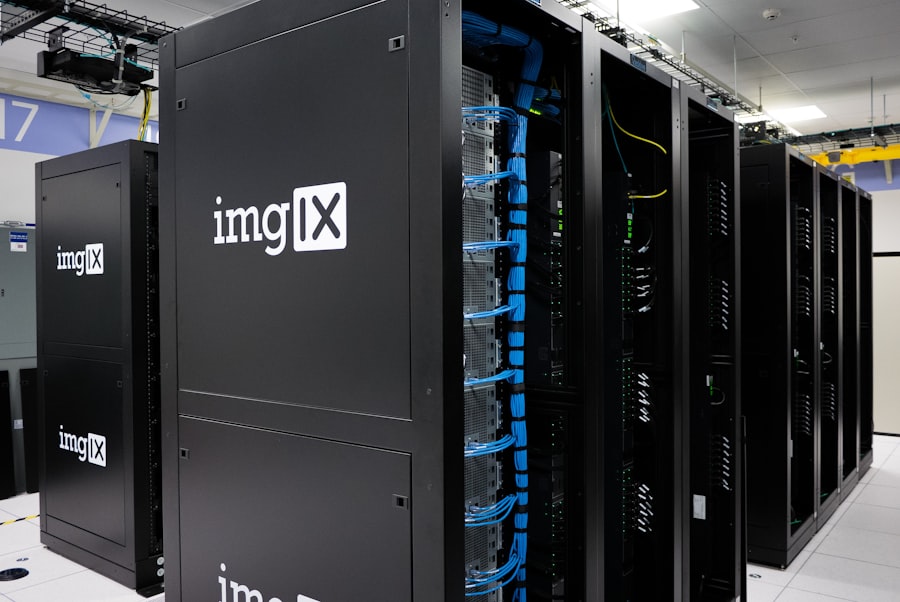
While the utility bears the ultimate responsibility for the grid, the data center operator is rarely absolved of all costs. The financial implications for the data center can be substantial, both directly and indirectly.
Direct Contributions to Infrastructure Development
In many cases, utilities will require data center operators to make direct financial contributions towards the specific upgrades needed to serve their facility. This can take several forms:
Contribution in Aid of Construction (CIAC) Agreements
This is a common mechanism where the data center operator essentially funds the construction of new or upgraded infrastructure that the utility will then own and operate. This can be a significant upfront cost for the data center.
Surcharges and Special Rates
Alternatively, the utility might impose special surcharges or electricity rates specifically for the data center to recoup the costs of the necessary upgrades over time. This effectively means the data center pays a premium for the enhanced service.
Interconnection Fees
There are often fees associated with connecting a large load to the grid, and these can be substantial, reflecting the administrative and engineering work involved in assessing and facilitating the connection.
Indirect Costs and Operational Considerations
Beyond direct financial contributions, data center operators also face indirect costs and operational considerations stemming from grid upgrade needs:
Project Delays and Opportunity Costs
The process of negotiating grid upgrades can be lengthy and complex, leading to significant project delays. Each month of delay represents lost revenue and a missed opportunity to capitalize on market demand.
Site Selection and Grid Capacity Analysis
Sophisticated data center developers will conduct thorough grid capacity analyses during site selection. Choosing a location with readily available capacity, or where upgrades are less extensive, can significantly reduce the financial burden. Conversely, selecting a site that requires massive, costly upgrades can make the project financially unviable.
Increased Operational Expenses
Even if the initial upgrade costs are borne by the utility (which is rare for the entirety of it), there can be long-term operational expenses. For example, if the upgrade involves new substations that require dedicated maintenance, the utility might seek to recover those ongoing costs through higher tariffs.
Negotiating the Terms: The Art of the Deal
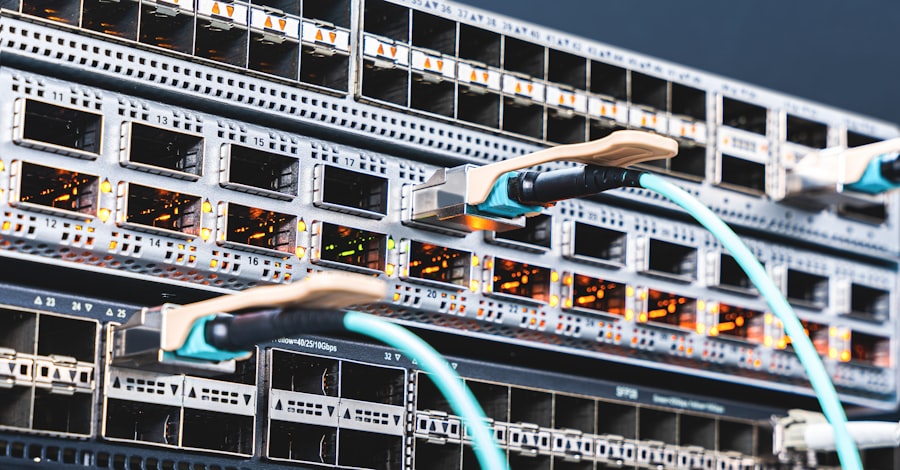
The process of determining who pays for what is often a protracted negotiation between the data center operator and the utility. This is where expertise in utility regulations, engineering, and contract law becomes invaluable.
Understanding the Utility’s Needs and Constraints
Before entering negotiations, it’s crucial to understand the utility’s perspective. What are their current infrastructure limitations? What are their regulatory requirements? What is their financial capacity for new projects? Demonstrating that you’ve done your homework and understand their challenges can foster a more collaborative approach.
Presenting a Compelling Case for Investment
Data centers are often viewed as economic development drivers, bringing jobs and tax revenue to a region. Data center operators can leverage this by presenting a compelling case for the economic benefits their facility will bring. This can sometimes persuade utilities to absorb a larger portion of the upgrade costs or to prioritize the necessary infrastructure development.
Exploring Innovative Solutions and Partnerships
Beyond traditional upgrade models, there are opportunities for innovative solutions:
On-Site Generation and Microgrids
Some data centers are exploring on-site generation, such as solar arrays or even small modular reactors, to supplement grid power and reduce their reliance on the existing infrastructure. This can also offer greater grid resilience.
Demand Response Programs
Engaging in demand response programs, where the data center agrees to reduce its power consumption during peak grid demand periods, can be another way to mitigate the impact on the grid and potentially negotiate more favorable terms.
Joint Development Agreements
In some instances, utilities and data center operators might enter into joint development agreements, sharing the costs and responsibilities for specific infrastructure projects.
The Role of Regulatory Advocacy
In certain cases, data center operators might engage in regulatory advocacy to influence policies that impact grid development and cost allocation. This can involve working with industry groups or directly with regulatory bodies to ensure a fair and predictable framework for grid upgrades.
In the ongoing discussion about who bears the financial burden of data center grid upgrades, it is essential to consider various perspectives and potential solutions. A related article explores the implications of these upgrades on energy costs and infrastructure investments, shedding light on the responsibilities of both utility companies and data center operators. For a deeper understanding of this complex issue, you can read more about it in this insightful piece here.
Who Ultimately Bears the Cost? A Multifaceted Answer
| Company | Percentage of Grid Upgrades Paid |
|---|---|
| Company A | 60% |
| Company B | 40% |
| Company C | 75% |
The question of “who pays” doesn’t have a single, universal answer. It’s a complex interplay of financial contributions, operational considerations, and economic realities.
The Blended Approach: A Common Scenario
In most situations, you’ll find a blended approach. The data center operator will likely bear a significant portion of the cost through direct contributions, special rates, or surcharges. However, the utility will also need to invest its own capital and potentially spread some of the cost across its broader customer base.
The Economic Development Incentive
The “economic development” argument is a powerful one. Utilities, and the communities they serve, often recognize the significant economic benefits of large data center investments. This can lead to negotiations where the utility is more amenable to contributing a larger share of the upgrade costs, seeing it as an investment in future growth and employment.
The Risk of Grid Constraints
If a data center chooses a location with severely inadequate grid capacity and the utility is unwilling or unable to make the necessary substantial upgrades, the data center operator may simply be unable to proceed with their project or will face cripplingly high costs to enable it. This underscores the critical importance of thorough due diligence regarding grid availability.
The Long-Term Perspective: Reliability and Sustainability
Ultimately, ensuring adequate grid capacity for data centers is not just about cost allocation; it’s about the long-term reliability and sustainability of the digital infrastructure that underpins our modern world. As the demand for data continues to surge, proactive and collaborative approaches to grid modernization will be essential. The question of who pays will remain a central, albeit complex, part of that ongoing evolution. Your ability to navigate these financial and regulatory landscapes will be as critical to your data center’s success as the quality of your servers.

Is AI About to Make Your Electric Bill Even Higher?
FAQs
1. What are data center grid upgrades?
Data center grid upgrades refer to the improvements made to the electrical infrastructure that supports the operation of data centers. These upgrades may include enhancements to power distribution systems, backup generators, and other components to ensure reliable and efficient power supply to the data center.
2. Who is responsible for paying for data center grid upgrades?
The responsibility for paying for data center grid upgrades typically falls on the data center operator or owner. This may include private companies, government agencies, or other organizations that own or operate the data center facility.
3. Why are data center grid upgrades necessary?
Data center grid upgrades are necessary to accommodate the increasing demand for power and to ensure the reliability and resilience of the electrical infrastructure supporting the data center. As data centers expand and consume more power, upgrades are essential to prevent power outages and ensure continuous operation.
4. How are data center grid upgrades funded?
Data center grid upgrades are typically funded by the data center operator or owner. Funding may come from the organization’s capital budget, operational budget, or through financing options such as loans or bonds. In some cases, government incentives or grants may also be available to support grid upgrades.
5. What are the potential benefits of data center grid upgrades?
The potential benefits of data center grid upgrades include improved reliability and resilience of the electrical infrastructure, increased capacity to support growing power demands, and enhanced energy efficiency. These upgrades can also contribute to the overall sustainability and environmental performance of the data center.