You’re likely reading this on a device powered by electricity. That electricity, in turn, fuels the servers humming away in data centers, many of which are increasingly dedicated to the insatiable hunger of Artificial Intelligence. The question then becomes, as AI continues its exponential growth, who is ultimately shouldering the burden of keeping those lights on, or more accurately, those processors cool and running? It’s a complex question with no single, simple answer, but by delving into the various stakeholders and their financial mechanisms, you can begin to understand the intricate web of AI electricity costs.
At the most immediate level, the companies that are actively developing, training, and deploying AI models are the ones directly incurring the electricity costs. These are the tech giants, the burgeoning AI startups, and even more traditional enterprises integrating AI into their operations. They are the ones signing the power purchase agreements, building the specialized infrastructure, and managing the operational expenses.
Big Tech’s Massive Footprint
You know them: Google, Microsoft, Amazon, Meta. These companies are at the forefront of AI innovation. They are not just consumers of electricity; they are behemoths. Their AI research and development arms, their cloud computing platforms offering AI-as-a-service, and their own internal AI applications all demand vast amounts of power.
Training Generative AI Models
The creation of large language models (LLMs) and other sophisticated AI systems is an incredibly energy-intensive process. Imagine training a model like GPT-4 or Stable Diffusion. This involves processing colossal datasets over extended periods, utilizing thousands of high-performance GPUs (Graphics Processing Units) running at full tilt. The electricity consumed during these training phases can be astronomical, often measured in megawatts. For you, the end-user, this cost is largely invisible, but for the companies doing the training, it’s a significant line item in their R&D budgets. They invest heavily in building out their own data center capacity or leasing space with significant power allocations.
Running AI Inference at Scale
Once an AI model is trained, it needs to be deployed to serve users. This is called inference. Every time you interact with a chatbot, use an AI-powered recommendation engine, or employ an AI feature in an application, an AI model is performing inference. While inference is generally less energy-intensive than training, the sheer scale of global AI usage means that the cumulative energy demand for inference is also massive. Companies that offer AI services through cloud platforms, for instance, must ensure they have enough power to handle millions, even billions, of inference requests per day. This requires constant power supply, cooling systems, and robust infrastructure, all of which translate into electricity bills.
The Rise of AI Startups
Beyond the established players, a vibrant ecosystem of AI startups is emerging. These companies, often focused on niche AI applications or novel AI architectures, also face the challenge of powering their operations. For many, especially those in their early stages, securing sufficient and affordable electricity can be a significant hurdle. They might rely on co-location facilities or cloud providers, where electricity costs are bundled into their leasing or service fees, but the underlying expense remains. The pressure to innovate and scale rapidly means they can’t afford to be held back by power limitations.
Enterprise Adoption of AI
It’s not just the tech sector. Increasingly, traditional businesses across various industries – finance, healthcare, manufacturing, retail – are adopting AI to optimize operations, personalize customer experiences, and develop new products. This enterprise adoption means that more businesses are finding themselves with AI workloads, and by extension, an increased electricity demand associated with their data centers or their use of cloud-based AI services. While their individual AI footprints might be smaller than those of Big Tech, the collective impact of widespread enterprise adoption is substantial.
The increasing demand for artificial intelligence (AI) has raised important questions about the costs associated with powering the data centers that support these technologies. A related article discusses the financial implications of electricity consumption in AI data centers and explores who ultimately bears these costs. For more insights on this topic, you can read the article here: Who Pays for AI Data Center Electricity?.
Cloud Providers: The Middlemen of AI Power
The major cloud providers – Amazon Web Services (AWS), Microsoft Azure, and Google Cloud Platform (GCP) – play a pivotal role in the AI data center electricity landscape. They are the infrastructure backbone for many AI developers, offering the computing power, storage, and networking capabilities that AI workloads demand.
Leasing AI Infrastructure
For a vast number of companies, particularly startups and smaller enterprises, building and operating their own AI-optimized data centers is prohibitively expensive. Instead, they lease virtualized computing resources and specialized hardware from cloud providers. These cloud providers, in turn, operate massive, hyperscale data centers that house tens of thousands of servers, all requiring significant and reliable electricity.
The Powering of the Cloud
The electricity costs for these hyperscale data centers are enormous. Cloud providers are constantly investing in building new facilities and expanding existing ones to meet the ever-growing demand for AI compute. They have teams dedicated to procuring electricity, often through long-term power purchase agreements (PPAs) with renewable energy developers or by directly purchasing from utility grids. The efficiency of their operations, including cooling and power management, is paramount to controlling these costs.
Bundled Electricity Costs
When you, as a user, pay for AI services on a cloud platform, the cost of the electricity used to power those services is implicitly bundled into the overall price. You might be paying per hour of GPU usage, per data processed, or a combination of factors. The cloud provider has already factored in their operational expenses, including electricity, into their pricing models. Therefore, your AI usage on the cloud directly, albeit indirectly, contributes to the electricity bills of the cloud provider.
The Scale of Cloud Operations
The sheer scale of cloud operations means that even small efficiencies in power consumption can translate into significant cost savings. Cloud providers are at the forefront of adopting advanced cooling technologies, optimizing server utilization, and leveraging renewable energy sources to manage their massive electricity demands. This pursuit of efficiency is not just about cost reduction; it’s also driven by increasing investor and public pressure to operate more sustainably.
The Energy Producers: Utilities and Renewable Energy Developers
Ultimately, the electricity that powers AI data centers has to be generated. This brings the energy producers into the picture. They are the ones responsible for the actual creation of the electrical power.
Traditional Utility Companies
For many data centers, particularly those not located in regions with a high concentration of direct renewable energy sourcing, the primary source of electricity is the local utility company. These utilities manage the generation and distribution of power from a mix of sources, which can include fossil fuels, nuclear power, and renewables. The cost of electricity from utilities is influenced by a multitude of factors, including fuel prices, grid infrastructure, regulatory policies, and demand.
Grid Capacity and Strain
The increasing demand for electricity from AI data centers is placing a strain on existing grid infrastructure in many regions. Utilities need to invest in upgrading and expanding their grids to accommodate this growing load, especially in areas where new, large-scale data centers are being built. These infrastructure upgrades can lead to higher electricity prices for all consumers, not just those powering AI.
The Energy Mix
The environmental impact of AI electricity consumption is directly tied to the energy mix of the utility provider. Data centers powered by coal-fired power plants will have a significantly higher carbon footprint than those powered by solar or wind farms. This has led to a growing demand for cleaner energy sources, influencing the investments made by utilities and renewable energy developers.
Renewable Energy Developers
The growing awareness of the environmental impact of AI, coupled with increasing electricity costs from traditional sources, has driven a surge in demand for renewable energy. Renewable energy developers, who build and operate solar farms, wind turbines, and other clean energy projects, are becoming crucial partners for AI data centers.
Power Purchase Agreements (PPAs)
Many large tech companies and cloud providers are entering into direct Power Purchase Agreements (PPAs) with renewable energy developers. Under a PPA, a company agrees to buy electricity from a specific renewable energy project for a fixed price over a long period. This provides financial certainty for renewable energy projects, enabling their development, and guarantees a clean energy supply for the AI operations.
The Shift Towards Sustainability
This direct investment in renewables represents a significant shift. Instead of simply buying electricity from the grid, these companies are actively helping to finance and build new clean energy capacity. This not only offsets their own carbon footprint but also contributes to the overall decarbonization of the electricity grid, which benefits everyone.
The Regulators and Policymakers: Shaping the Cost Landscape
Government bodies and regulatory agencies play a critical, often behind-the-scenes, role in determining who pays for AI data center electricity and how much. Their decisions influence energy prices, environmental regulations, and the incentives for clean energy adoption.
Energy Pricing and Tariffs
Utility regulators set the rates at which electricity is sold to consumers. These rates are influenced by the cost of generating power, maintaining the grid, and other operational expenses. Policies around how data centers are classified and how their energy consumption is metered can significantly impact their electricity bills.
Industrial vs. Commercial Rates
Data centers are typically classified as industrial or large commercial consumers, and they often have different rate structures than residential consumers. These structures can be designed to encourage large-scale energy users to locate in certain areas or to offer discounts for off-peak usage. However, they can also lead to higher per-unit costs if the grid is not designed to handle such concentrated demand.
Incentives for Efficiency and Renewables
Governments often offer incentives, such as tax breaks or grants, for companies that invest in energy efficiency measures or renewable energy generation. These incentives can directly reduce the upfront costs of building AI infrastructure and make clean energy more financially attractive.
Environmental Regulations and Carbon Pricing
Increasingly, policymakers are implementing regulations aimed at reducing the carbon footprint of energy consumption. This can include carbon pricing mechanisms, such as carbon taxes or cap-and-trade systems, which make it more expensive to use electricity generated from fossil fuels.
The Carbon Cost of AI
As the world grapples with climate change, the energy-intensive nature of AI is coming under scrutiny. Policymakers are exploring ways to internalize the environmental costs of AI, which could translate into higher electricity costs for data centers that rely on carbon-intensive energy sources. This pressure is a significant driver for the adoption of renewable energy.
Mandates for Renewable Energy Use
Some jurisdictions are beginning to implement mandates or targets for the percentage of electricity that data centers must source from renewable or low-carbon sources. These mandates directly influence the purchasing decisions of data center operators and encourage investment in clean energy infrastructure.
As the demand for artificial intelligence continues to rise, the question of who bears the cost of electricity for AI data centers becomes increasingly relevant. A recent article explores the financial implications of powering these facilities and the potential impact on consumers and businesses alike. For a deeper understanding of the economic factors at play, you can read more in this insightful piece on how wealth grows. This discussion sheds light on the complexities surrounding energy consumption in the tech industry and its broader implications for society.
The End Users and Society: The Ultimate Burden Bearers
| Company | Percentage of AI data center electricity cost |
|---|---|
| 100% | |
| Amazon | 100% |
| Microsoft | 100% |
| 100% |
While companies and energy providers are the direct payers, the costs associated with AI data center electricity ultimately ripple outwards, impacting end users and society as a whole.
Consumers and Businesses
The increased cost of electricity for AI operations can be passed on to consumers and businesses in various ways.
Higher Prices for AI-Powered Services
If the cost of powering AI services increases, companies are likely to pass these costs onto their customers. This could mean higher subscription fees for AI-driven applications, increased costs for AI-enhanced products, or even a reduction in the availability of certain free AI services. For instance, the cost of running advanced chatbots or sophisticated AI content generation tools might reflect the underlying electricity expense.
The Price of Innovation
Ultimately, the development and deployment of AI involve significant infrastructure and operational costs. Electricity is a substantial component of these costs. While innovation brings many benefits, there is an inherent economic cost associated with it, and that cost is partially borne by those who utilize the fruits of that innovation.
The Environmental Impact and Societal Cost
Beyond the direct financial costs, there are broader societal and environmental implications.
Resource Depletion and Climate Change
The massive energy consumption of AI data centers, if not sourced from clean energy, contributes to greenhouse gas emissions and the depletion of natural resources. The long-term costs of climate change – extreme weather events, rising sea levels, and ecological disruption – represent a significant societal burden that is indirectly linked to the energy demands of AI.
The Need for Sustainable AI
There is a growing consensus that AI development and deployment must be sustainable. This means not only finding ways to make AI more energy-efficient but also ensuring that the electricity powering AI is sourced from renewable and low-carbon sources. The collective actions of individuals, companies, and governments are needed to drive this transition. You, as a consumer, can influence this by supporting companies that prioritize sustainability and by advocating for policies that promote clean energy. The responsibility for powering AI’s future is a shared one.
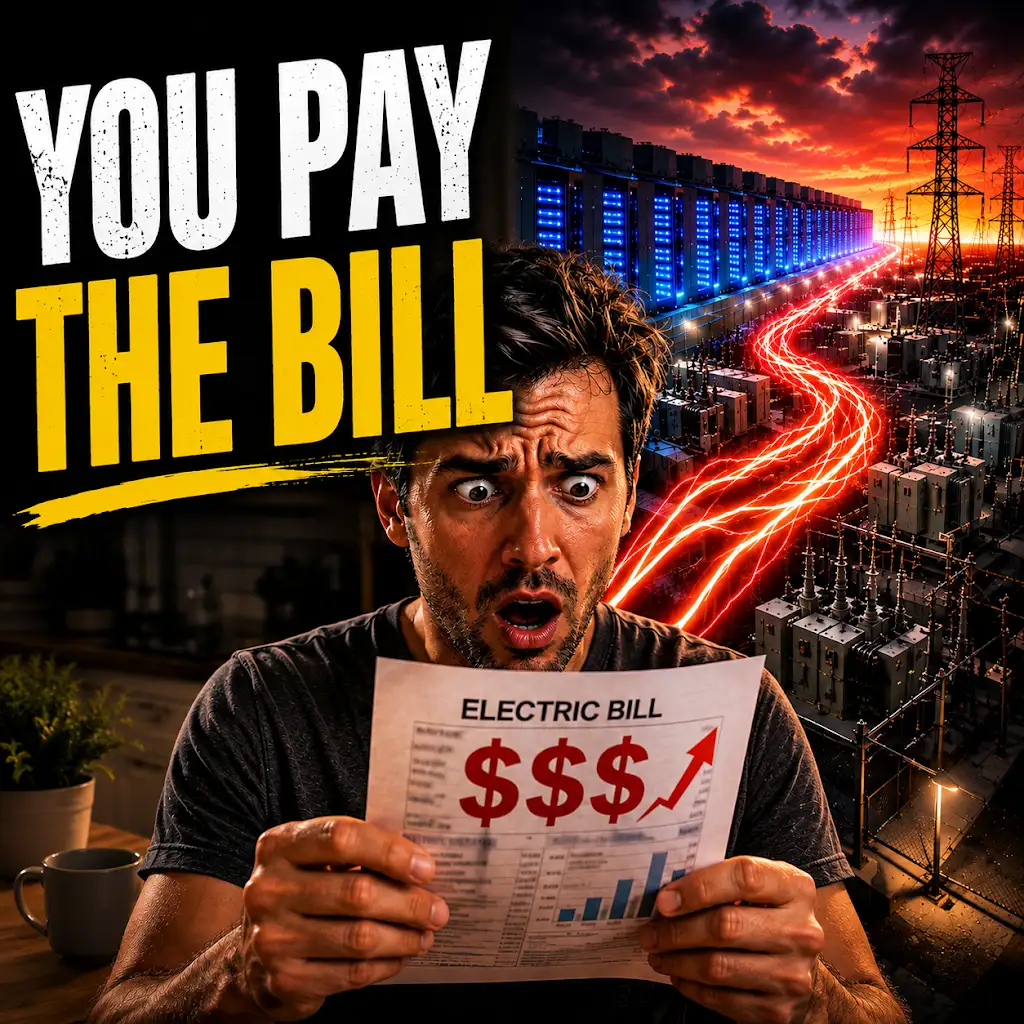
Is AI About to Make Your Electric Bill Even Higher?
FAQs
1. What is an AI data center?
An AI data center is a facility that houses computer systems and associated components for the purpose of collecting, storing, processing, and distributing large amounts of data for artificial intelligence (AI) applications.
2. Why is electricity consumption a concern for AI data centers?
AI data centers require significant amounts of electricity to power and cool the servers and other hardware used for processing and storing data. As a result, electricity consumption is a major operational cost and environmental concern for AI data centers.
3. Who pays for the electricity used by AI data centers?
The cost of electricity for AI data centers is typically paid for by the owner or operator of the data center. This cost is factored into the overall operational expenses of running the data center.
4. Are there any initiatives to reduce the electricity consumption of AI data centers?
Yes, there are various initiatives and technologies aimed at reducing the electricity consumption of AI data centers. These include the use of energy-efficient hardware, advanced cooling systems, and renewable energy sources.
5. What are the potential benefits of reducing electricity consumption in AI data centers?
Reducing electricity consumption in AI data centers can lead to cost savings for the operators, as well as environmental benefits by reducing the carbon footprint associated with the data center’s operations. Additionally, it can contribute to overall energy efficiency and sustainability efforts.