
So, you’ve decided to embark on the exciting journey of owning a manufactured home. That’s fantastic! It’s a smart, often more affordable, and incredibly versatile way to achieve homeownership. But before you can start unpacking those boxes and decorating your dream living space, you need to tackle a crucial question: where will it go? This isn’t just a logistical puzzle; it’s about finding a place that truly feels like home, a location that enhances your lifestyle, and a spot that offers the peace of mind and convenience you deserve.
Choosing the right location for your manufactured home is arguably one of the most significant decisions you’ll make throughout this process. It impacts everything from your daily commute and access to amenities to your property value and overall quality of life. Don’t rush this part. Take your time, do your research, and consider all the possibilities. This article will guide you through the essential considerations, helping you navigate the landscape and discover the perfect place to set down roots.
Understanding Your Options: Manufactured Home Placement Possibilities
The beauty of manufactured homes lies in their flexibility. Unlike traditional stick-built houses, which are intrinsically tied to a specific plot of land, manufactured homes offer a spectrum of placement options. Understanding these distinct pathways will help you narrow down your search and identify what best suits your needs and desires.
Owning Land and Placing Your Home
This is often the most coveted option, offering the ultimate freedom and control. If you have the resources and the desire for privacy, autonomy, and the ability to customize your surroundings, owning your land is a fantastic choice.
Rural or Semi-Rural Settings
- Embrace the Tranquility: Imagine waking up to the sounds of nature, enjoying expansive views, and having plenty of space for gardens, pets, or hobbies. Rural and semi-rural settings offer a serene escape from the hustle and bustle of urban life. You’ll likely find more affordable land in these areas, allowing for larger lots and greater privacy.
- Considerations for Rural Living: While idyllic, rural living comes with its own set of considerations. You’ll need to factor in the logistics of utilities (water, sewer/septic, electricity, internet). Access to essential services like grocery stores, healthcare facilities, and schools might require longer drives. You’ll also want to research local zoning laws and any potential restrictions on manufactured homes in unincorporated areas. Think about the accessibility of your chosen spot for delivery and installation of your home – can a large truck navigate the roads?
Suburban Plots
- The Best of Both Worlds: Suburban locations can offer a wonderful balance. You can find manufactured home-friendly lots within established communities, enjoying closer proximity to amenities while still having a decent amount of personal space. This option often provides a more straightforward path to utility hookups and easier access to services.
- Navigating Suburban Zoning: Suburban areas can have stricter zoning regulations regarding manufactured homes. It’s crucial to thoroughly research local ordinances before purchasing land. Some areas may have specific requirements for skirting, foundation types, or even prohibit manufactured homes altogether. Engaging with local planning departments or real estate agents experienced with manufactured homes is highly recommended.
Urban Infill Lots
- Maximizing City Living: For those who crave urban convenience, an infill lot within a city can be a unique opportunity. This typically involves placing a manufactured home on a smaller, often overlooked, parcel of land within an existing neighborhood. It offers the ultimate in walkability and access to cultural attractions, dining, and employment.
- Challenges and Rewards: Urban infill presents its own set of challenges. Land costs can be significantly higher. Zoning regulations are often complex and may have specific requirements for manufactured homes to blend in with surrounding architecture. Permitting processes can be more involved. However, the reward is being right in the heart of the action, with everything you need at your doorstep.
Manufactured Home Communities
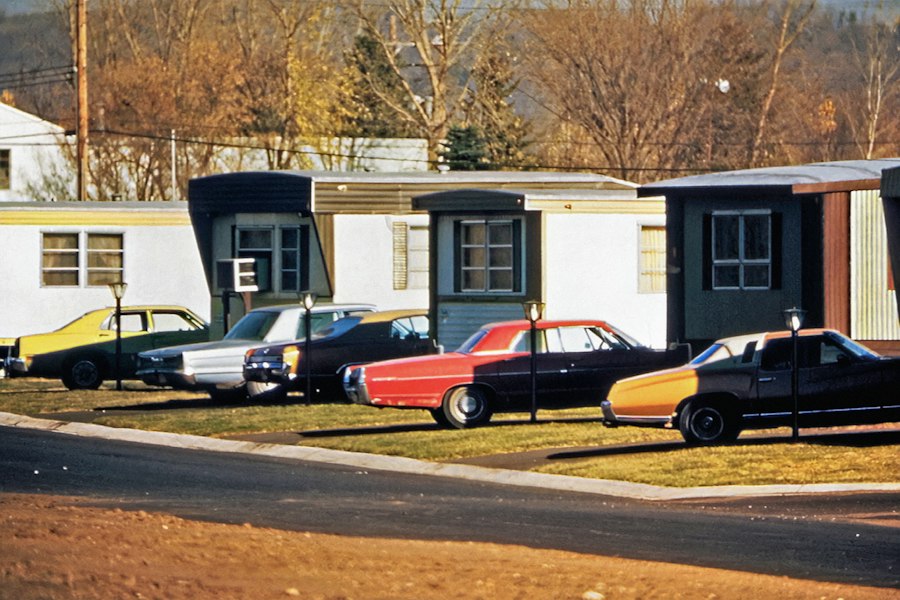
If owning your land isn’t feasible or desirable, manufactured home communities (often referred to as mobile home parks) offer a ready-made solution. These communities are designed specifically for manufactured homes and provide a structured living environment with built-in amenities and a sense of camaraderie.
Benefits of Community Living
- Turnkey Convenience: In a manufactured home community, the land is typically leased or rented. This means you don’t have the burden of land ownership, property taxes on the land itself, or the responsibility of maintaining the infrastructure. The community management often handles lawn care, snow removal, and common area upkeep.
- Access to Amenities: Many communities boast a wide range of amenities that you might not be able to afford on your own. This can include swimming pools, clubhouses, fitness centers, playgrounds, walking trails, and social event spaces. These amenities foster a vibrant and engaging living experience.
- Social Connection: Manufactured home communities are often tight-knit. You’ll find opportunities to connect with neighbors, participate in community events, and build lasting friendships. This can be particularly appealing for retirees or individuals seeking a sense of belonging.
- Simplified Utilities: Utilities are generally already established and managed within the community, making the setup process much smoother. You’ll have a clear understanding of your monthly costs for water, sewer, and trash.
Types of Manufactured Home Communities
- Age-Restricted Communities (55+): These communities are designed for individuals aged 55 and older, offering a quieter, more mature environment with amenities tailored to their interests, such as golf courses, organized activities, and serene common areas.
- Family-Friendly Communities: These communities cater to families of all ages, often featuring playgrounds, splash pads, sports courts, and spaces for children to play and interact.
- Pet-Friendly Communities: If you have furry companions, seek out communities that welcome pets, often with designated pet areas or walking trails.
- Affordable Housing Communities: Some communities are specifically designed to offer more budget-friendly living options, with lower lot rents and basic amenities.
What to Look For in a Community
- Lot Rent and Fees: Thoroughly understand the monthly lot rent and any additional fees (e.g., trash, sewer, amenities). Ask about any scheduled rent increases.
- Community Rules and Regulations: Familiarize yourself with the community’s rules regarding pets, landscaping, home modifications, and guest policies.
- Management and Maintenance: Assess the responsiveness and professionalism of the community management. What is their maintenance schedule like?
- Location and Proximity to Amenities: Even within a community, consider its proximity to shopping, healthcare, entertainment, and your workplace.
- Community Atmosphere: Visit the community at different times of the day and week to get a feel for the overall atmosphere and the residents.
If you’re considering placing a manufactured home, it’s essential to understand the various options available to you. For a comprehensive guide on this topic, you can refer to a related article that discusses the different locations and zoning regulations for manufactured homes. This resource can help you navigate the complexities of finding the perfect spot for your new home. To learn more, visit this article.
Site Assessment: Preparing Your Land for Your Manufactured Home
Once you’ve identified potential locations, the next critical step is a thorough site assessment. This process ensures that your chosen spot can safely and efficiently accommodate your manufactured home, considering everything from the ground beneath it to the connections that will bring it to life.
Foundation and Ground Stability
The foundation is the bedrock of your manufactured home’s stability. Ensuring the ground is properly prepared and a suitable foundation is in place is paramount.
Types of Foundations
- Concrete Slab: This is a common and robust foundation type, providing excellent stability and protection from the elements. It involves pouring a solid concrete slab directly onto the prepared ground.
- Pier and Beam Foundation: This system uses concrete piers or metal posts to elevate the home off the ground, creating a crawl space. It can be beneficial in areas with a high water table or uneven terrain.
- Concrete Footers: In some cases, especially with newer codes, concrete footers may be required, providing a stable base for the piers or blocks that support the home.
Soil Testing and Ground Preparation
- Understanding Your Soil: It’s wise to have a soil test performed, especially if you’re on private land. This will reveal the soil’s load-bearing capacity and any potential issues like expansive clay or poor drainage.
- Leveling and Grading: The land must be perfectly level and graded to ensure proper water runoff away from the foundation. This prevents moisture damage and structural issues.
- Compaction: The soil needs to be compacted to provide a stable base for the foundation. Improperly compacted soil can lead to settling and uneven support for your home.
Utility Hookups: The Lifeblood of Your Home
Your manufactured home is only as functional as its access to essential utilities. Planning for these connections is crucial, whether you’re on private land or in a community.
Water and Sewer/Septic Systems
- Municipal Water and Sewer: If your chosen location is connected to a municipal water and sewer system, the process is generally straightforward. You’ll need to coordinate with the local utility company for hookup.
- Well Water and Septic Systems: For rural or off-grid locations, you’ll need to install a private well for water and a septic system for waste. This involves significant upfront costs and ongoing maintenance. Research local regulations and contractors thoroughly.
- Holding Tanks: In some temporary or remote situations, a holding tank for wastewater might be an option, but this is generally not a long-term solution.
Electrical and Gas
- Power Supply: You’ll need a connection to the local electrical grid. This involves coordinating with the power company and ensuring your home’s electrical panel is compatible.
- Natural Gas or Propane: If your home uses natural gas for heating, cooking, or water heating, you’ll need to be connected to a natural gas line. If natural gas isn’t available, propane tanks will be necessary, requiring regular refilling.
- Underground vs. Overhead Lines: Consider the aesthetics and potential hazards of overhead utility lines versus the cleaner look and increased protection of underground installations.
Internet and Cable
- Connectivity is Key: In today’s world, reliable internet and cable access are essential. Research the availability of different providers in your chosen area.
- Satellite and Fixed Wireless: If traditional cable or fiber optic isn’t available, satellite internet or fixed wireless options might be viable, though they can sometimes have limitations in speed or data caps.
Access and Installation Requirements
The physical access to your building site is a practical consideration that can significantly impact the ease and cost of getting your home installed.
Road Access and Turnarounds
- Deliverability: Can a large transport truck carrying your manufactured home navigate the roads leading to your site? This includes considering road width, overhead clearances (trees, power lines), and sharp turns.
- Turnaround Space: The delivery crew will need adequate space to maneuver the home into its final position. Insufficient turnaround space can lead to costly delays or even the inability to place the home.
- Permits for Road Closures: If temporary road closures are necessary for delivery, you’ll need to obtain the appropriate permits from local authorities.
Crane Access and Clearance
- Heavy Lifting: Depending on the size and configuration of your manufactured home, a crane might be required to lift and place sections of the home onto its foundation.
- Crane Accessibility: Ensure that a crane can safely access your building site. This means considering the terrain, overhead obstructions, and the overall stability of the ground for the crane’s outriggers.
- Clearance Zones: There will be safety zones required around the crane during operation. Make sure there are no buildings, trees, or other obstructions within these zones.
Zoning Laws and Building Codes: Navigating the Regulations
This is perhaps the most critical aspect of ensuring your manufactured home is legally placed and meets safety standards. Understanding and adhering to local zoning ordinances and building codes is non-negotiable.
Understanding Local Ordinances
- Permitted Uses: Zoning laws dictate what types of structures are permitted in specific areas. You need to confirm that manufactured homes are allowed in your chosen location.
- Setbacks and Lot Size: Zoning ordinances often specify minimum setbacks from property lines, roads, and other structures, as well as minimum lot sizes required for single-family dwellings, including manufactured homes.
- Aesthetic Requirements: Some jurisdictions have aesthetic requirements to ensure manufactured homes blend in with the surrounding neighborhood. This could include specifications for skirting, roofing materials, or exterior finishes.
- Occupancy Permits: Once your home is installed, you will likely need to obtain an occupancy permit from the local building department, confirming that it meets all safety and code requirements.
Manufactured Home Specific Codes
- HUD Code: Most manufactured homes built in the United States are constructed to the Federal Manufactured Home Construction and Safety Standards, often referred to as the HUD Code. This code is a national standard.
- Local Amendments and Interpretations: While the HUD Code is federal, local building departments may have amendments or specific interpretations that apply to the installation and anchoring of manufactured homes within their jurisdiction.
- Foundation and Anchoring Requirements: Codes will detail specific requirements for the foundation, including the type of foundation, materials, and how the home must be anchored to the foundation to withstand wind and seismic forces.
- Skirting and Insulation: Many codes mandate skirting around the base of the home for protection and insulation. There may also be requirements for vapor barriers and insulation levels.
Working with Local Authorities
- Building Department Engagement: It’s essential to build a good relationship with your local building department. Visit them early in the process, present your plans, and ask questions.
- Permitting Process: Understand the entire permitting process, including application fees, required documentation, and inspection schedules.
- Inspections: Be prepared for multiple inspections throughout the installation process. These are designed to ensure the work is done correctly and safely. Don’t skip or rush inspections, as this can lead to costly rework and delays.
Environmental Considerations: Living in Harmony with Your Surroundings
Beyond the practicalities of placement, considering the environmental factors of your chosen location will contribute to a more sustainable and enjoyable living experience.
Drainage and Water Management
- Preventing Flooding: Assess the natural drainage patterns of your site. Avoid low-lying areas prone to flooding. Ensure proper grading and consider installing drainage systems if necessary.
- Water Table: If you’re on private land and considering a well, understand the depth of the water table. In areas with a high water table, a pier and beam foundation might be more appropriate than a slab.
- Stormwater Runoff: Be mindful of how your property’s drainage affects neighboring properties. Responsible stormwater management is crucial.
Natural Hazards and Protection
- Wind Loads: In hurricane-prone areas, specific anchoring and foundation requirements are critical to withstand high winds. Consult with experts and ensure your home meets or exceeds local wind load requirements.
- Seismic Activity: In earthquake-prone regions, proper anchoring and bracing are essential for structural integrity.
- Flood Zones: Thoroughly research flood zone maps for your area. If you are in a flood-prone zone, you may face stricter building requirements and higher insurance premiums.
- Fire Risk: Consider the proximity of your home to flammable vegetation or other fire hazards. Maintain defensible space around your home if you are in a wildfire-prone area.
Sunlight, Shade, and Landscaping
- Passive Solar Gain: Consider the path of the sun throughout the day and year. Positioning your home to take advantage of passive solar gain in winter can reduce heating costs, while strategic shading can keep it cooler in summer.
- Tree Placement: Mature trees can provide valuable shade and windbreaks, but they also pose risks if they are too close to the home, especially in high winds or during storms.
- Landscaping for Sustainability: Choose native plants that require less water and maintenance. Consider permeable landscaping materials that allow water to seep into the ground, reducing runoff.
When considering where to place a manufactured home, it’s essential to explore various options that align with your lifestyle and preferences. Factors such as zoning regulations, land availability, and community amenities can significantly influence your decision. For a deeper understanding of the financial aspects involved in home placement, you may find this related article helpful. It provides insights into budgeting and investment strategies that can enhance your homeownership experience. To read more, visit this informative resource.
The Final Decision: Making Your Choice with Confidence
After carefully considering all the factors, it’s time to make the decision that will shape your future home. Trust your research, listen to your gut, and don’t be afraid to ask for help.
Weighing Your Priorities
- Lifestyle Needs: Are you seeking peace and quiet, or do you crave urban accessibility? Do you need space for a large family, or are you an empty nester looking for a cozy retreat?
- Budgetary Constraints: Land ownership, lot rent, utility hookups, and potential upgrades all factor into the overall cost. Be realistic about what you can afford.
- Long-Term Goals: Are you looking for an investment property, a place to retire, or a starter home? Your long-term vision should influence your location choice.
Seeking Professional Guidance
- Manufactured Home Retailers: Reputable retailers are invaluable resources. They can guide you through the process of selecting a home and can often connect you with experienced installers and contractors familiar with local regulations.
- Real Estate Agents: If you’re buying land, a real estate agent experienced with manufactured homes can be a great asset, helping you find suitable properties and navigate the legalities.
- Building Inspectors and Contractors: For site preparation, foundation work, and utility hookups, always engage licensed and insured professionals.
- Local Planning and Building Departments: As mentioned, these departments are crucial for understanding regulations and obtaining necessary permits.
Trusting Your Instincts
Ultimately, the perfect location is one that resonates with you. It’s a place where you can envision yourself living comfortably, happily, and securely. While practicality and regulations are essential, don’t discount the feeling you get when you stand on a piece of land or walk through a community. Does it feel right? Does it feel like home?
Choosing where to place your manufactured home is an exciting and important undertaking. By approaching it systematically, doing your homework, and seeking the right guidance, you can confidently find that perfect spot, transforming your manufactured home into the sanctuary you’ve always dreamed of. Congratulations on taking this significant step toward a fulfilling homeownership journey!

The $80,000 House You’re Not Allowed to Put Anywhere
FAQs
1. Can you put a manufactured home on any piece of land?
No, not all pieces of land are suitable for placing a manufactured home. Zoning laws, land use regulations, and homeowner association rules may restrict where you can place a manufactured home.
2. Where are some common places to put a manufactured home?
Common places to put a manufactured home include designated manufactured home parks, private land where zoning laws allow for manufactured homes, and rural areas with fewer restrictions on housing types.
3. What should I consider before placing a manufactured home on a piece of land?
Before placing a manufactured home on a piece of land, consider factors such as zoning regulations, utility connections, foundation requirements, access to roads, and proximity to amenities like schools, stores, and healthcare facilities.
4. Do I need a permit to put a manufactured home on a piece of land?
Yes, in most cases, you will need a permit to place a manufactured home on a piece of land. The specific requirements for permits vary by location, so it’s important to check with local authorities before moving forward with placing a manufactured home.
5. Are there any restrictions on where I can put a manufactured home?
Yes, there may be restrictions on where you can place a manufactured home, such as zoning laws, land use regulations, and homeowner association rules. It’s important to research and understand these restrictions before deciding where to put a manufactured home.