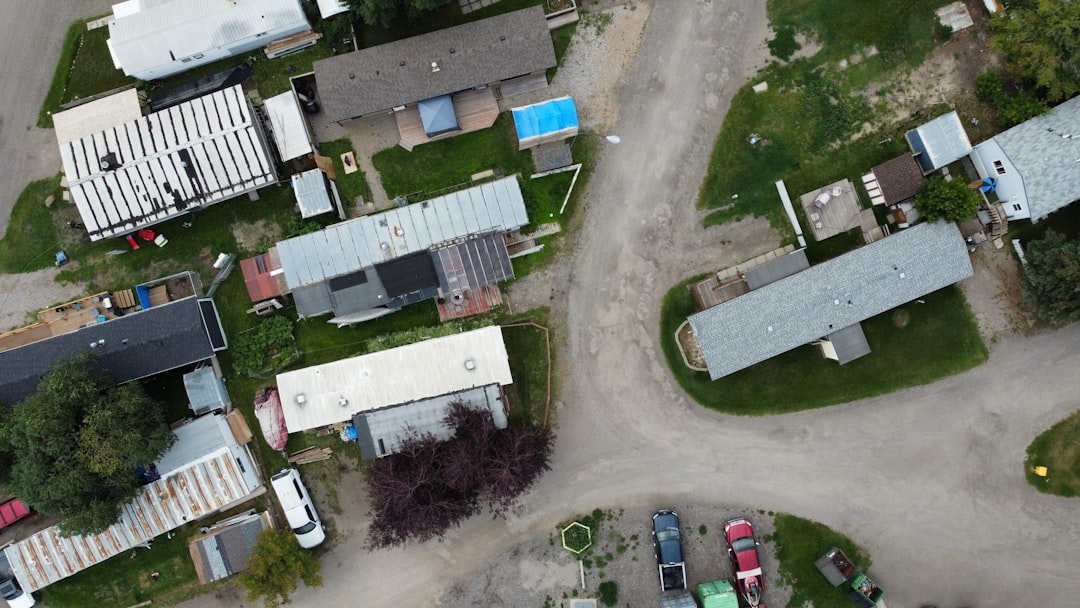
You’re likely familiar with the glitz and glamour often associated with Wall Street: towering skyscrapers, fast-paced trading floors, and portfolios brimming with tech stocks and blue-chip companies. Yet, beneath this polished veneer, a quiet and surprisingly lucrative fascination has taken root. You might be surprised to learn that some of Wall Street’s most astute investors have developed a profound affection for an asset class that, at first glance, seems worlds away from their usual stomping grounds: mobile home parks. This isn’t a fleeting trend; it’s a strategic allocation of capital, a calculated bet on a sector that consistently delivers steady returns.
You might picture mobile home parks as humble enclaves, far from the perceived prestige of traditional real estate. However, these communities represent a vital and often overlooked segment of the housing market, particularly for those seeking affordability. As the cost of traditional housing continues its relentless climb, creating a chasm for many aspiring homeowners and renters, the demand for manufactured housing, and by extension, the parks that host them, has surged.
The Shifting Housing Landscape
Consider the current state of housing. For countless individuals and families, the dream of homeownership feels increasingly distant. Rising interest rates, coupled with escalating property values in urban and suburban centers, have pushed starter homes out of reach for a significant portion of the population. This squeeze forces many to seek alternative housing solutions, and this is where mobile home parks step into the spotlight. They offer a tangible pathway to a more stable and affordable living situation, a crucial stepping stone in their financial journey. You are witnessing a fundamental realignment of housing needs, and mobile home parks are positioned to meet a growing demand.
Affordability as a Driving Force
The core appeal of mobile home parks lies in their inherent affordability. Lot rents are significantly lower than mortgages or traditional apartment rents. This economic advantage makes them an attractive proposition for a broad demographic, from young families just starting out to retirees looking to downsize and preserve their savings. You can see how this fundamental economic principle acts as a powerful gravitational pull, drawing residents to these communities. The accessibility offered by mobile home parks is not a niche market; it’s a mainstream necessity.
The “For Sale” vs. “For Rent” Dynamic
A critical distinction to understand is the ownership model within a mobile home park. Typically, residents own their manufactured homes outright but rent the land on which these homes are situated. This “lot rent” model is the primary revenue stream for park owners. It creates a predictable and consistent income, unlike traditional rental properties where vacancies can create significant revenue gaps. You are essentially investing in the ongoing demand for land in strategically located communities where people can place their homes. This dual ownership structure is a key ingredient in the investment appeal.
Wall Street’s growing interest in mobile home parks can be attributed to their stability and potential for high returns, making them an attractive investment option. Investors are drawn to the consistent demand for affordable housing, especially in urban areas where traditional housing prices are soaring. For a deeper understanding of this trend and its implications for investors, you can read more in the article found at this link.
The Mechanics of Profitability for Investors
Wall Street’s interest isn’t merely philanthropic; it’s driven by a well-oiled machine of financial strategy and profit generation. The investment in mobile home parks follows established real estate investment principles, but with unique opportunities for value creation and sustained income.
Lot Rent: The Predictable Cash Flow Engine
As mentioned, lot rent is the bedrock of revenue for mobile home park owners. This recurring income stream is remarkably stable, as residents are unlikely to uproot their homes frequently due to the significant moving costs and logistical challenges involved. This provides investors with a reliable and predictable cash flow, a highly desirable characteristic in their portfolio. Think of it as a steady paycheck, delivered month after month, with a low churn rate. You are investing in a business model that prioritizes consistent income generation.
Value Addition Through Operational Improvements
Beyond simply collecting rent, sophisticated investors identify opportunities to enhance the value of these parks. These improvements can range from cosmetic upgrades to the community’s common areas, such as landscaping and road maintenance, to more substantial investments like upgrading utilities or adding amenities like playgrounds or community centers. These enhancements not only improve the quality of life for residents but also justify modest rent increases over time, further bolstering the investment’s profitability. You are not just buying land; you are investing in the potential for growth and enhancement. This proactive management approach is a hallmark of successful real estate investing.
Expansion and Acquisition Strategies
The mobile home park sector is fragmented, presenting numerous opportunities for consolidation and growth. Large institutional investors often acquire multiple smaller parks, creating economies of scale in management, marketing, and procurement. They may also identify undervalued parks that, with strategic investment and improved management, can be transformed into significantly more profitable assets. This “buy and improve” or “buy and scale” strategy is a common playbook on Wall Street. You are witnessing the strategic application of capital to aggregate assets and unlock latent value.
The “Double Dip” Revenue Stream
In some cases, investors can realize an additional revenue stream by owning both the manufactured homes and the land. This “double dip” allows them to profit from both the lot rent and the annual payments on the homes themselves. While this requires a higher initial capital outlay, it can significantly amplify returns. This layered approach to revenue generation is another aspect that attracts sophisticated investors. You have the opportunity to capture value from multiple points within the ecosystem of the park.
Demographics and Demand: A Growing Reservoir of Residents

The underlying demographic trends strongly support the long-term viability and growth of the mobile home park sector. It’s not just about current demand; it’s about a fundamental demographic shift that ensures a steady influx of potential residents.
The Aging Population and Retirement Needs
A significant portion of the population is entering or is already in their retirement years. For many retirees, a fixed income makes expensive housing unsustainable. Mobile home parks offer a cost-effective solution that allows them to maintain a sense of independence and community without the burden of high housing costs. The stability and affordability provided by these communities are invaluable for this demographic. You are seeing how a major societal trend directly fuels demand for this asset class.
The Millennial and Gen Z Housing Gap
Younger generations, millennials and Gen Z, are facing unprecedented challenges in entering the housing market. Student loan debt, stagnant wage growth relative to housing inflation, and the high cost of down payments have made traditional homeownership a distant dream. Mobile home parks offer a realistic and attainable entry point into housing for these demographics, allowing them to build equity and establish a stable living situation. You are observing how a generational housing crisis creates a captive audience for affordable housing solutions.
The “Missing Middle” Housing Crisis
Beyond specific age groups, there is a broader “missing middle” housing crisis, affecting individuals and families who earn too much for subsidized housing but too little for market-rate conventional housing. Mobile home parks effectively serve this crucial segment of the population, providing essential housing options that are otherwise unavailable. You are addressing the fundamental need for accessible housing across a wide spectrum of income levels. This highlights the essential role these communities play in the broader societal fabric.
Risk Mitigation and Investment Resilience

While no investment is entirely without risk, mobile home parks possess several inherent characteristics that contribute to their resilience, particularly during economic downturns.
Essential Service Status
Unlike discretionary purchases, housing is a fundamental human need. Even during economic contractions, people need a place to live. This essential nature of housing provides a degree of demand inelasticity, meaning that demand for housing, especially affordable housing, tends to remain relatively stable, even when other sectors of the economy falter. You are investing in a sector that addresses a basic necessity, insulating it from some of the wilder market fluctuations. This provides a bedrock of stability.
Lower Sensitivity to Interest Rate Hikes
While rising interest rates can significantly impact the affordability of purchasing traditional homes and commercial properties, their impact on mobile home park lot rents is generally less pronounced. Residents who own their homes are less directly exposed to fluctuating mortgage rates, and while financing for purchasing new manufactured homes may become more expensive, the core revenue from lot rentals remains largely insulated. You can see how this insulation from a key economic lever contributes to the sector’s stability.
The Affordability Hedge
During periods of inflation and economic uncertainty, the affordability of mobile home parks becomes an even more attractive proposition. As the cost of living rises, the cost-effectiveness of lot rents compared to other housing options becomes more pronounced, potentially leading to increased demand and a stronger position for park owners to maintain or even slightly increase rents. You are essentially investing in a product that becomes more desirable as the economy becomes more challenging for others. This “contrarian” appeal is a significant factor for sophisticated investors.
Geographical Diversification
Mobile home parks are located across a wide geographical spectrum, from rural areas to the fringes of urban centers. This inherent diversification across different regions and local economic conditions can help mitigate risks associated with localized economic downturns or natural disasters. You are not putting all your eggs in one basket; you are spreading your investment across a widely distributed asset class. This geographical spread acts as a natural risk diffuser.
Wall Street’s growing affection for mobile home parks can be attributed to their stable cash flow and lower operating costs compared to traditional real estate investments. Investors are increasingly recognizing the potential for long-term returns in this niche market, as mobile home parks often provide affordable housing solutions in an era of rising living costs. For a deeper understanding of this trend, you can explore a related article that delves into the financial advantages and investment strategies associated with mobile home parks by visiting this link.
The Future Outlook: Continued Growth and Institutionalization
| Metric | Description | Value/Example |
|---|---|---|
| Occupancy Rate | Percentage of occupied mobile home lots | 95% – 98% |
| Capitalization Rate (Cap Rate) | Annual return on investment based on net operating income | 6% – 8% |
| Tenant Stability | Long-term residency due to home ownership | Average stay of 10+ years |
| Maintenance Costs | Lower costs compared to traditional multifamily properties | Approximately 30% less |
| Cash Flow | Consistent monthly income from lot rents | High and stable |
| Market Demand | Growing need for affordable housing options | Increasing year-over-year |
| Regulatory Environment | Favorable zoning and rent control conditions in many areas | Varies by region |
| Barriers to Entry | Limited availability of mobile home parks for sale | High competition among investors |
The trend of Wall Street’s embrace of mobile home parks is not likely to wane. Several factors suggest continued growth and increasing institutional involvement in the sector.
Increasing Institutional Capital Flows
As the sector’s profitability and stability become more widely recognized, larger institutional investors, including pension funds, sovereign wealth funds, and private equity firms, are allocating significant capital to mobile home parks. This influx of institutional money drives professionalism, economies of scale, and further market development. You are observing the maturation of an asset class as it attracts larger, more sophisticated players. This is a strong indicator of sustained appeal.
Innovation in Manufactured Housing
The manufactured housing industry itself is undergoing innovation, with advancements in design, construction quality, and sustainability. These improvements are enhancing the perception and desirability of manufactured homes, further boosting the appeal of the parks where they are located. You are witnessing not just an investment in land, but an investment in a evolving housing solution that is becoming increasingly modern and appealing.
The Ongoing Housing Affordability Imperative
The fundamental driver of demand – the persistent and growing need for affordable housing – is unlikely to disappear. As long as the gap between incomes and housing costs remains wide, mobile home parks will continue to play a critical role in providing accessible housing options. This demographic and economic imperative provides a long-term runway for the sector’s growth. You are investing in a solution that addresses an enduring societal need, ensuring its relevance for the foreseeable future.
Potential for Further Consolidation and Scale
The fragmented nature of the market still presents opportunities for further consolidation. As larger players acquire more assets, they create more efficient operations and potentially unlock further value. This ongoing process of aggregation and optimization means that the sector is likely to become even more professionalized and attractive to institutional investors. You are witnessing the evolution of an industry, moving towards greater efficiency and larger-scale operations, which typically leads to improved returns.
FAQs
What are mobile home parks?
Mobile home parks are residential communities where individuals own or rent mobile homes, which are prefabricated housing units that can be moved to different locations. These parks typically provide shared amenities and infrastructure such as roads, utilities, and common areas.
Why are mobile home parks attractive to Wall Street investors?
Wall Street investors find mobile home parks attractive because they offer stable cash flow, lower operating costs compared to other real estate types, and high demand for affordable housing. These factors contribute to consistent rental income and potential for long-term appreciation.
How do mobile home parks provide affordable housing?
Mobile home parks provide affordable housing by offering lower-cost living options compared to traditional single-family homes or apartments. Residents often own their mobile homes but rent the land, which reduces overall housing expenses and makes homeownership more accessible.
What risks are associated with investing in mobile home parks?
Risks include regulatory changes, community opposition, maintenance challenges, and potential tenant turnover. Additionally, the quality and age of mobile homes can impact property values and rental income, requiring careful management and investment.
How has the demand for mobile home parks changed in recent years?
Demand for mobile home parks has increased due to rising housing costs and a growing need for affordable living options. Economic factors and demographic trends have made mobile home parks a popular choice for both residents seeking affordable housing and investors looking for stable returns.