You’re standing at the precipice of an AI revolution, a transformation so profound it’s reshaping industries, economies, and even how you interact with the world. At the heart of this revolution lies a quiet, yet utterly critical infrastructure: the data center. And within that data center, the pulsating lifeline of your AI ambitions is the electrical grid. You’re likely thinking about algorithms, massive datasets, and cutting-edge hardware, but neglecting the grid is akin to building a skyscraper on a foundation of sand. If you want your AI data centers to truly soar, you must upgrade your grid.
This isn’t a minor tweak; it’s a fundamental overhaul. The insatiable appetite of AI workloads for power is unlike anything we’ve seen before. Traditional power grids, designed for a more predictable, less energy-intensive era, are buckling under the strain. For you, as a builder, operator, or investor in AI, understanding and proactively addressing this grid challenge is paramount to your success. It’s about ensuring your AI can perform, scale, and remain sustainable.
This article will guide you through the critical reasons why grid upgrades are non-negotiable for efficient AI data centers, explore the key areas of focus for these upgrades, and discuss the innovative solutions and strategies you can employ to build a resilient and powerful future.
You might visualize AI as lines of code and intricate neural networks. But beneath the digital surface lies a voracious physical demand. AI models, especially those powering generative AI and complex simulations, require immense computational power. This computation translates directly into an insatiable thirst for electricity.
The Exponential Growth of AI Workloads
Consider the trajectory of AI. What was once a niche academic pursuit is now a mainstream driver of innovation. Every new, more sophisticated AI model, every larger dataset you feed it, every training run you initiate – it all escalates power consumption. You’re not just training a model; you’re powering vast clusters of GPUs and specialized AI accelerators that operate at peak capacity for extended periods. This isn’t a fleeting surge; it’s a sustained, high-intensity demand that your existing grid infrastructure likely wasn’t designed to handle.
GPUs: The Power-Hungry Brains of AI
You know the power of Graphics Processing Units (GPUs). They’ve revolutionized parallel processing, making them indispensable for AI training and inference. But with that power comes a significant energy cost. A single high-end GPU can consume hundreds of watts, and when you’re talking about thousands or tens of thousands of these chips working in unison within your data center, the numbers become staggering. You’re essentially building a miniature city powered by these processors, and the grid is the single source of energy for it all.
Specialized AI Accelerators: Even More Intense Demands
Beyond GPUs, you’re increasingly seeing the rise of specialized AI accelerators – ASICs and FPGAs designed for even greater efficiency and speed in specific AI tasks. While these might offer performance advantages, they often come with even higher power densities, meaning they cram more computational power and, consequently, more heat and energy consumption into smaller footprints. Your grid needs to be prepared for these concentrated power loads.
The Impact of Data Center Scale and Density
Your ambitions likely involve scaling your AI capabilities. This means building larger data centers, or cramming more compute into existing facilities. This increase in scale and density directly amplifies the grid’s burden. You’re not just adding a few more servers; you’re talking about an order of magnitude increase in power requirements.
High-Density Racks: Packing More Power into Less Space
Modern AI data centers are moving towards high-density computing racks. These racks can house a significant number of powerful processors, leading to substantial power draw in a relatively small physical area. Your electrical distribution systems within the data center, and crucially, the connection to the external grid, must be able to support these localized, high-demand points.
The Need for Uninterrupted Power: AI Cannot Afford Downtime
AI workloads are often time-sensitive and mission-critical. An interruption in power, even for a few milliseconds, can disrupt complex training processes, lead to data corruption, or bring valuable AI-driven services to a halt. This means your grid connection needs to be not just powerful, but also exceptionally reliable and resilient. You can’t afford for your AI’s brain to go dark.
As the demand for artificial intelligence continues to surge, the need for significant upgrades to our electrical grid becomes increasingly critical. A recent article discusses the essential infrastructure improvements required to support the energy-intensive operations of AI data centers, highlighting the challenges and solutions that lie ahead. For more insights on this topic, you can read the full article here: Grid Upgrades Needed for AI Data Centers.
The Grid’s Current Limitations: A Bottleneck for Your Ambitions
You might assume the grid is a monolithic entity, capable of delivering whatever power you need. However, the reality is more nuanced. Decades of underinvestment, evolving energy sources, and the sheer scale of modern demand have left many parts of the grid unprepared for the unique challenges posed by AI data centers.
Aging Infrastructure and Outdated Standards
Much of the world’s electrical grid infrastructure is aging. Transformers, substations, and transmission lines designed decades ago were not built to handle the consistently high and fluctuating power demands of large-scale data centers. You’re trying to plug a supercomputer into a system designed for a smaller appliance.
Transmission Congestion: The Highway is Packed
The pathways that deliver electricity from power generation sources to your data center can become congested. If the transmission lines connecting to your chosen location are already operating at or near capacity, you’ll face significant delays and potentially exorbitant costs in securing the necessary power. You might find the “on-ramp” to the electrical highway is already full.
Distribution Network Weaknesses: The Local Roads are Crumbling
Even if you can secure a connection to the main transmission network, the local distribution networks that bring power directly to your facility can be a weak point. These networks are often designed for less intense, more dispersed loads. A massive, concentrated draw from your AI data center can strain these local lines, leading to voltage drops and instability.
The Challenge of Intermittency and Renewable Integration
The global push towards renewable energy sources like solar and wind is commendable, but it introduces a new layer of complexity for grid stability. These sources are inherently intermittent; the sun doesn’t always shine, and the wind doesn’t always blow.
Balancing Supply and Demand: A Constant Juggling Act
The grid operator’s primary job is to balance electricity supply with demand in real-time. Integrating large amounts of variable renewable energy makes this balancing act significantly more challenging. Your AI data center’s high and consistent power draw can be difficult to accommodate when the grid is relying on fluctuating sources. You need a grid that can provide stable, predictable power, regardless of the weather.
Grid Stability and Frequency Fluctuations
Sudden changes in power generation from renewables can lead to fluctuations in grid frequency. These fluctuations, if not managed effectively, can impact the sensitive electronics within your AI data center, potentially causing disruptions and damage. You need a grid that offers a consistent, stable “hum,” not one that lurches and stalls.
Regulatory and Permitting Hurdles
Securing the necessary power for a large-scale AI data center often involves navigating a complex web of regulations and permitting processes. This can be a time-consuming and frustrating experience.
Long Lead Times for Grid Upgrades: The Bureaucratic Snail Race
Utilities and grid operators often require significant lead times to plan, approve, and implement the necessary grid upgrades. These can range from months to years, potentially delaying your AI project launch significantly. You need to factor these timelines into your project planning from the very beginning.
Environmental Impact Assessments and Community Concerns
Grid expansion and upgrades can also be subject to environmental impact assessments and can raise concerns within local communities. You’ll need to work collaboratively with stakeholders to address these issues and ensure responsible development.
Key Areas for Grid Upgrades: Building a Robust Foundation
Recognizing these limitations, you must focus on specific areas when planning your grid upgrade strategy. These are not isolated improvements; they are interconnected components of a larger, more resilient system.
Strengthening the Transmission and Distribution Network
The most immediate and perhaps most critical upgrade lies in reinforcing the very arteries that deliver power to your facility. This involves a comprehensive assessment of your current connection and the planned expansion or reinforcement of those pathways.
Expanding Substation Capacity: The Power Exchange Hubs
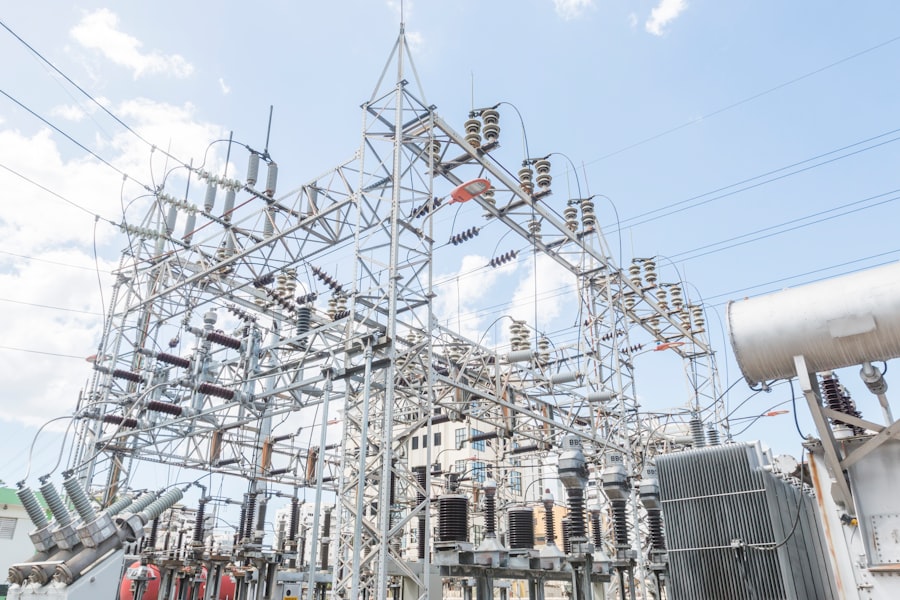
Substations are the critical nodes where electricity is transformed to different voltage levels for transmission and distribution. You’ll likely need to ensure that the substations serving your location have sufficient capacity to handle the increased load from your AI data center. This might involve installing new transformers or upgrading existing ones.
Upgrading Transmission Lines: The High-Capacity Highways
If your data center requires a significant increase in power, you may need to advocate for or directly invest in the upgrade of existing transmission lines or the construction of new ones. This is often a collaborative effort with utility providers. The goal is to ensure these lines can carry the necessary wattage without overheating or experiencing voltage drops.
Enhancing Distribution Infrastructure: The Local Delivery Network
Once power reaches your immediate vicinity, the local distribution network needs to be robust. This includes upgrading underground or overhead cables, installing newer, higher-capacity switchgear, and ensuring protective relays are properly configured to handle the data center’s power demands.
Implementing Smart Grid Technologies: The Intelligent Grid
The concept of a “smart grid” is no longer a futuristic ideal; it’s a present necessity for modern data centers. This involves leveraging technology to create a more dynamic, responsive, and efficient power system.
Real-time Monitoring and Control: Knowing What’s Happening
Smart grids incorporate sensors and communication systems that provide real-time data on power flow, voltage levels, and equipment status. This allows for proactive identification of potential issues and enables remote adjustments to optimize power delivery and prevent outages. You can see, in real-time, how your data center’s power is being managed.
Demand Response Capabilities: Flexible Power Management
Smart grids enable sophisticated demand-response programs. This means your data center can communicate with the grid to adjust its power consumption during peak demand periods, thereby reducing strain on the system and potentially earning incentives. This is crucial for integrating renewables and managing overall grid stability.
Predictive Maintenance: Fixing Problems Before They Happen
By analyzing data from sensors, smart grid technologies can predict potential equipment failures before they occur. This allows for scheduled maintenance and repairs, minimizing unexpected downtime and ensuring the continuous operation of your AI infrastructure.
Integrating Energy Storage Solutions: The Buffer for Stability
One of the most significant challenges with renewable energy is its intermittency. Energy storage solutions act as a vital buffer, storing excess energy when it’s abundant and releasing it when demand is high or generation is low.
Battery Energy Storage Systems (BESS): The Power Reserves
Large-scale battery storage systems are becoming increasingly vital. They can store electricity generated from renewables and discharge it to your data center when needed, providing a stable and reliable power source. They can also act as a critical backup during grid outages, giving your systems time to safely shut down or transition to alternate power.
Thermal Energy Storage: Leveraging Heat and Cold
Beyond electrical storage, consider thermal energy storage. This can involve storing heated or cooled water to regulate data center temperatures, reducing the load on direct electrical cooling systems and contributing to overall energy efficiency.
Embracing Renewable Energy Sources: Sustainable Power for AI
While grid upgrades are about ensuring reliable power delivery, the source of that power is increasingly important for both sustainability and long-term cost-effectiveness.
Power Purchase Agreements (PPAs): Securing Green Energy
You can secure large amounts of renewable energy through Power Purchase Agreements (PPAs) with solar or wind farm developers. This provides your AI data center with a predictable supply of clean energy and can offer price stability.
On-site Renewable Generation: Taking Control of Your Power
Depending on your location and available space, you might consider on-site renewable energy generation, such as rooftop solar panels. This can supplement your grid power and reduce your reliance on external sources.
Microgrids and Distributed Energy Resources (DERs): Localized Power Independence
Consider exploring microgrids or integrating Distributed Energy Resources (DERs). A microgrid can operate independently of the main grid during an outage, powered by local generation and storage. DERs, such as combined heat and power (CHP) units or fuel cells, can provide localized, resilient power.
Innovative Solutions and Strategic Partnerships: Your Path Forward
Upgrading your grid isn’t a solo endeavor. It requires foresight, innovation, and strategic collaboration. The solutions are evolving rapidly, and embracing these advancements will set you apart.
Advanced Cooling Technologies: Reducing the Power Demand Footprint
While not a direct grid upgrade, efficient cooling is inextricably linked to power consumption. Reducing the energy needed to cool your AI hardware directly lowers the overall demand on the grid.
Liquid Cooling: Dissipating Heat Effectively
As AI processors generate more heat, traditional air cooling methods become less efficient. Liquid cooling solutions, such as direct-to-chip cooling or immersion cooling, can dissipate heat far more effectively, leading to significant energy savings and allowing for higher compute densities.
AI-Optimized Cooling Systems: Smarter Temperature Management
You can leverage AI itself to optimize your data center’s cooling systems. AI algorithms can predict heat loads, adjust fan speeds, and manage cooling resources dynamically, ensuring optimal temperatures with minimal energy expenditure.
Collaboration with Utility Providers: A Symbiotic Relationship
Your relationship with your local utility provider is no longer a transactional one; it’s a partnership. Open communication and collaboration are essential for successful grid integration.
Joint Planning and Forecasting: Sharing the Vision
Engage with your utility provider early in your planning process. Share your projected power needs and timelines. This allows them to incorporate your requirements into their long-term grid development plans and avoid surprises.
Innovative Tariff Structures: Incentivizing Efficiency
Work with utilities to explore innovative tariff structures that incentivize efficient power usage, demand response, and the adoption of renewable energy. These can include time-of-use rates or demand charges that encourage off-peak consumption.
Leveraging AI for Grid Management: The Future of Power
The same AI you’re deploying in your data centers can also play a role in optimizing the grid itself.
Grid Load Forecasting and Optimization: Predicting Demand
AI can be used to forecast grid load with greater accuracy, helping utility operators to better manage power generation and distribution. This can lead to more efficient use of resources and reduced energy waste.
Anomaly Detection and Fault Prediction: Proactive Grid Maintenance
AI algorithms can analyze vast amounts of grid data to detect anomalies and predict potential faults, enabling proactive maintenance and preventing widespread outages. This benefits not only your data center but the entire grid.
Sustainable Energy Sourcing Strategies: Beyond the Grid
While grid upgrades are essential, you should also explore strategies that reduce your overall reliance on the grid for a portion of your energy needs.
Hydrogen Fuel Cells: A Clean Energy Alternative
Emerging technologies like hydrogen fuel cells offer a promising pathway for clean, reliable power generation. As the hydrogen economy develops, this could become a significant option for powering AI data centers, especially in off-grid or backup scenarios.
Waste Heat Recovery: Turning Waste into Value
Data centers generate a significant amount of waste heat. Implementing systems to capture and repurpose this heat for local district heating or other industrial processes can significantly improve overall energy efficiency and reduce the net demand on the grid.
As the demand for artificial intelligence continues to surge, the need for substantial grid upgrades to support AI data centers has become increasingly critical. These upgrades are essential to ensure that the infrastructure can handle the immense power requirements and data processing capabilities of modern AI technologies. For a deeper understanding of the financial implications and strategies related to these developments, you can read a related article on the topic at How Wealth Grows. This resource provides valuable insights into the intersection of technology and finance, highlighting the importance of investing in robust energy solutions for the future of AI.
The Imperative of Proactive Planning: Your Competitive Advantage
| Location | Number of Upgrades Needed | Estimated Cost |
|---|---|---|
| California | 15 | 2.5 million |
| Texas | 10 | 1.8 million |
| New York | 12 | 2.2 million |
The message is clear: for your AI data centers to thrive, you cannot afford to view the electrical grid as a static, unchangeable resource. It is a dynamic system that requires your attention, investment, and innovation. Proactive planning is not just a recommendation; it’s your competitive advantage.
Future-Proofing Your AI Infrastructure: Anticipating Tomorrow’s Needs
The AI landscape is evolving at an unprecedented pace. The power demands of today will likely be dwarfed by those of tomorrow. By investing in grid upgrades now, you are future-proofing your AI infrastructure, ensuring it can scale and adapt to future advancements without being held back by power limitations. You’re building for the long haul, not just for the next generation of AI.
De-risking Your AI Investments: Ensuring Reliable Operations
The financial and strategic investments you’re making in AI are substantial. A poorly managed power infrastructure introduces significant risk to these investments. Reliable grid access, backed by robust upgrades, de-risks your operations, ensuring your AI systems can function as intended, delivering the promised returns and driving innovation. You’re investing in stability and predictability.
Achieving Sustainability Goals: Powering AI Responsibly
As the world increasingly focuses on environmental sustainability, the energy footprint of your AI data centers will come under scrutiny. By embracing renewable energy sources and optimizing energy efficiency through grid upgrades and advanced technologies, you can demonstrate a commitment to responsible AI development and contribute to a greener future. You’re not just building powerful AI; you’re building sustainable AI.
Driving Innovation and Efficiency: A Virtuous Cycle
The pursuit of efficient AI data centers, powered by an upgraded grid, creates a virtuous cycle of innovation. The challenges presented by high power demands spur the development of more efficient hardware, smarter software, and advanced infrastructure solutions. By actively participating in this evolution, you position yourself at the forefront of technological advancement. You are not just a consumer of power; you are a driver of energy innovation.
In conclusion, your journey into the world of advanced AI is intrinsically linked to the strength and intelligence of your electrical grid. The time for passive reliance is over. You must become an active participant in the evolution of our power infrastructure. By understanding the challenges, embracing innovative solutions, and forging strong partnerships, you can ensure your AI data centers are not just powered, but empowered, to shape the future. Your AI ambitions demand it. The future demands it.

Is AI About to Make Your Electric Bill Even Higher?
FAQs
What are grid upgrades needed for AI data centers?
Grid upgrades for AI data centers refer to the necessary improvements and modifications to the electrical grid infrastructure to support the increased power demands of artificial intelligence (AI) data centers.
Why are grid upgrades necessary for AI data centers?
AI data centers require significant amounts of power to operate the high-performance computing systems and advanced cooling technologies necessary for processing and storing large amounts of data. Grid upgrades are necessary to ensure that the electrical infrastructure can meet these increased power demands.
What specific upgrades are needed for AI data centers?
Specific upgrades needed for AI data centers may include increasing the capacity of power lines, installing new transformers, upgrading substations, and implementing smart grid technologies to better manage and distribute power to meet the needs of AI data centers.
How will grid upgrades benefit AI data centers?
Grid upgrades will benefit AI data centers by ensuring a reliable and stable power supply, reducing the risk of power outages or disruptions, and enabling the expansion and growth of AI data center operations without constraints related to power availability.
What are the challenges associated with grid upgrades for AI data centers?
Challenges associated with grid upgrades for AI data centers may include the cost of infrastructure improvements, regulatory and permitting requirements, and the need for coordination between utility companies, data center operators, and government agencies to implement the necessary upgrades.