
You’ve found your dream manufactured home, or perhaps you’re just beginning your search. You’re envisioning the comfort, the affordability, the perfect place to call your own. But before you sign on the dotted line or start envisioning paint colors, there’s a crucial piece of the puzzle you need to understand: zoning laws. These often-overlooked regulations can be the gatekeepers to where you can place your new home, and understanding them is paramount to a smooth and successful ownership journey. This guide will demystify zoning laws for manufactured homes, empowering you with the knowledge to navigate this often-complex landscape.
Before diving into the specifics of manufactured homes, it’s essential to grasp the fundamental concept of zoning. Zoning ordinances are local laws that dictate how land within a municipality can be used. Think of them as the rulebook for your neighborhood, specifying what types of buildings are allowed, their size, their placement on a lot, and even aesthetic considerations.
The Purpose of Zoning: Why Do These Laws Exist?
You might wonder why such detailed regulations are necessary. Zoning laws serve a variety of important purposes, all aimed at promoting the health, safety, and general welfare of a community.
Maintaining Property Values
One primary goal of zoning is to protect and enhance property values. By separating incompatible land uses, such as residential areas from heavy industrial zones, zoning helps prevent nuisances like excessive noise, pollution, or traffic congestion from negatively impacting homeowners. This contributes to a stable and desirable living environment, thereby safeguarding your investment.
Ensuring Public Health and Safety
Zoning regulations also play a vital role in public health and safety. They can dictate requirements for setbacks from property lines to ensure adequate light and air circulation, mandate minimum lot sizes to prevent overcrowding, and regulate the types of structures that can be built to ensure they meet building codes and fire safety standards.
Guiding Community Development
On a broader scale, zoning acts as a planning tool. It helps communities grow in an organized and sustainable manner, directing development to appropriate areas and preserving open spaces. This ensures that infrastructure, like roads, water, and sewer systems, can adequately support the population.
Preserving Character and Aesthetics
Many zoning ordinances also aim to preserve the unique character and aesthetic appeal of a community. This can manifest in regulations regarding building styles, landscaping, and the overall visual harmony of a neighborhood.
Zoning laws play a crucial role in determining where manufactured homes can be placed, impacting both homeowners and developers. For a deeper understanding of how these regulations affect the housing market and the rights of residents, you can explore a related article on this topic. Check out this insightful piece at How Wealth Grows, which discusses the implications of zoning laws for manufactured homes and offers guidance for navigating these complex regulations.
Manufactured Homes in the Zoning Landscape: A Distinct Category
Manufactured homes, often colloquially referred to as mobile homes, have historically faced unique challenges within the zoning framework. This is largely due to outdated perceptions and a lack of understanding about modern manufactured housing. However, zoning laws are evolving to better accommodate these homes.
Understanding the Terminology: Manufactured vs. Mobile Homes
It’s important to clarify the terminology. While often used interchangeably, “manufactured home” is the current, legally recognized term for homes built in a factory to a federal building code administered by the U.S. Department of Housing and Urban Development (HUD). “Mobile home” is a term that often refers to older homes built before the HUD code, which may not meet current safety and construction standards. Zoning laws will typically differentiate between these two categories, with a greater emphasis on regulating older “mobile homes.”
The Evolution of Zoning for Manufactured Homes
Historically, many zoning ordinances relegated manufactured homes to specific, often less desirable, mobile home parks. This was driven by concerns about aesthetics, durability, and potential impacts on surrounding neighborhoods. However, as manufactured housing has evolved into a sophisticated and high-quality housing option, zoning regulations have begun to adapt.
Overcoming Stigma and Misconceptions
A significant hurdle has been overcoming the lingering stigma associated with older, poorly constructed mobile homes. Modern manufactured homes are built to stringent federal standards, are more durable, energy-efficient, and aesthetically appealing than ever before. Zoning bodies are increasingly recognizing these advancements.
The Impact of the HUD Code
The establishment of the HUD Code in 1976 was a watershed moment. This uniform national standard superseded inconsistent state and local building codes for manufactured homes. Zoning ordinances now frequently refer to the HUD Code as a benchmark for construction quality, making it easier to integrate manufactured homes into a wider range of zones.
Navigating Zoning Restrictions: Where Can You Place Your Manufactured Home?

The core of understanding zoning laws for manufactured homes lies in determining where you can legally place one. This is where the variations in local ordinances become most apparent and can significantly impact your housing choices.
Residential Zoning Districts: The Primary Battleground
Most zoning is divided into residential districts, often denoted by letters and numbers (e.g., R-1 for single-family residential, R-2 for multi-family residential). The permissibility of manufactured homes within these districts is the key area of focus.
Single-Family Residential (R-1) Zones
This is often the most restrictive category. In some R-1 zones, you may find outright prohibitions against manufactured homes, especially older ones. However, many communities are becoming more open to allowing newer, HUD-code compliant manufactured homes that meet specific design standards.
Strict Prohibition vs. Conditional Approval
You might encounter zones where manufactured homes are strictly prohibited. Alternatively, you might find zones where they are permitted but only under certain conditions. These conditions can include requirements for permanent foundations, skirting, specific roof pitch, driveway access, and landscaping that helps them blend with the surrounding site-built homes.
Impact on Property Value Concerns
Zoning boards often cite concerns about the potential impact on property values when considering manufactured homes in R-1 zones. Proving that your manufactured home meets aesthetic and quality standards can be crucial in overcoming these objections.
Multi-Family Residential (R-2, R-3) Zones
These zones are typically for apartment buildings or duplexes. While you’re unlikely to place a single-family manufactured home here, some multi-family zoning districts might permit manufactured home communities or duplex-style manufactured housing arrangements, depending on local regulations.
Manufactured Home Districts (MHP)
Many communities have designated zoning districts specifically for manufactured home parks (MHPs). These are areas where manufactured homes are explicitly permitted, often with their own set of regulations regarding lot sizes, spacing, and amenities.
Other Zoning Districts: Less Common but Possible
While residential zones are the most common, manufactured homes might be permitted in other zones under specific circumstances.
Agricultural Zones
In some rural areas with agricultural zoning, you might find allowances for manufactured homes, particularly for farm labor or as a primary residence on a large parcel of land. However, these regulations can be complex and often tied to agricultural use.
Rural Residential Zones
Similar to agricultural zones, rural residential areas may offer more flexibility for manufactured homes, especially on larger lots where the visual impact is less pronounced.
Key Factors Influencing Permissibility
Regardless of the zoning district, several key factors will always influence whether a manufactured home is allowed:
Age and Construction of the Home
As mentioned, the distinction between pre-HUD code “mobile homes” and post-HUD code “manufactured homes” is critical. Newer, HUD-compliant homes are generally viewed more favorably.
Foundation and Installation Standards
The way a manufactured home is installed is paramount. Many zoning laws require permanent foundations, anchoring systems, and proper utility connections to ensure the home is treated as a real estate fixture rather than a temporary structure.
Aesthetic Requirements
This is a growing area of zoning regulation. Communities want manufactured homes to complement the existing housing stock. This can mean requirements for roof pitch, exterior materials (e.g., siding that resembles traditional materials), window styles, and landscaping.
Lot Size and Setbacks
Even if permitted, manufactured homes will have to comply with minimum lot size requirements and setbacks from property lines, just like any other dwelling.
Understanding the Permit Process and Legal Requirements

Once you’ve identified a potential location that zoning allows for your manufactured home, the next crucial step is navigating the permit process and understanding the legal requirements for installation and occupancy. This is where theory meets practice, and compliance is non-negotiable.
Obtaining Building Permits: Your First Hurdle
Before any physical work begins on your property, you will almost certainly need to obtain building permits from your local building department. This process ensures that your installation meets all applicable building codes, zoning ordinances, and safety regulations.
The Role of the Local Building Department
Your local building department is your primary point of contact for permits. They will review your plans, conduct inspections at various stages of construction and installation, and ultimately issue the final certificate of occupancy.
Submitting Your Plans for Review
You will need to submit detailed plans for your manufactured home installation. These plans typically include:
- Site Plan: Showing the placement of the home on the lot, utility connections, driveways, and any other structures.
- Foundation Design: Detailing the type of foundation (e.g., concrete slab, piers, basement) and its structural integrity.
- Utility Connections: Demonstrating proper hookups for water, sewer/septic, electricity, and gas.
- Home Specifications: Including documentation of the manufactured home’s HUD certification and any modifications made.
Inspections: Ensuring Compliance
Throughout the installation process, the building department will conduct inspections. These inspections are crucial to verify that the work being done adheres to the approved plans and all relevant codes. Common inspections include foundation inspections, framing inspections (if applicable to the foundation), utility rough-ins, and final inspections.
Permanent Foundation Requirements: A Common Mandate
One of the most significant requirements for manufactured homes to be legally classified as real property and to be permitted in many zones is the installation of a permanent foundation. This distinguishes them from temporary structures.
Types of Permanent Foundations
The specific type of foundation will vary depending on your climate, soil conditions, and local zoning ordinances. Common types include:
- Concrete Slab Foundation: The home is placed directly on a poured concrete slab.
- Pier and Beam Foundation: The home is supported by concrete or masonry piers, with a crawl space underneath.
- Full Basement or Crawl Space: The home can be placed on a foundation that includes a full basement or a substantial crawl space, similar to site-built homes.
Anchoring and Tie-Down Systems
Beyond the foundation itself, manufactured homes must be securely anchored to the foundation. This involves a system of tie-downs and straps that prevent the home from shifting or becoming dislodged, especially in high winds.
Utility Connections: Essential for Livability
Proper utility connections are essential for the safe and legal occupancy of your manufactured home. Zoning laws and building codes will dictate how these are handled.
Water and Sewer/Septic Systems
Your home will need a connection to a municipal water supply and sewer system, or an approved private well and septic system. The location and design of these systems must meet local health and environmental regulations.
Electrical and Gas Hookups
Professional electricians and plumbers are typically required to ensure that electrical and gas lines are connected safely and up to code. This often involves separate meter installations for the home.
Considerations for Off-Grid Living
While less common in typical residential zoning, some rural areas might allow for manufactured homes to operate with off-grid utilities (e.g., solar power, rainwater harvesting, composting toilets). However, these arrangements are often subject to very specific and stringent regulations and may require special permits.
Zoning Compliance Certificates and Certificates of Occupancy
Upon successful completion of all inspections and adherence to all zoning and building requirements, you will receive a Zoning Compliance Certificate and/or a Certificate of Occupancy. These documents are your legal proof that your manufactured home is permitted to be lived in on your property.
Zoning laws play a crucial role in determining where manufactured homes can be placed, and understanding these regulations is essential for potential homeowners. For those looking to navigate the complexities of these laws, a related article offers valuable insights into the various factors that influence zoning decisions. You can read more about this topic in the article found here, which discusses how local ordinances can impact the placement and development of manufactured home communities.
Working with Local Authorities and Professional Guidance
| Metric | Description | Typical Range/Value | Notes |
|---|---|---|---|
| Minimum Lot Size | Minimum land area required for placing a manufactured home | 2,500 – 10,000 sq ft | Varies by municipality and zoning district |
| Setback Requirements | Minimum distance from property lines to the home | 5 – 20 feet | Includes front, rear, and side setbacks |
| Permitted Zones | Types of zoning districts allowing manufactured homes | Residential, Agricultural, Mixed-Use | Some areas restrict to mobile home parks only |
| Height Restrictions | Maximum allowable height for manufactured homes | 14 – 20 feet | Ensures compatibility with neighborhood scale |
| Foundation Requirements | Standards for home anchoring and foundation type | Permanent foundation or approved anchoring system | May affect classification as real property |
| Density Limits | Maximum number of manufactured homes per acre | 1 – 6 homes per acre | Varies widely by local zoning codes |
| Accessory Structures | Rules for garages, sheds, and other additions | Allowed with permits, size limits apply | Must comply with zoning and building codes |
| Utility Hookups | Requirements for water, sewer, and electrical connections | Mandatory connection to municipal or approved systems | Ensures safety and sanitation standards |
Navigating zoning laws can be a daunting task, but it doesn’t have to be. Building a collaborative relationship with your local authorities and seeking professional guidance can make the process significantly smoother.
Communicating with Your Local Planning and Zoning Department
Your local planning and zoning department is your best resource for understanding the specific regulations in your area. Proactive communication is key.
Understanding the Zoning Map and Ordinances
Familiarize yourself with the official zoning map of your municipality. This map will show you the different zoning districts and their boundaries. You’ll also need to obtain a copy of the zoning ordinances that apply to manufactured homes in those districts. Many municipalities make these documents available online.
Asking Specific Questions
Don’t hesitate to ask questions. Be prepared to present your situation clearly. For example, “I am interested in placing a new HUD-code manufactured home on this lot, which is zoned [mention zoning district]. What are the specific requirements for manufactured homes in this zone?”
Attending Public Hearings and Meetings
Zoning decisions, especially for variances or new developments, often involve public hearings. Attending these meetings can give you valuable insight into how decisions are made and the types of concerns that local officials and residents may have.
The Role of Professionals: Architects, Builders, and Consultants
While you can do much of the research yourself, engaging professionals can ensure accuracy and efficiency.
Architects and Designers
An architect or designer experienced with manufactured housing can help you design your home and its placement to meet zoning requirements, especially aesthetic considerations. They can create the detailed drawings required for permit applications.
Manufactured Home Retailers and Installers
Reputable manufactured home retailers and installers are often well-versed in local zoning laws. They can advise you on the feasibility of placing a home on your chosen lot and may even assist with the permitting process.
Zoning Consultants and Attorneys
For complex situations or if you encounter significant hurdles, a zoning consultant or an attorney specializing in land use and zoning law can provide expert guidance and representation. They can help interpret regulations, negotiate with authorities, and prepare appeals if necessary.
Navigating Variances and Special Exceptions
In some cases, your desired placement or a specific aspect of your manufactured home installation might not perfectly align with existing zoning ordinances. This is where variances and special exceptions come into play.
Understanding Variances
A variance is a legal permission to deviate from a zoning ordinance when strict adherence would cause undue hardship. For example, if a zoning law requires a certain setback, but your lot’s topography makes it impossible, you might apply for a variance.
Special Exceptions
A special exception is a use that is permitted in a zoning district but requires specific review and approval by a zoning board to ensure it meets certain conditions and does not negatively impact the surrounding area. Manufactured homes might be a special exception in certain zones.
The Approval Process
Obtaining a variance or special exception typically involves a formal application, public notice, and a hearing before a zoning board or planning commission. You will need to present a compelling case demonstrating why the deviation is necessary and how it will not be detrimental to the public good.
The Future of Zoning for Manufactured Homes: Embracing Progress
The landscape of zoning for manufactured homes is not static. As the quality and acceptance of manufactured housing continue to grow, so too will the evolution of these regulations. Staying informed about these trends can benefit you as a homeowner and contribute to a more inclusive housing market.
Modernization of Zoning Ordinances
Across the country, municipalities are reviewing and updating their zoning ordinances to reflect the advancements in manufactured housing. This includes:
Permitting Manufactured Homes in More Zones
Many communities are moving away from restrictive zoning that confines manufactured homes solely to parks. They are increasingly allowing them in single-family and other residential zones, provided they meet specific design and installation standards.
Adopting Performance-Based Zoning
Some areas are shifting towards performance-based zoning, which focuses on the outcome or performance of a building rather than prescriptive rules. For manufactured homes, this means focusing on factors like energy efficiency, durability, and integration into the neighborhood, rather than strictly dictating materials or roof pitches.
Standardizing Requirements
Efforts are underway to standardize some aspects of zoning for manufactured homes, making it easier for homeowners to understand and comply with regulations across different jurisdictions. This can involve adopting model ordinances or guidelines.
The Role of Advocacy and Education
Organizations and individuals advocating for the acceptance of manufactured homes play a crucial role in shaping zoning policies.
Educating Local Officials
Continuous education of planning and zoning officials about the benefits and quality of modern manufactured homes is vital. This helps dispel outdated myths and fosters a more receptive environment.
Promoting Best Practices
Sharing examples of successful integration of manufactured homes into diverse communities serves as a powerful tool for inspiring change and demonstrating that these homes can enhance, not detract from, neighborhoods.
Your Role as a Homeowner
As a manufactured home owner or prospective owner, you are also a part of this evolving landscape.
Being a Responsible Neighbor
By ensuring your manufactured home is well-maintained, aesthetically pleasing, and compliant with all regulations, you contribute to a positive perception of manufactured housing in your community.
Staying Informed and Involved
Keep an eye on proposed changes to zoning ordinances in your area. Participate in public forums and voice your support for inclusive and forward-thinking zoning policies.
In conclusion, understanding zoning laws for manufactured homes is not merely a bureaucratic hoop to jump through; it is a fundamental step in securing your dream home. By educating yourself on the purpose of zoning, the specific regulations that apply to manufactured housing, the permit process, and the importance of professional guidance, you can confidently navigate this complex terrain. As zoning continues to evolve, embracing this knowledge will empower you to make informed decisions and contribute to a future where quality, affordable manufactured housing is accessible to more people in more places.
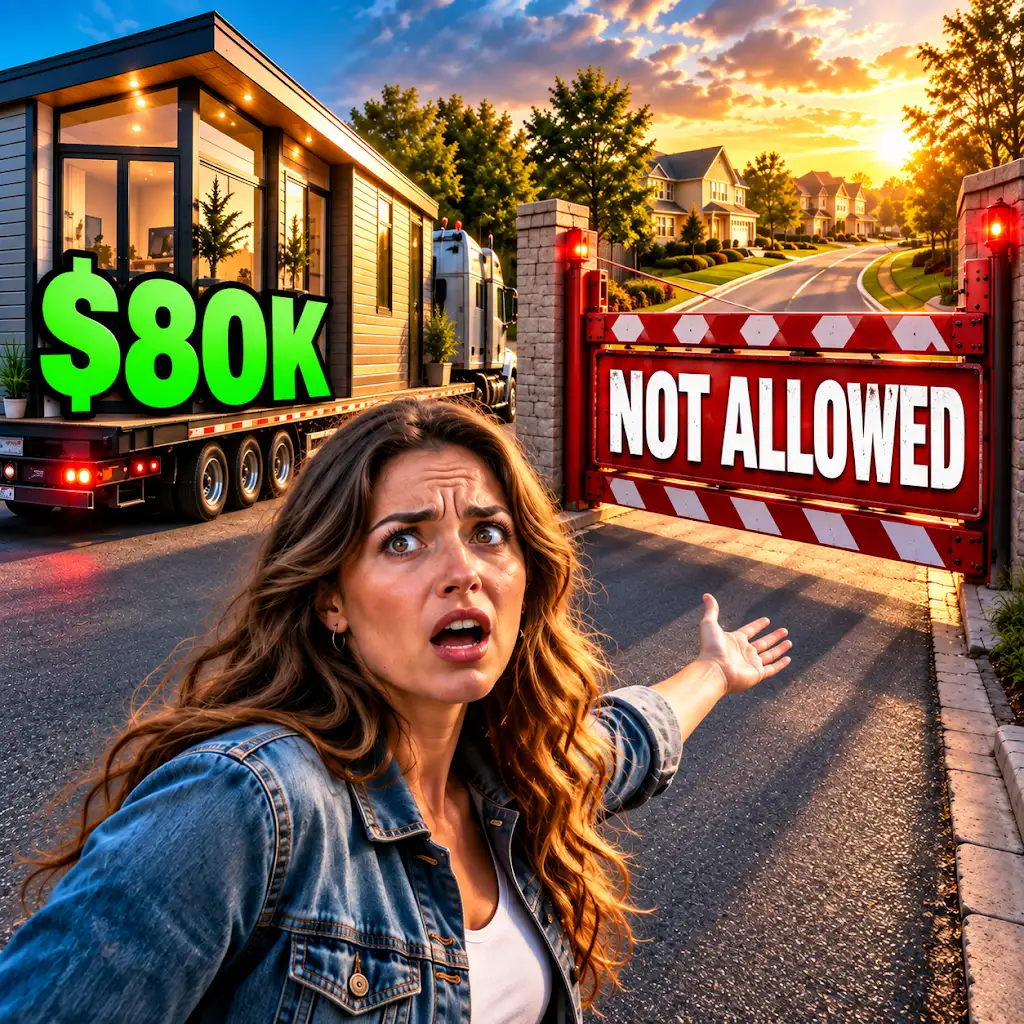
The $80,000 House You’re Not Allowed to Put Anywhere
FAQs
What are zoning laws for manufactured homes?
Zoning laws for manufactured homes are regulations set by local governments that dictate where manufactured homes can be placed within a community or city.
How do zoning laws affect manufactured home placement?
Zoning laws can restrict where manufactured homes can be placed, often designating specific areas or zones for this type of housing. These laws may also include requirements for setbacks, lot sizes, and appearance of the homes.
Can zoning laws vary by location?
Yes, zoning laws for manufactured homes can vary significantly by location. Each city or municipality has its own set of regulations that govern where and how manufactured homes can be placed.
What should I consider before purchasing a manufactured home in a specific area?
Before purchasing a manufactured home in a specific area, it is important to research the local zoning laws to ensure that the home can be legally placed on the desired property. Consulting with local authorities or a real estate agent familiar with the area’s regulations is recommended.
Are there any resources available to help understand zoning laws for manufactured homes?
Yes, there are resources available such as local government websites, zoning maps, and zoning ordinances that can provide information on the specific zoning laws for manufactured homes in a particular area. Additionally, consulting with a legal professional or real estate expert can help navigate these regulations.