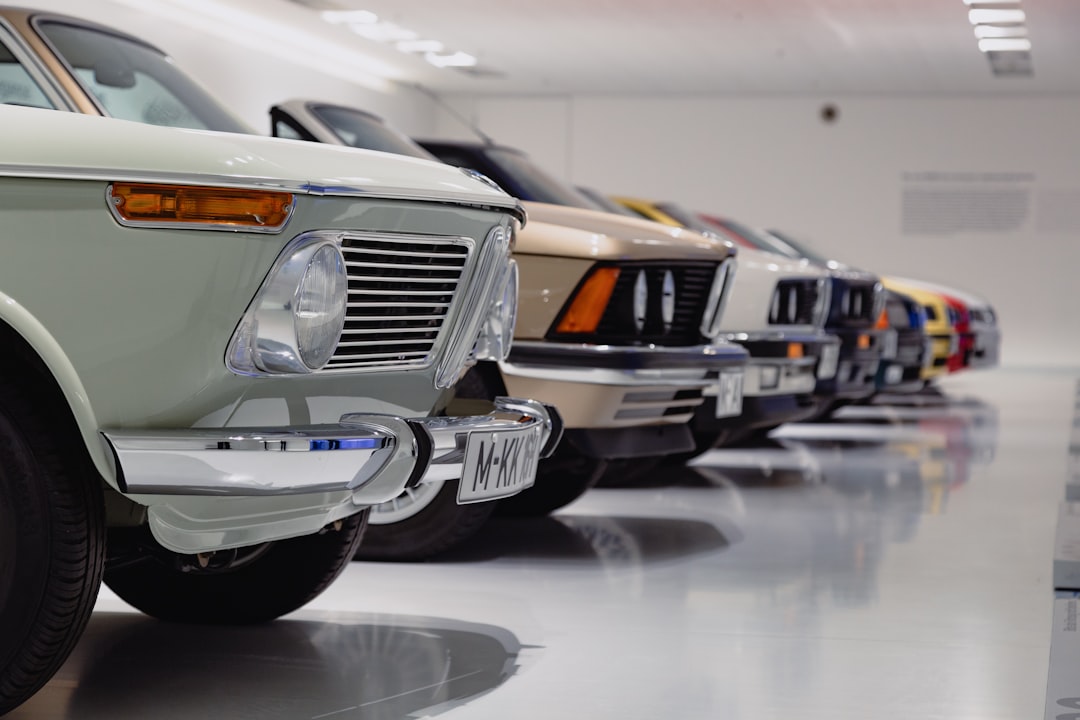
You’re considering a new car, or perhaps you’ve just bought one. That shiny paint, the new car smell – it’s exciting, isn’t it? But as you drive off the lot, a silent force begins to work its magic, slowly but surely diminishing the value of your prized possession. This force is vehicle depreciation, and understanding it is crucial for making smart financial decisions, both when buying and when selling.
The Silent Killer of Your Car’s Value
Depreciation is the decrease in value of an asset over time. For vehicles, it’s one of the biggest costs of ownership, often exceeding fuel, maintenance, and insurance combined. It’s not a tangible thing you can see, like a scratch or a dent, but it’s a very real financial reality. Imagine buying a brand-new laptop for $1,000. Within a year, you might be lucky to get $600 for it, even if it’s in perfect working order. Cars are no different, and in many cases, their depreciation is even more dramatic.
Why Does Your Car Lose Value?
The reasons for depreciation are multifaceted. It’s a complex interplay of market forces, the physical nature of the vehicle, and consumer perception. Understanding these drivers is the first step to mitigating their impact.
The New Car Effect: The Biggest Hit
This is arguably the most significant factor in depreciation. The moment you drive a new car off the dealership lot, it is no longer “new.” It has a previous owner: you. This transition from “new” to “used” instantly triggers a substantial drop in value. Experts estimate that a new car can lose 10-20% of its value in the first year alone, with a significant portion of that loss occurring within the first few weeks. This is the “new car tax” you pay for being the first owner.
Mileage: The Engine of Wear and Tear
As you rack up miles, your car’s components experience wear and tear. Tires, brakes, engine parts, transmission – they all have a finite lifespan. The higher the mileage, the closer these components are to needing replacement, and the more wear and tear is evident. A car with 100,000 miles will inherently be worth less than an identical car with 50,000 miles, assuming all other factors are equal. This is a direct correlation; more miles equal less value.
Age and Obsolescence: Time Marches On
Cars, like technology, become outdated. Newer models arrive with updated features, improved fuel efficiency, and enhanced safety systems. As a vehicle ages, it falls behind the curve. Beyond just technological advancements, the very design and style can become dated, making it less desirable to potential buyers. While some classic cars appreciate in value, the vast majority of everyday vehicles depreciate with every passing year.
Condition and Maintenance: A Tale of Two Cars
The physical condition of your car plays a massive role. A meticulously maintained vehicle, with regular oil changes, scheduled servicing, and a clean interior and exterior, will always hold its value better than one that has been neglected. Cosmetic issues like dents, scratches, rust, and worn-out upholstery can significantly reduce a car’s resale value. Conversely, a well-kept car suggests a history of good care and reliability, making it more attractive to buyers.
Market Demand and Trends: What People Want
The automotive market is dynamic. Consumer preferences shift, and certain types of vehicles become more or less desirable. For example, during periods of high gas prices, SUVs and larger trucks may see their values dip as fuel-efficient sedans become more popular. Conversely, when gas prices are low, the demand for larger vehicles might increase. Your car’s value is also influenced by the general economic climate and the overall demand for used cars.
Features and Trim Levels: The Devil is in the Details
The specific features and trim level of your car can impact its depreciation. Higher trim levels with premium options (like leather seats, sunroofs, advanced navigation systems, or premium audio) might command a higher price initially, but their depreciation rate can sometimes be steeper as these options become commonplace in newer models. Conversely, a stripped-down base model might not have as much to lose, but its initial appeal might also be lower.
Understanding vehicle depreciation is crucial for anyone looking to buy or sell a car, as it significantly impacts the overall value of the vehicle over time. For a deeper insight into this topic, you can explore a related article that delves into the factors influencing vehicle depreciation and offers tips on how to minimize its effects. Check out this informative piece at How Wealth Grows to enhance your knowledge and make more informed decisions regarding your automotive investments.
Factors That Accelerate Depreciation
While depreciation is inevitable, certain factors can significantly speed up the process, turning your car into a financial liability faster than you might expect. Being aware of these pitfalls can help you avoid them and preserve your investment.
The Impact of Accidents and Damage
A vehicle’s history is a significant determinant of its value. An accident, even if repaired, can leave a permanent mark on a car’s resale value. The extent of the damage, the severity of the repairs, and whether the vehicle was declared a total loss all play a role. A vehicle with a “salvage” or “rebuilt” title will be worth considerably less than an identical car with a clean title, regardless of how well it has been repaired. Even minor cosmetic damage, if left unrepaired, can signal to potential buyers that the car hasn’t been well-cared for, leading to lower offers.
The “Salvage” Title: A Major Red Flag
A salvage title means that an insurance company has declared the vehicle a total loss due to damage. This could be from an accident, flood, fire, or theft. While these vehicles can sometimes be repaired and resold, their value is drastically reduced. Buyers are often wary of salvage title vehicles due to potential underlying issues and the stigma attached to them.
Minor Dents and Scratches: Accumulating Costs
You might think a small door ding or a few scratches are no big deal, but these accumulate. A car with a pristine exterior projects an image of care and attention. Numerous minor imperfections suggest a lack of maintenance and can lead to a buyer questioning the car’s overall condition. It’s often more cost-effective to address these minor issues before selling than to accept a significantly lower offer.
Ignoring Maintenance: A False Economy
Skipping scheduled maintenance might seem like a way to save money in the short term, but it’s a costly mistake in the long run. Neglecting oil changes, filter replacements, or other essential services can lead to more significant mechanical problems down the line. These major repairs are expensive, and a history of deferred maintenance will be a major deterrent to potential buyers, who will assume the car is a ticking time bomb.
The Cost of Neglect: Beyond the Repair Bill
When a car needs a major repair, not only do you incur the cost of the repair itself, but you also face depreciation due to the mechanical issue. A buyer will factor in the potential for future problems and offer a lower price. Furthermore, a poorly maintained car is more likely to break down, leading to inconvenience and further financial strain.
Modifications: Sometimes They Hurt More Than They Help
While you might love your custom exhaust or souped-up engine, aftermarket modifications can sometimes hurt your car’s resale value. Unless the modification is highly desirable and appeals to a niche market (like off-road accessories for a Jeep), most buyers prefer a car in its original, factory condition. Some modifications can even void warranties or make the car illegal to drive in certain areas, further diminishing its appeal.
The Niche Appeal Problem
Many modifications are personal. What you find appealing might not be what the average buyer is looking for. This can limit the pool of potential buyers, forcing you to lower your price to find someone willing to take it.
Performance Enhancements and Potential Issues
While performance upgrades might sound exciting, they can also raise concerns for potential buyers. They might worry about increased wear and tear on the engine, a higher likelihood of mechanical issues, or the possibility that the car was driven aggressively.
Predicting Your Car’s Depreciation: Tools and Techniques
While you can’t stop depreciation, you can certainly get a good idea of how much your car is likely to lose in value. This knowledge is invaluable when negotiating a purchase price, planning your ownership period, and setting realistic expectations for a future sale.
Online Depreciation Calculators: Your First Stop
Several websites offer free tools that allow you to estimate your car’s current market value and project its future depreciation. These calculators typically ask for your car’s make, model, year, mileage, trim level, and condition. They then compare your vehicle to similar listings in your area to provide an estimate. While these are not always 100% accurate, they offer a good starting point for your research.
Kelley Blue Book (KBB) and Edmunds: Industry Standards
Kelley Blue Book (KBB) and Edmunds are two of the most reputable sources for vehicle valuation. They provide various values, including retail, private party, and trade-in prices, helping you understand the different selling scenarios.
NADA Guides: Another Reliable Source
NADA Guides is another widely used resource for vehicle appraisals, often used by lenders and dealerships. Their valuations can provide a good cross-reference to KBB and Edmunds.
Factors Influencing Online Valuation Accuracy
It’s important to remember that online calculators are based on algorithms and available data. Factors like your car’s specific options, the condition of the paint and interior, and any unique features might not be fully captured, leading to discrepancies. Always consider these tools as guides rather than definitive pronouncements.
Strategies to Minimize Depreciation
While you can’t eliminate depreciation entirely, you can implement strategies to significantly slow it down and preserve your car’s value. These proactive measures require a bit of effort, but the financial rewards can be substantial.
Maintaining a Stellar Service History: The Foundation of Value
As mentioned earlier, regular maintenance is paramount. Keep all your service records meticulously. This creates a documented history of care that assures potential buyers of your car’s reliability and well-being. Consider using dealership-certified mechanics or reputable independent shops, and always opt for genuine parts when possible.
The Importance of an Organized Logbook
A neatly organized logbook detailing every service, repair, and part replacement is a powerful selling tool. It provides transparency and builds trust with potential buyers.
Choosing the Right Oil and Fluids: Small Details Matter
Using the manufacturer-recommended type and grade of oil and other fluids is crucial. These small details contribute to the longevity and performance of your engine and other systems.
Keeping Your Car in Pristine Condition: Presentation is Key
Regular cleaning, both inside and out, is essential. Wash and wax your car regularly to protect the paint from the elements. Detail the interior, keeping it clean and free of stains and odors. Address minor cosmetic issues promptly, such as repairing small scratches or dents. A car that looks good feels more valuable.
The Power of a Good Detail: Inside and Out
A professional detailing can work wonders, bringing back the shine to your paint and making your interior look like new. Even a thorough DIY detailing can make a significant difference.
Protecting Your Paint: Ceramic Coatings and Waxing
Regular waxing or, for a longer-lasting protection, a ceramic coating can shield your paint from UV rays, bird droppings, and other environmental damage.
Driving Habits and Mileage Management: Less is More
Drive your car responsibly. Avoid aggressive acceleration and braking, which can put undue stress on the engine and transmission. Try to minimize your mileage where possible. If you have a long commute, consider carpooling, using public transport, or even buying a more fuel-efficient secondary vehicle.
Gentle Driving for a Longer Lifespan
Smooth driving not only saves fuel but also reduces wear and tear on critical components, contributing to a longer lifespan for your vehicle.
The Trade-off Between Convenience and Cost
While high mileage offers convenience, it comes at a significant depreciation cost. Carefully consider whether the added convenience is worth the financial loss over time.
Smart Accessory Choices: Less is Often More
When adding accessories, think about their resale value. Avoid overly personalized or niche modifications that might deter future buyers. Stick to accessories that are practical, functional, and widely accepted in the automotive market.
Resale Value of Aftermarket Parts: A Careful Consideration
Before purchasing any aftermarket part, ask yourself: “Will this add value, or will it be a hindrance when I sell?” For most everyday vehicles, keeping things as close to factory as possible is usually the safest bet.
Understanding vehicle depreciation is crucial for anyone considering a car purchase, as it directly impacts the overall cost of ownership. For a deeper dive into this topic, you might find the article on financial strategies for managing asset value particularly insightful. It explores various factors that influence depreciation and offers tips on how to mitigate its effects. You can read more about it here.
The Financial Impact of Depreciation: Beyond the Sticker Price
Understanding depreciation isn’t just about knowing how much your car is worth when you sell it. It has profound implications for your overall financial health and can influence several key financial decisions.
The Cost of Ownership: More Than Just Fuel
Depreciation is often the single largest expense associated with owning a car. When you factor in the initial purchase price, the money lost to depreciation significantly outweighs the costs of fuel, insurance, and maintenance for many vehicles. This is why buying a car that depreciates slower can save you thousands of dollars over its lifespan.
The True Cost: A Holistic View
To truly understand the cost of ownership, you need to look beyond just the monthly payments. Depreciation is a hidden cost that eats away at your capital.
Comparing Different Vehicles: A Depreciation-Aware Approach
When comparing different car models, don’t just look at the sticker price and fuel economy. Research their typical depreciation rates to get a more accurate picture of the long-term financial commitment.
Financing Your Vehicle: The Loan-to-Value Ratio
Depreciation directly impacts your loan-to-value (LTV) ratio. The LTV is the ratio of the loan amount to the value of the asset. If your car depreciates faster than you pay down your loan, you can find yourself “upside down” or “underwater” on your car loan, meaning you owe more on the loan than the car is worth. This can be a tricky situation, especially if you need to sell the car or if it’s totaled in an accident.
Avoiding Being Underwater: The Downsides
Being upside down on a car loan can restrict your options. You might not be able to sell the car without covering the difference out of pocket, and if you have to buy a new car, you might have to roll that negative equity into the new loan, increasing your payments.
Down Payments: A Strategic Advantage
Making a larger down payment can help you stay out of the negative equity zone, as it reduces the initial loan amount and gives you a buffer against depreciation.
Trading In vs. Selling Privately: Maximizing Your Return
When it’s time to sell, you have a choice: trade in your car to a dealership or sell it privately. Trading in offers convenience, but you will almost always receive less money than if you sell it yourself. Dealerships need to make a profit, and they factor in the costs of reconditioning and reselling your trade-in. Selling privately requires more effort but can yield a significantly higher return.
The Convenience Factor of Trading In
The ease of simply driving your old car to the dealership and driving away in a new one is appealing, but it comes at a price.
The Effort vs. Reward of Private Sales
Selling privately demands more time and effort, from advertising and showing the car to negotiating with buyers. However, the financial reward can be well worth the extra work.
Insurance Premiums: How Depreciation Affects Your Coverage
Your car insurance premiums are often influenced by the value of your vehicle. As your car depreciates, its replacement cost decreases, which can, in turn, lead to lower comprehensive and collision insurance premiums. However, if you owe more on your loan than your car is worth, you might consider gap insurance, which covers the difference between what your insurance pays out and what you owe on your loan in the event of a total loss.
Gap Insurance: A Safety Net for Underwater Loans
Gap insurance is a crucial consideration if you’re financing a vehicle and are concerned about being upside down on your loan. It provides peace of mind by ensuring you’re not left with a significant debt if your car is declared a total loss.
Adjusting Your Coverage as Your Car Ages
As your car ages and its value declines, you may want to re-evaluate your insurance coverage. For older vehicles with low market value, the cost of comprehensive and collision coverage might outweigh the potential payout, leading some owners to drop these coverages.
The Future of Depreciation: Evolving Trends and Considerations
The automotive landscape is constantly evolving, and this will undoubtedly impact how vehicles depreciate in the future. Understanding these emerging trends can help you make informed decisions about your next vehicle purchase.
The Rise of Electric Vehicles (EVs) and Their Depreciation Curve
Electric vehicles are becoming increasingly popular, and their depreciation is an area of active observation. Historically, EVs have tended to depreciate faster than their gasoline counterparts, partly due to rapid technological advancements and the decreasing cost of battery technology. However, as EV adoption grows and battery life extends, this trend may shift. Government incentives and the growing charging infrastructure also play a role.
Battery Degradation and Replacement Costs
One of the biggest concerns for EV buyers is battery degradation and the potential cost of battery replacement. While manufacturers offer warranties on batteries, the out-of-warranty replacement cost can be significant, impacting resale value.
Government Incentives and Their Impact
Tax credits and rebates for EVs can artificially inflate their initial purchase price and influence their depreciation curve. As these incentives change, so too can the depreciation rates.
Autonomous Driving Features and Their Long-Term Value
As autonomous driving technology matures and becomes more widespread, its impact on depreciation will become clearer. Vehicles equipped with advanced driver-assistance systems (ADAS) might hold their value better, as these features become increasingly sought after by consumers. However, the rapid pace of technological advancement could also lead to earlier obsolescence of older autonomous systems.
The Pace of Technological Advancement
The speed at which autonomous technology is developing means that today’s cutting-edge features could be considered basic in just a few years, potentially accelerating depreciation for vehicles with less advanced systems.
Consumer Acceptance and Demand for Self-Driving Capabilities
The ultimate impact of autonomous features on depreciation will depend on consumer adoption and demand. If these features become standard and highly desired, vehicles equipped with them will likely command a higher resale value.
The Impact of Ride-Sharing and High-Mileage Usage
The increasing prevalence of ride-sharing services and the overall trend of higher annual mileage for some drivers can significantly accelerate depreciation. Vehicles used for commercial purposes or that rack up exceptionally high mileage will naturally experience more wear and tear and therefore depreciate faster.
Commercial Use vs. Personal Ownership
The depreciation rates for vehicles used in ride-sharing or as commercial fleet vehicles are often considerably higher than those for privately owned cars due to the intensity of their usage.
The Long-Term Effect of Data and Connectivity
Modern vehicles are increasingly connected and collect vast amounts of data. How this data will be used and its impact on resale value is still largely unknown. It’s possible that future buyers might value vehicles with advanced connectivity and data capabilities, or conversely, be wary of privacy concerns.
In conclusion, understanding vehicle depreciation is not just about knowing numbers; it’s about empowering yourself with knowledge to make smarter financial decisions throughout your car ownership journey. By being aware of the factors that influence depreciation and implementing strategies to mitigate its effects, you can protect your investment, save money, and drive with greater financial confidence.

Your $800 Car Payment Could Be a $1 Million Decision
FAQs
What is vehicle depreciation?
Vehicle depreciation is the decrease in value of a vehicle over time due to factors such as age, mileage, wear and tear, and market demand.
How does vehicle depreciation affect the value of a car?
Vehicle depreciation causes the value of a car to decrease over time, which means that the car will be worth less than its original purchase price when it comes time to sell or trade it in.
What are the main factors that contribute to vehicle depreciation?
The main factors that contribute to vehicle depreciation include age, mileage, condition, market demand, and the make and model of the vehicle.
How can I minimize vehicle depreciation?
To minimize vehicle depreciation, you can take steps such as maintaining the car well, driving it less, choosing a vehicle with a good resale value, and avoiding excessive customization.
How does vehicle depreciation impact the cost of ownership?
Vehicle depreciation is a significant factor in the overall cost of owning a car, as it affects the resale value and potential trade-in value of the vehicle, ultimately impacting the total cost of ownership.