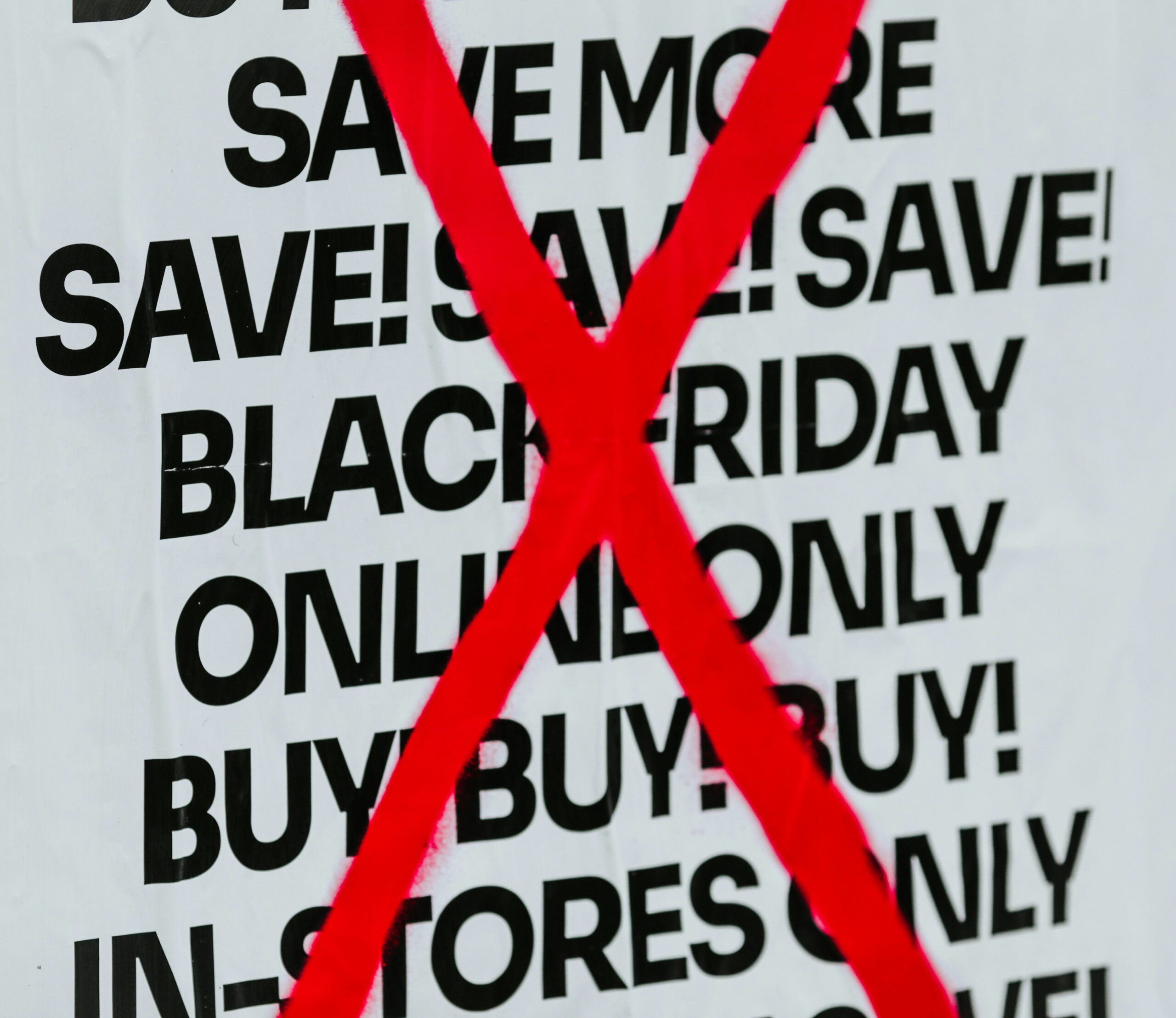
You’ve seen them everywhere. Those enticing little buttons that flash “Buy Now, Pay Later,” promising instant gratification with a seemingly painless payment plan. It’s a modern marvel of commerce, offering a seductive pathway to owning that item you’ve been coveting, right now. But what lies beneath this glossy surface? What psychological currents are at play that make these services so utterly compelling, and, at times, so potentially problematic? To truly understand Buy Now, Pay Later (BNPL), you need to delve into the intricate workings of your own mind.
BNPL services are masterfully designed to exploit a fundamental human drive: the desire for immediate pleasure and the aversion to delayed reward. This isn’t some newfangled invention; it’s a deeply ingrained psychological phenomenon that has shaped human behavior for millennia.
The Dopamine Hit of Acquisition
The moment you click “buy,” especially on something you genuinely want, your brain floods with dopamine. This neurotransmitter is associated with pleasure, reward, and motivation. BNPL amplifies this experience by removing the immediate barrier of full payment. You get the product, and you get the dopamine hit, all without the perceived sting of parting with a large sum of cash upfront.
Minimizing Perceived Cost: The Illusion of Affordability
One of the most potent psychological tricks BNPL employs is the fragmentation of cost. Instead of seeing a single, significant number representing the full price, you see a series of much smaller, more manageable payments. This creates an illusion of affordability.
The “Small Payment” Effect: Cognitive Ease and Decision-Making
Your brain is more comfortable processing smaller, frequent chunks of information than a large, overwhelming one. When a $500 item is broken down into four $125 payments, it feels significantly less daunting. You might unconsciously reframe the purchase not as spending $500, but as spending $125 four times, which is psychologically much easier to accept. This cognitive ease significantly lowers the friction in your decision-making process.
Anchoring Bias: Setting the Stage for “Small”
Retailers often present the total price first, then highlight the BNPL option with its small installments. This is a classic application of the anchoring bias. The initial high price acts as an anchor, making the subsequent smaller installment payments seem even more attractive by comparison. You’re comparing the installments to the larger, initial figure, rather than to what you might be able to save or afford if you waited.
Escaping the Pain of Payment: The Psychological Discomfort of Spending
We tend to experience a certain degree of psychological pain when we spend money, especially large amounts. This is sometimes referred to as “pain of paying.” BNPL offers a clever way to circumvent this discomfort by delaying or spreading out the pain.
The Decoupling of Purchase and Payment: A Temporal Disconnect
BNPL effectively decouples the act of purchasing from the act of paying. You receive the item almost instantly, experiencing the joy and utility of ownership, while the financial consequence is pushed into the future. This temporal disconnect can make it feel as though you haven’t truly spent the money yet, even though you have committed to it.
Future Self vs. Present Self: The Discounting of Future Consequences
Psychologically, we often discount the importance of future events and their consequences compared to present needs and desires. Your “present self” wants the item now and is willing to incur a future financial obligation. Your “future self,” who will actually have to make those payments, feels less real and its concerns are easily deferred. BNPL preys on this tendency, allowing your impulsive present self to take precedence.
If you’re interested in understanding the psychology behind the “buy now, pay later” phenomenon, you might find the article on How Wealth Grows particularly insightful. It delves into the behavioral economics that drive consumer decisions in this payment model, exploring how it influences spending habits and financial planning. To read more about this intriguing topic, visit the article here: Buy Now Pay Later Psychology Explained.
The Power of Social Influence and Peer Behavior
We are inherently social creatures, and our purchasing decisions are often influenced by what others are doing. BNPL taps into this social psychology, leveraging social proof and the desire to conform.
Social Proof: “Everyone Else is Doing It”
When you see BNPL options prominently displayed on nearly every online retailer, and you hear friends and colleagues discussing their BNPL purchases, it creates a strong sense of social proof. This signals that BNPL is a common, accepted, and perhaps even savvy way to shop. The implicit message is, “If everyone else is doing it, it must be a good idea.”
The Fear of Missing Out (FOMO): Keeping Up with the Joneses
BNPL can also fuel the Fear of Missing Out. If others are able to acquire desirable goods through these convenient payment plans, you might feel left behind or unable to participate in the same lifestyle. This pressure to keep up can override rational financial considerations.
Normalization of Debt: Shifting Perceptions of Financial Responsibility
The widespread availability and acceptance of BNPL services have contributed to a normalization of consumer debt. For some, it has blurred the lines between responsible spending and accumulating liabilities. This shift in perception can make it easier to justify taking on debt for non-essential purchases.
Cognitive Biases That Drive BNPL Adoption
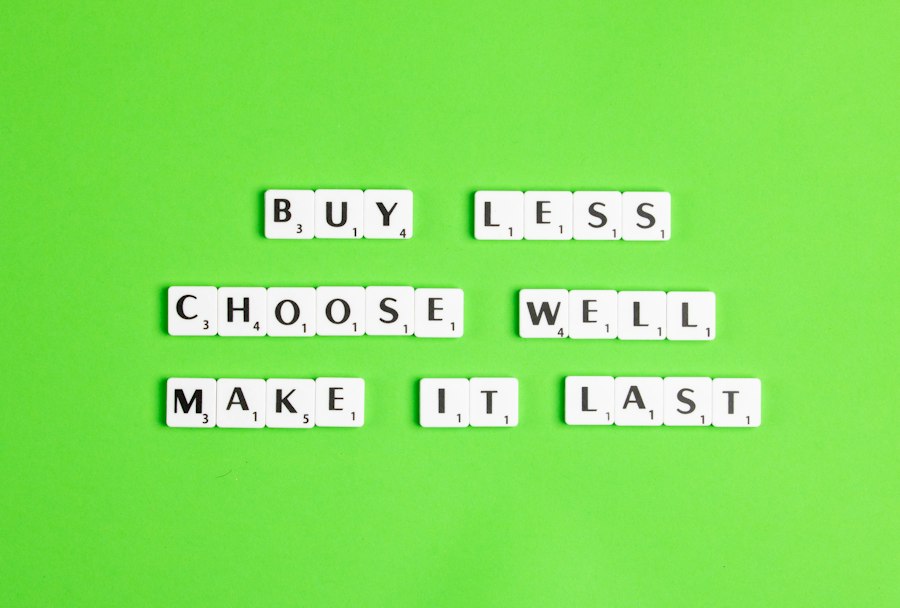
Beyond the immediate appeal of instant gratification, several well-documented cognitive biases make BNPL particularly persuasive. Understanding these biases can help you recognize when they are influencing your own decisions.
The Availability Heuristic: The Vividness of the “Now”
The availability heuristic suggests that we tend to overestimate the likelihood of events that are easily recalled or vivid in our minds. For BNPL, the immediate availability of the product and the ease of the checkout process are highly vivid. The “pain” of future payments, being less immediate and less vivid, is more easily overlooked.
The Endowment Effect: Once You Have It, You Value It More
Once you possess an item, your perception of its value often increases. This is the endowment effect. BNPL allows you to experience this immediate ownership and the associated heightened value before you’ve fully paid for it. This can make it harder to return an item or regret the purchase later, as you’ve already mentally “owned” it.
Optimism Bias: Believing You’ll Be Different
A common cognitive bias is the optimism bias, where we tend to believe that negative events are less likely to happen to us than to others. When using BNPL, you might subconsciously think, “I’ll be good and make all my payments on time,” or “I won’t overspend because I’m careful.” This optimistic outlook can lead you to underestimate the risks of accumulating debt or missing payments.
The Psychology of Risk and Uncertainty: BNPL as a Risk Mitigation Tool (Perceived)
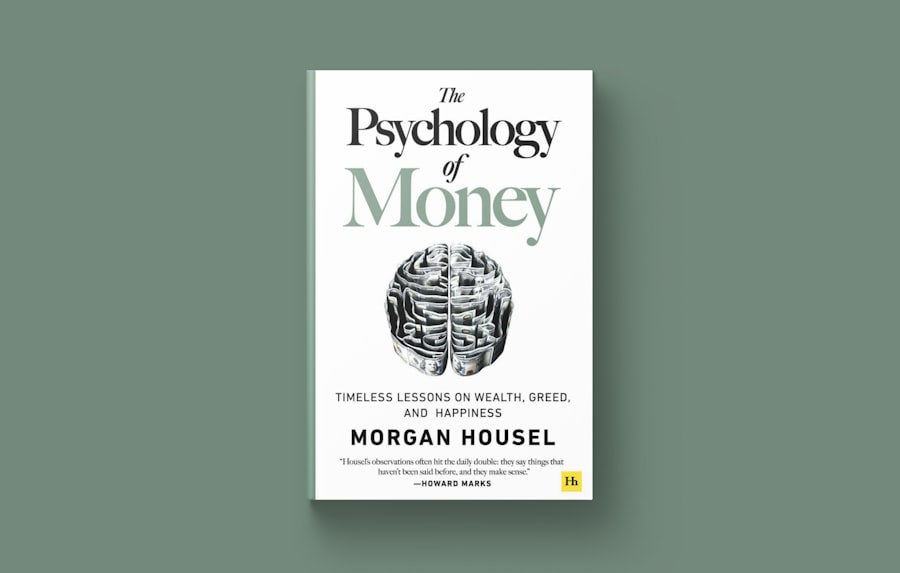
While BNPL can introduce financial risk, it can also be perceived, by some, as a way to mitigate other types of risk. This is a nuanced psychological aspect that explains its appeal in certain situations.
The Risk of Not Having It: The Cost of Delayed Gratification
Sometimes, the perceived risk of not acquiring an item immediately can feel substantial. This is particularly true for items that are in limited supply, on sale for a limited time, or essential for a particular purpose. BNPL can feel like a way to “lock in” the purchase and avoid the risk of missing out entirely.
The Uncertainty of Future Finances: “Better Now Than Later”
For individuals who are uncertain about their future financial situation, BNPL can ironically feel like a safer option than saving up. The logic, however flawed, is that their financial situation might worsen in the future, making it even harder to afford the item then. Therefore, it seems better to acquire it now while they feel they can manage the smaller installments.
The Illusion of Control: Feeling in Charge of Your Payments
The structured installment plans offered by BNPL can create an illusion of control. You know exactly when each payment is due, and the amounts are fixed. This can feel more predictable and manageable than the lump sum payment associated with traditional credit or saving. This perceived control can be psychologically reassuring, even if the underlying financial commitment is significant.
Understanding the psychology behind buy now pay later options can provide valuable insights into consumer behavior and financial decision-making. For those interested in exploring this topic further, a related article delves into the intricacies of this payment method and its impact on spending habits. You can read more about it in this informative piece on the subject. If you’re curious about how these financial tools influence our choices, check out the article here.
The Long-Term Psychological Impact: The Slippery Slope of Consumerism
| Psychological Factor | Description | Impact on Consumer Behavior | Example Metric |
|---|---|---|---|
| Instant Gratification | Desire to experience pleasure or fulfillment immediately rather than waiting. | Increases likelihood of impulse purchases using BNPL options. | Percentage of BNPL users making impulse buys: 65% |
| Reduced Pain of Payment | Spreading payments over time reduces the immediate financial burden. | Consumers feel less financial stress, encouraging higher spending. | Average order value increase with BNPL: 30% |
| Perceived Affordability | Breaking down costs into smaller installments makes purchases seem more affordable. | Enables consumers to buy higher-priced items they might otherwise avoid. | Increase in high-ticket item purchases via BNPL: 40% |
| Overconfidence Bias | Consumers overestimate their ability to repay future installments on time. | Leads to increased use of BNPL and potential for missed payments. | Percentage of BNPL users missing payments: 15% |
| Social Proof | Seeing others use BNPL encourages adoption due to perceived popularity and acceptance. | Boosts BNPL usage rates among peer groups. | BNPL adoption growth rate year-over-year: 25% |
| Anchoring Effect | Initial price or payment terms influence perception of value and affordability. | Consumers focus on smaller installment amounts rather than total cost. | Average installment amount vs. total price ratio: 1:4 |
While BNPL can offer short-term convenience, its long-term psychological impact can be significant and, for many, detrimental. The constant availability of credit and the ease of acquisition can foster unhealthy consumer habits.
The Normalization of “Want” Over “Need”: Shifting Priorities
When you can easily acquire anything you “want” without immediate financial pain, it can blur the lines between needs and wants. Your psychological threshold for impulse purchases lowers, and you may start to prioritize immediate desires over long-term financial goals.
The Erosion of Financial Discipline: The Demise of Delayed Gratification
BNPL directly undermines the development of financial discipline. The ability to delay gratification – the cornerstone of sound financial planning – is bypassed. This can have lasting consequences, making it harder to save, invest, and achieve financial independence.
The Cycle of Debt and Anxiety: The Dark Side of Easy Credit
For those who struggle with impulse control or underestimate their spending, BNPL can quickly lead to a cycle of debt. Missing payments incurs fees and interest, increasing the amount owed. This can lead to significant financial stress, anxiety, and a feeling of being trapped. The psychological burden of managing multiple BNPL plans and their associated debts can be overwhelming.
The Impact on Self-Esteem and Financial Well-being: A False Sense of Security
While BNPL can provide a temporary boost to self-esteem by allowing for immediate purchases, it can ultimately erode it. The accumulation of debt, the stress of repayment, and the potential for financial hardship can negatively impact self-worth and overall well-being. A false sense of financial security based on easy credit is ultimately unsustainable.
In conclusion, understanding the psychology of Buy Now, Pay Later is crucial for navigating its seductive landscape. By recognizing the powerful psychological drivers – from instant gratification and cognitive biases to social influence and the perceived mitigation of risk – you can empower yourself to make more informed and financially sound decisions. These services are designed to appeal to your innate desires and tendencies, but with awareness and a critical mindset, you can harness their benefits without falling prey to their potential pitfalls. Your financial future, and your peace of mind, depend on it.

Why $800 Doesn’t Feel Like $800 Anymore
FAQs
What is the psychology behind buy now pay later services?
Buy now pay later services leverage psychological principles such as instant gratification, loss aversion, and the illusion of affordability to encourage consumers to make purchases without immediate payment.
How do buy now pay later services impact consumer behavior?
Buy now pay later services can lead to increased spending, impulse purchases, and a tendency to overspend due to the delayed payment structure and the perception of affordability.
What are the potential risks associated with using buy now pay later services?
Some potential risks of using buy now pay later services include accumulating debt, overspending beyond one’s means, incurring late fees or interest charges, and negatively impacting one’s credit score if payments are missed.
Are there any benefits to using buy now pay later services?
Buy now pay later services can offer benefits such as increased purchasing power, flexibility in managing cash flow, the ability to spread out payments over time, and the convenience of making purchases without immediate payment.
How can consumers make informed decisions when using buy now pay later services?
Consumers can make informed decisions when using buy now pay later services by carefully evaluating their financial situation, understanding the terms and conditions of the service, setting a budget for purchases, and being mindful of potential risks and consequences.