
You’re looking to buy your first home, or maybe you’re a seasoned investor eyeing your next move. Whatever your motivation, understanding the housing market is paramount. It’s a complex beast, influenced by a swirling vortex of economic factors, demographic shifts, and even your local community’s unique quirks. But don’t be intimidated. This article will be your guide, breaking down the intricacies of the housing market so you can navigate it with confidence.
At its core, the housing market operates on the fundamental principles of supply and demand. When demand for housing outstrips the available supply, prices tend to rise. Conversely, when there are more homes for sale than buyers looking, prices can stagnate or fall. However, this simple principle is just the tip of the iceberg. A multitude of interconnected factors influence both supply and demand, creating the dynamic landscape you see today.
1. Supply-Side Factors: Building and Availability
The number of homes available for purchase is directly tied to supply. This isn’t just about existing homes; it involves the continuous creation of new ones.
a. New Construction and Development
The pace at which new homes are built plays a crucial role. Developers respond to market signals. If they anticipate rising prices and strong demand, they’ll invest in new projects. However, several hurdles can slow down new construction. Zoning laws and building regulations can restrict density and dictate what can be built where. The availability and cost of land are also significant. In desirable urban areas, land is often scarce and expensive, making new developments less feasible or more costly. Furthermore, the cost of construction materials and labor can fluctuate. A surge in lumber prices, for instance, can significantly impact the affordability of new homes. The permitting process itself can also be lengthy and bureaucratic, adding time and expense to projects.
b. Existing Home Inventory
The number of homes already on the market dictates the immediate supply available to buyers. This inventory is influenced by several factors. Homeowners may decide to sell for a variety of reasons: upsizing, downsizing, relocating for work, or cashing in on equity. Economic conditions can also impact this. During periods of economic uncertainty, homeowners might be hesitant to sell, leading to a tighter inventory. Conversely, a booming economy might encourage more people to sell and move. The rate at which homes are sold also affects inventory levels. If homes are selling quickly, the available supply diminishes.
c. Foreclosures and Distressed Sales
When homeowners can no longer afford their mortgage payments, their homes may go into foreclosure. These properties often come onto the market at a discounted price, especially if the bank is eager to sell. A surge in foreclosures can increase the overall supply of homes and put downward pressure on prices, particularly in affected neighborhoods. However, the number of foreclosures is often a lagging indicator, meaning it tends to rise after an economic downturn has already begun.
2. Demand-Side Factors: Who Wants to Buy and Why?
Demand is driven by a range of personal, economic, and societal forces. Understanding these is key to grasping why certain areas are more desirable or why the market behaves as it does at different times.
a. Population Growth and Demographics
As the population grows, so does the demand for housing. An influx of people into a region, whether through natural growth or migration, naturally increases the number of potential buyers. Demographics also play a significant role. The age distribution of a population influences housing needs. For example, a large cohort of millennials entering their prime home-buying years will significantly boost demand. Conversely, an aging population might lead to more downsizing and a shift towards smaller, more manageable homes. Factors like birth rates and increased life expectancy contribute to long-term population trends.
b. Interest Rates and Mortgage Affordability
Perhaps one of the most significant drivers of housing demand is the cost of borrowing money. Mortgage interest rates directly impact how much a buyer can afford to borrow and, consequently, the price of the home they can purchase. Lower interest rates make mortgages more affordable, allowing buyers to stretch their budgets and bid on higher-priced homes. This can fuel a surge in demand. Conversely, rising interest rates make borrowing more expensive, reducing purchasing power and potentially cooling demand. The availability of mortgage products and lending standards also contribute; stricter lending can reduce the pool of eligible buyers.
c. Economic Health and Job Market
A strong economy with a robust job market is a powerful stimulant for housing demand. When people are employed and have confidence in their financial future, they are more likely to make a long-term commitment like buying a home. Job growth in a particular area signals economic vitality and can attract new residents, further increasing housing demand. Conversely, job losses and economic downturns can lead to decreased demand, increased foreclosures, and a softening of prices. Wage growth is also a critical component; if wages aren’t keeping pace with housing price increases, affordability becomes a major issue.
d. Investor Activity and Speculation
Real estate isn’t just for people looking for a place to live; it’s also a significant investment vehicle. Individual investors, institutional investors, and even speculators can enter the market, either to generate rental income or to profit from anticipated price increases. High levels of investor activity can significantly inflate demand and drive up prices, sometimes in ways that can detach from fundamental affordability for owner-occupiers. Understanding the role of investors is crucial, especially in rapidly appreciating markets. Their motivations can differ greatly from those of someone buying a primary residence.
If you’re looking to gain a deeper understanding of the housing market and its various dynamics, you might find this related article insightful. It delves into the factors influencing housing prices, trends in different regions, and tips for potential buyers and investors. For more information, check out the article here: Housing Market Explained.
The Cycles of the Market: Boom, Bust, and Everything In Between
The housing market isn’t static; it moves in cycles. Understanding these cycles helps you anticipate potential shifts and make more informed decisions. These cycles are driven by the interplay of supply and demand, influenced by broader economic forces.
1. The Expansion or “Boom” Phase
This is the period characterized by rising prices, low inventory, and strong demand. It’s often fueled by low interest rates, a healthy economy, and growing confidence. New construction typically ramps up, and bidding wars can become common. Homeowners feel wealthier as their equity grows, which can encourage further spending and investment. This phase can also lead to unsustainable price growth if it outpaces wage growth and affordability.
a. Characteristics of a Boom Market
During a boom, you’ll likely observe several key indicators: rapidly appreciating home values, a seller’s market with multiple offers on most properties, short marketing times for homes, and increasing new construction as developers try to meet demand. Lenders may also loosen their criteria, making it easier for buyers to secure mortgages. Consumer confidence is generally high, leading to a willingness to take on larger financial commitments.
b. Potential Pitfalls of a Boom
While a boom can be exciting for homeowners, it also carries risks. Property values can become inflated, creating a housing bubble. If this bubble bursts, prices can fall sharply, leaving homeowners with negative equity (owing more on their mortgage than the home is worth). First-time buyers can find it increasingly difficult to enter the market due to rapidly rising prices and strong competition.
2. The Peak and Transition
The peak marks the highest point of the boom, where demand may start to wane, and inventory begins to increase. This can be triggered by rising interest rates, a slowdown in economic growth, or a saturation of demand. While prices may still be high, the pace of appreciation slows or plateaus.
a. Signs of Market Peak
You might notice a slowdown in the speed at which homes are selling, a slight increase in the number of homes on the market, and a decrease in the intensity of bidding wars. Builders may also start to pause or slow down new projects as they become more cautious about future demand. Sellers might become more willing to negotiate.
3. The Contraction or “Bust” Phase
This is the opposite of a boom, characterized by falling prices, increasing inventory, and weakening demand. It’s often triggered by economic recessions, rising interest rates, or a significant oversupply of housing.
a. Characteristics of a Bust Market
During a bust, you’ll see declining home values, more properties sitting on the market for longer periods, and an increase in foreclosures. Sellers may be forced to lower their asking prices significantly to attract buyers. It becomes a buyer’s market, offering opportunities for those who can afford to enter.
b. Opportunities in a Bust
While a bust can be financially challenging for existing homeowners, it can present opportunities for shrewd buyers. Homes can be purchased at significant discounts, and there’s less competition. However, it’s crucial to proceed with caution and ensure you have stable finances, as job security could be precarious during this phase.
4. The Recovery and Normalization
Following a bust, the market typically enters a recovery phase. Demand begins to pick up, inventory starts to decrease, and prices stabilize before gradually beginning to rise again. This phase is often accompanied by economic improvement and increased consumer confidence.
a. The Path to Recovery
Recovery is usually gradual. It starts with increased buyer activity as affordability improves and confidence returns. As more homes sell, inventory levels fall, leading to a more balanced market. New construction may begin to cautiously re-enter the market.
Factors Shaping Local Markets: It’s Not All About the National Picture

While national trends provide a broad context, the housing market in your specific neighborhood or city operates on its own set of dynamics. Local factors can significantly influence prices and activity.
1. Economic Drivers of a Specific Region
The health of the local economy is paramount. The presence of major employers, the growth of specific industries (e.g., tech, healthcare, manufacturing), and the availability of well-paying jobs directly impact housing demand. A region that attracts a strong influx of new businesses or expands existing ones will likely see increased housing demand and rising prices. Conversely, the closure of a major employer can lead to a stagnant or declining housing market.
a. Job Creation and Industry Diversification
A diversified local economy is generally more resilient to downturns. If a region relies too heavily on a single industry, a slump in that sector can have a devastating impact on housing. Regions with multiple strong industries tend to experience more stable and consistent demand.
2. Urban Planning, Zoning, and Infrastructure
The way a city or town is planned and regulated has a profound effect on its housing market. Zoning laws dictate what types of housing can be built and where, influencing density and housing availability. Investments in public transportation, parks, schools, and other infrastructure can make an area more desirable, thus increasing demand and property values. Conversely, a lack of investment or restrictive zoning can stifle growth and limit supply.
a. The Impact of Zoning Laws
Zoning laws can create artificial scarcity. For instance, single-family zoning in highly desirable areas can prevent the development of more affordable multi-family housing, driving up prices for the limited supply of single-family homes. Changes to zoning laws, such as allowing for higher density or mixed-use development, can dramatically alter a neighborhood’s housing landscape.
3. Quality of Life and Desirability Factors
Beyond economics and planning, intangible factors contribute to an area’s desirability. Good schools, low crime rates, access to amenities like restaurants and entertainment, natural beauty, and a strong sense of community all contribute to making a place attractive to both buyers and renters. These factors can make a particular neighborhood or town stand out, even if its economic fundamentals are similar to other areas.
a. Schools and Neighborhood Amenities
For families, school districts are often a primary consideration. Homes in highly-rated school districts often command a premium. Similarly, proximity to parks, recreational facilities, shopping, and dining can significantly boost a property’s appeal.
4. Local Supply and Demand Imbalances
Even within a broad metropolitan area, individual neighborhoods can experience unique imbalances in supply and demand. A popular neighborhood undergoing gentrification might see rapid price appreciation due to increased demand and limited supply. Conversely, a less desirable area with a surplus of homes might see prices stagnate.
a. The Role of Gentrification
Gentrification, the process of renovating and improving a house or district so that it conforms to middle-class taste, often leads to increased demand and rising property values. This can displace long-term residents and create affordability challenges for those with lower incomes.
Understanding Real Estate Terms: Your Glossary for Success
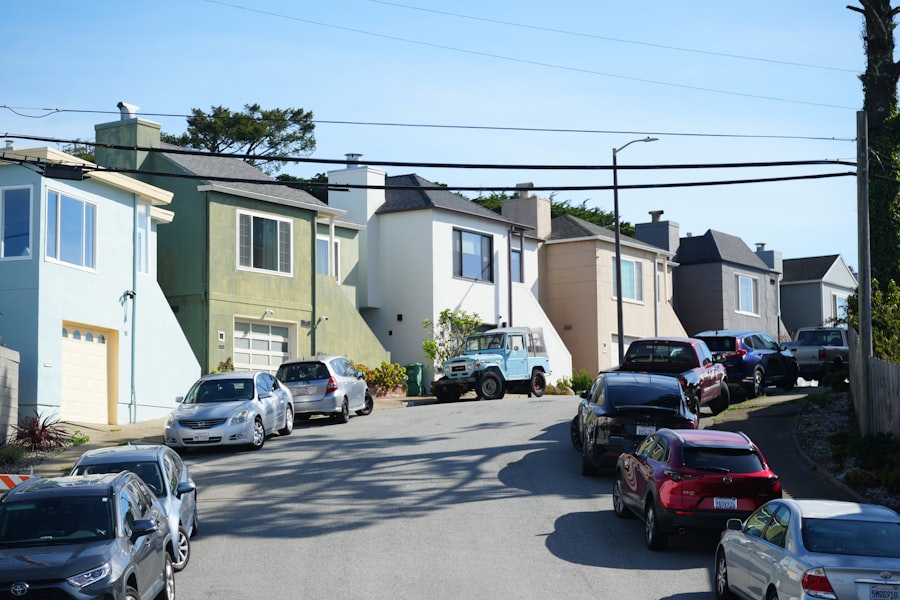
Navigating the housing market requires understanding a specific vocabulary. Familiarizing yourself with these terms will empower you to communicate effectively with real estate professionals and make informed decisions.
1. Key Terms Related to Property Valuation
- Appraisal: An independent assessment of a property’s fair market value, typically performed by a licensed appraiser. Appraisals are crucial for mortgage lenders to determine the loan amount they can offer.
- Comparative Market Analysis (CMA): A report prepared by a real estate agent that compares a subject property to similar recently sold homes in the same area. This helps estimate a property’s potential selling price.
- Assessed Value: The value assigned to a property by the local government for tax purposes. This is often lower than the market value.
- Equity: The portion of a property’s value that you own outright. It’s calculated as the property’s current market value minus the amount owed on the mortgage.
2. Terms Associated with Transactions and Financing
- Mortgage: A loan used to purchase real estate, secured by the property itself.
- Down Payment: The upfront amount of money you pay towards the purchase price of a home, typically a percentage of the total cost.
- Closing Costs: Fees and expenses incurred when finalizing a real estate transaction, including appraisal fees, title insurance, legal fees, and lender fees.
- Pre-approval: A lender’s conditional commitment to lend a specific amount of money to a buyer, based on a review of their financial information. This gives buyers a clear understanding of their budget.
- Contingency: A condition that must be met for a real estate contract to be binding, such as a financing contingency or a home inspection contingency.
3. Terms Describing Market Conditions
- Seller’s Market: A market where demand for homes exceeds supply, giving sellers an advantage. You’ll typically see higher prices, bidding wars, and homes selling quickly.
- Buyer’s Market: A market where supply of homes exceeds demand, giving buyers an advantage. Prices may be lower, and buyers have more negotiation power.
- Balanced Market: A market where supply and demand are relatively equal, leading to stable prices and a more predictable selling process.
- Days on Market (DOM): The average number of days a property is listed for sale before it is sold. A low DOM indicates a strong seller’s market.
For those looking to understand the intricacies of the housing market, a related article can provide valuable insights into current trends and forecasts. You can explore more about how various factors influence property values and buyer behavior in this informative piece. To dive deeper into the topic, check out this article on housing market dynamics at How Wealth Grows.
Strategies for Navigating the Housing Market: Your Action Plan
“`html
| Metrics | Data |
|---|---|
| Average Home Price | 300,000 |
| Median Household Income | 60,000 |
| Homeownership Rate | 65% |
| Number of Housing Units | 1,000,000 |
“`
Armed with knowledge about the market’s drivers, cycles, and terminology, you can now develop effective strategies. Your approach will depend on your goals, whether you’re buying, selling, or investing.
1. For Buyers: Making Your Move Strategically
As a buyer, your goal is to find a suitable property at a fair price. This requires preparation and smart decision-making.
a. Get Your Finances in Order
Before you even start looking at homes, get pre-approved for a mortgage. This tells you your true budget and makes you a more attractive buyer to sellers. Understand your credit score, as it significantly impacts your interest rate. Save for your down payment and closing costs.
b. Research and Define Your Needs
Clearly define what you’re looking for in a home: size, location, amenities, and must-have features. Research neighborhoods that fit your lifestyle and budget. Consider future needs as well; will this home accommodate your growing family or potential career changes?
c. Work with a Reputable Real Estate Agent
A good agent can provide invaluable insights into the local market, help you find properties, negotiate offers, and guide you through the closing process. Interview several agents before choosing one who understands your needs and has a strong track record.
d. Be Prepared for Competition (Especially in Strong Markets)
If you’re in a seller’s market, be ready for multiple offers and potentially bidding wars. Develop a strategy for how much you’re willing to pay and stick to your budget. Consider waiving certain contingencies if you feel confident, but weigh the risks carefully.
2. For Sellers: Maximizing Your Return
As a seller, your goal is to sell your home for the best possible price in a reasonable timeframe.
a. Prepare Your Home for Sale
First impressions matter. Declutter, clean, and make necessary repairs. Consider staging your home to showcase its best features and appeal to a wider range of buyers.
b. Price Your Home Competitively
Work with your agent to determine an optimal listing price based on recent sales of comparable properties. Overpricing can lead to your home sitting on the market longer, potentially requiring price reductions.
c. Market Your Property Effectively
Your agent will help with this, but understand how your home will be advertised and promoted. High-quality photos, compelling descriptions, and strategic online listings are crucial. Consider open houses and showings.
d. Be Open to Negotiation
Unless you’re in an extreme seller’s market, be prepared to negotiate on price, contingencies, and closing dates. Your agent can help you assess offers and make strategic counter-offers.
3. For Investors: Identifying Opportunities and Managing Risk
Real estate can be a powerful investment tool, but it requires careful planning and a different mindset.
a. Understand Investment Goals and Risk Tolerance
Are you looking for buy-and-hold rental income, or are you aiming for quick profits through flipping? Your goals will shape your strategy and the types of properties you consider. Assess your risk tolerance; real estate investments do carry risk.
b. Thoroughly Analyze Potential Investments
Beyond the superficial appeal, conduct in-depth financial analysis. Project rental income, operating expenses, vacancy rates, and potential appreciation. Calculate your return on investment (ROI) and cap rate.
c. Research Market Trends and Property Management
Understand the rental market in your target area. What are comparable rents? What demand exists for the type of property you’re considering? If you plan to rent out your property, research reliable property management services.
d. Diversify and Manage Your Portfolio
Don’t put all your capital into one property. Diversify your investments across different locations or property types if possible. Continuously monitor your investments and be prepared to adjust your strategy as market conditions change.
Conclusion: Your Journey in the Housing Market Begins Now
Understanding the housing market is an ongoing process. It’s a landscape that’s constantly evolving, shaped by economic tides, local nuances, and individual choices. By grasping the fundamental principles of supply and demand, recognizing market cycles, and familiarizing yourself with key terminology, you are far better equipped to make informed decisions. Whether you’re dreaming of your first home, planning a strategic sale, or looking to grow your investment portfolio, this comprehensive explanation serves as your foundation. Approach the market with knowledge, patience, and a clear plan, and you’ll be well on your way to achieving your real estate goals. Your journey in the housing market, informed and empowered, begins now.

The Wealth Ladder Is Missing a Rung
FAQs
What is the housing market?
The housing market refers to the buying and selling of residential properties, including houses, apartments, and condominiums. It also includes the construction and development of new properties.
What factors influence the housing market?
Several factors influence the housing market, including interest rates, economic conditions, population growth, employment levels, and government policies. Supply and demand dynamics also play a significant role in determining housing market trends.
How does the housing market affect the economy?
The housing market has a significant impact on the overall economy. It contributes to economic growth through construction and real estate-related industries. Changes in the housing market can also affect consumer spending, employment, and financial markets.
What are the key indicators of the housing market’s health?
Key indicators of the housing market’s health include home sales, housing starts, home prices, inventory levels, and mortgage rates. These indicators provide insights into the current state of the housing market and can help forecast future trends.
What are the current trends in the housing market?
Current trends in the housing market include rising home prices, low inventory levels, and historically low mortgage rates. Additionally, there is a growing demand for suburban and rural properties as remote work becomes more prevalent.