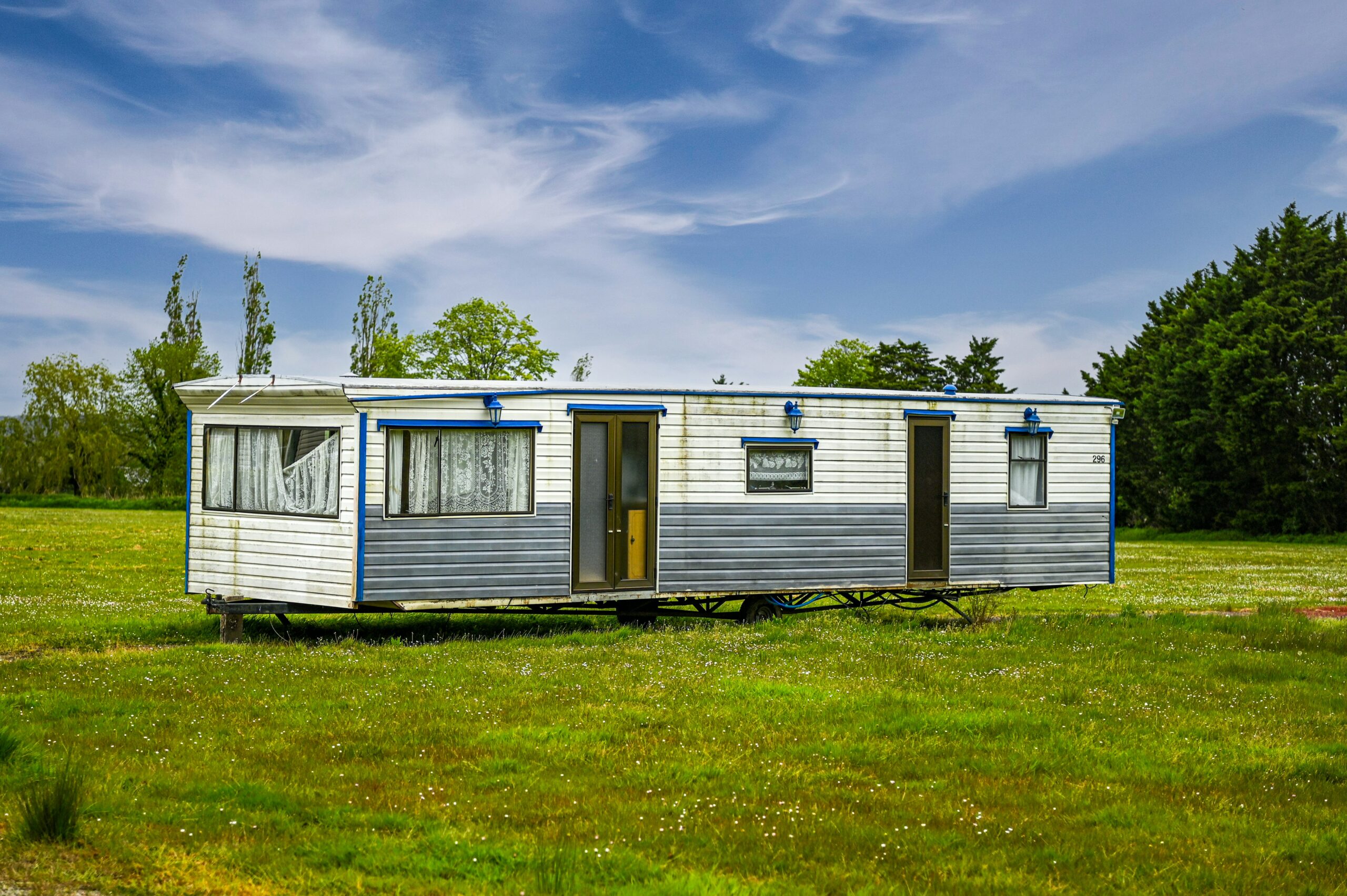
You’re considering a manufactured home in Texas, and that’s a smart move. They offer affordability and flexibility, but navigating the legal landscape can feel like trying to lasso a steer in a tornado. Don’t worry, though. This guide is designed to break down Texas manufactured home laws, empowering you with the knowledge you need to make informed decisions. From understanding what qualifies as a manufactured home to navigating land ownership, financing, and insurance, we’ll equip you with the essential information to make your manufactured home dreams a reality in the Lone Star State.
Defining Your Manufactured Home: What the Law Says
Before you even start browsing for your dream home, it’s crucial to understand what Texas law defines as a manufactured home. This distinction is fundamental because it dictates which regulations apply to your purchase and ownership. Unlike site-built homes, manufactured homes have specific construction standards and are built in a factory, then transported to your chosen location.
The Manufactured Home vs. The Mobile Home
It’s a common point of confusion, but the terms “manufactured home” and “mobile home” are not interchangeable in Texas law. Understanding the difference is key.
Manufactured Homes: Built to Modern Standards
Since June 15, 1976, any factory-built housing unit designed for permanent occupancy is classified as a manufactured home. This date marks the implementation of the U.S. Department of Housing and Urban Development (HUD) Code, a national standard for safety and construction. These homes are built to comply with these rigorous HUD standards, ensuring they meet specific requirements for:
- Structural integrity: This includes how the home is built to withstand wind, snow loads, and seismic activity.
- Fire safety: Regulations cover materials used, electrical systems, and plumbing to minimize fire hazards.
- Energy efficiency: Standards address insulation, window performance, and HVAC systems to promote energy conservation.
- Plumbing, electrical, and mechanical systems: These systems are designed and installed to meet strict safety and performance criteria.
When you purchase a manufactured home built after this date, it will bear a red tag on the exterior, indicating its compliance with the HUD Code. This tag is essential for titling, financing, and insurance purposes.
Mobile Homes: An Older Designation
Homes built before June 15, 1976, are generally considered “mobile homes.” These were built to voluntary industry standards rather than the mandatory federal HUD Code. While some may still exist, they are subject to different regulations, and obtaining financing or insurance for them can be significantly more challenging. For the purposes of most current Texas laws, the focus is on manufactured homes built to HUD standards.
The Importance of the HUD Tag
That little red tag is your best friend when it comes to manufactured homes. It’s a certification of compliance with the HUD Code.
What the HUD Tag Signifies
The HUD certification label, usually found on the exterior of the home, is a stamp of approval. It confirms that your home was manufactured in accordance with the federal standards in effect at the time of its construction. This tag is crucial for:
- Legal identification: It clearly identifies the unit as a manufactured home built to HUD standards.
- Financing requirements: Lenders will almost always require the HUD tag to approve a loan for a manufactured home.
- Insurance policies: Insurers use the HUD tag to assess risk and issue appropriate coverage.
- Resale value: Homes with intact HUD tags generally have a higher resale value.
Always ensure you receive the correct HUD tag information from your dealer or seller. Without it, you could face significant hurdles in establishing ownership and securing necessary services.
If you’re interested in understanding more about Texas manufactured home laws, you might find the article on the financial aspects of home ownership particularly insightful. It discusses various factors that can affect the value and investment potential of manufactured homes in Texas. For more information, you can read the article here: How Wealth Grows.
Land Ownership and Placement: Where Will Your Home Live?
One of the most significant decisions you’ll make is where your manufactured home will reside. Texas law offers distinct considerations depending on whether you own the land, lease it, or plan to place your home in a dedicated manufactured home community.
Owning Your Land: The Foundation of Stability
Owning the land your manufactured home sits on offers the most stability and control. You have the freedom to customize your property and make permanent improvements.
Site Preparation and Foundation Requirements
Texas manufactured home laws, particularly those influenced by local building codes, mandate specific requirements for site preparation and foundations. You can’t just plop your home down anywhere.
- Leveling and Grading: The land must be properly leveled and graded to prevent water from accumulating around the foundation.
- Foundation Types: Texas often requires specific foundation types for manufactured homes, especially in areas prone to high winds. This might include concrete piers, a concrete slab, or a permanent foundation system that anchors the home securely. The specific requirements can vary significantly based on your county or municipality.
- Anchoring and Tie-downs: To withstand Texas’s often-turbulent weather, particularly high winds, manufactured homes must be securely anchored to their foundations using tie-down systems. These systems are designed to prevent the home from lifting or shifting during severe weather events.
It’s highly recommended to consult with your local planning and zoning department before purchasing land or beginning site preparation. They can provide specific guidance on foundation requirements, setback rules, and any other regulations applicable to your area.
Leasing Land: Flexibility with Caveats
Leasing land offers flexibility, allowing you to move your home if your circumstances change. However, it also comes with important considerations related to your lease agreement.
Understanding Your Lease Agreement
Your lease agreement is your contract with the landowner. It’s crucial to read and understand every clause before signing.
- Lease Duration: How long is the lease? What are the terms for renewal?
- Rent and Fees: What is the monthly rent? Are there any additional fees for utilities, amenities, or property taxes?
- Rules and Regulations: Manufactured home communities often have specific rules regarding lawn maintenance, pet ownership, home appearance, and noise levels.
- Home Modifications: Can you make modifications to your home or the surrounding property? What are the approval processes?
- Eviction Clauses: Understand the conditions under which the lease can be terminated and what your rights are in such a situation.
You may also need to consider whether the lease allows for the placement of a manufactured home and if there are any restrictions on the age or type of manufactured home allowed.
Manufactured Home Communities: A Shared Living Experience
Manufactured home communities, often referred to as “parks,” offer a ready-made community with shared amenities and a managed environment.
Rights and Responsibilities in a Community
Living in a community comes with both rights and responsibilities. Your lease agreement with the community owner is paramount.
- Community Rules: You are expected to abide by all community rules and regulations. These are designed to ensure a pleasant living environment for all residents.
- Lot Rent: You will pay a monthly lot rent, which covers the use of the land your home is situated on, as well as access to community amenities.
- Amenities: These can include clubhouses, swimming pools, playgrounds, and laundry facilities. Understand what amenities are included in your lot rent.
- Maintenance Responsibilities: While the community owner typically maintains common areas, you are generally responsible for the maintenance of your home and the interior of your lot.
- Resale of Your Home: If you plan to sell your manufactured home within the community, you’ll need to understand the community’s policies on resales. Some communities may have the right of first refusal or require prospective buyers to be approved.
It’s essential to understand the community’s policies on selling your home, as they can significantly impact your ability to recoup your investment.
Financing Your Manufactured Home: Making it Affordable
Securing financing for a manufactured home can sometimes feel different from financing a traditional site-built home. However, with the right knowledge, you can navigate the options available.
Loans Specifically for Manufactured Homes
Lenders have developed specific loan products designed to accommodate the unique nature of manufactured homes.
Chattel Loans vs. Real Property Loans
The distinction between chattel loans and real property loans is critical in the financing of manufactured homes.
- Chattel Loans: These loans treat the manufactured home as personal property. They are common when the home is not permanently affixed to land you own. Chattel loans often have higher interest rates and shorter repayment terms compared to real property loans.
- Real Property Loans (Real Estate Loans): These loans are available when your manufactured home is permanently affixed to land you own. In this case, the home is considered part of the real estate, and the loan functions similarly to a mortgage for a site-built home. This typically results in lower interest rates and longer repayment terms.
To qualify for a real property loan, your manufactured home will need to meet specific criteria, often including being installed on a permanent foundation and meeting state and local building codes.
The Role of the Dealer and Third-Party Lenders
Your manufactured home dealer can be a valuable resource in navigating financing options.
Dealer Financing Programs
Many manufactured home dealerships partner with various lenders and offer their own financing programs.
- Convenience: This can be a convenient option as it consolidates the shopping and financing process.
- Pre-qualification: Dealers can often help you pre-qualify for loans, giving you a clear idea of your budget.
- Shopping Around: While convenient, it’s always wise to compare the dealer’s financing offers with those from other lenders to ensure you’re getting the best rates and terms.
Independent Lender Options
Don’t limit yourself to dealer financing. Independent lenders and banks also offer loans for manufactured homes.
- Variety of Options: Exploring various lenders can help you find specialized manufactured home loan products or competitive rates.
- Credit Unions: Local credit unions can sometimes offer favorable terms for manufactured home loans.
- Online Lenders: Several online lenders specialize in manufactured home financing.
When applying for a loan, be prepared to provide detailed financial information, including your credit history, income, and any existing debts. The age of the home and its installation on a permanent foundation can also influence loan approval and terms.
Insurance for Your Manufactured Home: Protecting Your Investment
Just like any home, your manufactured home needs protection. Texas law, and often your lender, will require you to have adequate insurance coverage.
Understanding Your Insurance Needs
The type of insurance you need depends on whether your home is considered personal property or part of your real estate.
Homeowner’s Insurance vs. Mobile Home Insurance
- Homeowner’s Insurance: If your manufactured home is permanently affixed to land you own, and it’s considered real property, you’ll likely need a standard homeowner’s insurance policy. This policy covers the structure of your home, your personal belongings, and liability.
- Mobile Home Insurance (Personal Property Insurance): If your manufactured home is not permanently affixed to land or is situated on leased land, you’ll typically need specific mobile home insurance. This policy covers the home itself as personal property and can be purchased through various insurance providers. This is often referred to as “dwelling coverage” for personal property.
Coverage Beyond the Structure
Beyond the physical structure of your home, consider coverage for your belongings and potential liabilities.
- Personal Property Coverage: This protects your belongings, such as furniture, electronics, and clothing, in case of damage or theft.
- Liability Coverage: This protects you financially if someone is injured on your property and sues you.
- Loss of Use Coverage: This covers living expenses if your home becomes uninhabitable due to a covered event, such as a fire or natural disaster.
Specific Considerations for Texas Weather
Texas is known for its dramatic weather, and your insurance policy should reflect these risks.
Windstorm and Hail Coverage
Texas experiences significant wind events, particularly along the coast. Standard homeowner’s policies may have limitations or separate deductibles for windstorm and hail damage.
- Separate Deductibles: Be aware if your policy has a separate, potentially higher, deductible for wind and hail claims.
- Coastal Areas: If you live in a coastal county, you may need to obtain windstorm insurance through the Texas Windstorm Insurance Association (TWIA) or a private insurer offering such coverage.
- Review Your Policy Carefully: Understand what types of wind and hail damage are covered and the associated deductibles.
Flood Insurance
Manufactured homes, like any home, are susceptible to flood damage. Standard homeowner’s insurance policies do not typically cover flood damage.
- National Flood Insurance Program (NFIP): You can purchase flood insurance through the NFIP or private insurers authorized to sell NFIP policies.
- Risk Assessment: Your location will determine your flood risk and the necessity of flood insurance. Consult flood maps to understand your property’s vulnerability.
- Lender Requirements: If you have a mortgage, your lender will likely require flood insurance if your property is in a designated flood zone.
When selecting an insurance policy, always compare quotes from multiple providers, carefully read the policy details, and ask your agent clarifying questions to ensure you have adequate protection for your manufactured home in Texas.
Understanding Texas manufactured home laws is essential for homeowners and prospective buyers alike, as these regulations can significantly impact ownership rights and responsibilities. For those looking to delve deeper into this topic, a related article offers valuable insights and guidance on navigating the complexities of these laws. You can read more about it in this informative piece found here. This resource can help clarify various aspects of manufactured home ownership in Texas, ensuring that individuals are well-informed before making any decisions.
Title and Registration: Establishing Legal Ownership
The process of titling and registering your manufactured home in Texas is crucial for establishing legal ownership and ensuring compliance with state laws.
The Certificate of Title: Your Proof of Ownership
The Certificate of Title is the official document that proves you legally own your manufactured home.
Obtaining Your Title
The process for obtaining a title depends on how you acquired the home.
- New Home Purchase: When you purchase a new manufactured home, the dealer will typically handle the initial titling process. They will provide you with the necessary paperwork to apply for a title through the Texas Department of Motor Vehicles (TxDMV).
- Used Home Purchase: If you purchase a used manufactured home, the seller will need to sign over their existing title to you. You will then need to present this signed title, along with other required documentation, to the TxDMV to transfer ownership.
- Home Built on Your Land: If you are building a manufactured home on your own land, you will work with the manufacturer and then apply for a title once the home is completed and installed.
If Your Home is Affixed to Real Property
A critical distinction in Texas law arises when a manufactured home is permanently affixed to real property (land) that you own. In such cases, the manufactured home can be treated as part of the real estate.
- De-titling Process: Texas law allows for a “de-titling” process. This involves surrendering the manufactured home’s title to the TxDMV, and it then becomes part of the real property. This process typically requires a certification from a licensed professional that the home has been permanently affixed to the foundation.
- Benefits of De-titling: Once de-titled, your manufactured home will be included on your property deed, and you will no longer need a separate title or registration for the home itself. This simplifies transactions and can make it easier to secure traditional real estate financing.
- Requirements for De-titling: Strict requirements must be met for de-titling, including proper installation on a permanent foundation, disconnection of towing equipment, and compliance with local building codes.
Consult with the TxDMV or a qualified professional to understand the specific requirements for de-titling in your situation.
Registration and Inspection Requirements
Depending on whether your home is titled and registered as personal property or is part of real estate, there may be different ongoing requirements.
Personal Property Registration
If your manufactured home is treated as personal property (i.e., not de-titled), it will need to be registered with the TxDMV.
- Annual Registration: Similar to vehicles, manufactured homes registered as personal property require annual registration and payment of fees.
- License Plates: You may be issued license plates for your manufactured home.
- Inspections: While not as common as for vehicles, certain circumstances or local ordinances might require inspections.
Real Property Considerations
Once a manufactured home is de-titled and considered part of real property, its registration and inspection requirements shift to those of standard real estate.
- Property Taxes: You will pay property taxes on the land and the home as part of your real estate tax assessment.
- Building Permits and Inspections: Any significant modifications or additions to the home or the property will likely require building permits and inspections by local authorities, just like a site-built home.
Understanding these processes ensures you maintain legal ownership and comply with all Texas regulations.
Navigating Disputes and Consumer Rights: Your Protections
Even with the best intentions, disputes can arise when purchasing or owning a manufactured home. Texas law provides mechanisms to protect your rights as a consumer.
Understanding Your Rights as a Manufactured Home Buyer
As a consumer, you have specific rights when purchasing a manufactured home in Texas.
The Texas Manufactured Housing Standards Act
This act provides a framework for consumer protection in the manufactured housing industry. It addresses issues such as dealer licensing, warranties, and dispute resolution.
- Dealer Licensing: All manufactured home dealers in Texas must be licensed by the TxDMV. This ensures they meet certain standards of conduct and professionalism.
- Warranties: Manufacturers and dealers are required to provide warranties on manufactured homes. These warranties cover defects in materials and workmanship. It’s crucial to understand the terms and duration of these warranties.
- Disclosure Requirements: Dealers are obligated to disclose certain information about the home, including its age, previous ownership (if applicable), and any known significant defects.
The Importance of Written Contracts
Always ensure all agreements, warranties, and promises are in writing. Verbal agreements are difficult to enforce.
- Read Everything Carefully: Before signing any contract, read it thoroughly. If you don’t understand something, ask for clarification or seek legal advice.
- Keep Copies: Retain copies of all contracts, purchase orders, warranty documents, and any correspondence with the dealer or manufacturer.
Resolving Disputes with Dealers or Manufacturers
If you encounter issues with your manufactured home or the dealer/manufacturer, Texas law provides avenues for resolution.
The Complaint Process
- Contact the Dealer or Manufacturer First: Your first step should generally be to contact the dealer or manufacturer directly to attempt to resolve the issue. Document all communication, including dates, times, and the content of conversations.
- TxDMV Complaint: If you cannot resolve the issue with the dealer or manufacturer, you can file a complaint with the Texas Department of Motor Vehicles (TxDMV). The TxDMV oversees licensed manufactured home dealers and can investigate complaints.
- Mediation and Arbitration: Some contracts may include provisions for mediation or arbitration as alternative dispute resolution methods. These processes can be less formal and less expensive than going to court.
- Legal Action: In cases where other resolution methods fail, you may consider pursuing legal action. Consulting with an attorney specializing in consumer law or manufactured home law is advisable.
Consumer Protection Agencies
Several agencies can offer assistance and information:
- Texas Department of Motor Vehicles (TxDMV): As mentioned, they regulate manufactured home dealers.
- Better Business Bureau (BBB): The BBB can provide information on dealer reputations and assist with dispute resolution.
- Texas Attorney General’s Office: The Attorney General’s Consumer Protection Division can offer guidance and take action against deceptive business practices.
By understanding your rights and the available recourse, you can confidently navigate any disputes that may arise with your manufactured home in Texas.

The $80,000 House You’re Not Allowed to Put Anywhere
FAQs
What are the laws regarding manufactured homes in Texas?
The laws regarding manufactured homes in Texas are governed by the Texas Manufactured Housing Standards Act, which sets forth regulations for the construction, installation, and maintenance of manufactured homes in the state.
Do manufactured homes in Texas have to meet specific standards?
Yes, manufactured homes in Texas must meet specific standards outlined in the Texas Manufactured Housing Standards Act. These standards cover areas such as construction, safety, energy efficiency, and installation requirements.
Are there regulations for the installation of manufactured homes in Texas?
Yes, there are regulations for the installation of manufactured homes in Texas. These regulations include requirements for site preparation, anchoring systems, utility connections, and inspections to ensure compliance with state standards.
Do manufactured home owners in Texas have any rights under the law?
Yes, manufactured home owners in Texas have rights under the law, including the right to receive a written warranty from the manufacturer, the right to dispute defects in the home, and the right to seek legal recourse if their rights are violated.
What should I do if I have a concern about a manufactured home in Texas?
If you have a concern about a manufactured home in Texas, you should contact the Texas Department of Housing and Community Affairs, which oversees the regulation of manufactured homes in the state. They can provide guidance on how to address your concern and ensure compliance with state laws.