You flip a switch, and the lights come on. It’s a seemingly effortless act, a testament to the invisible infrastructure that powers your life. But behind that simple convenience lies a complex and costly system: the shared power grid. You might not think about it often, but the electricity flowing through your home isn’t generated and delivered for free. Instead, you, along with every other consumer in your area, contribute to a collective pool of costs that keep the lights on, the appliances running, and the modern world functioning. Understanding these shared power grid costs is crucial for appreciating the value of your electricity, navigating future energy decisions, and advocating for a more efficient and equitable energy future.
The Foundations of Grid Infrastructure: Building and Maintaining the Backbone
The power grid isn’t a magical entity; it’s a massive, interconnected network of physical assets. Imagine it as a vast circulatory system for electricity, but instead of blood vessels, you have miles of transmission lines, substations humming with activity, and power plants generating the energy in the first place. The sheer scale of this infrastructure is staggering, and its construction and upkeep represent a significant portion of the costs you indirectly bear.
Power Generation: Where the Energy Begins
At the very genesis of the grid’s cost structure lies power generation. This is where the electricity you use is actually created. Different energy sources come with vastly different price tags, and these differences ripple through the entire system.
Fossil Fuels: The Traditional, Yet Evolving, Cost
Historically, fossil fuels – coal, natural gas, and oil – have been the workhorses of electricity generation. The costs associated with these sources are multifaceted. You have the direct costs of extracting, transporting, and processing the fuel itself. This includes the expenses of mining operations, pipelines, and refineries. Then there are the operational costs of the power plants: the wages of engineers and technicians, the maintenance of complex machinery, and the ongoing supply of fuel. Furthermore, there’s the significant environmental cost. While not always directly reflected in your electricity bill, the expense of managing emissions, mitigating pollution, and dealing with the long-term consequences of climate change is a substantial societal burden that ultimately influences policy and, indirectly, costs. The price of natural gas, in particular, can be quite volatile, subject to geopolitical events, seasonal demand, and global market fluctuations, all of which can impact your electricity rates.
Renewable Energy: An Investment in the Future
Renewable energy sources like solar, wind, and hydroelectric power present a different cost profile. While the initial capital investment for building solar farms or wind turbines can be substantial, the ongoing fuel costs are virtually zero. Once constructed, the sun shines for free, and the wind blows without charge. However, the cost equation for renewables isn’t as simple as just the upfront investment. You also need to consider the costs associated with land acquisition, the manufacturing of panels and turbines, installation, and connection to the grid. Furthermore, the intermittent nature of some renewables (sun doesn’t always shine, wind doesn’t always blow) necessitates additional investments in grid stabilization technologies, energy storage solutions, and complementary generation sources. These factors, while aiming to create a cleaner and more sustainable energy future, add to the overall cost of powering the grid.
Nuclear Power: A High Upfront, Low Fuel Cost Model
Nuclear power offers a unique cost structure. The upfront capital costs for building a nuclear power plant are exceptionally high, requiring massive investment and stringent safety regulations. The construction process is often protracted and complex. However, once operational, nuclear plants have very low fuel costs, as a small amount of uranium can produce a significant amount of electricity. The primary ongoing costs are related to operations, maintenance, security, and the extremely complex and expensive process of safely managing and eventually decommissioning the plant and its radioactive waste. The long lifespan of nuclear facilities can, in theory, amortize these high upfront costs over many decades, but the risks and regulatory hurdles remain significant cost considerations.
Transmission and Distribution: Delivering the Power to Your Doorstep
Once electricity is generated, it needs to be transported across vast distances to reach your home. This is the role of the transmission and distribution networks, and these systems are just as vital, and costly, as the generation facilities themselves.
Transmission Lines: The High-Voltage Highways
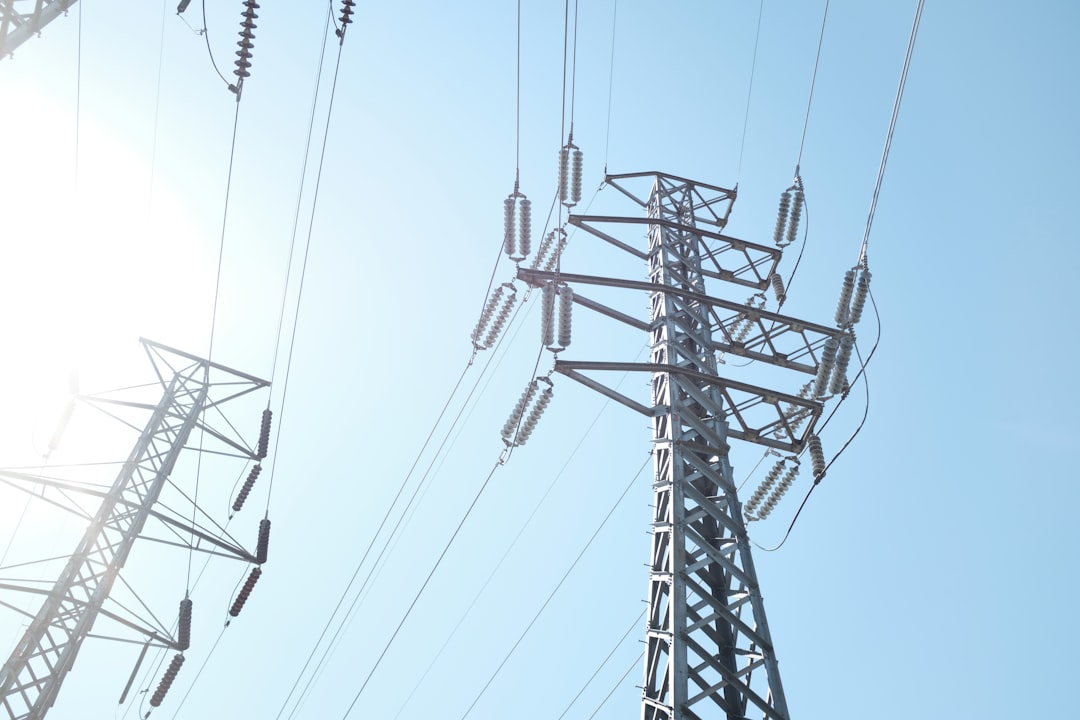
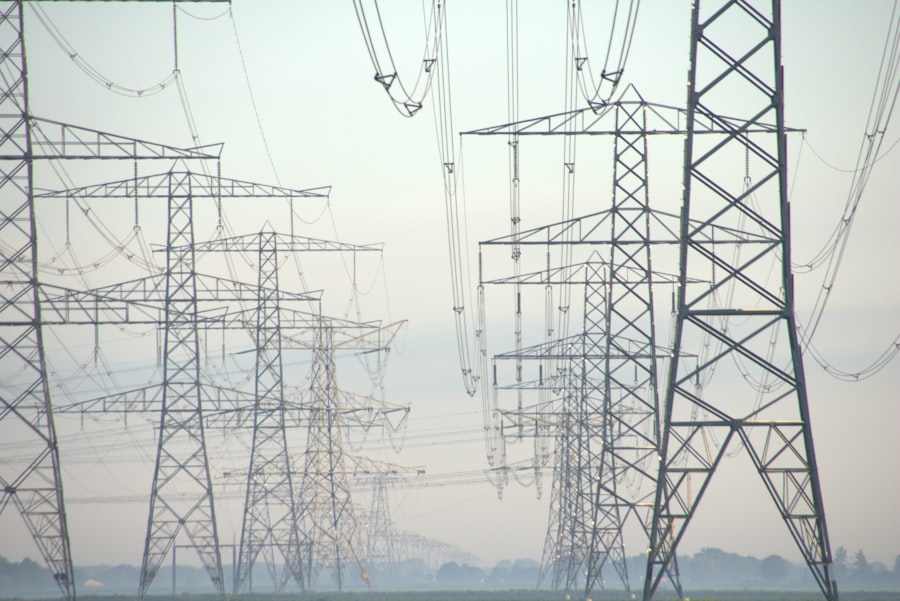
Think of transmission lines as the superhighways of the electrical grid. These are the large, high-voltage lines that carry electricity from power plants to substations located closer to populated areas. The costs associated with transmission lines include the physical materials (steel towers, conductors, insulators), the land required for their right-of-way (which can be extensive and expensive, especially in densely populated regions), and the ongoing maintenance to ensure their integrity and prevent outages. Environmental considerations, such as the impact on wildlife and landscape aesthetics, can also add to planning and construction costs. Upgrading and expanding the transmission network to accommodate new generation sources, particularly remote renewables, is a continuous and costly undertaking.
Substations: The Interconnection Hubs
Substations are critical nodes in the grid, acting as transfer points where the voltage of electricity is stepped up or down. They house complex equipment like transformers, circuit breakers, and switchgear. The costs here involve the purchase and installation of this specialized equipment, the land on which substations are built, and the constant maintenance required to ensure their reliable operation. Substations are also vulnerable to extreme weather events, requiring robust protective measures and rapid repair capabilities, all of which contribute to their overall cost.
Distribution Lines: The Local Roads
The final leg of the journey involves the distribution lines, the smaller, lower-voltage wires that run along your streets and into your homes. These are the most visible parts of the grid to many people. The costs include the installation of poles, wires, transformers attached to poles, and underground cabling. Maintaining these networks to prevent damage from falling trees, weather, or vehicle accidents is a significant ongoing expense. Furthermore, as more distributed energy resources, like rooftop solar panels, are integrated, the distribution network needs to be upgraded to handle two-way power flow, adding another layer of complexity and cost.
Understanding shared power grid costs is essential for consumers and policymakers alike, as it sheds light on how electricity pricing is determined and the implications for energy equity. For a deeper dive into the financial aspects of energy distribution and the factors influencing shared costs, you can refer to a related article that explores these themes in detail. Check it out here: How Wealth Grows.
The Operational Engine: Keeping the Grid Running Smoothly
Beyond the physical infrastructure, there are the ongoing operational costs that are essential for the grid’s day-to-day functioning. These are the expenses that ensure the lights stay on, even as demand fluctuates and unexpected events occur.
Grid Management and Balancing: The Art of Equilibrium
The power grid is a dynamic system. The amount of electricity being generated must precisely match the amount being consumed at every moment. This delicate balance is managed by grid operators, whose sophisticated systems and highly trained personnel work around the clock. The costs associated with grid management include the sophisticated software and hardware used for monitoring, forecasting demand, and dispatching generation resources. It also includes the salaries of the operators and engineers who make crucial real-time decisions to prevent blackouts. This is a high-stakes operation where errors can have significant consequences, so investments in robust control systems and skilled human capital are paramount.
Maintenance and Repair: The Unseen but Essential Work
No piece of machinery, however well-built, can operate indefinitely without attention. The power grid is no exception. Regular maintenance is crucial to prevent equipment failures and ensure the safety and reliability of the system. This includes everything from inspecting transmission towers for corrosion to cleaning insulators on substations and repairing damaged distribution lines. When equipment does fail, often due to weather events, accidents, or simple wear and tear, the costs of rapid repair and restoration are substantial. This includes the labor of skilled crews, the cost of replacement parts, and sometimes the emergency deployment of temporary solutions. The efficiency and speed of these repair efforts directly impact the duration and scope of any power outages, and therefore, the overall cost of maintaining reliability.
Understanding shared power grid costs can be complex, but it is essential for consumers and policymakers alike. For a deeper dive into the intricacies of energy distribution and the financial implications involved, you might find this article on energy economics particularly insightful. It explores various factors that influence grid costs and offers valuable perspectives on how these expenses are managed across different regions.
Technology Upgrades and Modernization: Evolving with the Times
The energy landscape is constantly evolving, driven by technological advancements and societal demands for cleaner, more reliable, and more efficient power. This necessitates continuous investment in upgrading and modernizing the grid.
Smart Grid Technologies: Enhancing Efficiency and Control
The concept of a “smart grid” refers to the integration of digital communication technologies into the existing electrical infrastructure. This allows for real-time monitoring, control, and data exchange across the grid. Smart meters in your homes, for example, provide detailed usage data that helps utilities understand demand patterns better and allows for more dynamic pricing. Smart grid technologies enable more sophisticated demand-side management, allowing for more efficient use of energy and reducing the need for costly peak generation. The investment in these technologies, including advanced sensors, communication networks, and data analytics platforms, is a significant component of grid modernization costs.
Integrating Distributed Energy Resources (DERs): A New Paradigm
The rise of distributed energy resources (DERs) – such as rooftop solar panels, battery storage systems, and electric vehicles – is fundamentally changing how electricity is generated and consumed. While these resources offer benefits like increased resilience and reduced reliance on centralized power, they also present challenges for grid operators. The grid needs to be capable of handling two-way power flow and managing the variability introduced by these decentralized sources. Upgrading substations, installing advanced inverters, and developing new software to manage these complex interactions are all part of the cost of integrating DERs into the existing grid infrastructure.
Regulatory and Policy Frameworks: The Rules of the Game
The costs associated with the power grid are not solely determined by engineering and operational considerations. Regulatory bodies and government policies play a significant role in shaping how these costs are incurred, allocated, and ultimately passed on to consumers.
Rate Setting and Oversight: Ensuring Fairness and Affordability
Public utility commissions (PUCs) or similar regulatory bodies are responsible for overseeing the rates that electricity providers can charge their customers. Utilities must file for rate increases, providing detailed justification for their expenses. The PUC then reviews these requests, considering factors like the cost of service, the need for infrastructure investments, and the impact on consumers. This process, while designed to protect consumers, involves significant administrative costs for both utilities and regulatory agencies. The ongoing cost of regulatory compliance, including data reporting, legal counsel, and expert testimony, is factored into the overall cost of doing business for utilities.
Environmental Regulations and Mandates: The Cost of a Cleaner Future
Governments often implement environmental regulations and mandates to address pollution and promote cleaner energy sources. These can include emissions standards for power plants, renewable portfolio standards (RPS) that require a certain percentage of electricity to come from renewable sources, and incentives for energy efficiency programs. Complying with these regulations can incur costs for utilities, such as investing in pollution control technology or purchasing renewable energy credits. While the ultimate goal is to benefit society and the environment, these mandates can add to the immediate cost of electricity.
Government Subsidies and Incentives: Shaping Energy Choices
Governments also utilize subsidies and incentives to encourage specific energy choices, such as the development of renewable energy technologies or the adoption of energy-efficient appliances. While these programs can help drive innovation and reduce the long-term cost of clean energy, they represent a public expenditure that is ultimately borne by taxpayers. The allocation of these funds, the administration of these programs, and their impact on market dynamics are all part of the complex economic landscape surrounding power grid costs.
The Consumer’s Share: How Costs Translate to Your Bill
Ultimately, all these interconnected costs find their way to your electricity bill. Understanding how this happens empowers you to make informed decisions and engage in discussions about energy policy.
The Bill Breakdown: Unpacking Your Monthly Charges
Your monthly electricity bill is a complex document that reflects a variety of charges. While the exact breakdown varies by utility and location, you’ll typically see charges for:
- Energy Consumption: This is the most straightforward component, based on the kilowatt-hours (kWh) of electricity you use. The price per kWh is influenced by all the generation, transmission, and distribution costs discussed earlier.
- Demand Charges: For some commercial and industrial customers, there might be demand charges based on the peak amount of electricity they draw at any given time. This reflects the cost of having sufficient generation capacity available to meet those peak demands.
- Fixed Charges: These are recurring charges that help cover the basic costs of maintaining the grid infrastructure, regardless of your consumption. This might include charges for customer service, meter reading, and a portion of the grid maintenance costs.
- Delivery Charges: These specifically cover the costs of transmitting and distributing electricity from the power plant to your home.
- Taxes and Fees: Various local, state, and federal taxes, as well as regulatory fees, are often added to your bill.
- Surcharges and Riders: These can be temporary or ongoing charges to cover specific costs, such as the amortization of past investments in grid upgrades, the cost of complying with renewable energy mandates, or the recovery of costs from unexpected events.
The Impact of Usage Patterns: Your Role in Cost Management
Your personal energy consumption patterns significantly influence your electricity bill. Understanding this connection is key to managing your costs and contributing to grid efficiency.
Peak vs. Off-Peak Usage: Understanding Time-of-Use Rates
Many utilities now offer time-of-use (TOU) rates, where the price of electricity varies depending on the time of day. During “peak” hours, when demand for electricity is highest (typically in the late afternoon and early evening), the cost per kWh is higher. This is because utilities often have to rely on more expensive, less efficient “peaker plants” to meet this surge in demand. During “off-peak” hours (overnight or during midday), the rates are lower. By shifting energy-intensive activities, like running your dishwasher or charging your electric vehicle, to off-peak hours, you can significantly reduce your electricity costs. This also helps the grid by reducing the strain during peak demand periods, lowering the overall system cost.
Energy Efficiency: The Most Cost-Effective Solution
One of the most impactful ways you can manage your electricity costs and reduce your contribution to grid expenses is through energy efficiency. Investing in energy-efficient appliances, improving home insulation, sealing air leaks, and adopting energy-saving habits (like turning off lights and unplugging electronics when not in use) directly reduce your energy consumption. This not only lowers your bill but also reduces the overall demand on the grid, lessening the need for costly new generation capacity and transmission infrastructure. Many utilities offer rebates and incentives for energy efficiency upgrades, making it a financially attractive option.
Advocacy and Engagement: Your Voice in Energy Policy
Understanding shared power grid costs empowers you to become an informed participant in energy policy discussions.
Supporting Grid Modernization: Investing in a Reliable Future
As you’ve learned, the grid needs continuous investment to remain reliable and adapt to new technologies. Supporting initiatives for grid modernization, even if they involve initial cost increases, can lead to long-term benefits such as improved reliability, reduced outages, and the integration of cleaner energy sources. This might involve advocating for sensible rate structures that encourage investment in smart grid technologies or supporting policies that facilitate the development of renewable energy infrastructure.
Promoting Energy Equity: Ensuring Fair Cost Distribution
It’s important to consider how power grid costs are distributed across different customer segments. Low-income households, for example, may struggle to absorb rising energy costs. Advocating for energy equity means supporting policies that ensure affordable and reliable energy access for all, while also promoting efficiency and conservation. This could involve supporting programs that offer assistance to vulnerable populations for energy efficiency upgrades or advocating for rate structures that don’t disproportionately burden low-income consumers.
In conclusion, the electricity you use is a product of a vast and intricate system with substantial costs. From the initial generation of power to its delivery to your doorstep, every step of the process incurs expenses that are shared among all consumers. By understanding these shared power grid costs – the infrastructure, operations, regulations, and your own usage patterns – you gain a deeper appreciation for the value of electricity and become a more engaged participant in shaping the future of our energy landscape. This knowledge empowers you to make informed choices, advocate for smarter investments, and contribute to a more efficient, reliable, and sustainable energy system for everyone.
Is AI About to Make Your Electric Bill Even Higher?
FAQs
What is a shared power grid?
A shared power grid refers to a system where multiple users or entities are connected to the same electrical grid to receive and distribute electricity.
How are the costs of a shared power grid determined?
The costs of a shared power grid are typically determined based on factors such as the amount of electricity used by each user, the infrastructure required to maintain the grid, and any additional services provided.
What are the benefits of a shared power grid?
Some benefits of a shared power grid include cost-sharing among users, increased reliability and stability of the grid, and the ability to access electricity from multiple sources.
How are shared power grid costs allocated among users?
Shared power grid costs are often allocated among users based on their electricity usage, with larger users typically paying a higher portion of the overall costs.
What are some challenges associated with shared power grids?
Challenges associated with shared power grids may include disagreements over cost allocation, maintenance and upgrade costs, and potential issues related to grid stability and reliability.