You’re sitting at a cozy table, the aroma of your favorite dish wafting towards you. The server presents the bill, and you hand over your credit or debit card, expecting a straightforward transaction. Yet, sometimes, you might notice a discrepancy on your bank statement, a pending charge that seems higher than your actual meal cost. This is where understanding restaurant authorization hold amounts becomes crucial, a small but significant detail in your dining experience that can prevent confusion and frustration.
The Initial Transaction: What is an Authorization Hold?
When you present your card at a restaurant, the process isn’t just a simple swipe and a final number. Instead, there’s an initial step involving an authorization hold. This is a temporary hold placed on your account by your bank or card issuer, initiated by the restaurant’s payment processor. Its primary purpose is to verify that you have sufficient funds or credit available to cover the potential total of your transaction. Think of it as a pre-check, a way for the restaurant to ensure they’ll be paid before you even finish your dessert.
Why Restaurants Implement Authorization Holds
Restaurants, like any business that accepts card payments, face risks. The most prominent risk is a customer not having enough funds to cover their bill, leading to a declined transaction. Beyond that, there’s the possibility of fraud. An authorization hold acts as a preliminary step to mitigate these risks. By placing a hold, the restaurant confirms the validity of your card and the availability of funds, significantly reducing the chances of an incomplete or fraudulent transaction. It’s a standard practice designed to protect both the merchant and the consumer by ensuring a smooth and secure payment process.
The Mechanics of a Card Authorization
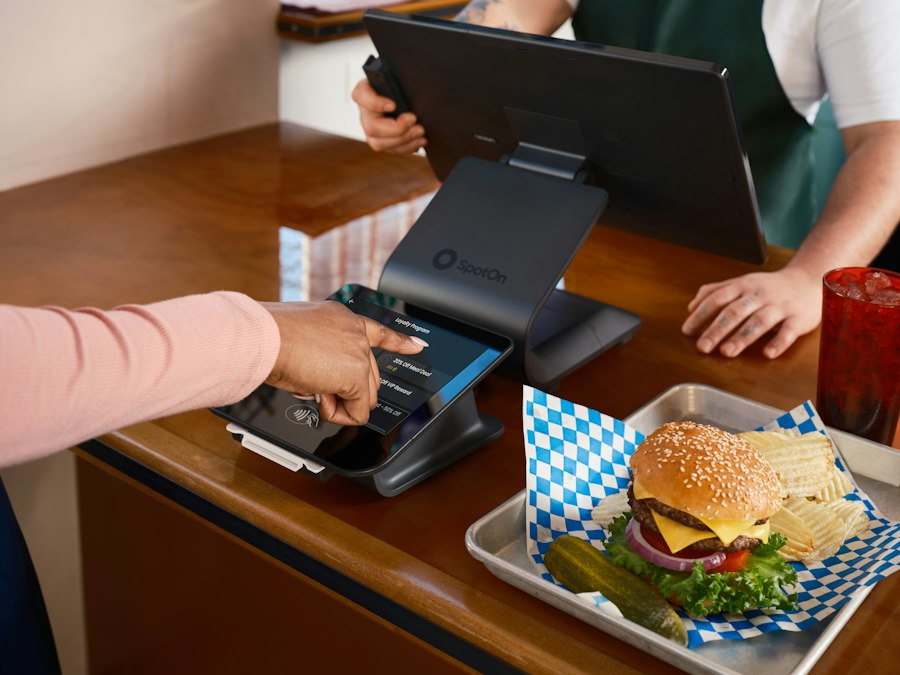
The moment you hand your card over, the restaurant’s point-of-sale (POS) system communicates with the payment processor. This processor then contacts your bank or card issuer to request authorization for a specific amount. Your bank checks your account balance or available credit. If everything aligns, they approve the transaction and place a temporary hold on that amount. This hold isn’t a debit; it’s more like a reservation of funds. Your actual money isn’t transferred at this point, but it is earmarked and temporarily unavailable for other purchases. The amount authorized is typically an estimate of the final bill.
When dining out, it’s important to understand the concept of restaurant authorization hold amounts, which can temporarily affect your available credit. For a deeper insight into this topic, you can read a related article that explains how these holds work and their impact on your finances. To learn more, visit this article.
Determining the Authorized Amount: A Calculated Guess
The figure you see as a pending authorization hold is rarely an exact science. Restaurants aim to estimate your final bill, but without knowing exactly what you’ll order, the number of drinks you’ll consume, or the generosity of your tip, they have to make a calculated guess. This estimation process can lead to the hold amount being higher than your eventual payment.
Estimating the Bill: The Base Cost and Beyond
At its most basic, the authorization hold will cover the estimated cost of your food and beverages. This is usually based on the menu prices. However, restaurants know that dining experiences often involve more than just the listed prices. They factor in potential additional orders, such as appetizers, extra drinks, or a dessert you might decide on spur of the moment. This proactive approach ensures that if you do add to your order, the funds are already available.
The Impact of Gratuity: A Significant Factor
One of the most significant contributors to a higher authorization hold amount is the anticipated gratuity, or tip. In many regions, tipping is an integral part of the dining culture and a substantial portion of a server’s income. To avoid the awkward situation of a tip being declined due to insufficient funds, restaurants often add a buffer to the authorization hold to accommodate a customary tip. This buffer can vary widely depending on the establishment and local tipping customs, but it’s a common reason why the hold might seem inflated. For instance, a restaurant might authorize 20-25% on top of the food and drink total.
Potential Additional Charges and Their Influence
Beyond food, drinks, and tips, other charges can sometimes influence the authorization hold. While less common in casual dining, higher-end establishments or places that offer additional services might factor these in. This could include valet parking fees, coat check charges, or even potential room service if you’re dining at a hotel restaurant. The goal is to pre-emptively cover all potential expenses associated with your visit, ensuring a seamless checkout process regardless of how your experience unfolds.
The Duration of a Hold: When Does It Disappear?

The suspense of a pending hold isn’t meant to last forever. Once the actual transaction is finalized – when you sign the receipt or the POS system completes the process – the authorization hold is released. However, the timing of this release is not instantaneous and can vary depending on several factors.
The Finalization of the Transaction: Your Role and the Restaurant’s
The primary trigger for the release of an authorization hold is the finalization of your bill. This happens when you either add a tip to the bill and approve the final amount, or when the restaurant manually closes out your check through their POS system. If you’ve paid with cash, the hold should be released immediately once the server processes the payment. However, with card payments, the system needs to communicate the completed transaction back to your bank.
Bank Processing Times: The Unseen Delays
Even after the restaurant has finalized your bill, the process of releasing the hold isn’t immediate. Your bank or card issuer needs to receive confirmation of the completed transaction from the payment processor. This communication can take time, and banks have their own internal processing schedules. While many banks release holds within 24-48 hours, some can take up to 72 business hours, or even longer in rare cases, especially over weekends or holidays. This processing delay is a common reason why you might see a hold linger for a few days.
Weekend and Holiday Lags: A Common Culprit
Weekends and public holidays often exacerbate the delay in hold releases. Since many banking systems operate on business days, transactions finalized late on a Friday or just before a holiday might not be fully processed until the next business day. This means an authorization hold could remain on your account for an extended period if your dining experience falls on or leads into a weekend or holiday. It’s a good practice to be aware of this and factor it in, especially if you have upcoming large expenses.
Releasing the Hold: What Happens When It’s Gone
The good news is that authorization holds are temporary. Once the actual payment is processed and your bank receives the final transaction details, the hold is released, and the funds become available again. The process is automatic, but understanding how it works can alleviate any confusion.
The Reversal and Availability of Funds
When the restaurant’s final transaction amount is sent to your bank, the authorization hold is effectively reversed. The authorized amount, which was temporarily inaccessible, is then freed up and becomes part of your available balance or credit line. You’ll see the pending charge disappear from your “pending transactions” list, and your available balance will reflect the corrected amount. This is the point where the money is truly yours to use again.
When to Contact Your Bank or Restaurant
If you notice an authorization hold that has been outstanding for an unusually long time – typically beyond the 72-hour mark or longer if a weekend/holiday was involved – it might be time to investigate. Your first point of contact should generally be your bank or card issuer. They can provide specific details on the status of the hold and the expected release time from their end. If your bank confirms there’s an issue on their side or if the hold has been outstanding for an excessive period, you can then follow up with the restaurant. It’s helpful to have the date of your visit and the transaction details ready when you contact them.
Preventing Future Confusion: Tips for Diners
To minimize confusion, be mindful of the authorization process when dining out. When you receive your bill and are about to tip, consider the total amount you are authorizing. If you suspect the initial hold might be significantly higher than you anticipate spending, you can politely inquire with your server about the typical authorization amount for their establishment. This proactive approach can help manage your expectations and avoid any surprises on your bank statement.
When dining out, many patrons may not be aware of the restaurant authorization hold amount that is placed on their credit or debit cards. This temporary hold can sometimes exceed the actual bill, leading to confusion and frustration for customers. For a deeper understanding of how these holds work and their impact on your finances, you can read a related article that provides valuable insights on this topic. To learn more, check out this informative piece on restaurant authorization holds.
The Legal and Practical Implications of Authorization Holds
| Restaurant Name | Authorization Hold Amount | Transaction Date | Hold Duration (hours) | Status |
|---|---|---|---|---|
| The Gourmet Kitchen | 50.00 | 2024-06-10 | 24 | Released |
| Seafood Delight | 75.00 | 2024-06-11 | 48 | Pending |
| Urban Grill | 40.00 | 2024-06-12 | 24 | Released |
| Pizza Palace | 30.00 | 2024-06-12 | 24 | Pending |
| Vegan Bistro | 60.00 | 2024-06-13 | 36 | Released |
While authorization holds are standard practice, they do have legal and practical implications for consumers. Understanding these can help you navigate the system with more confidence.
Consumer Rights and Protections
You have rights regarding how your payment information is handled. While an authorization hold is not a completed transaction, it does temporarily restrict access to your funds. Laws and regulations, such as those governed by the Fair Credit Reporting Act (FCRA) in the United States, aim to protect consumers from unfair practices. However, these regulations primarily focus on the final transaction and credit reporting, not directly on the temporary nature of authorization holds. Nevertheless, the general principle of fair business practices applies.
Over-Authorization and Dispute Resolution
In situations where a restaurant consistently over-authorizes by a substantial amount without clear justification or fails to release holds promptly, it could potentially lead to a dispute. If you believe an authorization hold is unreasonable or has caused you financial hardship, you have the right to dispute the charge with your bank. The dispute resolution process will involve your bank investigating the claim, which may require evidence from both you and the merchant. It’s usually a last resort, as most holds are resolved within the standard timeframe.
The Role of Technology and Future Trends
The technology behind payment processing is constantly evolving. With the rise of contactless payments, mobile wallets, and sophisticated POS systems, authorization processes are becoming more streamlined. Future trends might see even faster release times for authorization holds or more transparent communication about the estimated hold amounts. As technology advances, the aim is to make the payment experience as seamless and transparent as possible for both consumers and businesses. Understanding the current system is the first step in appreciating these advancements and ensuring you’re not caught off guard by the temporary earmarking of your funds.

Approved at Checkout… Fee the Next Morning? Why Banks Do This.
FAQs
What is a restaurant authorization hold amount?
A restaurant authorization hold amount is a temporary charge placed on a customer’s credit or debit card to ensure there are sufficient funds available to cover the cost of the meal and potential additional charges like tips.
How is the restaurant authorization hold amount determined?
The restaurant authorization hold amount is typically based on the estimated total cost of the meal, including taxes and a standard percentage for tips. It may vary depending on the restaurant’s policies and the type of meal being ordered.
When is the restaurant authorization hold amount charged to the customer’s card?
The restaurant authorization hold amount is usually charged to the customer’s card when the order is placed or when the meal is completed. It may take a few days for the hold to be released and the final charge to appear on the customer’s statement.
Can the restaurant authorization hold amount be adjusted after the meal?
Yes, the restaurant authorization hold amount can be adjusted after the meal to reflect the final total, including any changes to the initial estimate such as additional items ordered or a different tip amount.
Are there any risks associated with restaurant authorization hold amounts?
One potential risk is that the hold amount may temporarily reduce the available balance on the customer’s card, which could impact their ability to make other purchases. It’s important for customers to be aware of these holds and plan their spending accordingly.