You’re staring at your bank statement, a familiar knot of anxiety tightening in your stomach. There it is, a line item that makes your eyes widen and your wallet feel suddenly lighter: “Overdraft Fee.” It’s a common, and often frustrating, experience. You thought you had enough money, or maybe you just miscalculated. Whatever the reason, that unexpected charge can be a real blow. But understanding what an overdraft fee truly is, how it happens, and what you can do about it is the first step to regaining control of your finances. This article is designed to demystify those charges, break down the jargon, and equip you with the knowledge to navigate these potentially costly situations.
What Exactly is an Overdraft?
At its core, an overdraft occurs when you spend more money than you have available in your checking account. Think of your checking account like a container for your money. When you write a check, use your debit card, or set up an automatic bill payment, you’re essentially asking your bank to take money out of that container. If the request for funds exceeds the amount of money currently in the container, that’s an overdraft. However, banks don’t always simply reject the transaction. Many offer a service, often called overdraft protection or overdraft coverage, which allows the transaction to go through, but charges you a fee for the privilege.
The Mechanics of an Overdraft Transaction
When you make a purchase that would put your account balance below zero, several things can happen depending on your bank’s policies and your personal settings. If you haven’t opted into overdraft protection, the transaction will likely be declined. This means your card will be declined at the store, your check will bounce, or your bill payment will be returned unpaid. While this avoids a fee from the bank, it can lead to other consequences, such as merchant fees for bounced checks or service disruptions for unpaid bills.
However, if you have opted into overdraft protection, your bank might cover the difference. This means your debit card purchase will go through, and your bills will be paid. This can be a lifesaver in a pinch, preventing embarrassing declines or late payment penalties from merchants. But this convenience comes at a price. The bank is essentially lending you money, albeit for a very short period, and they charge a fee for this service. This fee is what you see as the “overdraft fee” on your statement. The amount of this fee can vary significantly between banks, but it’s often a flat rate, meaning a $5 overdraft can cost you $35 or more.
Understanding “Available Balance” vs. “Current Balance”
This is a crucial distinction that often trips people up and leads to unexpected overdrafts. Your “current balance” is the total amount of money that has been deposited into your account. However, your “available balance” is the amount you can actually spend. This difference arises because of pending transactions. When you use your debit card or write a check, the money is deducted from your account immediately from your perspective, but it might take a day or two for the transaction to fully clear and be processed by the bank. During this clearing period, that money is still technically in your account, reflected in your current balance, but it’s earmarked for the pending transaction and therefore not available for you to use.
For example, imagine you have a current balance of $200. You make a purchase for $150 with your debit card. Your current balance still shows $200 (or perhaps $50 if the transaction has already posted, but not yet fully cleared in the bank’s system). However, your available balance might be only $50 because that $150 transaction is pending. If you then try to make another purchase for $75, thinking you have $200 available, you might inadvertently overdraft your account, as only $50 was truly available. Many banks use the available balance to determine if an overdraft occurs, which is why it’s so important to monitor this figure, not just your current balance.
If you’ve recently noticed an overdraft fee on your bank statement, you might find it helpful to read a related article that explains how to avoid such fees in the future. Understanding the policies of your bank and managing your account effectively can save you money. For more insights, check out this informative piece on overdraft fees at How Wealth Grows.
How Overdraft Fees Appear on Your Statement

Your bank statement is your financial roadmap, detailing every transaction, deposit, and fee. Overdraft fees are typically clearly labeled, but the exact wording can vary. Recognizing these labels is the first step in understanding the charges you’re incurring.
Common Terminology for Overdraft Fees
You’ll most likely see phrases like “Overdraft Fee,” “NSF Fee” (Non-Sufficient Funds Fee), or “Returned Item Fee.” While the underlying cause might be the same – insufficient funds to cover a transaction – the specific terminology can sometimes indicate how the bank handled the situation. An “Overdraft Fee” generally implies that the bank allowed the transaction to go through and covered the difference. An “NSF Fee” or “Returned Item Fee” often implies that the bank did not cover the transaction, and it was returned unpaid. This distinction is important because while both are fees for having insufficient funds, the consequences for the merchant or recipient can be different. For example, a bounced check might incur a returned item fee from your bank, and also a penalty fee from the person or business you wrote the check to.
Decoding the Fee Structure
It’s not uncommon for a single transaction that causes an overdraft to result in multiple fees. Some banks charge a fee for each transaction that overdraws your account, even if it’s within the same day. Others might have a daily cap on overdraft fees. Additionally, some accounts may have a grace period where you can bring your balance back into positive territory before a fee is assessed. It’s crucial to read the fine print of your bank’s account agreement to understand their specific fee structure, including any daily limits, grace periods, and the exact amount charged per overdraft incident. Don’t be afraid to ask your bank for a clear explanation of their overdraft fee policies.
The True Cost of Overdrafts
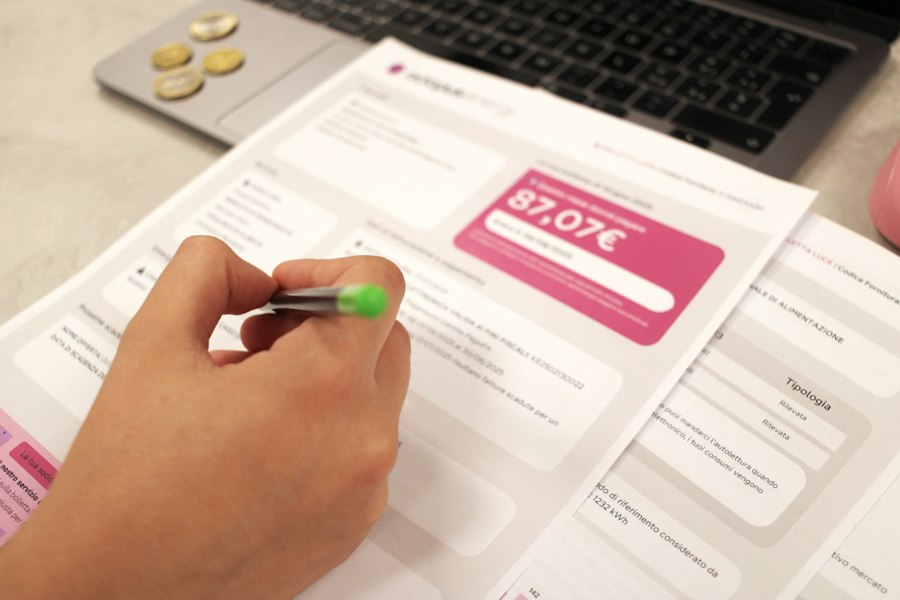
Overdraft fees are not just a small inconvenience; they can represent a significant financial burden, especially if they become a recurring issue. The seemingly straightforward fee on your statement often masks a more complex and expensive reality.
The High Annual Percentage Rate (APR) Analogy
While banks may not explicitly label overdraft fees as an APR, the effective interest rate you’re paying on the borrowed amount is astronomically high. If you overdraft your account by $50 and are charged a $35 fee, and this situation only lasts for a few days, you’ve essentially paid $35 for a short-term loan of $50. If you were to annualize that cost, the APR would be in the triple or even quadruple digits. This makes overdraft fees one of the most expensive forms of credit available. For context, typical credit card APRs are in the 15-25% range. The rapid escalation of costs associated with overdrafts highlights their predatory nature when used frequently.
Accumulation of Fees and Escalating Debt
One of the most insidious aspects of overdrafts is how easily they can snowball. If you’re struggling to keep your account balanced, one overdraft fee can easily trigger another. You might be overdrawn by $50 and charged a $35 fee, bringing your negative balance to $85. If you then receive a bill for $100, and your available balance is still negative, you might overdraw again, incurring another fee. This cycle can quickly lead to a significant negative balance that becomes increasingly difficult to repay. Furthermore, some banks continue to charge daily overdraft fees until your account is brought back into positive territory, further exacerbating the debt.
Strategies to Avoid Overdraft Fees
The best way to deal with overdraft fees is, of course, to avoid them altogether. Thankfully, there are several proactive strategies you can employ to keep your account in the black and your bank statement fee-free.
Proactive Budgeting and Tracking
The foundation of avoiding overdrafts lies in diligent budgeting and meticulous tracking of your spending. This means knowing exactly how much money you have coming in and how much is going out. Regularly review your bank statements and your online banking portal to stay on top of your transactions. Many banking apps allow you to set up alerts for low balances, which can be an invaluable tool. Beyond just tracking, create a realistic budget that accounts for all your expenses, including discretionary spending. By understanding your financial landscape, you can make informed decisions about your spending and avoid accidental overspending.
Utilizing Overdraft Protection Services Wisely
While it might seem counterintuitive to recommend a service that facilitates overdrafts, understanding and utilizing overdraft protection services wisely can be a valuable tool, but it requires careful consideration of the associated costs and your own spending habits. Many banks offer overdraft protection that links your checking account to a savings account, a line of credit, or a credit card. When you overdraft, funds are automatically transferred from your linked account to cover the shortfall. This can prevent the transaction from being declined and potentially save you from a higher overdraft fee, especially if the transfer fee is lower than the standard overdraft fee. However, it’s crucial to be aware of any transfer fees associated with this service and to ensure you have sufficient funds in your linked account to cover potential overdrafts. If you have a line of credit or credit card linked, understand the interest rates that will apply to the transferred amount, as this can quickly become more expensive than a one-time overdraft fee.
Opting Out of Overdraft Coverage for Debit Card Transactions
A significant change in banking regulations in recent years has given you more control over whether your bank can charge you overdraft fees for debit card transactions and ATM withdrawals. Previously, many banks automatically enrolled customers in overdraft coverage for these types of transactions. Now, under the CARD Act (Credit CARD Act of 2009) and subsequent regulatory interpretations, banks must get your affirmative consent before they can charge you overdraft fees for everyday debit card purchases and ATM withdrawals. If you haven’t opted in, your transaction will simply be declined if you don’t have sufficient funds. While this might lead to an embarrassing moment at the checkout, it prevents you from incurring an overdraft fee. Weigh the potential for embarrassment against the cost of fees. For many, opting out is a wise choice to avoid unnecessary charges.
If you’ve recently noticed an overdraft fee on your statement, you might find it helpful to read more about managing your finances effectively. Understanding how these fees work can help you avoid them in the future. For additional insights, check out this informative article on financial management strategies at How Wealth Grows, which offers tips on budgeting and maintaining a healthy bank balance.
When to Seek Help and Negotiate
| Date | Description | Amount | Fee Type | Balance After Fee |
|---|---|---|---|---|
| 2024-05-01 | Overdraft Fee | 35.00 | Standard Overdraft Fee | -15.00 |
| 2024-05-15 | Overdraft Fee | 35.00 | Standard Overdraft Fee | -50.00 |
| 2024-06-05 | Overdraft Fee | 35.00 | Extended Overdraft Fee | -85.00 |
If you’ve found yourself struggling with overdraft fees, you’re not alone, and there are avenues for seeking help and potentially reducing the impact on your finances. Don’t be afraid to advocate for yourself and explore your options.
Understanding Your Bank’s Fee Waivers and Negotiation Tactics
Banks, particularly when dealing with long-term customers or those who demonstrate a commitment to improving their financial habits, may be willing to waive or reduce overdraft fees. If you’ve incurred fees due to an unusual circumstance or if you’ve recently made significant efforts to improve your account management, consider contacting your bank. Explain your situation calmly and professionally. Highlight any efforts you’ve made to avoid future overdrafts. Some banks have a “one-time courtesy waiver” they’re willing to extend. It’s also worth noting that while the fee amount is often set, the number of fees you’ve incurred might be negotiable, especially if you can show you’ve corrected the underlying issue.
Exploring Financial Counseling and Resources
If overdraft fees are a persistent problem, it’s a sign that you might benefit from broader financial guidance. Non-profit credit counseling agencies can offer invaluable assistance. These organizations provide free or low-cost services, including budgeting assistance, debt management plans, and education on financial literacy. They can help you identify the root causes of your financial struggles and develop a sustainable plan for managing your money effectively. Talking to a financial counselor can provide you with objective advice and empower you with the tools and knowledge to break free from a cycle of debt and fees. They can also help you explore options like consolidating debt or negotiating with creditors if your overdraft issues are part of a larger financial challenge. Your bank might also have educational resources or partnerships with financial counseling services they can direct you to.

Approved at Checkout… Fee the Next Morning? Why Banks Do This.
FAQs
What is an overdraft fee?
An overdraft fee is a charge imposed by a financial institution when a customer’s account balance goes below zero, and the bank covers the transaction on their behalf.
How much is the typical overdraft fee?
The typical overdraft fee can range from $25 to $35 per transaction, but the exact amount may vary depending on the bank and the type of account.
Can I avoid overdraft fees on my statement?
Yes, you can avoid overdraft fees by monitoring your account balance regularly, setting up alerts for low balances, linking your checking account to a savings account for overdraft protection, or opting out of overdraft coverage altogether.
What happens if I don’t pay the overdraft fee?
If you don’t pay the overdraft fee, the bank may charge additional fees, report the unpaid amount to credit bureaus, close your account, or take legal action to recover the funds.
Are there any regulations regarding overdraft fees?
Yes, there are regulations in place, such as the Federal Reserve’s Regulation E, which requires banks to obtain your consent before enrolling you in overdraft protection programs for ATM and one-time debit card transactions.