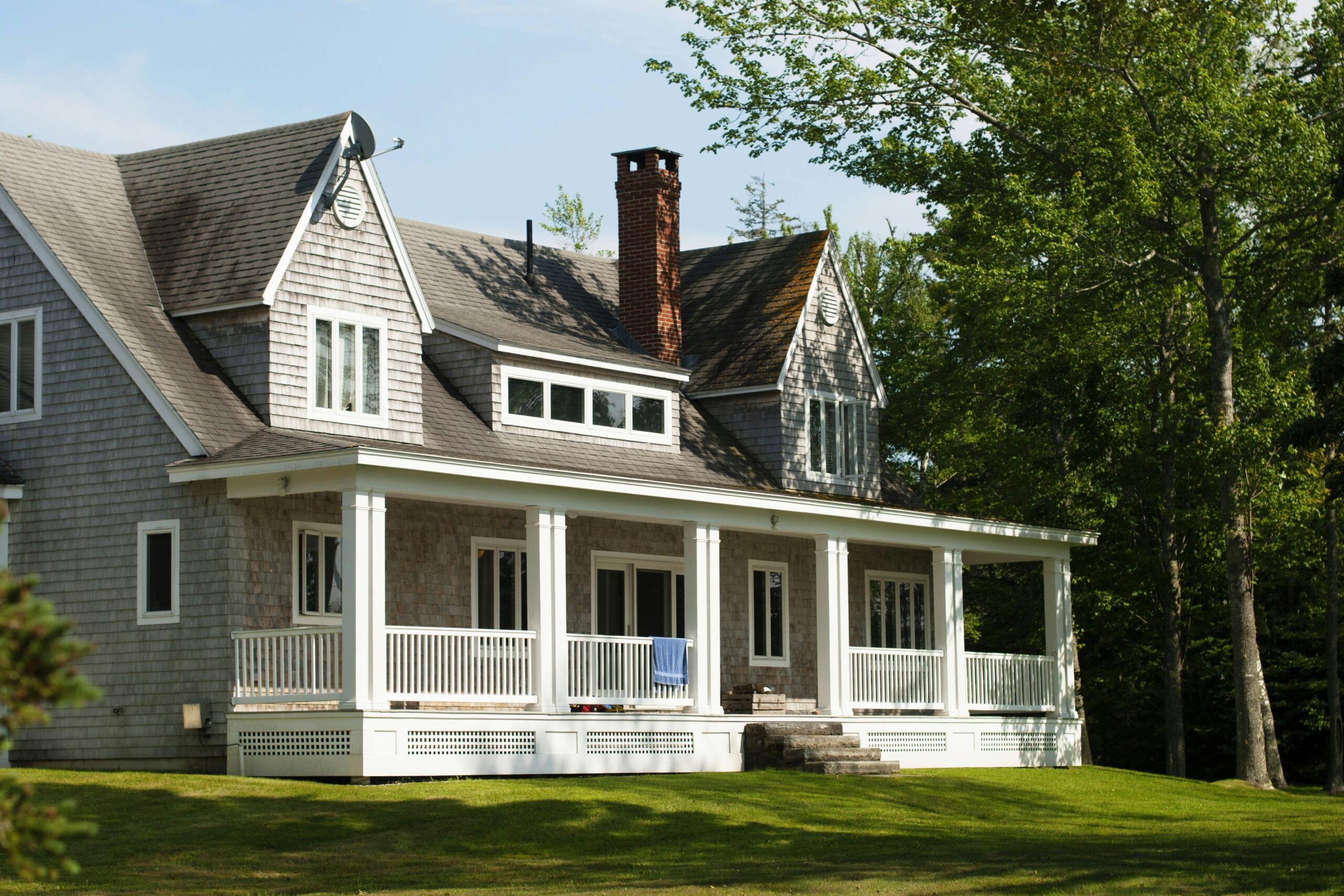
You’re excited. The market report landed in your inbox, and your home’s value has soared! Congratulations, right? But hold on a minute. Before you start planning that extravagant renovation or dreaming about your next move, it’s crucial to understand that this apparent surge might be misleading. You’re witnessing house appreciation, but it’s not necessarily a true reflection of your home’s intrinsic value or a reliable indicator of future gains. Often, this misleading appreciation is a byproduct of temporary market fluctuations, and recognizing these shifts is key to making sound financial decisions.
You’ve likely heard the buzz. Prices are climbing, bidding wars are rampant, and homes are flying off the market. This is the “hot market” phenomenon, and while it feels exhilarating, it can be a potent source of misleading house appreciation. In this environment, demand drastically outstrips supply. Buyers, desperate to secure a home, are willing to pay premiums, sometimes pushing prices well beyond what a property’s underlying fundamentals would typically support. This surge isn’t necessarily driven by improvements to your neighborhood or the structural integrity of your home; it’s a product of buyer urgency and a scarcity of options.
Understanding the Supply and Demand Equation
At its core, real estate appreciation is influenced by the fundamental economic principle of supply and demand. When demand is high and supply is low, prices naturally rise. In a hot market, this imbalance is amplified. Think of it like a popular concert – when tickets are limited and everyone wants one, the scalper price skyrockets. Similarly, in real estate, when there are few homes for sale and many buyers actively looking, the perceived value of those available homes inflates.
The Impact of Low Interest Rates
One of the most significant drivers of increased demand, and consequently, misleading appreciation, is low interest rates. When mortgage rates are low, borrowing money becomes cheaper. This allows more people to qualify for larger mortgages, increasing their purchasing power. Consequently, more buyers enter the market, willing and able to pay higher prices. This injection of eager buyers, fueled by accessible credit, can artificially inflate home values beyond their sustainable levels. You might see your home’s value climb because the average buyer can afford more, not necessarily because your home has become inherently more valuable in a fundamental sense.
The Psychology of FOMO (Fear Of Missing Out)
The feeling of being left behind can be a powerful motivator. In a rapidly appreciating market, buyers experience FOMO. They see their neighbors selling for impressive figures and worry that if they don’t act now, they’ll miss out on significant gains. This psychological pressure can lead to rushed decisions and overbidding, further contributing to the artificial inflation of prices. You might be seeing appreciation because other sellers are getting these inflated prices, and the market is setting a new, temporary benchmark based on collective urgency.
External Factors Fueling the Frenzy
Beyond interest rates, several other external factors can contribute to a market frenzy and, by extension, misleading appreciation. These are often temporary conditions that can quickly dissipate, leaving home values vulnerable to a correction.
Investor Activity and Speculation
When real estate markets show strong upward momentum, they attract investors. These investors are often looking for quick returns and may engage in speculative buying, purchasing properties with the expectation of selling them quickly at a higher price. This influx of investor capital can further tighten supply and drive up prices, even for properties that may not be in ideal condition or located in highly desirable areas. This speculative demand is inherently temporary, as investors will exit the market when they perceive risks outweighing potential rewards, potentially leading to a price correction.
Economic Boom Periods and Job Growth
Periods of strong economic growth and robust job creation can also fuel real estate appreciation. When people are confident about their job security and economic prospects, they are more likely to invest in housing. Significant job growth in a particular area can lead to an influx of new residents, increasing the demand for housing. While sustained job growth can contribute to long-term appreciation, a temporary economic boom, especially one driven by factors that might not be sustainable, can lead to a short-term spike in prices that is not indicative of long-term value.
When considering the appreciation of your house, it’s important to recognize that the figures often presented can be misleading due to various factors such as market fluctuations, local economic conditions, and the overall housing demand. For a deeper understanding of these complexities and how they can impact your perception of home value, you can read a related article that delves into these issues. Check it out here: Why Your House Appreciation May Be Misleading.
Recognizing the Signs of Temporary Valuation
While a rising market can be exciting, it’s crucial to develop a discerning eye. Misleading appreciation often exhibits certain characteristics that can signal its temporary nature. Learning to identify these signs will protect you from making decisions based on inflated figures.
The Speed of Appreciation: Too Fast, Too Furious?
When you observe an exceptionally rapid increase in home values over a short period, it’s a red flag. Sustainable appreciation typically occurs at a more measured pace, reflecting genuine improvements in the market and the economy. A sudden, dramatic jump in prices is often a sign of a market overheating, driven by speculation or temporary demand surges rather than organic growth. Think about it: if your home’s value doubles in a year, while neighboring areas with similar homes only saw a 10% increase, there’s likely an unusual factor at play.
Comparing with Similar Properties: Are the Sales Realistic?
A key indicator of misleading appreciation is when sales prices for comparable homes (comps) seem unusually high, even for the current market. Are these sales truly reflecting the condition, features, and location of those homes, or are they simply the result of desperate buyers overpaying? Scrutinize the details of recent sales in your neighborhood. If you see a string of sales where homes are selling for significantly above asking price, with multiple offers, and waived contingencies, it points towards a highly competitive and potentially inflated market.
The Absence of Fundamental Improvements
True, sustainable house appreciation is often driven by tangible improvements. These can include infrastructure development in the area, new amenities, improved school districts, or significant economic investment leading to job growth. If your home’s value is rising without any accompanying improvements to the neighborhood or local economy, it’s likely that the appreciation is being driven by external, temporary factors. A beautiful new park or a major company moving into town can genuinely increase property values. If your home’s value is climbing simply because everyone else’s is, that’s a different story.
Lack of Renovation or Upgrades in the Neighborhood
Conversely, if the surrounding homes are showing signs of neglect, or if there hasn’t been significant new development or investment in the neighborhood for years, yet prices are soaring, it strongly suggests that the appreciation is not tied to actual property enhancements. Your home is part of a larger ecosystem, and its value is influenced by its surroundings. If the surroundings aren’t improving, and prices are still climbing, the rise is likely artificial.
Market Saturation and the Shift in Sentiment
Even the hottest markets can eventually reach a point of saturation. When there are fewer buyers willing or able to purchase at the inflated prices, or when the supply of homes begins to increase, the market can shift. This shift can lead to a rapid decline in prices, as sellers scramble to offload their properties before they depresee further. Monitoring market sentiment and inventory levels is crucial.
The Return of Inventory: A Sign of Cooling
As more homes come onto the market, the supply-demand balance begins to shift. This increase in inventory can signal a cooling market. If you’ve seen a dramatic decrease in the number of homes for sale, followed by a gradual increase, it’s a strong indication that the frenzy is subsiding. This is often the first sign that the temporary appreciation you’ve witnessed might be reversing.
The Impact of Misleading Appreciation on Your Financial Decisions
Understanding that your home’s appreciated value might be temporary is crucial for making informed financial decisions. Acting as if this inflated value is permanent can lead to significant financial missteps.
Overleveraging Your Home Equity
One of the most common mistakes is taking out home equity loans or lines of credit based on an inflated valuation. If your home’s value drops, you could find yourself owing more than your home is worth, creating a precarious financial situation. This is particularly risky if you are borrowing for non-essential expenses or investments that don’t offer a guaranteed return.
The Risks of Cash-Out Refinances
A cash-out refinance, where you borrow against your home’s equity, can be tempting when you see your home’s value skyrocket. However, if that appreciation is temporary, you could be locking in a higher loan amount at a time when your home’s actual worth is plateauing or declining. This means you’ll be making mortgage payments on an amount that might not be supported by the property’s true market value.
Making Unwise Investment Choices
The allure of quick profit can lead to poor investment decisions. If you’re considering selling your home because you believe you’ve achieved a substantial gain, but the market is about to correct, you might be selling at the peak of a temporary bubble. Conversely, if you’re renovating your home with the expectation of recouping your investment through immediate, inflated resale value, you could be disappointed.
Underestimating the Cost of Selling and Buying
Selling your home involves significant costs: agent commissions, closing costs, moving expenses, and potential repairs. If you sell based on misleading appreciation, you might find that after these costs, your actual profit is far less than you anticipated. Similarly, if you plan to buy a new home, and the market you’re moving to is also experiencing temporary appreciation, you could be paying an inflated price for your next property.
Ignoring the Importance of Long-Term Value
Focusing solely on short-term appreciation can blind you to the importance of long-term value drivers. Sustainable home appreciation is built on factors like location, community, quality of construction, and ongoing maintenance. These are the elements that contribute to a home’s enduring desirability and value, irrespective of temporary market fluctuations.
The Difference Between Investment and Speculation
It’s vital to distinguish between investing in your home for long-term wealth creation and speculating on short-term market gains. Investing implies a belief in the underlying value and potential for sustained growth. Speculation, on the other hand, is driven by the hope of quick profits from market volatility. Misleading appreciation can often blur this line, encouraging speculative behavior.
Strategies for Navigating a Volatile Market

Navigating a market with misleading house appreciation requires a strategic and cautious approach. It’s about staying grounded in reality, even when the market seems to be soaring.
Conduct Thorough Market Research
Don’t rely solely on automated valuation models or general market reports. Dive deep into your local market. Understand the specific factors driving prices in your area. Talk to local real estate agents who have their finger on the pulse of your neighborhood.
Analyzing Local Economic Indicators
Look beyond national trends. Investigate local economic indicators: are new businesses opening? Is there significant job growth? Are there major infrastructure projects planned? These factors can provide a more accurate picture of your home’s long-term appreciation potential than a broad market surge.
Focus on Your Home’s Intrinsic Value
Instead of fixating on the fluctuating market price, concentrate on improving your home’s intrinsic value. This means making smart upgrades that enhance its functionality, comfort, and appeal. These improvements are more likely to contribute to sustainable appreciation.
Prioritizing Maintenance and Upgrades
Regular maintenance is paramount. A well-maintained home will always hold its value better than one that is neglected. When considering upgrades, think about what truly adds long-term value – energy-efficient improvements, modernizing kitchens and bathrooms, or enhancing curb appeal are generally sound investments. Avoid trendy, fleeting design choices that may not stand the test of time.
Seek Professional, Unbiased Advice
When making significant financial decisions related to your home, consult with professionals who have your best interests at heart. This includes real estate agents, financial advisors, and potentially mortgage brokers.
Choosing an Agent Who Understands Market Nuances
Not all real estate agents are created equal. Look for an agent who has a deep understanding of your local market and can provide objective advice, rather than simply encouraging you to sell at any price. An experienced agent can help you discern between genuine appreciation and temporary market inflation.
Consulting a Financial Advisor for Long-Term Planning
A financial advisor can help you integrate your home’s value into your overall financial plan. They can provide guidance on whether it’s prudent to tap into your home equity, how to manage potential market downturns, and how to make informed decisions about your real estate investments in the context of your broader financial goals.
When considering the appreciation of your home, it’s important to recognize that the numbers can often be misleading due to various factors such as market fluctuations and local economic conditions. For a deeper understanding of this phenomenon, you might find it helpful to read a related article that discusses these complexities in detail. This article highlights how external influences can distort the perceived value of your property, making it essential for homeowners to look beyond simple appreciation figures. To explore this topic further, check out this insightful piece on home value appreciation.
The Long Game: Sustainable Appreciation Over Fleeting Gains
| Reasons | Explanation |
|---|---|
| Market Fluctuations | The housing market can experience fluctuations due to economic conditions, interest rates, and supply and demand. |
| Location Factors | The location of a property can greatly impact its appreciation, with factors such as neighborhood development and amenities playing a role. |
| Renovation Costs | Renovations and maintenance costs can eat into the overall appreciation of a property, especially if they are not factored into the initial purchase price. |
| Hidden Expenses | There may be hidden expenses such as property taxes, insurance, and maintenance that can reduce the actual appreciation of a property. |
Ultimately, your goal should be to achieve sustainable house appreciation, not to ride a temporary market wave. This requires patience, a focus on fundamental value, and a clear understanding of market dynamics. Misleading appreciation can be a tempting mirage, but by understanding its causes and recognizing its signs, you can make sound decisions that lead to genuine, long-term wealth creation through your real estate investments. Remember, a home is often your most significant asset; treat it with the diligence and foresight it deserves.

Your House Went Up $200K. You Didn’t.
FAQs
1. What is house appreciation?
House appreciation refers to the increase in the value of a house over time. This increase can be due to various factors such as market demand, improvements to the property, or overall economic conditions.
2. Why might house appreciation be misleading?
House appreciation can be misleading because it does not always accurately reflect the true value of a property. Factors such as inflation, market fluctuations, and location-specific trends can inflate or deflate the perceived appreciation of a house.
3. How does inflation impact house appreciation?
Inflation can impact house appreciation by artificially inflating the value of a property. As the value of money decreases over time, the nominal value of a house may appear to increase, but the real purchasing power of that value may not have changed significantly.
4. What are some location-specific trends that can impact house appreciation?
Location-specific trends such as changes in neighborhood demographics, local economic conditions, and infrastructure developments can significantly impact house appreciation. A house in a rapidly developing area may appear to appreciate more quickly than a similar house in a stagnant or declining neighborhood.
5. How can homeowners accurately assess the appreciation of their house?
Homeowners can accurately assess the appreciation of their house by considering factors such as inflation, local market trends, and the true purchasing power of the property’s value. Consulting with real estate professionals and staying informed about local market conditions can also provide a more accurate understanding of house appreciation.