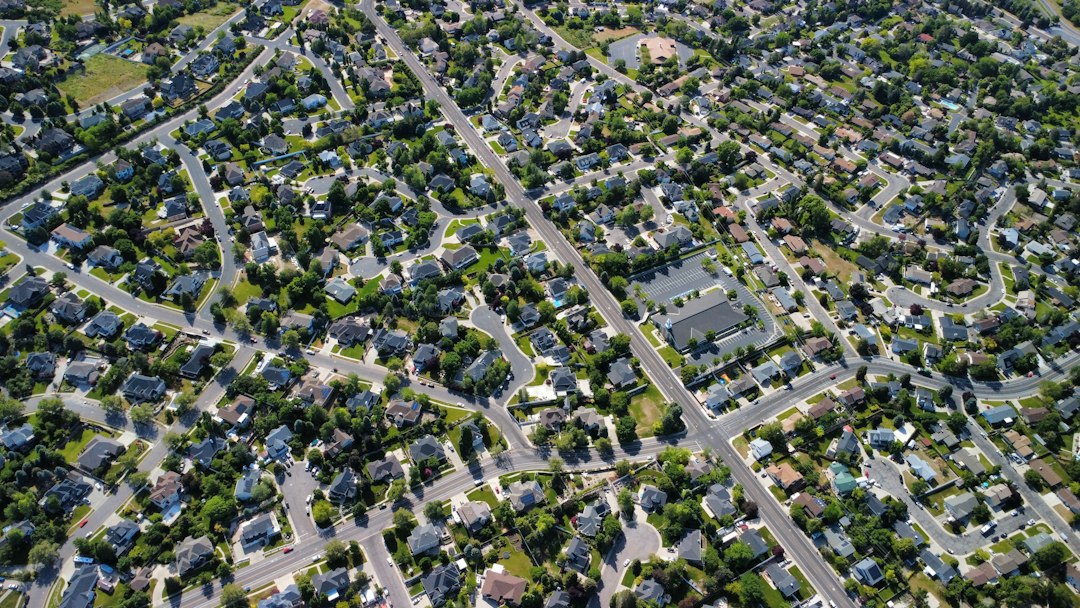
You’ve probably seen it on property listings, a small asterisk next to the acreage or square footage, hinting at a constraint you might not immediately grasp. That’s where minimum lot size zoning comes into play, a crucial element of urban planning that shapes the very fabric of your community and influences your ability to build or develop property. It’s not just about how big your yard is; it’s a complex system designed to manage growth, preserve character, and ensure a certain quality of life. Let’s delve into what minimum lot size zoning truly means, why it exists, and how it impacts you.
At its core, minimum lot size zoning is a land-use regulation that dictates the smallest permissible area for a property parcel within a specific geographic zone. Think of it as a minimum standard for the land itself, before any buildings are even considered. This isn’t about the size of your house, but rather the dimensions of the land you own. Municipalities, whether cities, towns, or counties, enact these regulations as part of their broader zoning ordinances, which are essentially rules governing how land can be used.
The Purpose Behind the Parameters
Why would a town tell you how small your piece of land can be? The reasons are multifaceted and often intertwined.
Managing Density and Population Growth
One of the primary drivers behind minimum lot size zoning is the desire to control population density. Larger minimum lot sizes inherently limit the number of residences that can be built in a given area. This is particularly relevant in rapidly growing communities where unchecked development could lead to overcrowding, strain on infrastructure, and a decline in the quality of life. By requiring larger lots, planners can effectively pace development and prevent sprawling urbanization that might overwhelm existing services like water, sewer, and schools.
Preserving Community Character and Aesthetics
Zoning, especially minimum lot size regulations, plays a significant role in shaping the visual appeal and character of a neighborhood. A street lined with sprawling homes on large, well-maintained lots conveys a different atmosphere than one with tightly packed, smaller dwellings. Larger lots often allow for more substantial landscaping, greater setbacks from the street, and a general sense of spaciousness that many residents value. This can be crucial for maintaining the historical aesthetic of older neighborhoods or fostering a specific suburban or rural feel.
Ensuring Adequate Infrastructure and Services
The provision and maintenance of public services are heavily influenced by lot size. Larger lots can often accommodate more robust on-site infrastructure, such as septic systems and well water, which are common in areas not connected to municipal services. Even when connected to public utilities, larger lots can reduce the strain on those systems. For example, fewer households on larger lots can mean less demand on water treatment plants and sewage systems, potentially delaying the need for costly upgrades. Similarly, emergency services can respond more efficiently to properties with clear access and adequate spacing.
Protecting Environmental Resources and Open Space
In many cases, minimum lot size zoning is used as a tool to protect environmentally sensitive areas and preserve open space. Larger parcels are more likely to contain natural features like mature trees, wetlands, or wildlife habitats. Requiring larger lot sizes can prevent the subdivision of land into smaller, fragmented parcels that might be more susceptible to environmental degradation. This approach can help maintain ecological balance, improve air and water quality, and provide green corridors within developed areas.
Promoting Property Values and Investment
While perhaps a less direct objective, maintaining minimum lot sizes can indirectly contribute to the stability and growth of property values. Neighborhoods with consistent, larger lot sizes often exhibit greater uniformity in their development, which can be appealing to buyers seeking a particular lifestyle. This uniformity can foster a sense of stability and predictability, making the area more attractive for long-term investment and discouraging the perceived “blight” of smaller, potentially less well-maintained properties being crammed onto tiny lots.
Minimum lot size zoning is a crucial aspect of urban planning that regulates the smallest size of a parcel of land that can be developed for residential or commercial purposes. This zoning practice aims to ensure adequate space for buildings, promote community aesthetics, and maintain property values. For a deeper understanding of how minimum lot size zoning impacts real estate and community development, you can read a related article at How Wealth Grows.
The Impact of Minimum Lot Size on Development
Understanding minimum lot size zoning is not just an academic exercise; it has tangible implications for anyone looking to build, buy, or sell property.
For Homeowners and Potential Buyers
Your ability to build or expand on your existing property is directly affected by minimum lot size requirements.
The Myth of “Can I Build That?”
You might fall in love with a property, only to discover that your dream addition, or even building a second dwelling (like an accessory dwelling unit or ADU), is impossible due to minimum lot size restrictions. If your current lot is smaller than the minimum required for the zoning district it’s in, you may be severely limited in what you can do. This can be particularly frustrating if you’re looking to maximize the utility of your land or accommodate a growing family.
The Challenge of Subdividing Land
If you own a larger parcel of land and are considering subdividing it to sell off a portion or create multiple building sites, the minimum lot size is a critical factor. You can only create as many new parcels as will meet the minimum lot size requirement for each. For instance, if your zoning requires a minimum of one acre for each dwelling, and you have a five-acre property, you can theoretically subdivide it into a maximum of five individual lots, assuming all other zoning regulations are met.
The Importance of Due Diligence Before Purchase
This is where thorough due diligence becomes paramount. Before you sign on the dotted line for a piece of land, you must understand the zoning regulations, including the minimum lot size. A real estate agent can provide this information, but it’s always wise to verify it directly with the local planning or zoning department. Understanding these restrictions upfront can prevent significant disappointment and financial loss down the road.
For Developers and Builders
For those in the business of creating new housing, minimum lot size zoning is a fundamental constraint.
Shaping Project Scope and Feasibility
Developers must factor minimum lot sizes into their initial project planning. The size of the lots they can create directly influences the number of homes they can build on a given tract of land. This, in turn, impacts the overall project’s profitability and feasibility. A developer might have to abandon a project if the required minimum lot sizes make it economically unviable to build a sufficient number of homes to recoup their investment.
The Trade-off Between Density and Lot Size
Developers often face a delicate balancing act. They might want to maximize density to increase profits, but minimum lot size regulations can prevent them from packing in too many homes. Conversely, in areas where larger lots are mandated, they might be building fewer, more expensive homes. This dynamic shapes the type of housing that gets built in a community – from starter homes on smaller (but still compliant) lots to luxury estates on expansive acreage.
Navigating Variance and Rezoning Processes
If a proposed development doesn’t precisely align with the existing zoning, developers may need to apply for variances or rezonings. These are often complex and time-consuming processes that involve presenting a case to local planning boards and elected officials, demonstrating why the proposed deviation is necessary and won’t negatively impact the surrounding community. Minimum lot size requirements are frequently a central point of contention in these discussions.
Variations and Nuances in Minimum Lot Size Regulations

Minimum lot size zoning isn’t a monolithic concept. It can vary significantly depending on the municipality and the specific zoning district.
District-Specific Requirements
Different zoning districts within the same municipality will have different minimum lot size requirements.
Residential Zones: R-1, R-2, R-3, etc.
You’ll often see zoning designations like R-1 (Single-Family Residential), R-2 (Medium Density Residential), and R-3 (High Density Residential). Generally, R-1 zones have the largest minimum lot sizes, reflecting a desire for more spacious, single-family homes with greater privacy and yard space. As you move to R-2 and R-3 zones, the minimum lot sizes typically decrease, allowing for duplexes, townhouses, or even apartment buildings, reflecting a higher density of housing.
Agricultural and Rural Zones
Areas zoned for agricultural or rural use often have significantly larger minimum lot sizes. This is usually intended to preserve large tracts of farmland, prevent rural sprawl, and maintain the agricultural character of the area. These lots might be several acres or even tens of acres in size, accommodating farming operations or simply providing a vast amount of open space.
Mixed-Use and Commercial Zones
While minimum lot sizes are most commonly associated with residential development, they can also be present in mixed-use or commercial zones. These might dictate the minimum size of a commercial building’s footprint or the overall size of the parcel allocated for a particular type of business, often to ensure adequate parking, landscaping, or buffer zones from residential areas.
The Impact of Frontage and Depth Requirements
Beyond just the total area, zoning regulations can also specify minimum frontage and depth requirements.
Frontage: The Width of Your Property at the Street
Minimum frontage refers to the minimum width of a property along the street. This is important for ensuring adequate access and preventing properties that are excessively narrow and deep, which can be difficult to service or build on effectively. It also helps maintain a certain streetscape appearance.
Depth: The Length of Your Property from Front to Back
Minimum depth requirements ensure that a lot has sufficient length to accommodate a house, a yard, and appropriate setbacks from the street and rear property line. A very shallow lot, even if it has adequate area, might not be practical for building a functional home.
Common Challenges and Criticisms of Minimum Lot Size Zoning

While intended to serve beneficial purposes, minimum lot size zoning is not without its detractors and can present significant challenges.
Affordability and Housing Shortages
One of the most significant criticisms leveled against minimum lot size zoning is its contribution to housing unaffordability. Larger minimum lot sizes inherently limit the supply of buildable land, which can drive up the cost of land and, consequently, the cost of housing. In areas with stringent minimum lot size requirements, it can be difficult to build starter homes or more affordable housing options, pushing housing out of reach for many individuals and families.
Exclusivity and Socioeconomic Segregation
By inflating housing costs, minimum lot size zoning can inadvertently contribute to socioeconomic segregation. Neighborhoods with large minimum lot sizes often become exclusive enclaves accessible only to higher-income residents. This can limit diversity within communities and create barriers to upward mobility for those who cannot afford to live in these areas.
Sprawl and Environmental Impact
Ironically, in some instances, minimum lot size zoning can contribute to urban sprawl. When land is only parceled into large lots, development can spread out further, consuming more undeveloped land and leading to longer commutes and increased reliance on automobiles. While intended to preserve open space, if not carefully implemented, it can result in a less environmentally efficient development pattern.
Stifling Innovation in Housing Types
Strict minimum lot size rules can also stifle innovation in housing types. They may make it difficult to implement alternative housing solutions like co-housing, tiny homes, or zero-lot-line developments that could offer more affordable and sustainable living options.
Minimum lot size zoning is an important aspect of urban planning that can significantly impact community development and property values. For those looking to understand the implications of these regulations, a related article provides a comprehensive overview of how minimum lot sizes can influence housing availability and neighborhood character. You can read more about this topic in the article found here, which delves into the nuances of zoning laws and their effects on real estate markets.
Navigating the Landscape: How to Understand Your Local Regulations
| Metric | Description | Example Value | Impact on Development |
|---|---|---|---|
| Minimum Lot Size | The smallest parcel of land allowed for a single building or use under zoning regulations. | 5,000 sq ft | Limits density; larger minimum sizes reduce number of units per area. |
| Zoning District | Designated area with specific land use and lot size requirements. | Residential R-1 | Defines allowed uses and minimum lot sizes for that zone. |
| Setback Requirements | Minimum distance buildings must be from property lines. | 20 ft front, 10 ft side | Reduces buildable area on a lot, affecting lot size utility. |
| Density Limit | Maximum number of dwelling units per acre allowed. | 8 units/acre | Controls population density and infrastructure load. |
| Lot Coverage | Percentage of lot area that can be covered by buildings. | 40% | Limits building footprint, influencing lot size effectiveness. |
| Purpose of Minimum Lot Size | To ensure adequate space for buildings, yards, and infrastructure. | N/A | Maintains neighborhood character and prevents overcrowding. |
Successfully navigating the world of minimum lot size zoning requires understanding your local context.
Consulting Your Local Planning and Zoning Department
Your first and most important resource is your local government’s planning and zoning department.
The Ordinance is Your Bible
These departments are responsible for administering and enforcing the zoning ordinance. They can provide you with a copy of the ordinance, which is the official document outlining all zoning regulations, including minimum lot sizes for each district. Don’t be intimidated by the legalese; they often have staff who can help you interpret it.
Seeking Clarification and Interpretations
If you have questions about how a particular regulation applies to your property or a proposed project, the planning department is the place to go for official interpretations. Their guidance is crucial for avoiding costly mistakes.
Working with Real Estate Professionals
Knowledgeable real estate agents and brokers can be invaluable guides.
Agents Who Know the Local Market
A good agent will be familiar with the zoning of the areas they work in and can help you identify properties that meet your needs while adhering to local regulations. They can also help you understand how zoning impacts property value.
Brokers Specializing in Land Development
If you are a developer or considering significant land development, you might seek out brokers who specialize in land sales and have a deep understanding of zoning and its implications for development feasibility.
Understanding the Appeal and Variance Process
If you believe your situation warrants an exception to the minimum lot size rule, understanding the appeal and variance process is key.
The Concept of a Variance
A variance is a legal exception granted by a zoning board or similar body when strict application of a zoning ordinance would cause undue hardship to the property owner. It’s not a right, but rather a discretionary decision based on specific criteria, often related to unique property conditions that prevent reasonable use.
The Rezoning Petition
If you’re looking for a more significant change in how a parcel of land can be used – for example, wanting to create smaller lots than the minimum allows in a particular zone – you would typically need to pursue a rezoning petition. This is a more formal process that often involves public hearings and a vote by elected officials.
In conclusion, minimum lot size zoning is a powerful regulatory tool with far-reaching consequences. Understanding its principles, its intended purposes, and its real-world impacts is essential for anyone involved in real estate, development, or simply wishing to be an informed member of their community. It’s a complex dance between individual property rights and the collective good, shaping the places we live in ways that are both subtle and profound. By arming yourself with knowledge, you can navigate this landscape with greater confidence and make more informed decisions about your property and your community.
The $80,000 House You’re Not Allowed to Put Anywhere
FAQs
What is minimum lot size zoning?
Minimum lot size zoning is a regulation set by local governments that determines the smallest allowable size for a lot of land in a particular area. This regulation aims to control the density of development and preserve the character of a neighborhood.
How does minimum lot size zoning work?
Minimum lot size zoning works by setting a minimum required size for lots in a specific zone or district. Property owners must adhere to these regulations when dividing or developing their land. This helps to prevent overcrowding and maintain the overall aesthetic and quality of life in the area.
What are the benefits of minimum lot size zoning?
Minimum lot size zoning can help to prevent overdevelopment, maintain green spaces, and preserve the character of neighborhoods. It can also help to control traffic congestion, protect property values, and promote a sense of community.
Are there any drawbacks to minimum lot size zoning?
Some critics argue that minimum lot size zoning can lead to increased housing costs, limit housing options, and contribute to urban sprawl. It may also restrict property owners’ rights to develop their land as they see fit.
How can I find out about minimum lot size zoning regulations in my area?
You can contact your local planning or zoning department to inquire about minimum lot size zoning regulations in your area. They can provide you with information on the specific requirements and restrictions that apply to your property.