
You’re embarking on a significant purchase, or perhaps you’re already a proud owner of a manufactured home. As you navigate the world of homeownership, you’ll encounter crucial systems that are essential for your comfort and well-being, and one of the most fundamental is your septic system. Unlike homes connected to municipal sewer lines, manufactured homes often rely on individual septic systems to manage wastewater. Understanding the costs associated with these systems is paramount, not just for your initial budget, but for long-term financial planning and peace of mind. This guide is designed to illuminate the often-complex landscape of manufactured home septic system costs, empowering you with the knowledge you need to make informed decisions.
Before we delve into the financial aspects, it’s vital to grasp what a septic system is and how it functions, especially in the context of a manufactured home. A septic system is an underground wastewater treatment structure consisting of a septic tank and a drain field (also known as a leach field or soil absorption field).
How Your Septic System Works
Your home’s plumbing carries all wastewater – from sinks, toilets, showers, and washing machines – to the septic tank.
The Septic Tank: The First Line of Defense
The septic tank is a buried, watertight container, usually made of concrete, fiberglass, or plastic. Inside this tank, solid waste settles to the bottom, forming a layer of sludge, while lighter materials like grease and oil float to the top, creating a scum layer. Bacteria within the tank begin to break down the solid waste. The partially treated liquid wastewater, called effluent, then flows out of the tank.
The Drain Field: The Natural Filter
The effluent from the septic tank is then directed to the drain field, which consists of a network of perforated pipes laid in gravel-filled trenches underground. As the effluent trickles out of the pipes and into the surrounding soil, a natural purification process occurs. Microorganisms in the soil further break down any remaining contaminants, and the soil itself acts as a filter, removing pollutants before the water eventually seeps into the groundwater.
Why Manufactured Homes Often Have Septic Systems
Manufactured homes, by their nature, are often built in areas where access to municipal sewer lines is limited or cost-prohibitive. This makes individual septic systems a practical and necessary solution for wastewater management.
Remote Locations and Rural Living
Many manufactured homes are situated in rural or semi-rural settings, where extending sewer lines would be an enormous undertaking. In these cases, a septic system is the only viable option.
Cost-Effectiveness for Developers
For developers building communities of manufactured homes, installing individual septic systems can be more cost-effective in the short term than establishing a centralized sewer system.
When considering the costs associated with manufactured home septic systems, it’s essential to explore various factors that can influence overall expenses, including installation, maintenance, and local regulations. For a deeper understanding of these costs and how they can impact your budget, you may find it helpful to read a related article on this topic. Check out this informative piece at How Wealth Grows for more insights.
Initial Costs of a New Manufactured Home Septic System
When you’re buying a new manufactured home, especially if it’s being placed on a lot you own, the septic system will be a significant part of your upfront investment. The costs can vary dramatically based on several factors.
System Type and Design
The complexity and design of your septic system will directly impact its cost.
Conventional Septic Systems
These are the most common type and involve a standard septic tank and a traditional gravel-filled drain field. They are generally the most affordable option when soil conditions are favorable.
Aerobic Treatment Units (ATUs)
For sites with poor soil conditions or where space is limited, ATUs are often required. These systems use an aerobic process to treat wastewater, requiring electricity and regular maintenance. They are more expensive to install and operate than conventional systems.
Mound Systems
Mound systems are another option for sites with high water tables or shallow bedrock. They involve constructing an artificial mound of sand in which the drain field is installed. This adds significant cost due to the labor and materials involved in building the mound.
Drip Irrigation Systems
These advanced systems use a pump and a network of small tubes to distribute effluent evenly over a larger area. They offer excellent treatment but come with higher installation and maintenance costs.
Lot Characteristics and Site Preparation
The physical characteristics of your building lot play a crucial role in determining septic system costs.
Soil Conditions and Percolation Tests
Before a septic system can be designed and installed, a percolation test (or “perc test”) is conducted. This test measures how quickly water drains through the soil. Poorly draining soil (e.g., clay) will require a larger or more advanced drain field, increasing costs. Sandy soil, which drains well, is ideal and will generally lead to lower costs.
Topography and Slope
Steep slopes can complicate the placement of both the septic tank and the drain field, potentially requiring more excavation and specialized installation techniques, thus increasing costs. Flat or gently sloping lots are generally easier and cheaper to work with.
Existing Infrastructure and Utilities
The presence of existing utilities, mature trees, or large rocks on the lot can necessitate additional excavation, removal, or rerouting, all of which add to the overall cost.
Permitting and Professional Fees
Don’t forget the administrative and professional costs involved in getting a septic system approved and installed.
Local Health Department Permits
Most local health departments require permits for septic system installation. The fees for these permits vary by region.
Engineering and Design Fees
For more complex systems or in areas with stringent regulations, you may need to hire a licensed engineer or septic designer to create a detailed plan for your system.
Installation Labor and Equipment Rental
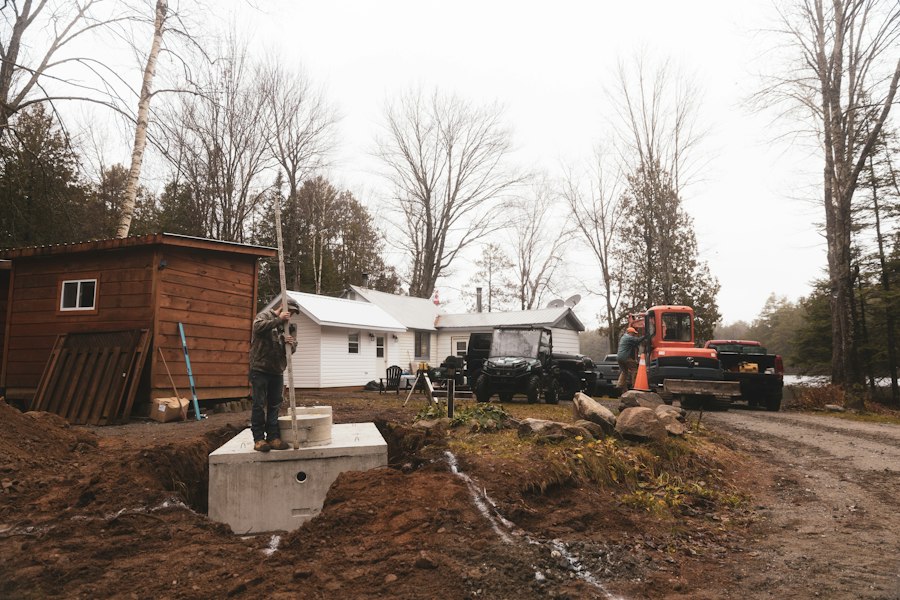
The cost of labor for excavation, pipe laying, and system assembly is a significant portion of the initial expense. Rental of specialized equipment like excavators and backhoes also contributes to this.
Ongoing and Maintenance Costs
A septic system is not a “set it and forget it” appliance. Regular maintenance is crucial for its longevity and optimal performance, and these ongoing costs need to be factored into your budget.
Pumping and Tank Cleaning
This is arguably the most frequent and essential maintenance task.
Frequency of Pumping
How often your septic tank needs to be pumped depends on the size of the tank, the number of people living in the home, and the amount of wastewater generated. Generally, pumping is recommended every 3 to 5 years.
Cost of Pumping
The cost of pumping a septic tank typically ranges from $300 to $600, but this can fluctuate based on your location, the accessibility of the tank, and the specific service provider.
Inspections and Monitoring
Regular professional inspections can catch minor issues before they become major, costly problems.
Routine Professional Inspections
While not always legally mandated, it’s wise to have your septic system inspected periodically by a qualified professional. These inspections can identify potential problems with the tank, baffles, and the drain field.
Cost of Inspections
The cost of a septic system inspection can range from $150 to $400, depending on the depth of the inspection and the company performing it.
Repairs and Replacements
Despite diligent maintenance, septic systems can eventually require repairs or even full replacement.
Common Repairs
Common repairs might include fixing leaks in the tank, replacing broken baffles, or unclogging pipes. These can range from a few hundred dollars to several thousand.
Drain Field Issues
Drain field failure is one of the most expensive problems to address. This can occur if the drain field becomes overloaded, clogged with solids, or if the soil can no longer absorb the effluent. Repairing or replacing a drain field can cost anywhere from $5,000 to $20,000 or more.
Tank Replacement
Septic tanks have a lifespan, and eventually, they may need to be replaced. The cost of replacing a septic tank can range from $2,000 to $5,000, depending on the material and size.
Electricity for Advanced Systems
If your manufactured home has an advanced septic system like an ATU, you’ll have ongoing electricity costs.
Energy Consumption
ATUs require an electric pump and air blower to operate. The amount of electricity consumed will vary based on the specific unit and its usage.
Estimated Monthly Costs
You can expect to see an increase in your electricity bill, typically ranging from $10 to $50 per month, depending on the system and local electricity rates.
Factors Influencing Septic System Costs
Several overarching factors will influence the total cost of your manufactured home’s septic system, from initial installation to long-term upkeep.
Geographic Location
The cost of goods and services, including labor and materials for septic systems, can vary significantly by region.
Regional Material Costs
The availability and cost of concrete, fiberglass, plastic, gravel, and sand will differ based on your location.
Local Labor Rates
Skilled labor for excavation and septic system installation is priced differently in various parts of the country.
State and Local Regulations
Some states and municipalities have more stringent requirements for septic system design, installation, and maintenance, which can drive up costs.
Age and Condition of Existing Systems
If you’re buying a used manufactured home, the condition of the existing septic system is a critical cost consideration.
Age of the System
Septic systems have a lifespan. Older systems are more prone to failure and may require more frequent repairs or an eventual replacement.
Signs of Deterioration
Look for signs of a failing septic system, such as sewage backups, foul odors, unusually green or lush lawn patches over the drain field, or slow-draining drains. These indicate potential problems and future expenses.
Previous Maintenance Records
If available, review any maintenance records for the existing septic system. A history of regular pumping and inspections can indicate a well-maintained system, potentially saving you money in the short term.
The Chosen Installer and Service Provider
The reputation and pricing of the companies you choose for installation and ongoing maintenance will also impact costs.
Contractor Reputation and Experience
Reputable contractors with a proven track record may command higher prices, but their expertise can prevent costly mistakes and ensure a properly functioning system.
Multiple Quotes for Installation and Service
Always obtain multiple quotes from different licensed and insured septic contractors for both installation and maintenance services. Compare not only the price but also the scope of work included and the contractor’s qualifications.
Warranty and Guarantees
Inquire about warranties on both materials and labor. A good warranty can provide significant peace of mind and financial protection against potential issues.
When considering the costs associated with a manufactured home septic system, it’s essential to explore various factors that can influence the overall expenses. For a deeper understanding of financial aspects related to home installations, you might find this article on wealth growth particularly insightful, as it provides valuable information on budgeting for home improvements and maintenance. By being informed about these costs, homeowners can make better decisions regarding their septic systems and overall property management.
Strategies for Managing and Reducing Septic System Costs
| Septic System Type | Average Installation Cost | Maintenance Frequency | Typical Lifespan (Years) | Notes |
|---|---|---|---|---|
| Conventional Gravity System | 3,000 – 7,000 | Every 3-5 years | 20-30 | Most common and cost-effective for manufactured homes |
| Pressure Distribution System | 5,000 – 10,000 | Every 3-5 years | 20-30 | Used on sites with poor soil absorption |
| Sand Filter System | 7,000 – 15,000 | Annual inspection recommended | 20-25 | Higher cost due to filtration components |
| Alternative/Advanced Treatment System | 10,000 – 20,000 | Annual maintenance required | 15-25 | Required in environmentally sensitive areas |
| Pumping and Cleaning | 150 – 300 per service | Every 3-5 years | N/A | Essential for system longevity |
While some costs are unavoidable, there are several proactive strategies you can employ to manage and potentially reduce the financial burden of your manufactured home’s septic system.
Proactive Maintenance is Key
The most effective way to save money on your septic system is through consistent, proactive maintenance.
Regular Pumping Schedules
Adhering to recommended pumping schedules, even if it seems like an unnecessary expense at the time, can prevent sludge buildup that can clog the drain field and lead to much more expensive repairs.
Water Conservation Practices
Reducing the amount of water your household uses directly lessens the burden on your septic system.
Fix Leaky Faucets and Toilets
Even small leaks can contribute to a significant amount of water waste over time.
Install Low-Flow Fixtures
Consider installing low-flow showerheads, faucets, and toilets to conserve water.
Be Mindful of What You Flush
Avoid flushing anything other than human waste and toilet paper down your toilets. Items like wipes, feminine hygiene products, grease, and chemicals can damage the septic system.
Choose the Right Installer and System
Making informed decisions during the initial installation phase can save you money in the long run.
Thorough Site Evaluation
Ensure a comprehensive site evaluation is conducted before choosing a septic system design. This will help in selecting the most appropriate and cost-effective system for your specific soil and lot conditions.
Research and Compare Contractors
As mentioned earlier, obtaining multiple quotes and thoroughly vetting potential installers is crucial. Look for licensed, insured, and experienced professionals.
Consider System Lifespan
While some advanced systems have higher upfront costs, they might have a longer lifespan or require less frequent costly interventions than a cheaper, less robust system. Weigh the long-term costs against the initial investment.
Understand Your System and its Needs
Educating yourself about your specific septic system will empower you to better care for it and identify potential issues early.
Know Your System Type
Understand whether you have a conventional, aerobic, mound, or other type of system, as this will dictate its maintenance needs and potential costs.
Keep Records of Maintenance
Maintain a log of all pumping, inspections, and repairs. This record can be invaluable for troubleshooting and for potential future buyers.
Educate All Household Members
Ensure everyone in your household understands the importance of proper septic system care and what not to put down drains or toilets.
The Importance of a Well-Maintained Septic System for Your Manufactured Home
Beyond the financial implications, a properly functioning and well-maintained septic system is fundamental to the health, safety, and value of your manufactured home.
Protecting Your Health and the Environment
A failing septic system can contaminate groundwater and surface water, posing serious health risks and environmental damage.
Preventing Contamination
A properly functioning septic system effectively treats wastewater, preventing harmful bacteria and viruses from reaching nearby water sources.
Preserving Natural Resources
By treating wastewater effectively, your septic system plays a vital role in protecting local ecosystems and the quality of your drinking water.
Maintaining Home Value
A well-maintained septic system is a valuable asset to your manufactured home. A failing system, on the other hand, can be a significant liability.
Buyer Confidence
Potential buyers are often wary of homes with septic systems that appear neglected or are known to have problems. A well-documented history of maintenance instills confidence.
Avoiding Costly Discrepancies
If a septic system is found to be failing during a home inspection for a sale, it can lead to a renegotiation of the sale price or even the collapse of the deal, resulting in significant financial and emotional distress.
Avoiding Costly Emergencies
The sudden failure of a septic system can lead to unpleasant and expensive emergencies.
Sewage Backups
A backup of sewage into your home is not only disgusting but also requires professional cleanup and can cause extensive damage to your flooring, walls, and personal belongings.
Drain Field Failures
A complete drain field failure can render your home uninhabitable until it is repaired or replaced, which can be a lengthy and disruptive process.
In conclusion, understanding the costs associated with manufactured home septic systems is an integral part of responsible homeownership. By familiarizing yourself with the initial installation expenses, ongoing maintenance needs, and the various factors that influence these costs, you can make informed decisions, plan your budget effectively, and ensure the long-term health and functionality of this essential component of your home. Proactive maintenance, diligent research, and a commitment to responsible practices are your best allies in managing septic system costs and safeguarding your investment.

The $80,000 House You’re Not Allowed to Put Anywhere
FAQs
1. What is a manufactured home septic system?
A manufactured home septic system is a wastewater treatment system designed to handle and treat sewage from a manufactured home. It typically consists of a septic tank and a drain field.
2. How much does a manufactured home septic system cost?
The cost of a manufactured home septic system can vary depending on factors such as the size of the system, the type of soil on the property, and local regulations. On average, the cost can range from $3,000 to $7,000.
3. What factors can affect the cost of a manufactured home septic system?
Factors that can affect the cost of a manufactured home septic system include the size of the system needed, the type of soil on the property (which can impact drainage), the accessibility of the site for installation, and any additional features required such as a pump or alarm system.
4. Are there ongoing maintenance costs associated with a manufactured home septic system?
Yes, there are ongoing maintenance costs associated with a manufactured home septic system. Regular pumping and inspections are recommended to ensure the system functions properly and to prevent costly repairs in the future.
5. Are there any regulations or permits required for installing a manufactured home septic system?
Yes, there are typically regulations and permits required for installing a manufactured home septic system. It is important to check with local authorities or a septic system professional to ensure compliance with all necessary regulations and obtain the required permits before installation.