
So, you’ve decided a manufactured home is the perfect fit for your needs and your budget. That’s fantastic! You’re likely imagining the exciting process of selecting your dream dwelling, the anticipation of it arriving on your land, and the joy of making it your own. However, before the concrete is poured or the skirting is installed, there’s a crucial, and sometimes bewildering, step in the journey: obtaining the necessary permits. These permits are not just bureaucratic hurdles; they are essential for ensuring your home is built safely, meets local regulations, and is legally recognized. And, as you’ll soon discover, understanding the costs associated with these permits is a vital part of your overall budget.
This article is your guide to demystifying manufactured home permit costs. We’ll break down what goes into these fees, why they exist, and what you can expect to pay. Think of this as your roadmap through the permit process, designed to empower you with knowledge and help you avoid any unexpected financial surprises.
When considering the costs associated with manufactured home permits, it’s essential to understand the broader financial implications of homeownership. A related article that delves into various aspects of home financing and investment strategies can be found at How Wealth Grows. This resource provides valuable insights that can help prospective homeowners make informed decisions about their investments and navigate the complexities of permit costs effectively.
Why Do You Need Permits for a Manufactured Home?
It’s easy to assume that because a manufactured home is built off-site, it might circumvent some of the more complex building codes. This couldn’t be further from the truth. Manufactured homes, just like site-built homes, must comply with stringent safety and zoning regulations to protect both occupants and the community. Permits are the official acknowledgment that your project meets these standards.
Ensuring Safety and Structural Integrity
The primary reason for permits is safety. Building codes are designed to ensure that your home is structurally sound, resistant to local environmental conditions (like wind or snow loads), and equipped with safe electrical, plumbing, and HVAC systems.
Building Codes and Standards
Manufactured homes are built to federal standards set by the U.S. Department of Housing and Urban Development (HUD). These HUD codes are equivalent to the International Residential Code (IRC) used for site-built homes. However, once the home is transported to your property and installed, local building departments will oversee its setup and ensure it meets their specific requirements.
Fire Safety and Egress
Permits also ensure that your home meets fire safety standards, including proper placement of smoke detectors and ensuring adequate egress (exits) in case of an emergency. These are non-negotiable aspects of home construction.
Legal Compliance and Property Value
Beyond immediate safety, permits are crucial for the long-term legality and value of your property.
Zoning and Land Use Regulations
Local zoning ordinances dictate what types of structures can be built on your land and where they can be placed. A permit confirms that your manufactured home installation aligns with these rules.
Property Insurance and Financing
Lenders and insurance companies will almost always require proof of permits. Without them, you may struggle to secure a mortgage or obtain homeowner’s insurance, and your property’s resale value could be significantly impacted.
Future Sales and Resale Value
A home with proper permits is a much more attractive prospect for future buyers. It signals that the home was built and installed legally, reducing the risk of code violations or future disputes.
The Stages of Permitting and Their Associated Costs
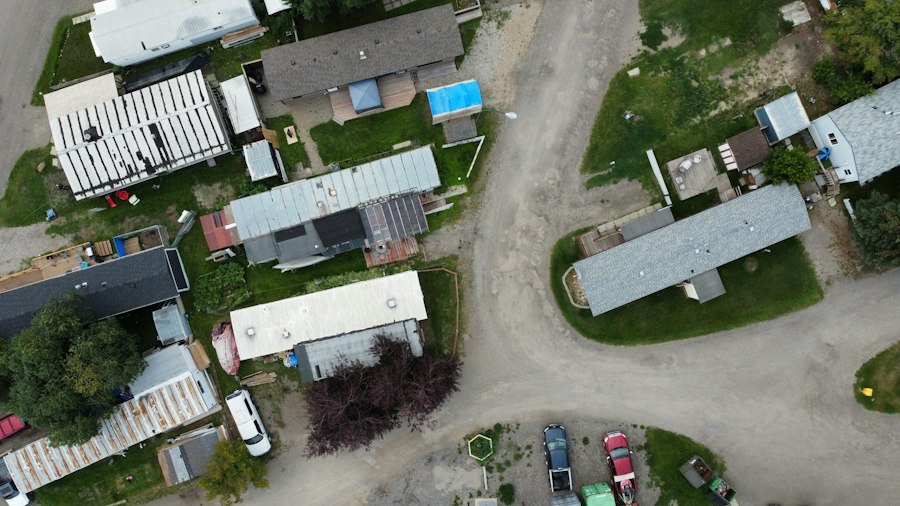
The permit process for a manufactured home isn’t a single transaction; it’s often a series of approvals at different stages of your project. Each stage can have its own associated fees.
Pre-Installation: Site Preparation and Foundation Permits
Before your manufactured home even arrives, you’ll likely need permits for the work done on your land. This is often the first set of permits you’ll encounter and can be a significant part of the overall cost.
Land Survey and Site Plan Approval
Sometimes, you might need a survey of your property to confirm boundaries and identify easements. A site plan detailing where the home will be located, access roads, and utility connections may also be required.
Cost Factors for Site Plan Review
The complexity of your site plan and the municipality’s review process will influence these costs. A simple setup on a flat lot will be less expensive than a complex plan on a sloped or challenging terrain.
Foundation Permits
The foundation for your manufactured home is a critical structural element. Whether you’re opting for a permanent foundation, piers, or a slab, this phase requires specific permits.
Types of Foundations and Permit Implications
- Permanent Foundation: Often involves concrete footings, foundation walls, or a full basement. This typically requires more extensive engineering and inspections, leading to higher permit fees.
- Pier and Beam Foundation: Utilizes concrete or metal piers to elevate the home. While sometimes less expensive than a full basement, it still requires precise placement and adherence to code.
- Slab Foundation: A poured concrete slab. This also requires specific engineering and inspection, with fees varying based on the slab’s size and thickness.
Engineering and Soil Reports
Depending on your location and the chosen foundation type, you might need to hire a structural engineer to design the foundation and a geotechnical engineer to provide a soil report. The costs for these professional services will be separate from the permit fees but are often a prerequisite for obtaining foundation permits.
Installation and Utility Hook-ups
Once the home is on-site and the foundation is in place, the focus shifts to connecting utilities and ensuring the home is properly secured and sealed.
Building Permits for Placement and Anchoring
This permit confirms that your manufactured home is correctly positioned on the foundation and securely anchored according to local codes. This is vital for wind resistance and overall stability.
Inspection Fees for Placement
Local building inspectors will visit your site to verify that the home is placed correctly and that the anchoring systems are installed as per the approved plans. These inspections often have associated fees.
Electrical, Plumbing, and HVAC Permits
Each of these essential utility systems requires its own set of permits and inspections.
Electrical Permits
This covers the connection of your home’s electrical system to the power grid, including wiring, breaker panels, and outlets.
Licensed Electrician Requirements
You will almost certainly need a licensed electrician to perform this work, and their fees will be in addition to the permit costs. The municipality will want to see proof of their license and the work performed.
Plumbing Permits
This permit covers the installation and connection of your home’s water supply and wastewater drainage systems, including pipes, fixtures, and septic or sewer connections.
Septic and Sewer Connection Fees
If you’re connecting to a municipal sewer system, there may be separate connection fees charged by the utility provider. For off-grid systems, permits for septic tank installation and inspections are necessary.
HVAC Permits
This permit covers the installation of your heating, ventilation, and air conditioning systems, ensuring they are correctly installed and vented according to safety codes.
Ventilation and Ductwork Inspections
Inspectors will verify that ductwork is properly sealed and insulated and that ventilation systems meet air quality standards.
Final Inspections and Certificate of Occupancy
The culmination of the permitting process is the final inspection and the issuance of a Certificate of Occupancy (CO).
Final Building Inspection
Once all work is completed, a final inspection will be conducted to ensure everything meets code requirements. This includes checks on structural integrity, fire safety, electrical, plumbing, and HVAC systems.
Multiple Inspection Stages
Be aware that some municipalities may require multiple inspection stages throughout the construction process, not just one final inspection. Each inspection might incur a fee.
Certificate of Occupancy (CO)
This is the official document that permits you to live in your home. It signifies that your manufactured home has been built and installed in compliance with all applicable building codes and regulations.
Issuance Fees for the CO
There is typically a fee associated with the issuance of the Certificate of Occupancy. This fee is often the final administrative cost in the permitting process.
Factors Influencing Manufactured Home Permit Costs
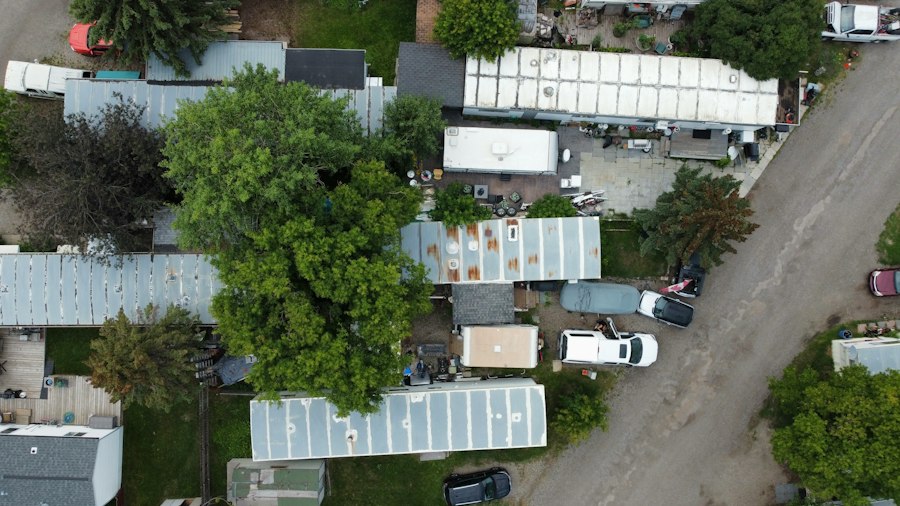
Several variables can significantly impact the total cost of your manufactured home permits. Understanding these factors will help you create a more accurate budget.
Geographic Location: The Biggest Variable
This is arguably the most significant factor. Permit costs vary dramatically from one municipality to another, and even within different counties or townships in the same state.
Municipal Fee Structures
Each local government has its own fee schedule. Some may have flat fees for certain permits, while others base fees on the value of the construction, square footage, or a combination of factors.
State and County Requirements
In addition to local regulations, there may be state or county-level permits and fees to consider, especially for things like well and septic systems or environmental impact assessments.
Interplay Between Local and State Agencies
Sometimes, you’ll need approvals from both local building departments and state agencies, and each will have its own fee structure.
Complexity of the Project
The more complex your installation, the higher the potential permit costs.
Foundation Type and Design
As discussed earlier, a more involved foundation system (like a full basement) will naturally incur higher permit and inspection fees than a simpler pier and beam setup.
Utility Connections
Extensive plumbing or electrical work, especially if you’re dealing with challenging terrain for utility runs, can increase costs.
On-Grid vs. Off-Grid Utility Considerations
Off-grid systems, such as installing your own well and septic, often involve more complex permitting processes and inspections than connecting to existing municipal services.
Site Challenges and Landscaping
If your property requires extensive grading, retaining walls, or other significant site modifications to accommodate the home, these may necessitate additional permits and fees.
The Role of Professionals and Third-Party Services
While not direct permit fees, the cost of professionals required to obtain permits can be substantial.
Architects and Engineers
For complex foundation designs or site plans, you’ll likely need to hire engineers or architects. Their fees are separate but crucial for permit approval.
Surveyors and Inspectors
Property surveys and independent third-party inspections (if required by your lender or municipality) add to your overall project costs.
Lender Requirements for Inspections
Some mortgage lenders may require their own independent inspections at various stages, which will have associated fees.
Permit Expediting Services
In some cases, you might consider using a permit expediter. While this adds to your cost, it can save you time and hassle.
When to Consider an Expediter
If you’re facing tight deadlines, have a complex project, or are unfamiliar with the local permitting process, an expediter can be valuable.
Cost vs. Time Savings
Weigh the cost of an expediter against the potential savings in time and the reduction of stress.
When considering the financial aspects of purchasing a manufactured home, understanding the permit costs involved is crucial. These expenses can vary significantly depending on location and local regulations. For a deeper insight into the various factors that influence these costs, you may find it helpful to read a related article that discusses the intricacies of home financing and permits. You can explore this further in the article found here, which provides valuable information for prospective homeowners.
Estimating Your Manufactured Home Permit Costs
| Location | Average Permit Cost | Permit Type | Additional Fees | Processing Time |
|---|---|---|---|---|
| California | 1200 | Building Permit | Inspection Fee: 150 | 2-4 weeks |
| Texas | 800 | Installation Permit | Plan Review: 100 | 1-3 weeks |
| Florida | 950 | Manufactured Home Permit | Impact Fee: 200 | 3-5 weeks |
| New York | 1100 | Building Permit | Environmental Fee: 120 | 2-6 weeks |
| Ohio | 700 | Installation Permit | Inspection Fee: 80 | 1-2 weeks |
While it’s impossible to give exact figures without knowing your specific location and project details, you can make informed estimates.
The “Rule of Thumb” and Its Limitations
Some general estimates exist, often suggesting permit costs can be anywhere from 1% to 5% of the total home package price. However, this is a very broad guideline and can be highly inaccurate.
Why Generic Estimates Fall Short
Local regulations, specific installation needs, and the thoroughness of inspections can deviate significantly from any general rule.
How to Get Accurate Cost Information
The most reliable way to understand your permit costs is to go directly to the source.
Contacting Your Local Building Department
This is your primary resource. Reach out to the building or planning department of the municipality where you intend to place your manufactured home.
Inquire About Fee Schedules
Ask for their official permit fee schedule. This document will outline the costs for each type of permit and inspection.
Understanding the Permit Application Process
Familiarize yourself with their application process, required documentation, and timelines.
Consulting Your Manufactured Home Dealer
Your dealer is an excellent resource. They have experience with the permitting processes in various locations and can often provide estimates or guidance.
Dealer’s Role in Facilitating Permits
Some dealers offer permit assistance services, which can streamline the process for you. Understand what this service entails and any associated costs.
Working with Your General Contractor or Installer
If you’re working with a general contractor or a specialized installer, they will have a deep understanding of the local permit requirements and costs.
Contractor’s Experience with Local Authorities
A contractor with a good relationship with local building officials can often navigate the process more smoothly.
Budgeting for the Unexpected
It’s always wise to build a contingency into your budget.
Common Permit Cost Overruns
Overruns can occur due to unexpected site issues, changes in project scope, or additional inspections required by the municipality.
The Importance of a 10-20% Contingency
Adding a 10-20% contingency to your estimated permit costs is a prudent measure to protect yourself from unforeseen expenses.
Frequently Asked Questions About Manufactured Home Permit Costs
Here are some common questions you might have as you navigate the permit process.
How long does the permit process typically take?
The timeline for obtaining permits can vary greatly depending on the municipality, the complexity of your project, and the current workload of the building department. It can range from a few weeks to several months.
Factors Affecting Permit Approval Timelines
- Completeness of Application: Submitting a complete and accurate application can speed things up.
- Inspector Availability: Scheduling inspections can sometimes be a bottleneck.
- Review Cycles: Some departments have specific review cycles for applications.
- Corrections and Revisions: If your plans require revisions, this will add time.
Can I do some of the work myself to save money on permits?
While you might be able to perform some tasks yourself, electrical, plumbing, and HVAC work typically require licensed professionals for safety and code compliance. Some permits are tied to the licensed trades involved.
Licensed Trades and Permit Requirements
Most municipalities require that work on electrical, plumbing, and HVAC systems be performed by licensed professionals. The permit is often issued to the contractor performing the work.
What happens if I don’t get the necessary permits?
Operating without the required permits can lead to significant problems, including fines, stop-work orders, difficulty selling your home, issues with insurance, and the potential need to tear down and rebuild the non-compliant structure.
Penalties for Unpermitted Work
These can range from daily fines to legal action, forcing you to rectify the situation at a much higher cost than if you had obtained permits initially.
Are permit costs negotiable?
Generally, permit fees are set by the municipality and are not negotiable. However, you can sometimes influence costs by optimizing your project plans to minimize unnecessary complexity or by ensuring your initial application is flawless to avoid revision fees.
Strategies for Cost Optimization
- Simplify your foundation design where possible.
- Ensure your site plan is clear and addresses all potential concerns.
- Work closely with your contractor to understand all necessary permits upfront.
Do I need a permit to move a manufactured home?
Yes, moving a manufactured home typically requires permits, especially if it involves placing it on a new foundation or connecting it to utilities. The transport company will also have its own requirements and permits related to moving the home.
Permits for Transportation
These are distinct from building permits and relate to the safe and legal movement of the structure.
Understanding manufactured home permit costs is an integral part of a successful homeownership journey. By approaching this process with knowledge, planning, and open communication with your local authorities and your chosen professionals, you can navigate the permit landscape confidently and ensure your dream home is built safely, legally, and within your budget.
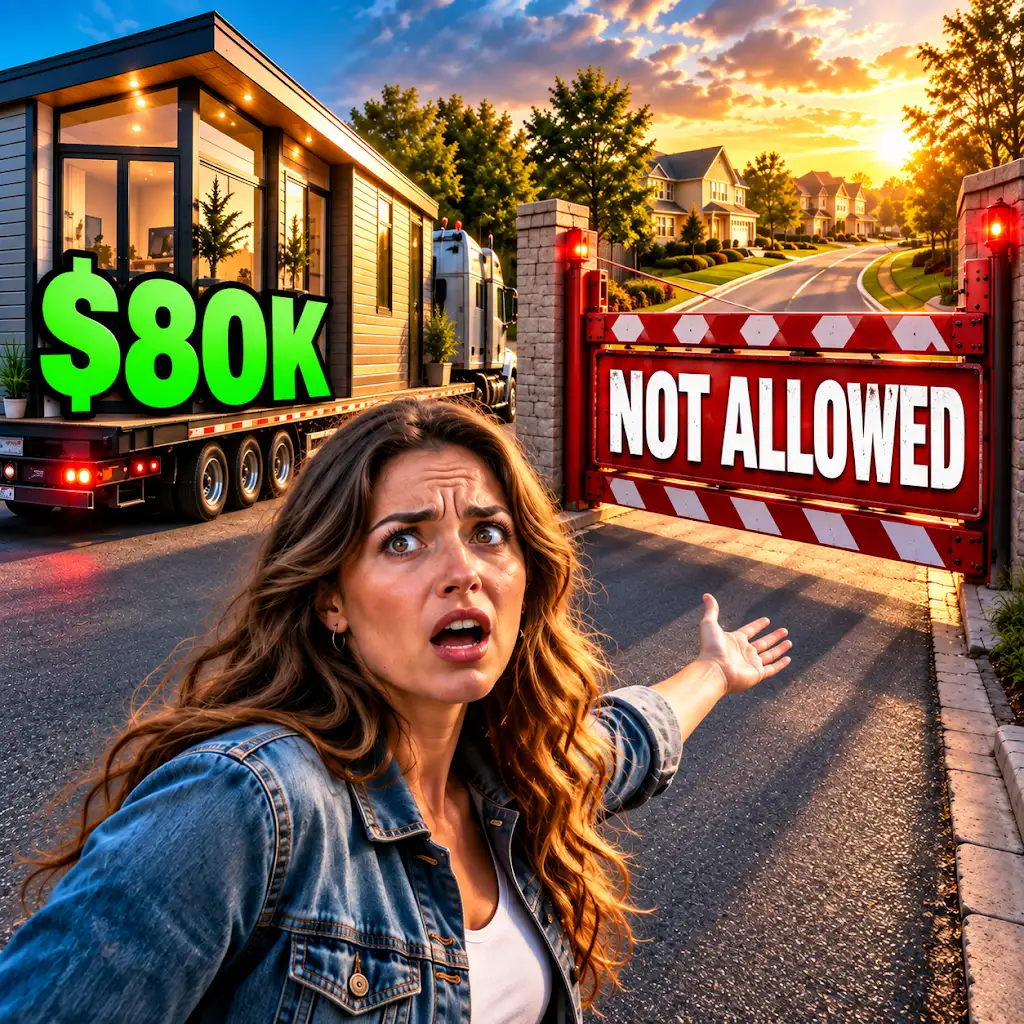
The $80,000 House You’re Not Allowed to Put Anywhere
FAQs
What are manufactured home permit costs?
Manufactured home permit costs refer to the fees associated with obtaining a permit to place a manufactured home on a specific piece of land.
What factors can influence manufactured home permit costs?
Factors that can influence manufactured home permit costs include the location of the property, the size and type of the manufactured home, any required inspections, and local zoning regulations.
Who is responsible for paying manufactured home permit costs?
Typically, the homeowner or the individual looking to place the manufactured home on a property is responsible for paying the manufactured home permit costs.
Are manufactured home permit costs the same everywhere?
No, manufactured home permit costs can vary depending on the city, county, or state where the property is located. Different jurisdictions may have different fee structures and requirements.
What are some common fees included in manufactured home permit costs?
Common fees included in manufactured home permit costs may include application fees, zoning fees, inspection fees, impact fees, and any other fees required by the local government.