
You’ve found the perfect manufactured home, the one that checks all your boxes: spacious, stylish, and surprisingly affordable. But as you move from dreaming to doing, one crucial question looms: what will it cost to get your new home from the dealership to its final resting place, perfectly installed? Understanding manufactured home installation costs is paramount to staying within your budget and ensuring a smooth transition into your dream dwelling. This isn’t just about the price tag of the home itself; it’s about the comprehensive process of making it a functional, comfortable, and safe place to live.
Before your beautiful new home even arrives, a significant portion of your installation budget will be dedicated to preparing the ground it will sit on. This phase is critical for the structural integrity, longevity, and overall performance of your manufactured home. You might think it’s just digging a hole, but in reality, it’s a complex series of steps that vary greatly depending on your chosen location and its existing conditions.
Land Evaluation and Survey
Your journey begins with a thorough assessment of the land. A professional land survey is often the first step. This ensures you have clear property lines and can identify any potential encroachments or easements. More importantly, it helps in understanding the topography of your site. Is it flat, sloped, or uneven? This initial evaluation will directly influence the complexity and cost of the subsequent preparation steps. You’ll need to know if significant grading is required to create a level surface, or if minor adjustments will suffice. This survey will also help determine soil stability, which is crucial for the foundation type you’ll eventually choose.
Excavation and Grading
If your land isn’t naturally level, you’ll need to budget for excavation and grading. This involves removing excess soil or filling in low spots to create a consistent, level pad for your home. The amount of earth moved, the type of machinery required, and the accessibility of your site will all impact the cost. Steep slopes or rocky terrain will naturally be more expensive to grade than a gently rolling field. You might also need to consider drainage. Proper grading ensures water flows away from your home’s foundation, preventing potential water damage and structural issues down the line.
Foundation Type and Installation
This is arguably the most significant cost driver within site preparation. Manufactured homes can be installed on various foundation types, each with its own price point.
Permanent Foundation Options
- Concrete Slab: This is a popular and durable option. It involves pouring a solid concrete pad. The cost depends on the size of the slab, the thickness of the concrete, and reinforcement requirements. While generally more expensive upfront than other options, it offers excellent stability and can increase your home’s resale value. You’ll also need to factor in the cost of rebar, formwork, and finishing.
- Concrete Piers/Footings: This involves setting concrete piers or footings at specific points to support the home. This method is often less expensive than a full slab and is suitable for certain soil conditions. The depth and diameter of the piers, the number required, and the labor involved will determine the cost. Frost line depth is a critical consideration here, as piers must extend below it to prevent shifting due to freezing and thawing.
- Full Basement or Crawl Space: For a more traditional feel and added living or storage space, you might opt for a full basement or a deep crawl space. This is the most expensive foundation option, involving significant excavation, concrete work, and potentially waterproofing. The depth of the excavation, the complexity of the foundation walls, and the need for egress windows (for basements) will all contribute to the overall cost.
Utility Access and Hookups
Before your home arrives, you need to ensure all necessary utilities can be easily connected. This involves bringing water, sewer or septic, electricity, and potentially natural gas to the installation site.
Water and Sewer/Septic
- Municipal Connections: If your site is within reach of a municipal water and sewer system, you’ll need to pay for the connection fees and the cost of running lines from the main to your home. This can involve trenching, pipe installation, and potentially permits. The distance from the street to your home will be a major cost factor.
- Well and Septic Systems: If you’re in a rural area, you’ll likely need to install a private well for water and a septic system for wastewater. Drilling a well can be a significant expense, depending on the depth required to reach a reliable water source and the geological conditions. Installing a septic system involves excavation, the purchase of a tank and drain field materials, and labor for installation. Permits and inspections are also part of this process.
Electrical and Gas Lines
- Electrical Service: You’ll need to run an electrical line from the nearest power source to your home. The cost will depend on the distance, the size of the service required, and the complexity of trenching and conduit installation. You may also need to pay for a new meter and hookup fees from the utility company.
- Gas Lines: If your home uses natural gas for heating, cooking, or other appliances, you’ll need to have a gas line installed. Similar to electricity, the distance from the gas main to your home will be a primary cost factor.
When considering the costs associated with manufactured home installation, it’s essential to explore various factors that can influence the overall expenses. A related article that delves deeper into this topic can be found at this link. It provides valuable insights into the different elements that contribute to installation costs, including site preparation, utility connections, and local regulations, helping potential homeowners make informed decisions.
Transportation and Delivery: Getting Your Home to its New Address
Once your site is ready, the exciting part begins: the delivery of your manufactured home. This is a specialized process that requires experienced professionals and specialized equipment, and its cost is influenced by several factors.
When considering the expenses associated with manufactured home installation, it is essential to explore various factors that can influence overall costs. A related article that provides valuable insights into this topic can be found at How Wealth Grows, where you can learn about additional financial aspects and budgeting tips for your manufactured home project. Understanding these elements can help you make informed decisions and potentially save money in the long run.
Distance from Manufacturer/Dealership
The most obvious factor influencing delivery cost is the distance your home needs to travel. The further it is from the factory or dealership to your chosen site, the higher the transportation charges will be. This is typically calculated per mile, and it’s a substantial component of the overall installation budget.
Number of Sections
Most manufactured homes are built in sections at the factory and transported to the site for assembly. The more sections your home has (e.g., a double-wide or triple-wide), the more complex and time-consuming the transportation and delivery process will be. Each section requires individual transport, and the coordination of multiple large loads adds to the cost.
Road Conditions and Permits
The route your home will take plays a significant role. You’ll need to consider the width of the roads, potential weight restrictions, bridge clearances, and any necessary detours. Obtaining permits for oversized loads can be a bureaucratic and costly process, involving fees and potentially escorts. Steep inclines, sharp turns, and unpaved roads can also add to the complexity and expense of delivery, requiring specialized equipment and potentially slower travel times.
Specialized Equipment
Transporting large, prefabricated structures requires specialized trucks, trailers, and cranes. The cost of renting and operating this specialized equipment, along with the skilled labor to operate it, is factored into the delivery charges. In some cases, you might need additional equipment on-site for the final placement of the home sections.
On-Site Setup and Assembly: Bringing the Pieces Together
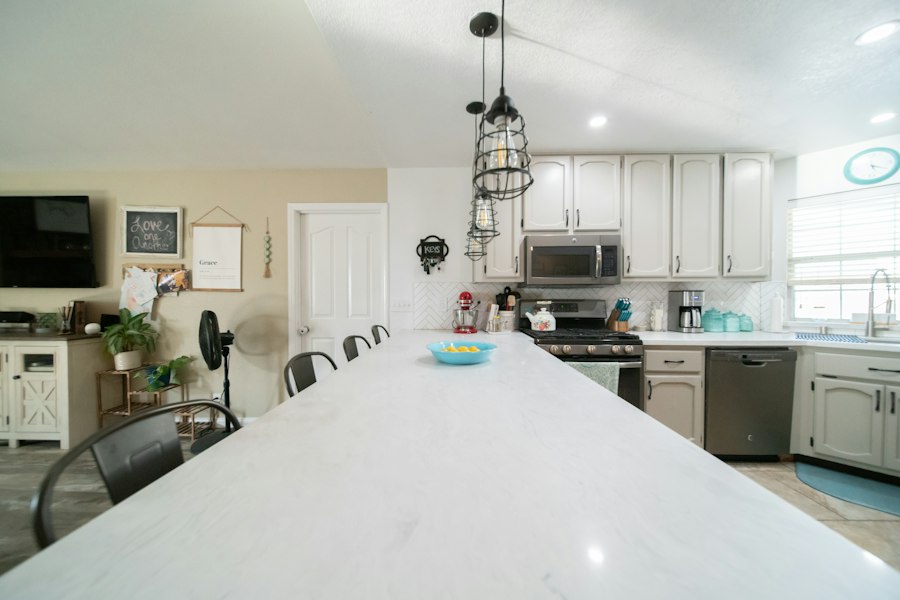
Once your home arrives at the site, the work isn’t over. The skilled technicians will meticulously assemble the sections, connect them, and ensure everything is structurally sound and ready for occupancy. This is a critical stage where precision and expertise are paramount.
Sectional Alignment and Marriage
This is the process of joining the individual sections of your home together to form one cohesive structure. It involves precise alignment of the floor, walls, and roof systems. The “marriage” process can be complex, requiring specialized jacks, lifting equipment, and skilled labor to ensure a seamless and structurally sound connection. Any imperfections in this stage can lead to long-term issues like drafts, uneven floors, or problems with door and window alignment.
Skirting Installation
Skirting is the material that encloses the foundation perimeter beneath your home, typically made of vinyl, metal, or wood. It serves several purposes: it improves the aesthetic appeal by hiding the undercarriage, helps with energy efficiency by blocking wind and retaining heat, and deters pests. The cost of skirting depends on the material chosen, the length of the perimeter to be covered, and the complexity of the installation, which might involve working around vents, steps, and utility access points.
Anchoring and Tie-Downs
Manufactured homes are secured to their foundations using anchoring and tie-down systems. These are essential for stability, especially in areas prone to high winds. The type of anchoring system used (e.g., ground anchors, concrete anchors) and the number of tie-downs required will depend on local building codes and wind zone regulations. This is a crucial safety measure, and compromising on it can have severe consequences.
Interior and Exterior Finishing
After the main structure is in place, there’s a significant amount of finishing work to be done to make your house a home.
Interior Finishes
- Wall and Ceiling Seams: The seams where the manufactured home sections meet will need to be professionally finished. This often involves taping, mudding, and painting to create a smooth, seamless look.
- Flooring and Trim: While many manufactured homes come with flooring and interior trim pre-installed, there might be areas that need to be addressed, especially where sections join. Any custom flooring or trim work you opt for will add to the cost.
- Appliance Installation: While some appliances might be included, others may need to be purchased and installed separately. This includes costs for delivery, hookup, and any necessary modifications.
Exterior Finishes
- Roof Sealing and Finishing: The roof sections are sealed at the factory, but additional sealing and finishing might be required on-site to ensure a watertight seal.
- Siding Touch-ups and Repairs: While the siding is installed at the factory, minor touch-ups or repairs might be necessary after delivery and assembly.
- Steps and Decks: The cost of installing exterior steps, porches, or decks is typically not included in the basic installation and will be an additional expense. The size, material, and complexity of these additions will significantly impact the cost.
Additional Services and Considerations: The Hidden Costs
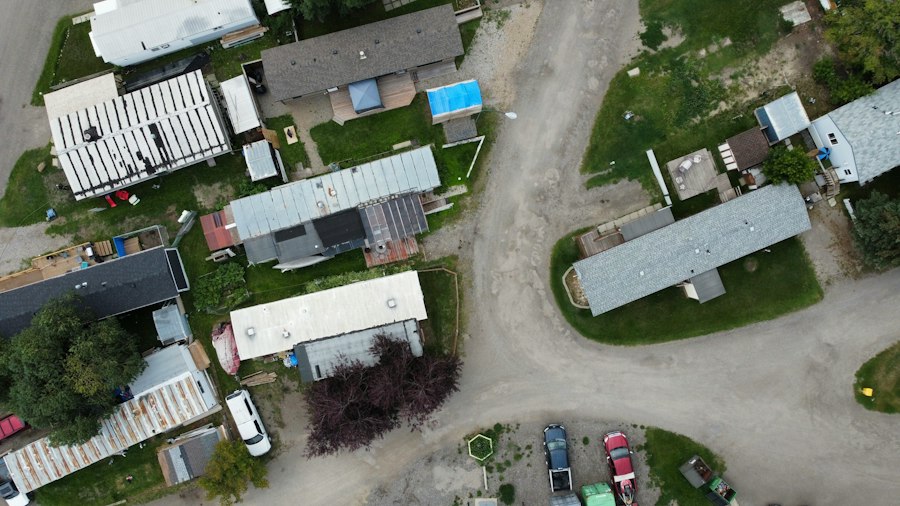
Beyond the core installation process, several other services and considerations can contribute to the overall cost of setting up your manufactured home. Being aware of these upfront can prevent unwelcome surprises.
Professional Inspections and Permits
Building codes and regulations vary by location. You’ll likely need to obtain permits for the installation of your manufactured home, including foundation work, utility hookups, and the placement of the home itself. These permits come with associated fees. Furthermore, various stages of the installation process may require professional inspections by local building officials to ensure compliance with codes. These inspections also have fees.
Utility Meter Installation and Connection Fees
As mentioned earlier, setting up utilities involves more than just running lines. You’ll likely have to pay utility companies for meter installation and connection fees. These are one-time charges that can vary significantly between different providers and service types.
Landscaping and Site Improvements
Once your home is installed, you’ll likely want to enhance the surrounding area. This could include landscaping, driveway installation or improvement, fencing, or the addition of outdoor living spaces. These are all separate costs that are not typically part of the manufactured home installation package.
Insurance
While not a direct installation cost, having your home insured from the moment it’s installed is crucial. Your lender will likely require it. The cost of homeowner’s insurance will depend on various factors, including your location, the value of your home, and the type of coverage you choose.
Unexpected Issues and Contingency Fund
It’s always wise to have a contingency fund for unexpected issues that may arise during the installation process. This could include unforeseen site conditions, minor repairs needed after delivery, or adjustments required by local building inspectors. A general rule of thumb is to budget an additional 10-15% of your estimated installation costs for unforeseen circumstances.
By diligently researching, obtaining detailed quotes from reputable installers, and understanding all the potential cost factors involved, you can confidently navigate the process of installing your manufactured home and look forward to enjoying your new, beautifully placed dwelling. Remember, investing time in understanding these costs upfront will save you stress and financial strain down the road.

The $80,000 House You’re Not Allowed to Put Anywhere
FAQs
What are the average costs associated with manufactured home installation?
Manufactured home installation costs can vary depending on factors such as location, size of the home, site preparation requirements, and local regulations. On average, installation costs can range from $5,000 to $15,000.
What factors can impact the cost of installing a manufactured home?
Factors that can impact the cost of installing a manufactured home include the need for site preparation, permits and inspections, utility connections, foundation type, transportation costs, and any additional customization or upgrades.
Do manufactured home installation costs include the price of the home itself?
No, manufactured home installation costs typically do not include the price of the home itself. The installation costs cover the expenses associated with preparing the site, transporting the home, setting it up, and connecting utilities.
Are there any ways to reduce manufactured home installation costs?
Some ways to potentially reduce manufactured home installation costs include choosing a site that requires minimal preparation, opting for a simpler foundation type, comparing quotes from multiple installation contractors, and being mindful of any additional customization or upgrades that can add to the overall cost.
Is it necessary to hire a professional for manufactured home installation?
While some homeowners may have the skills and experience to install a manufactured home themselves, it is generally recommended to hire a professional installation contractor. Professional installers have the expertise and equipment needed to ensure the home is set up safely and in compliance with local regulations.