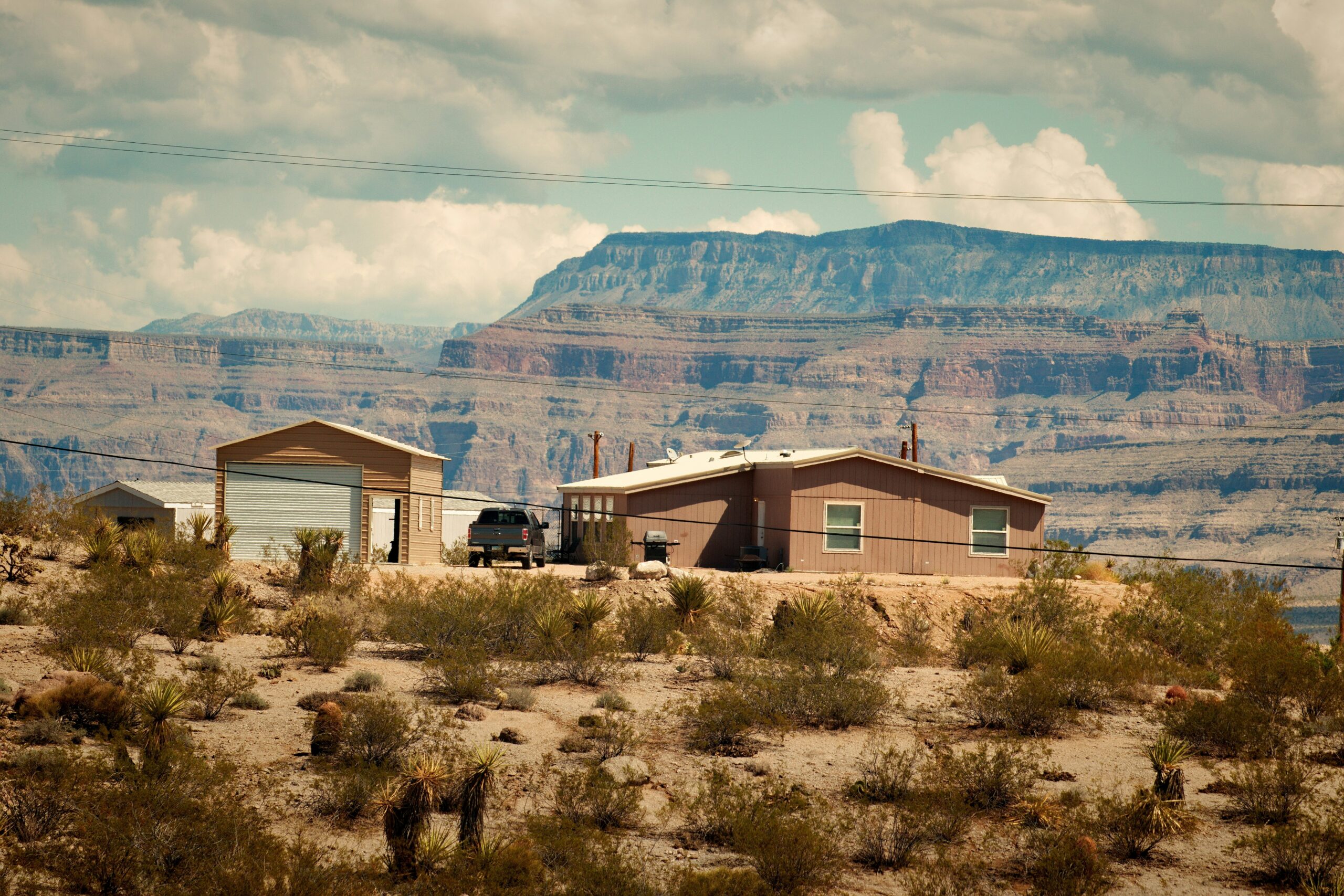
You’re standing in front of a home, and it’s quite possible you have some preconceived notions about it. Maybe you’ve heard the term “mobile home” and pictured something flimsy, something that’s been towed across the country and bolted together with little regard for long-term quality. But what if you’re looking at a HUD Code manufactured home? This is where understanding the distinctions becomes crucial, not just for buying or selling, but for appreciating the evolution of factory-built housing.
You might be surprised to learn that the homes you’re seeing, the ones built to stringent federal standards, are vastly different from those that came before. The term “manufactured home” is the legally correct and modern designation, and it’s a title earned through a rigorous process. Forget the outdated stereotypes; this is about engineered quality, safety, and affordability, all rolled into one. This article is your guide to demystifying the HUD Code, unraveling its significance, and helping you understand precisely what makes these homes a viable and increasingly popular housing solution.
To truly understand manufactured homes, you first need to grasp the significance of the HUD Code. This isn’t just a suggestion or a set of guidelines; it’s a federal building code administered by the U.S. Department of Housing and Urban Development (HUD). It was established in 1976 and has been updated and revised periodically to reflect advancements in building science and safety. Think of it as the law of the land for manufactured housing, ensuring a baseline of quality and safety that mobile homes built before its inception did not necessarily adhere to.
A Leap from the Past: Mobile Homes vs. Manufactured Homes
You’ve likely heard both terms, and it’s easy to get them confused. Understanding the historical context is key.
Before the HUD Code: The “Mobile Home” Era
Prior to June 15, 1976, the housing you’re looking at might have been designated as a “mobile home.” These were built to industry standards, but these standards were largely voluntary and lacked the oversight and uniformity of a federal code. This meant quality could vary significantly from one manufacturer to another. They were also designed with mobility as a primary concern, which sometimes meant compromises in durability and long-term structural integrity. The very name “mobile” hints at their initial purpose – to be easily moved. While some were indeed placed on permanent foundations, their construction wasn’t necessarily optimized for it.
The HUD Code Revolution: Establishing the “Manufactured Home”
The introduction of the HUD Code marked a monumental shift. Suddenly, a single, comprehensive federal standard applied to all newly manufactured homes. This code addresses virtually every aspect of a home’s construction, from its foundation and structural elements to its plumbing, electrical, and heating systems. It’s akin to the building codes for traditional site-built homes, but with a unique focus on the factory environment and transportation. The key takeaway here is that a “manufactured home” is a HUD Code home, and any home built after June 15, 1976, that was constructed to these federal standards is a manufactured home.
The National Mandate: Uniformity Across States
One of the most powerful aspects of the HUD Code is its uniformity. Before the code, state and local building codes could vary wildly, creating a patchwork of regulations. This made it challenging for manufacturers to build homes that could be sold and sited in different parts of the country. The HUD Code created a national standard, ensuring that a manufactured home built in Texas meets the same fundamental safety and quality requirements as one built in Maine. This national standard also simplifies financing and insurance, as lenders and insurers can rely on a consistent set of criteria.
Beyond the Box: The Purpose of the HUD Code
The HUD Code wasn’t just created to standardize construction; it was a direct response to safety concerns and the need for a more affordable yet safe housing option.
Enhancing Safety and Durability
The primary goal of the HUD Code was to improve the safety and durability of factory-built housing. This included requirements for stronger framing, better insulation, more robust electrical and plumbing systems, and enhanced resistance to wind, fire, and other hazards. The code mandates specific testing and inspections throughout the manufacturing process to ensure compliance. This means the home you’re considering has undergone rigorous testing to meet these federal standards.
Promoting Affordability and Accessibility
While safety and durability are paramount, the HUD Code also recognizes the critical role manufactured housing plays in providing affordable housing solutions. By streamlining the construction process in a controlled factory environment, manufacturers can achieve economies of scale, which translate into lower costs for consumers. The HUD Code ensures that this affordability doesn’t come at the expense of safety or quality, making it a win-win for homeowners seeking budget-friendly options.
For those looking to understand the intricacies of HUD Code manufactured homes, a related article that provides valuable insights is available at this link: How Wealth Grows. This resource delves into the regulations and standards that govern manufactured housing, offering a comprehensive overview that complements the information on HUD Code homes. Whether you’re a potential homeowner or simply interested in the topic, this article serves as an excellent guide to navigating the world of manufactured housing.
Decoding the Label: The HUD Certification Label
You’ve seen them on the homes – those distinct metal tags. These aren’t just decorative; they are the irrefutable proof of a manufactured home’s compliance with the HUD Code. Understanding what this label signifies is fundamental to appreciating the quality and regulatory oversight of these homes.
The “Red Tag”: Your Guarantee of Compliance
The HUD certification label, often referred to as the “red tag,” is a metal plate permanently affixed to the exterior of the manufactured home, typically near the tongue or hitch assembly of single-section homes, or on the rear exterior wall of multi-section homes.
What the Label Tells You
This label contains vital information. You’ll find the manufacturer’s name, the serial number of the home, the date of manufacture, and the fact that the home was built in compliance with the National Manufactured Home Construction and Safety Standards Act. It essentially serves as a birth certificate for the home, certifying its adherence to the federal code. Think of it as a seal of approval from the U.S. government.
The Significance of the Label’s Placement and Permanence
The placement of the HUD label is deliberate, intended to be visible for inspection purposes. Its permanence is also crucial; it’s designed to withstand the elements and remain on the home for its lifespan. This prevents any tampering or misrepresentation of a home’s construction standards.
Ensuring Traceability and Accountability
The unique serial number on the HUD label allows for complete traceability. If any issues arise, HUD or the manufacturer can trace the specific home and its production details. This ensures accountability throughout the manufacturing process and provides a record for consumers, lenders, and insurers.
Beyond the Red Tag: Other Labels and Certifications
While the HUD label is the primary certification, you might encounter other labels that speak to additional features or certifications.
Energy Efficiency Ratings
You might see Energy Star labels or other energy efficiency certifications on some manufactured homes. These indicate that the home has met specific voluntary standards for energy conservation, leading to lower utility bills and a more comfortable living environment.
Other Building System Certifications
Depending on the manufacturer and the specific components used, you might find labels related to plumbing, electrical, or HVAC systems that go above and beyond the minimum HUD Code requirements, indicating premium features or additional testing.
Inside the Factory: The Manufacturing Process

Understanding how manufactured homes are built is key to dispelling myths and appreciating the quality control involved. The controlled factory environment offers distinct advantages over traditional on-site construction.
Precision and Efficiency: The Factory Floor Advantage
Unlike site-built homes, which are subject to weather delays, material shortages on-site, and varying skill levels of different crews, manufactured homes are built indoors in a climate-controlled facility. This allows for a highly efficient and organized production line.
Standardized Workstations and Assembly Lines
Manufactured homes are built on sophisticated assembly lines, with specialized teams working at different stations. This specialization leads to higher quality and consistency. Each worker is trained to perform specific tasks with precision, contributing to the overall integrity of the home.
Material Management and Waste Reduction
In a factory setting, material management is highly optimized. Bulk purchasing of materials and precise cutting and assembly minimize waste, contributing to cost savings and environmental sustainability. You can be confident that the materials used in your manufactured home have been meticulously accounted for and utilized efficiently.
Quality Control at Every Stage
The HUD Code mandates rigorous quality control measures throughout the manufacturing process. This isn’t a one-time inspection; it’s a continuous process.
In-Process Inspections
Throughout the assembly process, trained inspectors and quality control personnel examine each stage of construction. They check everything from the framing and insulation to the installation of electrical wiring and plumbing. Any deviations from the HUD Code or the manufacturer’s own quality standards are identified and corrected immediately.
Third-Party Inspections
In addition to internal quality control, independent third-party inspectors are often involved. These professionals are certified by HUD to conduct inspections and ensure that the homes are being built to code. This adds another layer of oversight and assurance.
Final Inspection and Certification
Before a manufactured home leaves the factory, it undergoes a comprehensive final inspection. This is where the HUD certification label is affixed, signifying that the home has met all federal standards. This final inspection is critical and ensures that the home is ready for transport and installation.
Structural Integrity and Safety Features

The HUD Code places a significant emphasis on the structural integrity and safety of manufactured homes. These aren’t just cosmetic improvements; they are fundamental to the home’s longevity and the safety of its occupants.
Engineered for Stability: The Frame and Foundation
The foundation and framing of a manufactured home are critical to its stability and ability to withstand various environmental conditions. The HUD Code has specific requirements for these aspects.
The Steel Frame Chassis
The chassis, or frame, of a manufactured home is typically constructed from heavy-duty steel. This provides a robust base for the entire structure and is designed to support the home during transportation and once it’s permanently sited. The HUD Code dictates the gauge and specifications of this steel to ensure adequate strength.
Foundation Requirements
While a manufactured home can be placed on various foundation types (piers, concrete slabs, basement walls), the HUD Code outlines specific requirements for how it must be anchored and supported. This ensures that the home is securely attached to the ground and can resist uplift from high winds. You’ll find detailed guidelines on anchoring systems and ground preparation.
Protection Against the Elements: Wind, Fire, and More
The HUD Code addresses various environmental hazards, ensuring that manufactured homes offer a high level of protection.
Wind Resistance Standards
Manufactured homes are designed and tested to withstand specific wind speeds. The HUD Code classifies homes into different wind zones, and the construction methods and anchoring systems must meet the requirements for the zone in which the home will be sited. This is a significant upgrade from older mobile homes that were not engineered with such rigorous wind resistance in mind.
Fire Safety Measures
Fire safety is a critical component of the HUD Code. This includes requirements for the flammability of building materials, the installation of smoke detectors and fire alarms, and the proper venting of appliances to prevent carbon monoxide buildup. Electrical systems are also designed to minimize fire hazards.
Plumbing and Electrical Systems
The HUD Code provides detailed standards for the installation and safety of plumbing and electrical systems. This includes requirements for the type and gauge of wiring, the proper grounding of electrical components, and the safe installation of plumbing fixtures and pipes. These systems are designed for durability and to prevent leaks or electrical faults.
If you’re interested in understanding more about HUD code manufactured homes, you might find this related article insightful. It delves into the regulations and standards that govern these homes, ensuring safety and quality for homeowners. For a comprehensive overview, check out the article here, which provides valuable information on the benefits and considerations of choosing a manufactured home.
Beyond the Purchase: Financing, Insurance, and Resale Value
| Metric | Description | Value/Standard |
|---|---|---|
| HUD Code | Federal Manufactured Home Construction and Safety Standards | 24 CFR Part 3280 |
| Effective Date | Date when HUD Code standards became mandatory | June 15, 1976 |
| Scope | Applies to all manufactured homes built after the effective date | Homes built in factories, transported to site |
| Construction Standards | Requirements for design, materials, and construction methods | Wind resistance, fire safety, structural integrity |
| Energy Efficiency | Minimum thermal performance standards for insulation and windows | Varies by climate zone, per HUD guidelines |
| Certification | HUD label (Data Plate) affixed to each home verifying compliance | Metal plate on home exterior |
| Inspection | Homes inspected during construction by HUD-approved agencies | Multiple inspections at key stages |
| Safety Features | Smoke detectors, emergency exits, electrical safety | Mandatory per HUD Code |
| Transportation | Standards for transporting homes to ensure structural integrity | Securing methods and dimensions regulated |
| Installation | Guidelines for site preparation and anchoring | Local codes may apply in addition to HUD |
Understanding manufactured homes extends beyond their construction. Their financial aspects are also evolving, making them increasingly attractive to a wider range of buyers.
Accessing Financing: Loans for Manufactured Homes
The perception that manufactured homes are difficult to finance is largely a relic of the past. Today, various financing options are available.
Traditional Mortgages
Many manufactured homes, especially those permanently affixed to land and built to HUD Code standards, can qualify for traditional mortgages, including FHA and VA loans. This is a significant development that has made homeownership more accessible.
Chattel Loans
For manufactured homes that are not permanently affixed to land, chattel loans are a common financing option. These are personal property loans specifically for manufactured homes. While interest rates can sometimes be higher than traditional mortgages, they provide a crucial avenue for financing.
Securing Insurance: Protecting Your Investment
Just as financing has become more accessible, so too has insurance for manufactured homes.
Homeowners Insurance Policies
Manufactured homes can be insured with standard homeowners insurance policies, similar to site-built homes. These policies cover damages from fire, wind, theft, and other covered perils. The HUD Code compliance and permanent siting often make obtaining insurance more straightforward.
Specialized Manufactured Home Insurance
There are also insurance providers that specialize in manufactured homes, offering tailored policies that address the unique aspects of these dwellings.
Resale Value: The Evolving Market
The resale value of manufactured homes has been a topic of discussion, but the market is increasingly recognizing their quality and longevity.
Factors Influencing Resale Value
The resale value of a manufactured home is influenced by several factors, including its age, condition, the land it sits on, upgrades and improvements, and its location. Homes that are well-maintained and permanently sited on desirable land tend to hold their value well.
The Impact of the HUD Code
The HUD Code has had a profound positive impact on the resale value of manufactured homes. By ensuring consistent quality, safety, and durability, these homes are now viewed as more stable and long-term investments, making them more attractive to potential buyers in the resale market. As public perception shifts and more people experience the quality of HUD Code homes, their resale values are expected to continue to strengthen.
In conclusion, the HUD Code manufactured home represents a significant evolution in factory-built housing. By understanding the rigor of the HUD Code, the importance of the certification label, the precision of the manufacturing process, the robust structural and safety features, and the increasingly favorable financing and insurance landscape, you can confidently approach manufactured homes not as an alternative, but as a legitimate, high-quality, and affordable housing solution. The stigma of the past is fading, replaced by a recognition of engineered quality and a commitment to safety that is built in from the very beginning.
The $80,000 House You’re Not Allowed to Put Anywhere
FAQs
What is a HUD code manufactured home?
A HUD code manufactured home is a type of factory-built home that meets the construction and safety standards set by the U.S. Department of Housing and Urban Development (HUD). These homes are built in a controlled environment and transported to the site for installation.
How is a HUD code manufactured home different from a traditional site-built home?
HUD code manufactured homes are built in a factory setting, while traditional site-built homes are constructed on-site. Manufactured homes are also subject to federal regulations and standards set by HUD, which differ from those for traditional homes.
What are the benefits of owning a HUD code manufactured home?
Some benefits of owning a HUD code manufactured home include lower cost compared to traditional homes, faster construction time, energy efficiency, and the ability to customize the home to meet specific needs and preferences.
Can HUD code manufactured homes be financed?
Yes, HUD code manufactured homes can be financed through various lenders, including banks, credit unions, and specialized lenders that offer loans specifically for manufactured homes. It is important to shop around for the best financing options available.
Are HUD code manufactured homes considered real estate?
HUD code manufactured homes can be considered real estate if they are permanently affixed to a foundation on land that is owned by the homeowner. In this case, the home is classified as real property and can be financed through a mortgage.