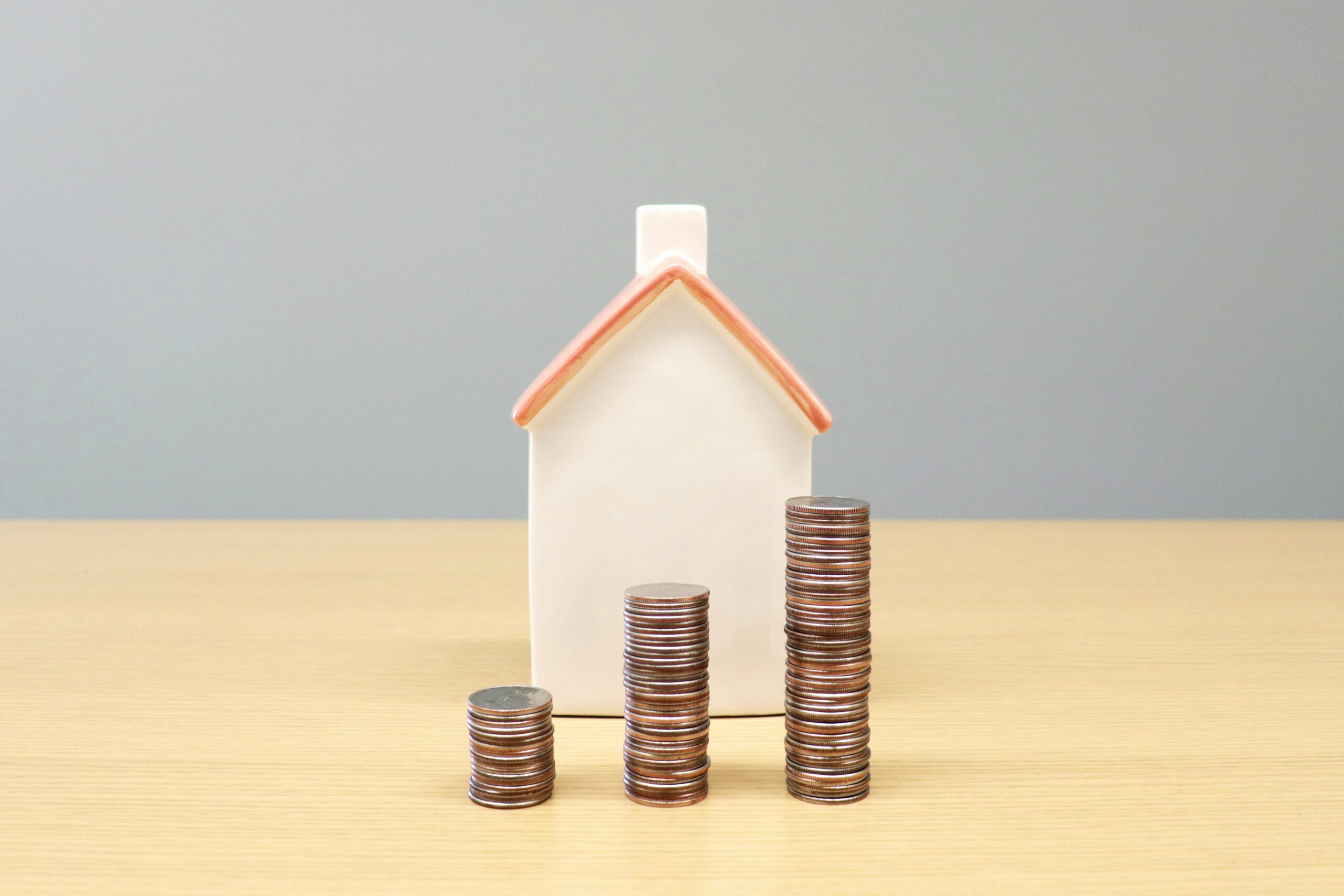
You’ve worked hard to build a life for yourself, and that includes the place you call home. It’s not just a structure of bricks and mortar; it’s a sanctuary, a place for memories, and, importantly, a significant financial asset. Understanding the concept of home equity is crucial for any homeowner looking to leverage this asset, whether for renovation, debt consolidation, or simply to gauge your financial well-being. This guide is designed to demystify home equity, breaking down what it is, how it grows, and how you can put it to work for you.
Imagine your home as a pie. A slice of that pie represents the portion you own outright, free and clear of any outstanding mortgage debt. The rest of the pie is still owed to the bank or lender. Home equity is essentially the market value of your home minus the total amount you still owe on your mortgage. It’s your financial stake in your property, a tangible measure of your ownership.
The Core Components: Home Value and Mortgage Debt
To truly grasp home equity, you need to understand its two fundamental drivers.
####

Your House Went Up $200K. You Didn’t.
FAQs

What is home equity?
Home equity is the current market value of a homeowner’s property minus the outstanding mortgage balance. It represents the portion of the property that the homeowner truly owns.
How is home equity calculated?
Home equity is calculated by subtracting the amount owed on the mortgage from the current market value of the property. For example, if a home is worth $300,000 and the homeowner owes $200,000 on the mortgage, the home equity would be $100,000.
What can homeowners do with their home equity?
Homeowners can use their home equity in a variety of ways, including taking out a home equity loan or line of credit, using it for home improvements, consolidating debt, or even using it as a down payment on a new home.
What are the benefits of having home equity?
Having home equity can provide homeowners with financial flexibility and opportunities. It can be used as a source of low-cost financing for major expenses, and it can also increase the homeowner’s net worth.
What are the risks of using home equity?
Using home equity as collateral for loans or lines of credit puts the property at risk of foreclosure if the homeowner is unable to make the required payments. Additionally, if the housing market declines, the homeowner’s equity could decrease.