
You’re probably familiar with the word “debt.” It’s a term that can evoke feelings of anxiety, relief, or even empowerment, depending on your current financial situation and your understanding of it. You might have debt right now, or you might be considering taking some on. But have you ever stopped to think that not all debt is created equal? You’ve likely heard talk about “good debt” and “bad debt,” but what does that really mean for you? It’s not just a matter of semantics; understanding the difference can be a game-changer for your financial future. This guide is here to demystify that distinction, arming you with the knowledge to make smarter decisions with your money.
At its core, the difference between what you might call good debt and bad debt boils down to one crucial factor: return on investment. Think of it like this: are you borrowing money to acquire something that will likely increase in value over time, or help you earn more money, or are you borrowing money to purchase something that will immediately begin to lose value or provides no tangible financial benefit? This is the fundamental dividing line.
Assets that Appreciate or Generate Income
When you consider “good debt,” you’re looking at borrowing that serves as a strategic investment in your future. It’s about acquiring assets or opportunities that have the potential to grow in financial worth or directly increase your earning capacity. This type of debt, when managed wisely, can actually contribute to building your net worth and achieving your long-term financial goals.
Homes as the Quintessential Good Debt
The most classic example of good debt is a mortgage. You borrow a significant sum to purchase a home. While a home does require ongoing maintenance and property taxes, it’s an asset that historically tends to appreciate in value over the long term. You’re building equity in a tangible asset that you can live in, rent out, or eventually sell for a profit. This appreciation, coupled with the tax benefits often associated with homeownership, can make a mortgage a powerful tool for wealth creation.
Education as an Investment in Human Capital
Another prime example of good debt is a student loan used for higher education. While the initial cost can seem daunting, the idea behind student loans is that you are investing in your human capital. A college degree or specialized training can significantly increase your earning potential over your lifetime. The return on investment in education can manifest in higher salaries, better job opportunities, and greater career stability, far outweighing the cost of the loans in the long run.
Business Loans for Growth and Expansion
For entrepreneurs or those looking to start a business, a business loan can be considered good debt. This debt is used to fund operations, purchase equipment, expand inventory, or invest in marketing – all activities designed to generate revenue and profit. If the business is successful, the profits generated will far exceed the cost of the loan, leading to financial growth and a strong return on your borrowed capital.
Liabilities that Depreciate or Deplete Value
On the flip side, “bad debt” is typically associated with borrowing money to fund purchases that lose value as soon as you acquire them, or that offer no discernible financial return. This type of debt often drains your cash flow, hinders your ability to save, and can trap you in a cycle of ongoing payments without any corresponding increase in your financial well-being.
Cars: A Rapidly Depreciating Asset
While a car is a necessity for many, the loan you take out to purchase one is often categorized as bad debt. Cars are notorious for their rapid depreciation. The moment you drive a new car off the lot, its value drops significantly. Over the next few years, that depreciation continues. You are left making loan payments on an asset that is losing value with each passing year, diminishing your overall net worth.
Consumer Goods and Lifestyle Purchases
Using debt to finance everyday consumer goods – think new clothes, the latest electronics, or impulse purchases – falls squarely into the bad debt category. These items provide temporary satisfaction but offer no long-term financial benefit. You’re paying interest on items that, within a short period, will be used up, obsolete, or simply no longer providing value.
Vacations and Experiences: Enjoyment vs. Financial Gain
While enriching your life with experiences like vacations is undeniably valuable, funding these experiences with debt is generally considered bad debt. You are borrowing money to enjoy yourself, which is perfectly fine! However, when you add interest to the cost, you end up paying significantly more for that vacation. Unless the vacation has a direct business purpose (which is rare), it doesn’t contribute to your financial growth.
Understanding the distinction between good debt and bad debt is crucial for effective financial management. For a deeper exploration of this topic, you can refer to a related article that breaks down the concepts and provides practical examples. To learn more about how to navigate your financial decisions wisely, visit this article.
The Crucial Role of Return on Investment and Financial Growth
The concept of “return on investment” is the bedrock upon which the distinction between good and bad debt is built. It’s not merely about the item you’re purchasing; it’s about its impact on your overall financial health and trajectory.
Building Net Worth Through Strategic Borrowing
Good debt is intrinsically linked to the idea of building net worth. When you borrow to acquire appreciating assets like a home or to invest in your earning potential through education, you are laying the groundwork for future financial prosperity. The value of the asset you acquire, or the increased income you can generate, has the potential to exceed the cost of the debt, thereby increasing your net worth over time. You are essentially using borrowed money to accelerate your wealth accumulation.
Equity Building: A Tangible Sign of Progress
With a mortgage, for instance, a portion of your monthly payment goes towards the principal owed, gradually increasing your equity in the home. This equity is a tangible representation of your ownership stake and contributes directly to your net worth. As your equity grows, so does your financial cushion and your overall financial security.
Increased Earning Potential: The Unseen Return
Student loans, when viewed through the lens of ROI, are an investment in your future earning capacity. While you might not see a direct monetary return immediately, the long-term impact of a degree or specialized skill can lead to significantly higher income throughout your career. This increased income can then be used to pay off the debt and build wealth, making the initial borrowing a strategic, albeit delayed, investment.
Draining Cash Flow and Limiting Financial Flexibility
Bad debt, conversely, acts as a constant drain on your financial resources. The interest payments, coupled with the principal repayment, reduce the amount of money you have available for essential expenses, savings, and investments. This can create a precarious financial situation where you are living paycheck to paycheck, struggling to meet your obligations, and unable to save for emergencies or future goals.
The Snowball Effect of High-Interest Debt
When you are burdened by high-interest debt, like credit card balances for consumer purchases, the interest charges can quickly outpace your payments. This creates a snowball effect where you are paying a significant amount just to service the debt, with very little progress being made on the actual principal. This perpetual cycle limits your ability to allocate funds towards more productive financial activities.
Reduced Choices and Missed Opportunities
The constant pressure of servicing bad debt can severely limit your financial flexibility and the choices you have available. You might be unable to take advantage of investment opportunities, make necessary home repairs, or even afford unexpected expenses without resorting to more debt. This can create a feeling of being trapped and hinder your ability to achieve your financial aspirations.
Interest Rates and Terms: A Key Indicator of Debt Quality
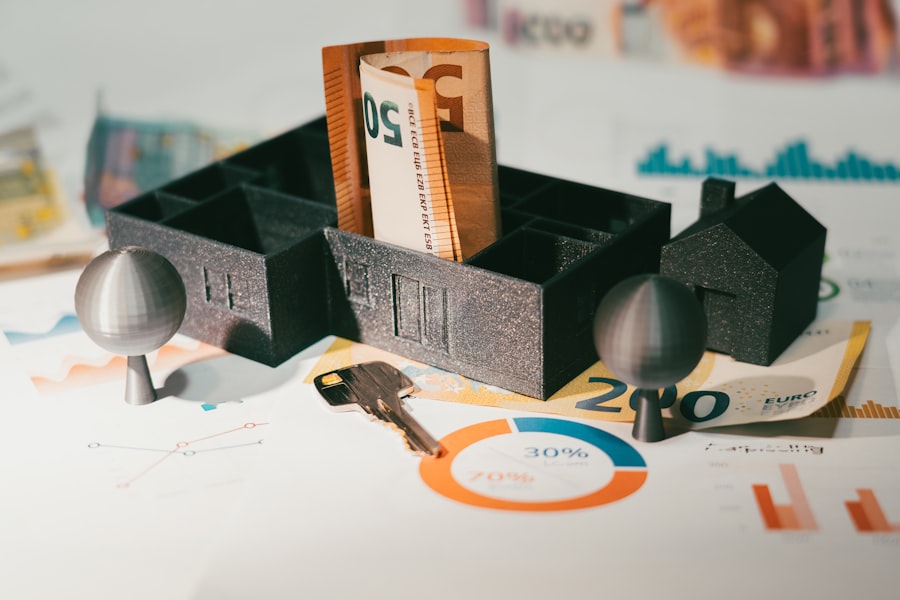
While the concept of return on investment is primary, the characteristics of the loan itself – particularly its interest rate and repayment terms – offer strong clues as to whether it’s likely to be good or bad debt.
The Sweet Spot of Low Interest Rates
Good debt typically comes with relatively low interest rates. This means that a smaller portion of your payment is allocated to interest charges, allowing more of it to go towards the principal. Lower interest rates make the debt more manageable and less costly in the long run, increasing the likelihood that the asset or opportunity it funds will provide a positive return.
Mortgages and Their Historically Lower Rates
Mortgages, for instance, are often associated with some of the lowest interest rates available. This is because they are secured by a valuable asset (your home), making them less risky for lenders. These lower rates are crucial for making homeownership a financially viable goal and for allowing homeowners to build equity without being crippled by interest payments.
Competitive Rates on Business and Student Loans
Well-qualified borrowers can often secure competitive interest rates on business loans and federal student loans. These rates, while sometimes higher than mortgages, are still manageable and reflective of the potential for a significant return on investment. The availability of relatively favorable terms on these types of loans is a testament to their recognized role in economic growth and individual advancement.
The Danger Zone of High and Variable Rates
Bad debt, on the other hand, is frequently characterized by high, often variable, interest rates. These soaring rates can quickly inflate the total cost of the loan, making it incredibly difficult to repay and significantly increasing the risk of falling behind on payments.
Credit Cards: A Common Culprit
Credit cards are notorious for their high annual percentage rates (APRs), especially when balances are carried over from month to month. These rates can make even small purchases incredibly expensive over time. If you’re using credit cards to finance purchases that don’t generate income or appreciate in value, you’re essentially paying a premium for depreciating or non-existent assets.
Predatory Lending: Payday Loans and Beyond
Payday loans and other forms of predatory lending are prime examples of extremely high-interest debt that are almost always classified as bad debt. These loans come with exorbitant fees and astronomical interest rates, making them virtually impossible for borrowers to repay without falling into a debt spiral. They are designed to trap vulnerable individuals in cycles of debt.
The Unpredictability of Variable Rates
Variable interest rates add another layer of risk to any loan. While they might start lower, they can increase significantly over time, making your monthly payments unpredictable and potentially unmanageable. This uncertainty further exacerbates the negative impact of bad debt, making it harder to budget and plan for the future.
Risk Management: Your Personal Calculus for Debt
While the categories of good and bad debt are helpful, modern financial advice emphasizes that the label isn’t always black and white. The true determinant often lies in risk management and your personal capacity to handle the debt. What might be good debt for one person could be detrimental to another.
Borrowing Within Your Capacity
The most critical element of risk management is ensuring you are borrowing responsibly and within your means. This means carefully assessing your income, expenses, and financial goals before taking on any debt. Can you comfortably afford the monthly payments, including interest, without jeopardizing your essential needs or savings goals?
Realistic Budgeting is Your Foundation
Creating and adhering to a realistic budget is paramount. Your budget will reveal how much discretionary income you have available to service debt. If taking on a particular loan would strain your budget to the breaking point, it’s a strong indicator that it might be bad debt for you, regardless of the item it funds.
Understanding Your Debt-to-Income Ratio
Your debt-to-income (DTI) ratio is a key metric that lenders use to assess your creditworthiness, but it’s also a powerful tool for personal financial management. It compares your total monthly debt payments to your gross monthly income. A high DTI can signal that you are overleveraged and might struggle to manage additional debt, even if it’s for a seemingly “good” purpose.
Ensuring the Loan Serves a Strategic Purpose
Beyond just affordability, the debt you take on should align with a clear, strategic financial purpose. This purpose should contribute to your long-term financial well-being rather than providing temporary gratification.
Alignment with Financial Goals
Does the debt help you achieve a significant financial goal, such as homeownership, obtaining a degree that will boost your career, or launching a successful business? If the answer is yes, and you can manage the payments responsibly, it’s likely to be considered good debt for you.
Avoiding “Lifestyle Creep”
“Lifestyle creep” is a dangerous phenomenon where your spending increases as your income increases, often fueled by readily available credit. If you find yourself using debt to fund a lifestyle that isn’t supported by your sustainable income, even if the items seem desirable, it can quickly turn into bad debt. The key is to distinguish between needs, wants, and genuine investments.
Understanding the difference between good debt and bad debt is crucial for effective financial management. For a deeper insight into this topic, you can explore a related article that breaks down the nuances of debt and its impact on personal finance. This resource provides valuable information on how to leverage good debt to build wealth while avoiding the pitfalls of bad debt. To read more about this important financial concept, visit How Wealth Grows.
Common Examples: Putting Theory into Practice
| Debt Type | Definition | Example |
|---|---|---|
| Good Debt | Debt used to finance assets that have the potential to increase in value or generate long-term income. | Student loans for education, mortgage for a home, business loans for expansion. |
| Bad Debt | Debt used to purchase depreciating assets or non-essential items that do not generate long-term income. | Credit card debt for luxury items, high-interest personal loans for vacations. |
To solidify your understanding, let’s look at some common scenarios and categorize them. Remember, context and your personal financial situation are always important, but these are generally accepted classifications.
Standard “Good Debt” Scenarios
These are the types of loans that, when managed responsibly, are widely considered beneficial for long-term financial health.
Mortgages for Primary Residences
As discussed, a mortgage for your primary home is a cornerstone of good debt for many. It allows you to build equity and a tangible asset.
Student Loans for Higher Education or Vocational Training
Investing in your education with student loans can lead to increased earning potential and career advancement.
Business Loans for Starting or Expanding a Venture
If your business plan is sound, a business loan can be a powerful engine for growth and profitability.
Loans for Essential Home Improvements that Increase Value
While not as clear-cut as a purchase, a loan for essential home improvements that genuinely increase your home’s value (e.g., a new roof, energy-efficient windows) can be a strategic use of debt.
Common “Bad Debt” Scenarios
These are loans that often lead to financial struggles and are best avoided or paid off as quickly as possible.
Credit Card Balances for Consumer Goods and Luxuries
Carrying high balances on credit cards for items like electronics, clothing, or dining out is a classic example of bad debt.
Payday Loans and Other High-Interest Short-Term Loans
These loans are designed to trap borrowers and should be avoided at all costs due to their predatory nature.
Auto Loans for Depreciating Vehicles (especially if over-financed)
While an auto loan might be necessary, it’s important to avoid over-financing and to understand that the car will depreciate.
Loans for Boats, RVs, or Other Recreational Vehicles
These are often significant purchases that depreciate rapidly and don’t generate income, making them prime examples of bad debt.
Personal Loans for Unplanned Expenses Without a Clear Repayment Plan
Using a personal loan for unexpected expenses is understandable, but if you don’t have a solid plan to repay it quickly, the interest charges can become burdensome.
By understanding these distinctions and applying the principles of risk management, you can navigate the world of debt with greater confidence. You can leverage debt as a tool to build wealth and achieve your dreams, rather than letting it become a burden that holds you back. Your financial future is in your hands, and informed decisions about debt are a vital part of that journey.

The Millionaire Next Door Doesn’t Look Rich Anymore
FAQs
What is good debt?
Good debt is a type of debt that is used to finance investments that have the potential to increase in value or generate long-term income. Examples of good debt include student loans, mortgages, and business loans.
What is bad debt?
Bad debt is a type of debt that is used to finance purchases that do not increase in value or generate long-term income. Examples of bad debt include credit card debt used for unnecessary purchases, payday loans, and high-interest personal loans.
How does good debt differ from bad debt?
Good debt is used to finance investments that have the potential to increase in value or generate long-term income, while bad debt is used to finance purchases that do not increase in value or generate long-term income. Good debt can be considered an investment in one’s future, while bad debt is often considered a burden on one’s financial health.
What are the potential benefits of good debt?
The potential benefits of good debt include the ability to finance investments in education, real estate, or business ventures that have the potential to increase in value or generate long-term income. Good debt can also help individuals build credit and achieve financial goals.
What are the potential risks of bad debt?
The potential risks of bad debt include high interest rates, fees, and the potential to negatively impact one’s credit score. Bad debt can also lead to financial stress and the inability to achieve long-term financial goals.