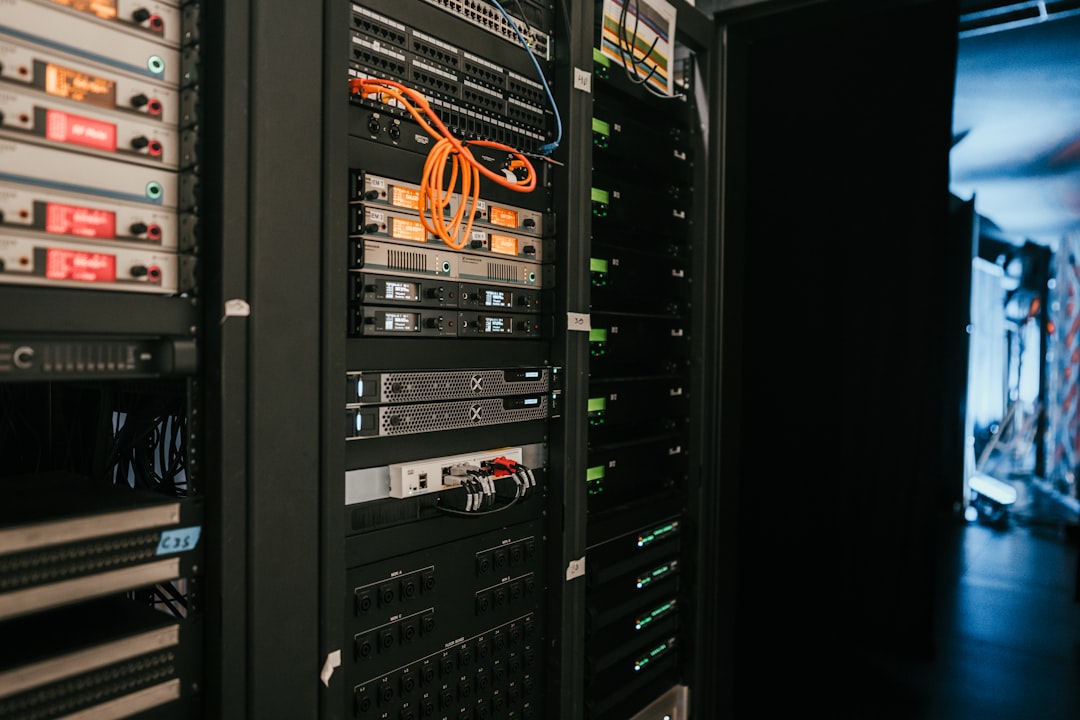
You’re standing in the heart of your organization’s digital operations: the data center. It hums with power, a critical engine driving your business forward. But beneath that hum lies a complex financial reality, and one aspect that can silently drain your resources is the concept of “stranded costs.” You might be paying for capacity you’re not using, for equipment that’s obsolete, or for infrastructure that no longer aligns with your strategic goals. Understanding these stranded costs isn’t just about accounting; it’s about ensuring your data center remains a strategic asset, not a financial albatross.
Imagine a grand ballroom, beautifully appointed and ready for a lavish party. Now, imagine only a handful of guests show up. You’re still paying for the entire ballroom, the catering for everyone, and the staff to serve them all. This is a simplified analogy for stranded costs in your data center. You’ve invested in a certain level of capacity, capabilities, and infrastructure, but your current demands and operational realities don’t fully utilize these investments.
Defining Stranded Costs in the Data Center Context
At its core, a stranded cost is an expense that has already been incurred and cannot be recovered. In the context of a data center, these are the costs associated with assets or resources that are no longer contributing to your operational efficiency or strategic objectives, yet you continue to bear their financial burden. These costs can be tangible, like depreciated hardware, or intangible, like the opportunity cost of maintaining outdated systems.
Tangible Assets, Intangible Losses
Your data center is a physical entity, built with significant capital expenditures. Think about the servers, the networking equipment, the cooling systems, the power distribution units – these are all assets. When you upgrade to newer, more efficient technology, the older equipment doesn’t simply disappear. It might be decommissioned, sold at a loss, or even held as backup. Even if it’s no longer actively processing your primary workloads, you might still be paying for its:
- Depreciation: While this is an accounting concept, it reflects the loss of value of an asset over time. You might have accounted for the full value of a server, but if it’s now sitting idle, its economic value is effectively zero, yet the depreciation continues to impact your books.
- Maintenance and Support Contracts: Even if a server is “off,” you might still be paying for extended warranties or support contracts that offer minimal practical benefit for an underutilized asset.
- Physical Space and Utilities: That decommissioned server still occupies rack space, consumes power for its minimal standby operation, and might even contribute to heat that your cooling systems need to manage.
The Over-Provisioning Problem
A common driver of stranded costs is over-provisioning. When you design and build your data center, you typically aim for a certain level of redundancy and capacity to handle anticipated future growth and peak loads. However, predicting the future is notoriously difficult.
- Underestimated Efficiency Gains: You might have provisioned for a certain number of servers to handle a specific workload, only to discover that newer, more efficient hardware can perform the same task with significantly fewer physical units.
- Shifting Business Demands: Your business priorities can change. A project you invested heavily in might be de-prioritized or cancelled, leaving you with unused resources dedicated to it. Conversely, a new initiative might require entirely different types of infrastructure, leaving older, provisioned resources redundant.
- Cloud Migration Hesitation: The allure of the cloud for its elasticity and pay-as-you-go model is strong. However, a slow or incomplete migration to the cloud can leave you maintaining your own on-premises infrastructure that is no longer cost-effective. You’re paying for both your existing data center and the cloud services you’re slowly adopting.
Legacy Systems and Technical Debt
You’ve likely heard the term “technical debt.” It refers to the implied cost of future rework caused by choosing an easy solution now instead of using a better approach that would take longer. In data centers, legacy systems are a prime example.
- Outdated Software and Hardware: Maintaining old operating systems, applications, and hardware can be expensive. You might be paying for specialized support, struggling to find qualified personnel, and dealing with increased security vulnerabilities.
- Interdependency Chains: Often, newer systems are built on top of or integrated with older ones. This creates complex dependencies, making it difficult and risky to decommission or replace the legacy components, even if they are inefficient or costly to maintain. You’re effectively “trapped” by your past decisions.
Understanding data center stranded costs is crucial for businesses looking to optimize their IT infrastructure investments. For a deeper dive into this topic, you can explore the article that outlines various factors contributing to these costs and offers strategies for mitigation. To read more about it, visit this article.
Identifying the Sources of Stranded Costs
Pinpointing exactly where your data center’s stranded costs lie can feel like a treasure hunt, but a necessary one. It requires a deep dive into your financial records, your operational metrics, and your strategic roadmap. Ignoring these hidden costs is like letting money seep out of your budget unnoticed.
The Audit Trail: Financial Scrutiny
Your financial statements are your first clue. You need to meticulously examine all line items related to your data center operations.
Capital Expenditures (CapEx) Analysis
- Depreciated Assets: Review your fixed asset register. Identify hardware that is fully depreciated but still in operation, or worse, sitting idle. Understand the remaining book value and the original purchase price.
- Leased Equipment: If you have leased equipment, examine your lease agreements. Are there clauses that lock you into payments for equipment that is no longer essential?
- Infrastructure Upgrades: When you invested in new power, cooling, or network infrastructure, did you over-provision for future needs that haven’t materialized?
Operational Expenditures (OpEx) Breakdown
- Power Consumption: This is a significant OpEx. Analyze your power bills and correlate them with your IT load. High idle power consumption by underutilized servers is a direct indicator of stranded costs.
- Cooling Costs: Similar to power, your cooling systems are working to manage heat generated by all your equipment, active or not. Underutilized racks still contribute to thermal load.
- Maintenance and Support Contracts: Scrutinize every contract. Are you paying for support on hardware that’s been decommissioned? Are your support tiers aligned with the actual criticality of the systems?
- Staffing Costs: Do you have staff dedicated to maintaining or managing systems that are rarely used or are nearing end-of-life?
The Performance Dashboard: Operational Metrics
Your data center’s performance metrics tell a story of utilization. Look beyond simple uptime and delve into the true utilization of your resources.
Server Utilization Rates
- CPU, Memory, and Disk Usage: Modern monitoring tools provide granular data on how much processing power, memory, and storage your servers are actually using. Consistently low utilization (e.g., below 20%) for an entire server or rack is a strong signal of potential stranded costs.
- Virtual Machine (VM) Density: In virtualized environments, are your hosts over-provisioned with VMs that are consuming minimal resources? Or are you running many low-utilization VMs on separate physical machines instead of consolidating them?
Network Traffic Analysis
- Bandwidth Utilization: Are your network links consistently underutilized? This could indicate over-provisioned network capacity that you’re paying for but not using.
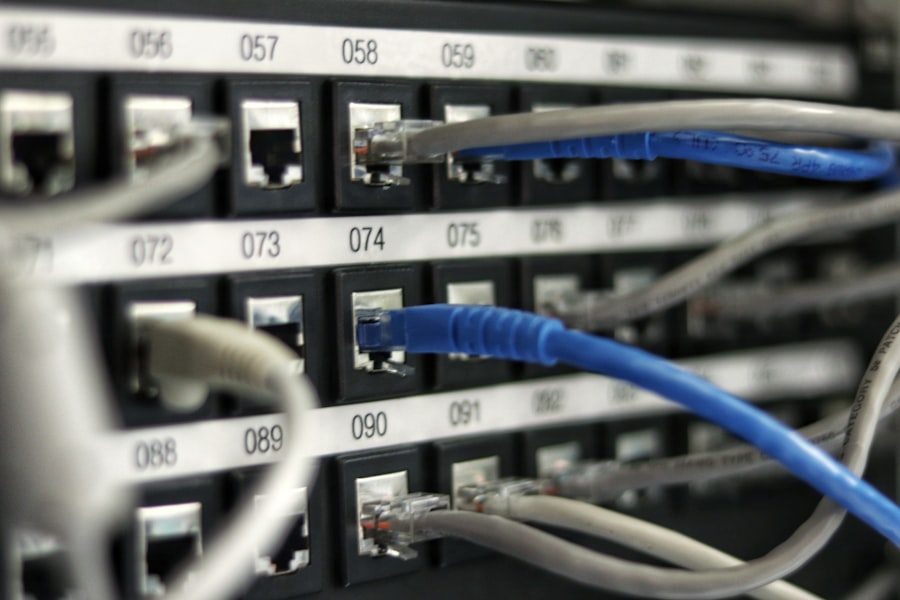
- Port Utilization: Are there many network ports on your switches that are unassigned or used by dormant devices?
Storage Utilization
- Thin Provisioning vs. Actual Usage: Are you paying for terabytes of storage that remain largely empty? If you’re not using thin provisioning effectively, you might be allocating more space than you need.
- Data Archiving and Tiering: Is infrequently accessed data sitting on expensive, high-performance storage tiers instead of being moved to more cost-effective archival solutions?
The Strategic Compass: Business and IT Alignment
Your data center’s purpose is to serve your business objectives. If your infrastructure is misaligned with your current or future strategy, you are likely incurring stranded costs.
Cloud Readiness and Adoption Assessment
- Workload Suitability for Cloud: Have you assessed which of your applications and workloads are good candidates for migration to the public, private, or hybrid cloud? If not, you might be maintaining on-premises infrastructure for workloads that could be more cost-effectively managed elsewhere.
- Migration Progress: If you’re undergoing a cloud migration, are there still significant on-premises resources running that are redundant with your cloud deployment?
Application Portfolio Rationalization
- Redundant Applications: Do you have multiple applications performing the same or very similar functions? Consolidating these can lead to decommissioning redundant infrastructure.
- End-of-Life Applications: Are you maintaining infrastructure for applications that are no longer supported by the vendor or are no longer used by the business?
Future Technology Roadmaps
- Emerging Technologies: Are you aware of new technologies (e.g., hyper-converged infrastructure, serverless computing) that could consolidate your existing infrastructure and reduce costs?
- Planned Decommissioning: Do you have a clear plan for when and how you will decommission older hardware and software as you implement new solutions?
The Financial Impact of Unmanaged Stranded Costs
It’s easy to see stranded costs as an accounting anomaly, a minor inconvenience. However, their cumulative effect can be substantial, impacting your bottom line and hindering your ability to invest in innovation. You’re not just paying for unused capacity; you’re also missing out on opportunities.
Direct Financial Losses
The most obvious impact is the direct expenditure on assets that are not providing value.
Wasted Capital and Operating Expenses
- Ongoing Depreciation: As mentioned, even if a server is off, its depreciation is a real accounting cost that impacts your profitability.
- Maintenance and Support Fees: You’re paying for services that are not being utilized for their intended purpose. This can amount to thousands or even millions of dollars annually, depending on the scale of your data center.
- Power and Cooling Bills: While harder to isolate precisely, a portion of your utility bills is directly attributable to powering and cooling idle or underutilized equipment.
- Lease Payments: If you’re locked into leases for equipment that is no longer needed, you’re essentially paying rent for an empty room.
Reduced Return on Investment (ROI)
When you invest in new technology, you expect a return. Stranded costs dilute this return.
- Lower Efficiency: If you’ve invested in energy-efficient hardware but are still running older, power-hungry machines alongside them, your overall data center efficiency is lower than it could be.
- Opportunity Cost of Capital: The money tied up in underutilized assets could be invested in revenue-generating projects, research and development, or other strategic initiatives that offer a higher ROI.
Indirect and Opportunity Costs
The financial drain isn’t limited to direct expenses. The ripple effects of stranded costs can be far-reaching.
Hindered Innovation and Agility
- Resource Scarcity: If a significant portion of your IT budget is consumed by maintaining legacy infrastructure, there’s less budget available for new projects, technology adoption, and innovation. This can put you at a competitive disadvantage.
- Slowed Decision-Making: The complexity of managing outdated systems can make it harder and slower to make decisions about new technology adoption or infrastructure changes.
- Lack of Flexibility: Maintaining a large footprint of underutilized physical infrastructure can make it difficult and expensive to scale up or down as business needs change, reducing your agility.
Increased Risk and Security Vulnerabilities
- Outdated Security Patching: Legacy systems often run on older operating systems and software that are no longer supported by security patches. This makes them prime targets for cyberattacks, leading to potential data breaches, service disruptions, and costly remediation efforts.
- Compliance Challenges: Maintaining compliance with industry regulations can become more difficult and expensive when dealing with outdated and unsupported systems.
- Higher Maintenance Burden: The effort required to keep legacy systems running and secure diverts resources that could be used for proactive security measures on modern infrastructure.
Talent Drain and Morale Issues
- Unchallenging Work: IT professionals often seek challenging and innovative work. Being tasked with maintaining outdated systems can lead to disengagement and a higher turnover rate.
- Difficulty Attracting Talent: It can be harder to attract top talent to an organization perceived as technologically stagnant.
Strategies for Minimizing and Eliminating Stranded Costs
The good news is that stranded costs are not a permanent state. With a proactive and strategic approach, you can significantly reduce and even eliminate them. This is about optimizing your data center for current and future needs, not just letting it languish.
Rationalize and Right-Size Your Infrastructure
The first step is to understand what you truly need and then align your infrastructure accordingly.
Conduct a Comprehensive Inventory
- Hardware Audit: Go beyond your asset register. Physically inspect all equipment, verify its operational status, and document its age, configuration, and current utilization.
- Software Audit: Understand all your installed software, its licensing, and its usage. Identify redundant or underutilized applications.
Decommissioning and Retirement Processes
- Establish Clear Retirement Policies: Define criteria for decommissioning hardware and software (e.g., end-of-support dates, utilization thresholds, replacement by newer technology).
- Secure Data Erasure: Implement robust procedures for securely erasing data from retired equipment to prevent data breaches.
- Responsible Disposal: Explore options for recycling, refurbishing, or donating old equipment to minimize environmental impact and potentially recoup some value.
Right-Sizing Your Physical Footprint
- Consolidate Servers: Leverage virtualization and containerization to run more workloads on fewer physical servers.
- Optimize Rack Space: Ensure that every rack unit is being utilized efficiently. Remove empty racks or repurpose them.
- Re-evaluate Power and Cooling Needs: As you reduce your physical footprint, adjust your power and cooling infrastructure to match your actual requirements.
Embrace Modernization and Cloud Adoption
The landscape of IT infrastructure is constantly evolving. Staying with outdated models will inevitably lead to stranded costs.
Strategic Cloud Migration
- Workload Assessment for Cloud Suitability: Use tools and methodologies to identify which applications are best suited for migration to public, private, or hybrid cloud environments.
- Phased Migration Approach: Develop a clear roadmap for migrating workloads, prioritizing those that offer the greatest cost savings and agility benefits.
- Hybrid Cloud Strategy: For workloads that cannot or should not be moved to the public cloud, consider private cloud solutions or hybrid architectures that can still offer some of the benefits of cloud computing.
Modernizing On-Premises Infrastructure
- Hyper-Converged Infrastructure (HCI): HCI solutions can simplify management and reduce the physical footprint by integrating compute, storage, and networking into a single system.
- Software-Defined Networking (SDN) and Storage (SDS): These technologies offer greater flexibility and automation, allowing you to provision and manage resources more dynamically, reducing the need for over-provisioning.
- Containerization and Microservices: Adopting containerization technologies like Docker and Kubernetes can lead to more efficient use of resources and easier management of applications, reducing the need for dedicated, underutilized servers.
Implement Smart Financial Management and Governance
Proactive financial management is crucial for preventing and addressing stranded costs.
Regular Financial Reviews and Forecasting
- Budget Alignment: Ensure your data center budget accurately reflects your current and projected needs, not just historical spending.
- Cost Allocation: Implement clear cost allocation models to attribute data center expenses to specific business units or applications, increasing accountability.
- Total Cost of Ownership (TCO) Analysis: When evaluating new technologies or infrastructure, consider the TCO, including not only the initial purchase price but also ongoing operational costs, maintenance, and potential for stranded costs.
Lifecycle Management of Assets
- Proactive Replacement Planning: Don’t wait for hardware to fail or become obsolete. Plan for regular refresh cycles based on manufacturer support lifecycles and technological advancements.
- End-of-Life (EOL) and End-of-Support (EOS) Tracking: Maintain a clear understanding of EOL and EOS dates for all your hardware and software to plan for replacements or upgrades in advance.
Performance Monitoring and Optimization
- Continuous Monitoring: Implement robust monitoring tools that track resource utilization across your entire data center.
- Automated Optimization: Leverage automation to reallocate resources, consolidate VMs, and identify idle or underutilized assets.
- Regular Performance Audits: Conduct periodic audits to identify deviations from optimal utilization and address them proactively.
Understanding data center stranded costs is crucial for businesses looking to optimize their IT investments. For a deeper insight into this topic, you might find the article on financial strategies in technology infrastructure quite enlightening. It discusses various aspects of managing costs associated with data centers and how to mitigate potential losses. You can read more about it in this related article. This resource provides valuable information that can help organizations navigate the complexities of their technological expenditures.
The Future of Your Data Center: A Stranded Cost-Free Vision
| Stranded Costs | Explanation |
|---|---|
| Definition | Costs incurred when data center assets become obsolete or underutilized due to technological advancements or changes in business needs. |
| Causes | Technological obsolescence, overcapacity, changes in business strategy, or regulatory changes. |
| Impact | Financial losses, reduced competitiveness, and inefficient resource allocation. |
| Mitigation | Regular assessment of infrastructure, flexible capacity planning, and adoption of modular or scalable technologies. |
Your data center is a dynamic entity, constantly evolving with your organization’s needs and the technological landscape. By understanding and actively managing stranded costs, you transform it from a potential financial burden into a lean, efficient, and strategic asset. It’s about making informed decisions, embracing innovation, and ensuring that every dollar invested in your data center delivers maximum value.
Proactive Management is Key
The most effective way to combat stranded costs is through proactive management. Don’t wait for them to become a problem; build a framework for identifying and addressing them as they arise. This means:
- Embedding Cost Awareness: Foster a culture where cost-effectiveness is a consideration in all IT decisions, from procurement to application development.
- Leveraging Data: Use the wealth of data available from your monitoring tools and financial systems to drive informed decisions.
- Continuous Improvement: Treat stranded cost reduction as an ongoing process, not a one-time project. Regularly review your infrastructure, processes, and strategies.
The Strategic Advantage of an Optimized Data Center
When you successfully minimize stranded costs, you unlock significant strategic advantages:
- Increased Financial Flexibility: Free up capital and operating expenses that can be reinvested in critical business initiatives, R&D, or market expansion.
- Enhanced Agility and Responsiveness: A lean and optimized data center allows you to scale resources up or down quickly in response to changing market demands and business opportunities.
- Accelerated Innovation: With resources freed from maintaining legacy systems, your IT team can focus on developing and implementing innovative solutions that drive business growth.
- Improved Security Posture: Modernized and well-managed infrastructure is inherently more secure, reducing the risk of costly data breaches and downtime.
- Stronger Competitive Positioning: An efficient and agile data center enables your organization to adapt faster, innovate more effectively, and ultimately, gain a competitive edge.
Your data center is more than just a collection of servers and cables; it’s a critical component of your business’s future. By understanding and diligently managing its stranded costs, you ensure it remains a powerful engine of growth and innovation, rather than a silent drain on your resources. This journey of optimization is not just about cutting costs; it’s about strategically investing in a more efficient, agile, and future-ready organization.

Is AI About to Make Your Electric Bill Even Higher?
FAQs
What are stranded costs in a data center?
Stranded costs in a data center refer to the expenses incurred for infrastructure, equipment, or services that are no longer needed or utilized due to changes in technology, business needs, or operational requirements.
What factors contribute to stranded costs in a data center?
Several factors can contribute to stranded costs in a data center, including rapid technological advancements, changes in business operations, shifts in market demand, and inefficient capacity planning.
How can data center stranded costs be minimized or avoided?
Data center operators can minimize or avoid stranded costs by conducting thorough capacity planning, regularly assessing and updating technology requirements, implementing flexible infrastructure solutions, and staying informed about industry trends and best practices.
What are the potential impacts of data center stranded costs?
Data center stranded costs can have significant financial implications, including wasted investments, reduced operational efficiency, increased maintenance expenses, and potential limitations on the ability to adapt to changing business needs.
What strategies can be used to address existing data center stranded costs?
To address existing data center stranded costs, organizations can consider options such as repurposing or selling unused equipment, renegotiating contracts, consolidating infrastructure, and investing in technologies that enable greater flexibility and scalability.