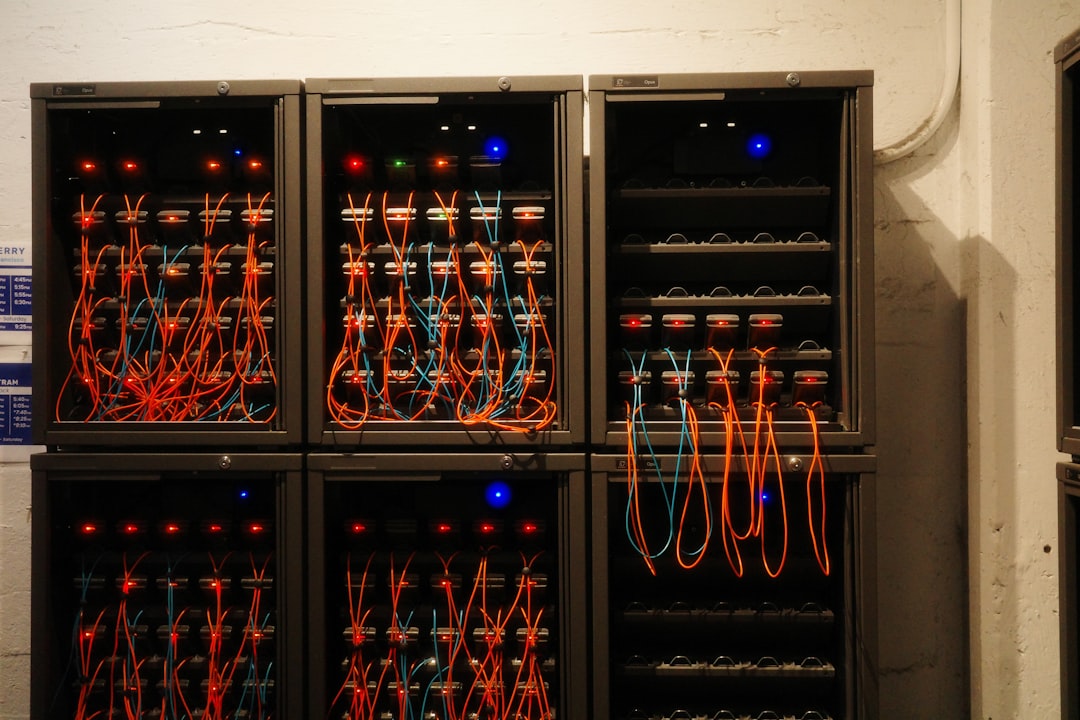
You’re staring at your data center’s electricity bill, and it feels like a foreign language. The numbers are high, fluctuating, and frankly, a little intimidating. You know that power is a significant operational cost, but understanding the nuances of your data center’s electricity rates is crucial for effective management, cost optimization, and even strategic planning. This isn’t just about paying the bill; it’s about understanding the forces that shape it and how you can exert influence.
This article will guide you through the complex world of data center electricity rates, demystifying the jargon and empowering you to make informed decisions. We’ll break down the core components, explore the factors that influence your costs, and discuss strategies for navigating this vital aspect of your data center operations.
Your data center’s electricity bill isn’t a single, monolithic charge. It’s a carefully constructed invoice that reflects the actual consumption of energy, the price of that energy, and various other fees and taxes. To truly understand your rates, you need to peel back these layers.
The Basic Unit: Kilowatt-Hours (kWh)
At its most fundamental level, electricity is measured in kilowatt-hours (kWh). Think of it as the unit of “work” your data center’s equipment is doing. A kilowatt (kW) is a measure of power – how much energy is being used at any given moment. A kilowatt-hour is that power sustained for one hour. So, if your servers are drawing 10 kW of power and they run for 24 hours, that’s 240 kWh consumed. Your data center’s total consumption is the sum of all the kWh used by every piece of equipment – servers, storage, networking gear, cooling systems, lighting, and everything else that draws power.
- Tracking Your Consumption: Modern data centers employ sophisticated monitoring systems that track energy usage at various levels, from individual server racks to entire halls. Understanding these granular metrics is the first step to identifying where your energy is going and where savings can be found.
The Price of Power: The Energy Charge
This is the core of your electricity bill – the price per kWh you pay to the utility company. This rate isn’t static; it can vary significantly based on several factors, which we’ll delve into later. It’s the direct cost of the electricity you consume.
- Volatile Markets: The price of electricity on the wholesale market can fluctuate based on supply and demand, fuel costs (like natural gas), weather events, and geopolitical factors. Your utility company often buys electricity on these markets, and those costs are passed on to you.
Beyond Consumption: The Demand Charge
This is where things can get a bit trickier and often represent a significant portion of a data center’s bill. The demand charge is not based on the total energy you consume over a month, but rather on your peak power usage during a specific period. Utilities need to ensure they can meet the maximum power demand of all their customers at any given time. Therefore, they charge you for the infrastructure required to support your highest draw.
- The Peak Matters: Imagine a highway. The road needs to be wide enough to handle rush hour traffic. Similarly, your utility must have enough generating capacity and transmission infrastructure to handle your data center’s peak demand, even if that peak only lasts for a few hours. This is why your highest kW usage within a billing cycle can result in a substantial charge, regardless of your overall kWh consumption.
- Identifying Your Peak: Understanding your historical peak demand is critical. Are your peaks predictable or erratic? Do they coincide with specific business operations or events? This knowledge is power in negotiating better rates or implementing strategies to flatten your demand curve.
Infrastructure and Service Fees: The Grid Connection
Beyond the energy itself, you’re paying for the privilege of being connected to the grid and for the utility’s services. These are often referred to as “distribution charges,” “transmission charges,” or “customer service charges.” These fees cover the cost of maintaining the power lines, substations, transformers, and other infrastructure that delivers electricity to your doorstep.
- Fixed vs. Variable Components: Some of these charges might be fixed monthly fees, while others may have variable components tied to your consumption or demand. It’s essential to differentiate between these to understand what costs are predictable and which ones can be influenced.
Taxes and Levies: The Government’s Slice
Like most services, electricity is subject to various taxes and government levies. These can include federal, state, and local taxes, as well as specific surcharges for environmental programs or regulatory compliance. These are often passed through directly from the utility to you.
- Navigating Tax Structures: While you generally have little control over these, understanding them can be useful, especially if you operate in multiple jurisdictions with different tax regimes.
Understanding data center electricity rates is crucial for businesses looking to optimize their operational costs. For a deeper dive into this topic, you can explore the article that provides insights into how energy consumption impacts overall expenses and offers strategies for managing these costs effectively. To read more, visit this article.
Factors Influencing Your Electricity Rates
The price you pay for electricity isn’t arbitrary. It’s influenced by a complex interplay of market forces, regulatory frameworks, and your own operational characteristics. Recognizing these drivers is key to understanding your current rates and identifying opportunities for improvement.
The Wholesale Electricity Market: Supply and Demand Dynamics
The electricity you consume is ultimately generated at power plants, and the price of that energy on the wholesale market is a primary driver of your utility’s costs. This market is influenced by:
- Fuel Costs: The price of natural gas, coal, and other fuels used to generate electricity has a direct impact on wholesale prices. Fluctuations in global energy markets can therefore ripple through to your data center’s bill.
- Generation Capacity: When there’s ample generation capacity available, prices tend to be lower. Conversely, during periods of high demand or when power plants are offline for maintenance or due to unexpected outages, prices can spike.
- Renewable Energy Integration: The increasing integration of renewable energy sources like solar and wind, which can have fluctuating output, also influences grid stability and market prices.
Location, Location, Location: Geographic Influences
Your data center’s physical location plays a significant role in its electricity rates for several reasons:
- Local Utility Rates: Different utility companies have different pricing structures and regulatory environments. Some regions may have historically lower electricity costs due to abundant local generation resources or favorable regulations.
- Transmission and Distribution Infrastructure: The distance from generation sources and the complexity of the transmission and distribution network in your area can impact costs. Areas with older or less robust infrastructure may incur higher charges.
- State and Local Regulations: Regulatory policies at the state and local levels can significantly impact electricity rates. This can include mandates for renewable energy, pricing structures for different customer classes, and environmental regulations.
Time of Use: When You Consume Matters
The time of day, week, and even year you consume electricity can have a profound effect on your rates. This is where Time-of-Use (TOU) pricing comes into play.
- Peak vs. Off-Peak Hours: Electricity demand is typically highest during late afternoon and early evening when businesses are winding down and residential demand is high. This “peak” period is when electricity is most expensive. Conversely, “off-peak” hours (often overnight) have lower rates.
- Seasonal Variations: Electricity demand can also vary seasonally. For instance, demand might be higher in the summer due to air conditioning loads, leading to increased rates.
- Strategic Scheduling: Understanding your TOU rates allows you to strategically schedule non-critical, high-energy-consuming tasks (like large data backups or software updates) for off-peak hours to minimize costs.
Your Data Center’s Load Profile: How You Use Power
The way your data center consumes power – your “load profile” – is a critical factor influencing your electricity rates. This includes:
- Total Load Size: Larger data centers may have more negotiating power with utilities or be eligible for different rate structures.
- Load Factor: The load factor is the ratio of your average power consumption to your peak power consumption over a period. A higher load factor (meaning your consumption is more consistent and closer to your peak) is generally more efficient and can lead to better rates because you’re utilizing the utility’s infrastructure more consistently. A low load factor, with significant peaks and valleys, means you’re paying for infrastructure that is often underutilized.
- Power Factor: Power factor is a measure of how effectively you’re using the electrical power supplied. A low power factor means you’re drawing more apparent power (measured in kVA) than you need for actual work (measured in kW), resulting in inefficiencies and potential penalties from the utility. Data centers with sophisticated power systems strive for a high power factor.
Contractual Agreements: The Power of Negotiation
The contract you have in place with your electricity provider is paramount. It dictates the terms, rates, and conditions of your power supply.
- Fixed vs. Variable Rates: Some contracts offer fixed rates for a certain period, providing budget certainty. Others have variable rates tied to market indices, which can offer lower prices if the market is favorable but introduce uncertainty.
- Term Length: Longer-term contracts can sometimes secure more favorable rates, but they also lock you into those terms. Shorter-term contracts offer more flexibility but may come with higher unit prices.
- Negotiation Leverage: Understanding your data center’s consumption patterns, peak demand, and load factor can be powerful leverage when negotiating your contract with the utility.
Strategies for Optimizing Your Data Center Electricity Rates
Now that you understand the components and influences on your electricity rates, it’s time to focus on actionable strategies to reduce your costs and improve your financial standing. This isn’t just about cutting corners; it’s about smart, efficient operations.
Understanding and Managing Your Load Profile
This is arguably the most impactful area for data center electricity cost optimization.
- Granular Monitoring and Analysis: Implement comprehensive power monitoring systems that track energy consumption at the rack, PDU (Power Distribution Unit), and even server level. Analyze this data to identify your highest-consuming equipment and understand your overall load profile.
- Load Balancing and Optimization: Distribute your IT workloads across your infrastructure to avoid overloading specific racks or power circuits. Modern workload management tools can help with dynamic load balancing.
- Virtualization and Consolidation: Server virtualization and consolidation can significantly reduce the number of physical servers required, directly lowering your power consumption and demand.
- Right-Sizing Your Infrastructure: Avoid over-provisioning. Ensure your servers, storage, and networking equipment are appropriately sized for your actual workload demands.
Leveraging Time-of-Use (TOU) Pricing
If your utility offers TOU rates, this is a prime area for savings.
- Shift Non-Critical Workloads: Identify tasks that don’t require immediate processing (e.g., batch processing, backups, software updates, data replication) and schedule them for off-peak hours when electricity is cheaper.
- Optimize Cooling Schedules: While your data center’s temperature must be maintained within acceptable ranges, consider if there’s any flexibility in your cooling system’s operation during peak demand periods, especially if coupled with smart building management systems.
- Demand Response Programs: Some utilities offer incentives for data centers to reduce their power consumption during peak demand events. Participating in these programs can provide rebates or credits.
Improving Power Efficiency and Reducing Waste
Every watt saved is a dollar earned.
- Efficient Hardware Selection: When procuring new IT equipment, prioritize energy-efficient models. Look for ENERGY STAR certifications and assess the power usage effectiveness (PUE) of your existing hardware.
- Server Utilization: Aim for high server utilization rates. Idle or underutilized servers still consume significant power. Implement power management features at the OS level and hardware level.
- Cooling Optimization: Cooling is a major energy consumer in data centers.
- Hot/Cold Aisle Containment: Properly implementing hot and cold aisle containment prevents the mixing of hot exhaust air and cool intake air, making your cooling systems far more efficient.
- Higher Temperature Setpoints: Modern IT equipment can often tolerate slightly higher temperatures than previously thought. Gradually increasing your temperature setpoints (within ASHRAE guidelines) can lead to significant cooling energy savings.
- Free Cooling: Utilize economizers and free cooling techniques when ambient air temperatures are suitable to reduce reliance on mechanical cooling.
- Variable Speed Fans and Pumps: Ensure your cooling infrastructure utilizes variable speed drives on fans and pumps, allowing them to adjust their output based on the actual cooling demand rather than running at full power all the time.
- Power Distribution Efficiency: Ensure your PDUs and UPS (Uninterruptible Power Supply) systems are operating efficiently. Older or oversized UPS systems can introduce significant energy losses.
Negotiating Your Power Contract
Don’t shy away from the negotiation table.
- Understand Your Usage Data: Come prepared with detailed data on your historical energy consumption, peak demand, and load factor.
- Explore Different Rate Structures: Understand the various rate options available from your utility and which best aligns with your data center’s operational profile.
- Consider Longer Contract Terms: If you have a stable and predictable load, a longer-term contract might secure a better fixed rate.
- Consult with Energy Brokers: Specialized energy brokers can help you navigate the complex energy market and negotiate on your behalf, leveraging their expertise and relationships.
- Investigate Alternative Suppliers: In deregulated energy markets, you may have the option to choose your electricity supplier. Research and compare offerings from different providers.
Exploring Advanced Concepts and Future Trends

The world of data center electricity is constantly evolving, with new technologies and regulatory shifts shaping the landscape. Staying ahead of these trends is crucial for long-term cost management and operational resilience.
The Role of Renewable Energy and Power Purchase Agreements (PPAs)
As sustainability becomes a key focus, renewable energy is no longer a niche consideration.
- On-Site Generation: For large data centers, investing in on-site renewable generation, such as solar panels or wind turbines, can provide a direct and stable source of clean energy, reducing reliance on the grid and its associated price volatility.
- Power Purchase Agreements (PPAs): These long-term contracts allow data centers to purchase electricity directly from renewable energy projects (like solar farms or wind farms) at a fixed price. PPAs can provide budget certainty, hedge against rising fossil fuel prices, and contribute to sustainability goals.
- Renewable Energy Credits (RECs): While not a direct reduction in electricity cost, purchasing RECs allows you to claim ownership of the environmental attributes of renewable energy generation, helping you meet corporate sustainability targets.
Energy Storage Solutions: Buffering Against Volatility
Battery storage technology is becoming increasingly viable for data centers.
- Peak Shaving: Energy storage systems can store excess electricity during off-peak hours and discharge it during peak demand periods, effectively “shaving” your peak demand and reducing demand charges.
- Grid Stabilization: Data centers with significant energy storage capabilities can also participate in grid services, providing ancillary services to the utility and earning revenue.
- Backup Power Redundancy: Beyond traditional UPS systems, large-scale battery storage can provide extended backup power in case of grid outages, offering an additional layer of resilience.
Smart Grid Technologies and Demand Response
The evolution of the power grid itself is creating new opportunities.
- Smart Meters and Real-Time Data: Advanced smart meters provide near real-time data on your electricity consumption, enabling more dynamic management of your data center’s energy use.
- Demand Response Participation: As mentioned earlier, active participation in demand response programs allows your data center to be a flexible load, reducing consumption when the grid is stressed in exchange for financial incentives. This requires sophisticated control systems and clear communication with your utility.
- Interoperability: The ability for your data center’s energy management systems to communicate with the smart grid is becoming increasingly important for optimizing operations and participating in grid services.
The Impact of AI and Machine Learning in Energy Management
Artificial intelligence and machine learning are poised to revolutionize data center energy management.
- Predictive Analytics: AI algorithms can analyze vast datasets of historical energy consumption, weather patterns, and IT workload trends to accurately predict future energy needs and identify optimal times for shifting workloads.
- Automated Optimization: AI can automate the process of workload scheduling, cooling adjustments, and power management, continuously optimizing for energy efficiency and cost savings without human intervention.
- Anomaly Detection: Machine learning can quickly identify unusual energy consumption patterns that might indicate equipment malfunction or inefficiencies, allowing for proactive maintenance and preventing costly issues.
- Dynamic Pricing Adaptation: AI can continuously monitor fluctuating energy prices and automatically adjust data center operations to take advantage of the lowest rates.
Understanding data center electricity rates is crucial for businesses looking to optimize their operational costs. For those interested in delving deeper into the financial aspects of data centers, a related article can provide valuable insights on how energy consumption impacts overall expenses. You can explore this topic further in the article found at How Wealth Grows, which discusses various strategies for managing energy costs effectively.
Conclusion: Mastering Your Data Center’s Energy Footprint
| Region | Electricity Rate (cents per kWh) |
|---|---|
| North America | 6.5 |
| Europe | 10.2 |
| Asia | 7.8 |
Understanding your data center’s electricity rates is not a one-time task; it’s an ongoing process of monitoring, analysis, and optimization. By demystifying the components of your bill, recognizing the influencing factors, and implementing strategic cost-saving measures, you can transform a significant operational expense into an area of efficiency and potential savings.
Empower yourself with knowledge. Invest in the right monitoring tools, engage in thoughtful negotiation, and embrace technological advancements that promote energy efficiency. By mastering your data center’s energy footprint, you’re not just reducing costs; you’re building a more sustainable, resilient, and financially sound operation for the future. The power to optimize is in your hands, and by understanding the complexities of your electricity rates, you can wield it effectively.
Is AI About to Make Your Electric Bill Even Higher?
FAQs
What are data center electricity rates?
Data center electricity rates refer to the cost of electricity that data centers incur in order to power and cool their servers and other equipment. These rates can vary based on factors such as location, energy provider, and the amount of electricity used.
How are data center electricity rates calculated?
Data center electricity rates are typically calculated based on the amount of electricity used, measured in kilowatt-hours (kWh), and the rate charged per kWh by the energy provider. Additional charges may also apply, such as demand charges for peak usage or fees for power quality and reliability.
What factors influence data center electricity rates?
Several factors can influence data center electricity rates, including the cost of electricity in the local market, the efficiency of the data center’s infrastructure and cooling systems, the type of energy provider and their pricing structure, as well as any incentives or rebates for energy efficiency or renewable energy usage.
How do data center electricity rates impact operating costs?
Data center electricity rates can have a significant impact on operating costs, as electricity expenses often represent a substantial portion of a data center’s overall operational expenses. Higher electricity rates can increase operating costs and reduce profitability, while lower rates can lead to cost savings.
What are some strategies for managing data center electricity rates?
Data center operators can manage electricity rates by implementing energy efficiency measures, such as using energy-efficient servers and cooling systems, optimizing airflow and temperature control, and leveraging renewable energy sources. Additionally, negotiating favorable electricity contracts and exploring energy management solutions can help mitigate the impact of high electricity rates.