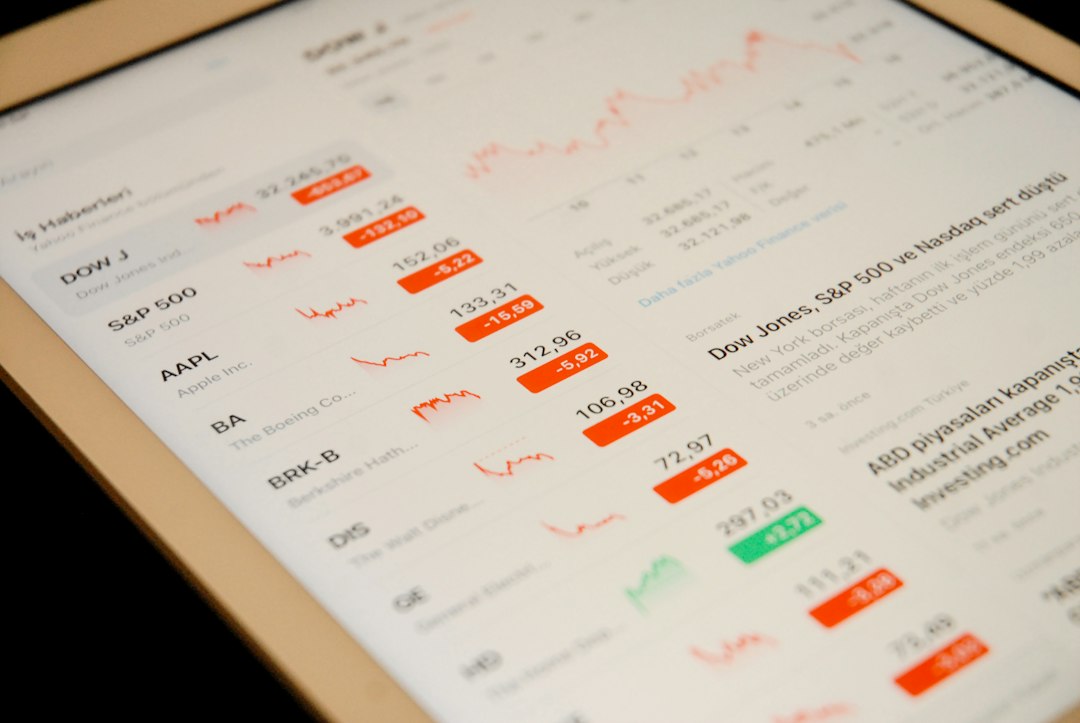
You’ve meticulously planned your retirement, carefully constructing a systematic withdrawal strategy designed to provide a steady stream of income throughout your golden years. You’ve crunched the numbers, accounted for inflation, and felt confident that your nest egg would hold strong, even through market volatility. Then, the unthinkable happens. The market takes a sharp downturn, and suddenly, your carefully crafted plan seems to be unraveling before your eyes. You’re watching your portfolio shrink, and the income you’re drawing out feels like it’s accelerating the decline. You might be experiencing the frustrating reality of underperforming systematic withdrawal strategies in down markets, a phenomenon that can shake even the most seasoned investor.
The intuition behind systematic withdrawal is simple: sell a fixed percentage or amount of your portfolio periodically to fund your living expenses. It’s designed to be a disciplined approach, removing the emotional temptation to time the market or make impulsive decisions. However, when the market experiences significant declines, this very discipline can inadvertently amplify your losses. You’re selling assets when their value is depressed, locking in those losses and reducing the capital available to recover when the market inevitably rebounds. This article will delve into why these strategies can falter, the psychological traps that exacerbate the problem, and how you can better navigate these challenging periods.
The Mechanics of a Downward Spiral
At its core, a systematic withdrawal strategy relies on the assumption of a generally upward-trending market over the long term, punctuated by inevitable, but usually temporary, downturns. When these downturns become prolonged or severe, the mathematical foundations of your strategy can be severely tested. You’re not just withdrawing; you’re withdrawing from a shrinking pie, and the rate at which you’re withdrawing can become a significant drag on your portfolio’s recovery potential.
Sequence of Returns Risk: The Silent Killer
Perhaps the most critical concept to grasp is “sequence of returns risk.” This refers to the danger of experiencing poor investment returns early in your retirement, especially in conjunction with withdrawals. Imagine you retire with $1 million, planning to withdraw $40,000 per year (4%). If your first year of retirement sees a 20% market crash, your portfolio drops to $800,000. Then, you withdraw your $40,000. Now you have $760,000. If the second year is also negative, say another 10% drop, you’re down to $684,000, and you withdraw another $40,000. Your starting capital has been significantly eroded, and you have less to benefit from any subsequent market recovery. Conversely, if you had experienced strong returns in those early years, your withdrawals would have been made from a growing base, and the impact of later market downturns would be significantly mitigated. This is why sequence of returns risk is often referred to as the “silent killer” of retirement plans.
The Impact of Withdrawal Rate on Portfolio Longevity
Your chosen withdrawal rate is a critical determinant of your portfolio’s longevity, especially during market downturns. A higher withdrawal rate, while providing more immediate income, depletes your capital faster. In a rising market, this might not be an issue. However, in a declining market, a high withdrawal rate acts like a compounding force of destruction. You’re selling more shares at lower prices, further reducing your principal and making it harder for your portfolio to recover its former value. Financial planners often discuss the “4% rule” as a guideline, but this rule was based on historical data that may not accurately reflect current market conditions or extended periods of low returns and high volatility. When the market is in distress, a rigid 4% withdrawal might become unsustainable.
Rebalancing’s Double-Edged Sword
Portfolio rebalancing, the practice of selling assets that have grown significantly and buying those that have lagged, is generally a sound investment principle. It helps maintain your desired asset allocation and can be a form of “buying low and selling high.” However, in a severe market downturn, rebalancing can inadvertently contribute to portfolio depletion. If your equity holdings have plummeted, you might be tempted to rebalance by selling some of your more stable assets (like bonds) to buy more equities at their depressed prices. This can be a good long-term strategy if done judiciously. The problem arises when you are forced to rebalance to cover your withdrawal needs. If you’re selling equities to fund your lifestyle, and then rebalancing by selling bonds to buy more equities, you’re essentially doubling down on selling assets at their lowest point.
In the context of underperforming systematic withdrawal strategies during down markets, it’s essential to explore various approaches that can enhance portfolio resilience. A related article that delves into this topic is available at How Wealth Grows, where you can find insights on optimizing withdrawal strategies to mitigate the impact of market downturns. This resource provides valuable information for investors looking to adjust their strategies in response to challenging market conditions.
Psychological Traps and Behavioral Biases

Beyond the mathematical intricacies, your own emotional responses and ingrained behavioral biases can significantly sabotage your systematic withdrawal strategy when the markets turn south. The very discipline designed to protect you can become a source of stress and poor decision-making when fear and panic set in.
The Herd Mentality and Fear of Missing Out (FOMO)
During market downturns, the news is often filled with dire predictions and stories of investors losing fortunes. This can trigger a powerful “herd mentality,” where you feel compelled to follow the perceived actions of others, even if those actions are irrational. You might see others selling and feel an overwhelming urge to do the same, fearing you’ll miss the “bottom” or lose even more. This is the flip side of FOMO, a “fear of being left behind” in a downturn. Your systematic withdrawal strategy is designed to be unemotional, but the collective anxiety of the market can be incredibly persuasive, tempting you to deviate from your plan at precisely the wrong moment.
Loss Aversion: The Pain of Seeing Red
Behavioral economics tells us that the pain of a loss is psychologically about twice as powerful as the pleasure of an equivalent gain. In a market downturn, you’re confronted with a portfolio that’s consistently showing losses. This constant exposure to red numbers can be deeply unsettling, leading to a desire to “stop the bleeding” by selling, even if it means crystallizing those losses. Your systematic withdrawal strategy, by definition, forces you to confront these losses regularly as you sell assets. If your emotional tolerance for loss is low, this can become a self-fulfilling prophecy, where your fear of losing more leads you to make decisions that guarantee further losses.
Confirmation Bias: Seeking Validation for Fear
Once you start to feel anxious about your portfolio, you may fall prey to confirmation bias. This is the tendency to seek out and interpret information that confirms your existing beliefs, even if those beliefs are unfounded. In a downturn, you might actively look for news articles and expert opinions that reinforce your fears about the market collapsing entirely, rather than seeking out perspectives that offer a more balanced view or potential for recovery. This bias can lead you to make drastic, premature decisions based on a skewed perception of reality, all while your systematic withdrawal plan continues to operate in the background, feeding your anxiety.
Mitigating the Impact: Adapting Your Strategy

Fortunately, underperforming systematic withdrawal strategies in down markets are not an insurmountable problem. With thoughtful adjustments and a willingness to be flexible, you can significantly improve your chances of navigating these challenging periods and ensuring your financial security. The key is to move from a rigid, one-size-fits-all approach to a more dynamic and responsive one.
Flexible Withdrawal Rates: Adjusting on the Fly
One of the most effective ways to combat sequence of returns risk and market downturns is to implement a flexible withdrawal rate. Instead of taking out a fixed percentage or dollar amount regardless of market conditions, you adjust your withdrawals based on the health of your portfolio. This might involve a “guardrail” system. For example, if your portfolio drops below a certain threshold, you might temporarily reduce your withdrawal amount by 10% or 20%. Conversely, if your portfolio experiences strong growth, you might be able to slightly increase your withdrawals or skip a planned adjustment to account for future leaner times. This approach acknowledges that retirement spending needs can often be adjusted, especially for discretionary expenses.
Implementing a “Bucket” Strategy for Income Stability
A “bucket” strategy can provide a psychological and practical buffer during market downturns. This involves segmenting your portfolio into different “buckets” based on your time horizon for spending. The first bucket might contain 1-3 years of living expenses in highly liquid, safe assets like cash, money market funds, or short-term bonds. This bucket is untouched as long as the market is healthy. The second bucket might hold 3-7 years of expenses in a balanced mix of stocks and bonds, designed to grow and replenish the first bucket. The third bucket, with a longer time horizon, would be invested more aggressively in equities for long-term growth. During a market downturn, you draw from the first bucket, ensuring your immediate income needs are met without forcing you to sell depressed assets. As the market recovers, the second and third buckets are used to replenish the first.
Considering a “Dynamic” or “Variable” Withdrawal Approach
Beyond simple flexibility, more sophisticated “dynamic” or “variable” withdrawal strategies exist. These often employ historical market data and probability modeling to adjust withdrawal amounts in real-time. For instance, a dynamic strategy might increase withdrawals during periods of high market returns and decrease them during periods of poor returns. This often involves using a “spending rule” that is tied to a combination of your portfolio’s performance and inflation. While these strategies can be more complex to implement, they are designed to be more resilient to market volatility and sequence of returns risk than static withdrawal plans.
Proactive Planning and Professional Guidance
The best defense against underperforming systematic withdrawal strategies is robust, proactive planning that anticipates potential challenges. This includes not only financial modeling but also understanding your own risk tolerance and seeking expert advice when needed.
Stress-Testing Your Retirement Plan
Before you even begin drawing down your assets, it’s crucial to stress-test your retirement plan rigorously. This means running simulations that model various pessimistic market scenarios, including prolonged bear markets, high inflation, and unexpected life events. You should ask yourself: “What happens to my plan if the market drops 30% in the first two years of my retirement and stays down for five years?” This exercise can reveal weaknesses in your current strategy and provide the impetus to make necessary adjustments before those adverse conditions materialize.
The Role of Professional Financial Advice
Navigating the complexities of retirement income planning, especially during volatile market periods, can be overwhelming. A qualified financial advisor can be an invaluable asset. They can help you:
- Develop a personalized withdrawal strategy: One that accounts for your specific financial situation, risk tolerance, and lifestyle needs.
- Model various market scenarios: Showing you the potential outcomes of different withdrawal rates and asset allocations.
- Implement risk management techniques: Such as the bucket strategy or dynamic withdrawal approaches.
- Provide objective guidance during market turmoil: Helping you avoid emotional decision-making and stick to a sound plan.
- Regularly review and adjust your plan: Ensuring it remains appropriate as your circumstances and market conditions evolve.
Don’t underestimate the value of an experienced professional who has seen markets rise and fall and understands the psychological pitfalls that can derail even the best-laid plans.
Building a Cushion: The Power of Contingency Funds
Beyond your investment portfolio, maintaining a separate contingency fund for unexpected expenses or a temporary shortfall in income can provide significant peace of mind. This could be a dedicated emergency fund outside of your retirement assets, or it could be built into your “first bucket” of your bucket strategy. Knowing you have readily available cash for unforeseen needs means you won’t be forced to sell investments at unfavorable times to cover unexpected costs. This financial buffer allows your systematic withdrawal strategy to operate with less pressure and greater resilience.
Investors often face challenges when relying on systematic withdrawal strategies, especially during down markets, which can significantly impact their long-term financial health. A related article discusses the pitfalls of these strategies and offers insights on how to navigate the complexities of withdrawing funds in adverse market conditions. For a deeper understanding of this topic, you can read more in the article found here. This resource provides valuable information that can help investors make more informed decisions about their withdrawal strategies.
Looking Ahead: Adapting for Long-Term Success
| Strategy | Average Annual Return (%) | Maximum Drawdown (%) | Withdrawal Rate (%) | Years to Portfolio Depletion | Notes |
|---|---|---|---|---|---|
| Fixed Percentage Withdrawal | 2.5 | -35 | 5 | 15 | High depletion risk in prolonged down markets |
| Fixed Dollar Amount Withdrawal | 1.8 | -40 | 4 | 12 | Does not adjust for market losses, leading to faster depletion |
| Constant Inflation-Adjusted Withdrawal | 2.0 | -38 | 4.5 | 14 | Inflation adjustments exacerbate depletion in down markets |
| Fixed Percentage with No Floor | 2.3 | -37 | 5 | 16 | Withdrawals can become very low, impacting lifestyle |
| Fixed Percentage with Floor | 2.1 | -39 | 5 | 13 | Floor limits reduction but increases depletion risk |
The landscape of retirement planning is constantly evolving, and what worked in the past may not be sufficient for the future. Understanding why systematic withdrawal strategies can underperform in down markets is not about abandoning the concept of systematic withdrawals, but rather about enhancing it. It’s about recognizing that flexibility, proactive planning, and a deep understanding of both financial mechanics and human psychology are paramount for ensuring your financial well-being throughout retirement. By embracing these principles, you can move from a position of potential vulnerability to one of greater confidence and resilience, even when the markets are anything but predictable. Your retirement should be a time of fulfillment, not constant financial anxiety, and by adapting your approach, you can significantly increase the likelihood of achieving that goal.

The 4% Retirement Mistake That’s Secretly Costing You Thousands
FAQs
What is a systematic withdrawal strategy?
A systematic withdrawal strategy is a method of withdrawing funds from an investment account at regular intervals, such as monthly or annually, rather than taking out a lump sum all at once.
How do underperforming systematic withdrawal strategies affect investments in down markets?
Underperforming systematic withdrawal strategies in down markets can deplete investment accounts faster than anticipated, as the withdrawals are based on a percentage of the account balance, which may be lower during market downturns.
What are some common reasons for underperformance of systematic withdrawal strategies in down markets?
Common reasons for underperformance include a prolonged market downturn, a higher withdrawal rate than the investment returns can support, and poor investment choices within the portfolio.
How can investors mitigate the risks of underperforming systematic withdrawal strategies in down markets?
Investors can mitigate risks by adjusting their withdrawal rate during down markets, diversifying their investment portfolio to reduce volatility, and ensuring they have a sufficient cash reserve for emergencies.
Are there alternative strategies to systematic withdrawals that may be more effective in down markets?
Yes, alternative strategies such as dynamic withdrawal strategies, bucket strategies, or annuities may provide more stability and better performance in down markets compared to traditional systematic withdrawal strategies.