
You’re a savvy consumer, always on the lookout for the best deals and most convenient ways to manage your finances. You’ve likely noticed the burgeoning trend of “Buy Now, Pay Later” (BNPL) services popping up everywhere, from your favorite online retailers to the checkout counter of that trendy boutique. You’re probably even using them yourself, enjoying the immediate gratification of acquiring that item you’ve been coveting, with the promise of spreading the cost over manageable installments. But have you ever stopped to wonder why these merchants are so eager to offer you this payment option? It’s not just a benevolent gesture; there are powerful merchant incentives driving the adoption and promotion of BNPL. Today, we’re going to pull back the curtain and uncover precisely what motivates your favorite businesses to embrace Buy Now, Pay Later.
The most immediate and perhaps the most significant merchant incentive for offering BNPL is the direct impact it has on their bottom line through increased sales and improved conversion rates. You’ve probably experienced it yourself: a product you were considering, but perhaps hesitant to purchase outright due to its price, suddenly becomes irresistible when presented with a zero-interest, four-installment payment plan. This is no accident; it’s a carefully crafted strategy.
Overcoming Price Sensitivity and Affordability Barriers
You, like most consumers, have a budget. While you might desire a particular item, its upfront cost can be a significant barrier. BNPL services effectively circumvent this. By breaking down a larger purchase into smaller, more digestible payments, the perceived cost of the item is significantly reduced. This makes it far easier for you to justify the purchase. Merchants understand this psychological shift. They know that a $500 item might seem daunting, but $125 per month for four months is a far more palatable proposition. This allows them to tap into a wider customer base, including those who might have previously been priced out of their offerings.
Reducing Cart Abandonment Rates
You’ve been there. You’ve filled your virtual cart with goodies, only to pause at the checkout page. Perhaps the total was higher than you anticipated, or maybe you just weren’t ready to commit that much cash at once. This is the dreaded cart abandonment, a major pain point for online retailers. BNPL acts as a powerful antidote. By offering a flexible payment solution at the critical checkout stage, merchants can significantly reduce the number of customers who leave without completing their purchase. The presence of BNPL reassures you that you don’t have to pay the full amount immediately, thus encouraging you to proceed to the final purchase.
Encouraging Larger Average Order Values (AOV)
When you’re not worried about the immediate impact on your bank account, you’re more likely to add more items to your cart or opt for the premium version of a product. BNPL allows you to think less about the immediate lump sum and more about the overall value and utility of your desired goods. Merchants recognize this. By enabling you to spread the cost, they effectively increase the average amount you’re willing to spend in a single transaction. This directly translates to a higher Average Order Value, a key metric for any e-commerce business. Think of it as creating an “impulse buy” environment for larger ticket items.
Accessing New Customer Segments
Not everyone has access to traditional credit or is comfortable using it for everyday purchases. BNPL services often have less stringent approval processes compared to credit cards, making them accessible to a broader demographic. This includes younger consumers, those with limited credit history, or individuals who prefer to avoid accumulating traditional debt. By partnering with BNPL providers, merchants can attract these previously untapped customer segments, thereby expanding their market reach and potential customer base.
Merchant incentives behind buy now pay later (BNPL) services have become a significant topic in the retail industry, as businesses seek to attract and retain customers in a competitive market. A related article that delves deeper into this subject can be found at How Wealth Grows, which explores the various strategies merchants employ to leverage BNPL options and enhance customer satisfaction while driving sales. This insight into the financial mechanisms at play highlights the growing importance of flexible payment solutions in modern commerce.
The Strategic Advantage of Enhanced Customer Loyalty and Repeat Business
Beyond immediate sales boosts, merchants also leverage BNPL to foster deeper relationships with you, their customers, leading to increased loyalty and a higher likelihood of repeat business. This is about building long-term value.
Creating a Frictionless and Positive Shopping Experience
In today’s competitive landscape, a seamless and positive customer experience is paramount. BNPL contributes to this by simplifying the payment process. The ease of selecting a BNPL option, completing a quick verification, and receiving instant approval creates a frictionless checkout. This positive experience makes you more likely to return to that merchant for future purchases, as you associate their brand with convenience and ease.
Building Trust and Brand Perception
When a merchant offers a payment method that is perceived as transparent, fair, and accessible, it can positively influence your perception of their brand. BNPL, particularly when it involves zero-interest installments, can be seen as a customer-centric offering. This builds trust and positions the merchant as a business that understands and caters to your financial needs and preferences. A merchant that makes it easier for you to buy from them is often seen as a more reliable and trustworthy partner.
Encouraging Impulse Purchases and Upselling Opportunities
As mentioned earlier, the reduced immediate financial burden can lead to impulse purchases. However, this extends beyond just adding more items. Merchants can strategically use BNPL to encourage you to upgrade to a more expensive model or add complementary products. For example, if you’re buying a new laptop, a BNPL option for a higher-spec model or for an extended warranty becomes more appealing when the monthly payments are only slightly higher. This is a subtle but effective way for merchants to increase the value of each transaction.
Data Insights for Targeted Marketing
BNPL providers gather valuable data on consumer spending habits. While this primarily benefits the BNPL provider, there can be instances of data sharing (with your consent, of course). Merchants can leverage these insights to understand your purchasing patterns, preferences, and affordability thresholds. This allows them to tailor their marketing efforts, offer personalized promotions, and predict future demand more accurately, ultimately leading to more effective and targeted campaigns that resonate with you.
The Economic Benefits: Reduced Transaction Fees and Improved Cash Flow

While it might seem counterintuitive, offering BNPL can actually lead to economic advantages for merchants, particularly when compared to traditional credit card processing fees.
Negotiating Lower Transaction Fees
Credit card processing fees, while standard, can add up significantly for merchants, especially for high-volume businesses. BNPL providers, while charging merchants a fee for their service, can sometimes negotiate rates that are competitive with or even lower than traditional credit card fees, especially for larger transaction values. This depends heavily on the specific BNPL provider and the merchant’s volume. For merchants, this can mean a reduction in their operational costs associated with payment processing.
Improving Cash Flow and Reducing Risk of Chargebacks
When you pay upfront with a credit card, the merchant receives the funds quickly. However, the risk of chargebacks (where you dispute a transaction) remains. BNPL providers often absorb a significant portion of this risk. They handle the installment payments and the collection process, which can reduce the merchant’s exposure to chargebacks and the associated administrative burden. Furthermore, BNPL providers typically pay the merchant the full transaction amount upfront (minus their fee), which can significantly improve the merchant’s cash flow compared to waiting for individual credit card payments to clear or dealing with delayed payouts.
Potential for Increased Customer Lifetime Value (CLV)
By fostering loyalty and repeat business, BNPL ultimately contributes to an increased Customer Lifetime Value. A customer who repeatedly purchases from a merchant, thanks to a positive and convenient payment experience, is far more valuable to the business over the long term than a one-time buyer. This focus on CLV is a strategic imperative for sustainable growth, and BNPL can be a tool to achieve it.
The Operational Advantages: Streamlined Processes and Reduced Complexity
Beyond the direct financial incentives, BNPL also offers operational advantages that can simplify a merchant’s business.
Outsourcing Credit Risk and Collections
One of the most significant operational burdens for businesses is managing credit risk and handling collections. BNPL providers take on this responsibility. They conduct the credit checks, manage the installment plans, and pursue any late payments. This frees up the merchant’s resources and expertise to focus on their core business operations, such as product development, marketing, and customer service.
Simplified Payment Reconciliation
Reconciling payments from various sources can be a complex task. BNPL providers typically offer clear reporting and simplified reconciliation processes. Merchants receive a consolidated payout from the BNPL provider, making it easier to track and manage their finances compared to managing individual credit card transactions and potential disputes.
Reduced Need for In-House Credit Management
For businesses that might have considered offering their own installment plans, BNPL eliminates the need to invest in the infrastructure, personnel, and legal expertise required for in-house credit management. This is particularly attractive for smaller businesses or those in industries where credit management is not a core competency.
Merchant incentives behind buy now pay later options have become a significant topic in the retail landscape, as businesses seek to enhance customer engagement and drive sales. A related article discusses how these payment solutions can boost conversion rates and increase average order values, ultimately benefiting merchants. For more insights on this trend, you can read the full article here. Understanding these incentives is crucial for retailers looking to adapt to changing consumer preferences and improve their overall financial performance.
The Strategic Integration with Marketing and Promotions
| Metric | Description | Typical Value/Range | Impact on Merchant |
|---|---|---|---|
| Conversion Rate Increase | Percentage increase in checkout completion when BNPL is offered | 20% – 30% | Higher sales volume due to reduced purchase hesitation |
| Average Order Value (AOV) Lift | Increase in average transaction size with BNPL option | 10% – 40% | Boosts revenue per customer transaction |
| Customer Acquisition Cost (CAC) | Cost to acquire a new customer using BNPL promotions | Varies; often lower than traditional credit offers | Potentially reduces marketing spend per new customer |
| Merchant Fees | Percentage fee charged by BNPL providers per transaction | 2% – 8% | Cost impacting profit margins |
| Repeat Purchase Rate | Frequency of customers returning after using BNPL | 15% – 25% higher than non-BNPL customers | Improves customer loyalty and lifetime value |
| Cart Abandonment Reduction | Decrease in abandoned carts due to flexible payment options | 10% – 20% | Increases completed sales |
| Chargeback Rate | Percentage of transactions disputed or reversed | Typically 0.5% – 1.5% | Risk factor for merchants |
Merchants actively integrate BNPL into their broader marketing and promotional strategies to maximize its impact.
Bundling BNPL with Discounts and Offers
You’ll often see BNPL advertised alongside special discounts or promotional offers. For instance, a merchant might offer “10% off your first purchase when you use Klarna” or “Free shipping on orders over $50 with Afterpay.” This synergy makes the BNPL option even more enticing by layering additional value onto the purchase.
Targeted BNPL Campaigns for Specific Products
Merchants might strategically promote BNPL for higher-priced or seasonal items. For example, during the holiday season, a jewelry store might heavily promote BNPL for expensive gift items, making them more accessible for gift-givers. This targeted approach helps move inventory and capitalize on periods of increased consumer spending.
Leveraging BNPL for Loyalty Programs
Some merchants are integrating BNPL into their loyalty programs. This could involve offering exclusive BNPL payment options for loyalty members or allowing loyalty points to be redeemed towards BNPL installments. This further incentivizes repeat purchases and strengthens the customer relationship.
Utilizing BNPL for Subscription Services
While not always direct “buy now,” BNPL can also be adapted for subscription models. Some services might offer a longer-term commitment with a recurring BNPL-style payment structure, providing a more predictable revenue stream for the merchant and a manageable payment for you.
In conclusion, the widespread adoption of Buy Now, Pay Later by merchants isn’t a coincidence; it’s a calculated business decision driven by a multifaceted set of incentives. From boosting sales and attracting new customers to fostering loyalty and streamlining operations, BNPL offers a compelling value proposition for businesses of all sizes. As you continue to navigate the world of flexible payments, understanding these merchant incentives can empower you to make more informed purchasing decisions and appreciate the strategic thinking behind the payment options presented to you. You’re not just getting a convenient way to pay; you’re participating in a sophisticated ecosystem designed to benefit both you and the businesses you patronize.
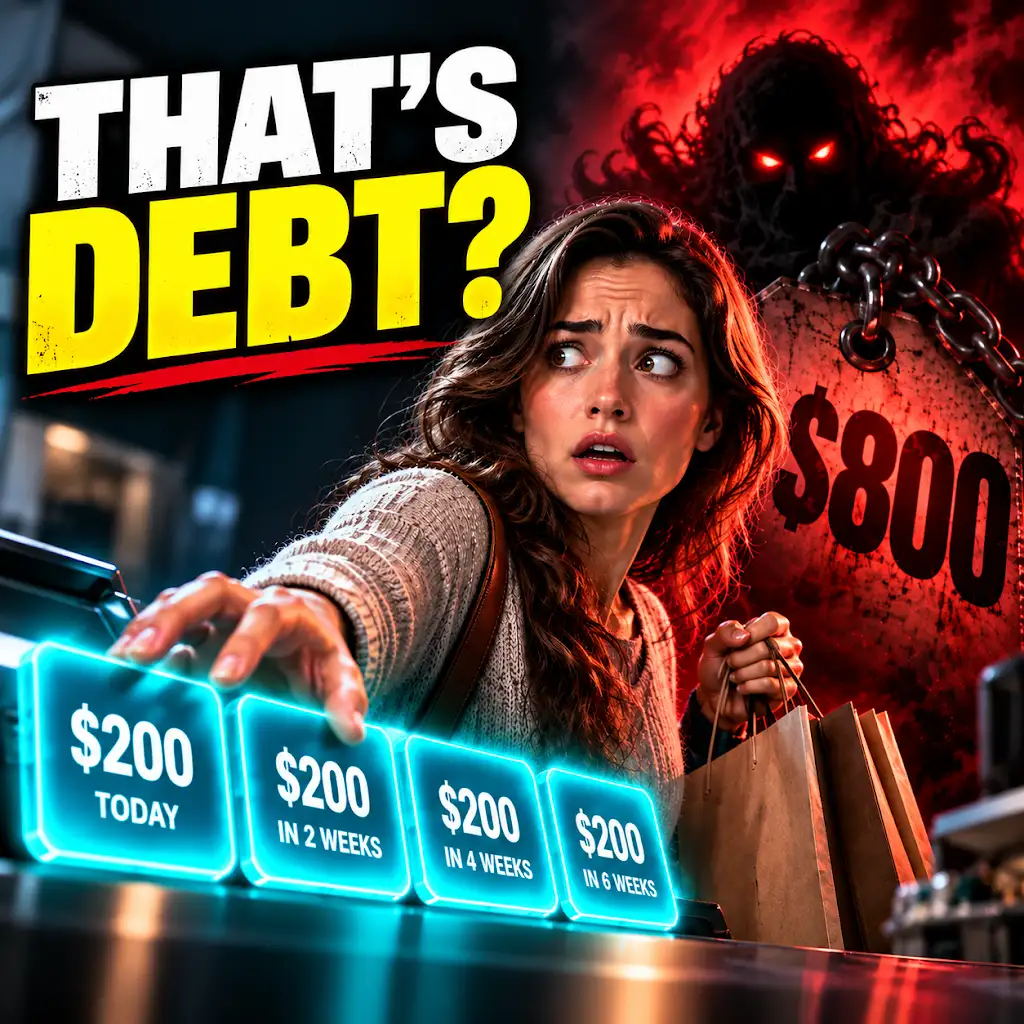
Why $800 Doesn’t Feel Like $800 Anymore
FAQs
What are merchant incentives behind buy now pay later (BNPL) services?
Merchants are attracted to BNPL services because they can increase their average order value, conversion rates, and customer loyalty.
How do merchants benefit from offering buy now pay later options to customers?
Merchants benefit from BNPL services by receiving payment upfront from the BNPL provider, reducing the risk of non-payment and increasing sales.
Do merchants have to pay fees to offer buy now pay later services?
Yes, merchants typically pay a fee to BNPL providers for each transaction processed through their platform. These fees can vary depending on the provider and the terms of the agreement.
Are there any risks for merchants in offering buy now pay later options?
One potential risk for merchants is an increase in returns or chargebacks due to customers being unable to make payments on time. Merchants also need to consider the impact of potential fraud or misuse of BNPL services.
How can merchants ensure a successful partnership with buy now pay later providers?
Merchants can ensure a successful partnership with BNPL providers by carefully reviewing the terms and conditions of the agreement, integrating the service seamlessly into their checkout process, and providing clear information to customers about the BNPL options available.