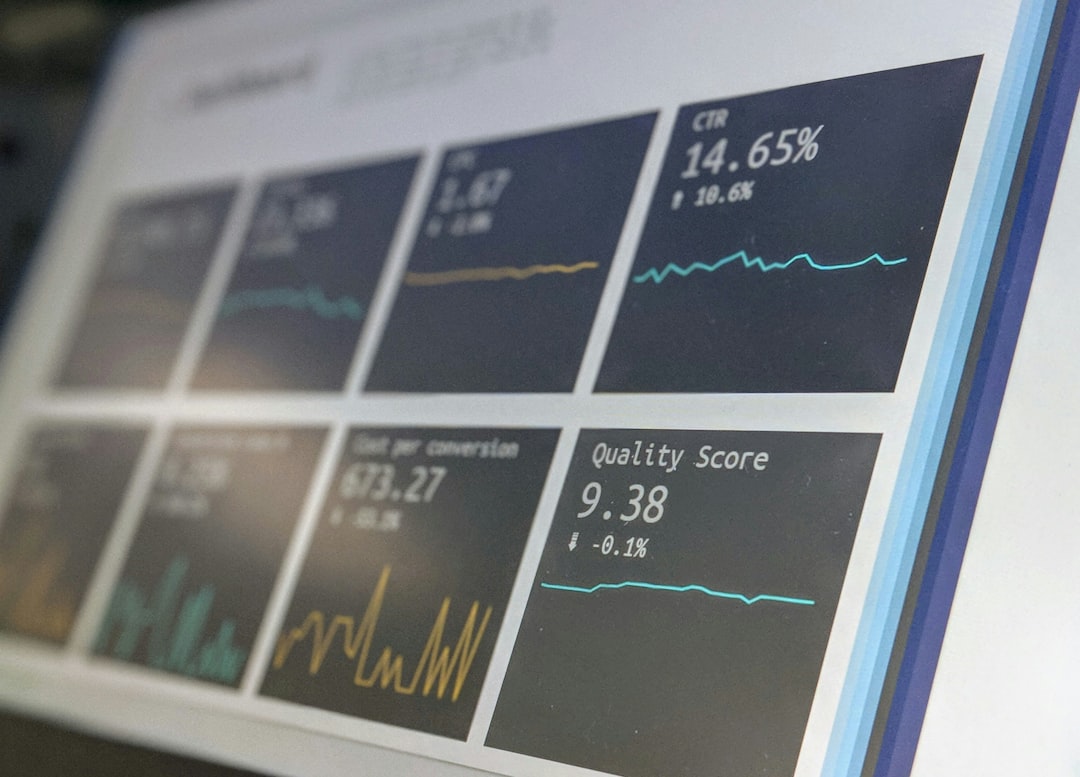
Tracking your financial success isn’t about crunching numbers in a vacuum; it’s about building a clear, actionable map to your aspirations. Think of it as charting a course for your dreams, where each milestone you reach brings you closer to the destination. You’ve got goals – maybe a down payment on a home, early retirement, or that extravagant vacation you’ve always wanted. Without a way to measure your progress, these goals can feel like distant stars, beautiful but out of reach. This guide is designed to equip you with the tools and mindset to effectively track your financial journey, turning abstract desires into tangible achievements.
Before you can measure progress, you need to know where you’re standing. This initial phase is crucial, laying the groundwork for all your subsequent tracking efforts. It’s about honest self-assessment and gathering the essential data that will form the basis of your financial picture. Without this foundational understanding, any tracking you do will be built on shaky ground.
The Net Worth Equation: Your Ultimate Financial Snapshot
Your net worth is the single most powerful metric for understanding your overall financial health. It’s a snapshot in time, showing you what you own versus what you owe. Think of it as your financial heartbeat.
Calculating Your Assets: What You Own
Assets are everything you possess that has monetary value. This isn’t just about cash in the bank; it’s a broader category encompassing a variety of items.
Liquid Assets: Readily Available Funds
These are the assets you can access quickly and easily, usually without penalty or significant loss of value.
- Checking Accounts: The money sitting in your everyday transaction account.
- Savings Accounts: Funds set aside for short-term goals or emergencies.
- Money Market Accounts: Similar to savings accounts, often with slightly higher interest rates and check-writing privileges.
- Certificates of Deposit (CDs): Time deposits with a fixed interest rate, typically offering higher returns than savings accounts but with withdrawal penalties.
Investment Assets: Growing Your Wealth
These are assets held with the expectation of generating future income or appreciating in value.
- Stocks: Ownership stakes in publicly traded companies.
- Bonds: Loans you make to governments or corporations in exchange for interest payments.
- Mutual Funds and Exchange-Traded Funds (ETFs): Pooled investments managed by professionals, offering diversification.
- Retirement Accounts: Tax-advantaged accounts like 401(k)s, IRAs, and pensions. It’s vital to track the current value of these, even if you can’t access the funds immediately.
- Annuities: Insurance contracts that provide a stream of income, often used for retirement planning.
Personal Assets: Tangible Possessions
While these aren’t typically used for immediate financial transactions, they contribute to your overall net worth.
- Real Estate: The market value of your home, investment properties, or land.
- Vehicles: The current resale value of your cars, motorcycles, boats, etc.
- Valuable Personal Property: This can include jewelry, art, collectibles, and other items with significant resale value. Be realistic with valuations.
Calculating Your Liabilities: What You Owe
Liabilities are your debts and financial obligations. These are the amounts you owe to others.
Short-Term Liabilities: Debts Due Soon
These are typically debts that need to be paid off within a year.
- Credit Card Balances: The outstanding amounts on your credit cards.
- Personal Loans: Loans from friends, family, or lenders that are due for repayment soon.
- Medical Bills: Unpaid medical expenses.
- Taxes Payable: Any outstanding tax liabilities.
Long-Term Liabilities: Debts Due Over Time
These are debts that will take longer than a year to repay.
- Mortgage: The outstanding balance on your home loan.
- Student Loans: Debts incurred for educational expenses.
- Car Loans: Outstanding balances on vehicle financing.
- Other Installment Loans: Any other significant loans with repayment terms extending beyond a year.
The Net Worth Formula: Assets – Liabilities = Net Worth
Once you have a clear picture of your assets and liabilities, you can perform a simple calculation. Regularly revisiting this calculation will show you how your net worth is growing, shrinking, or staying stagnant, providing invaluable insight into your financial trajectory.
Budgeting: Your Spending Compass
A budget is more than just a list of expenses; it’s a plan for how you want to allocate your money. It’s your spending compass, guiding your financial decisions and ensuring you’re directing your resources towards your goals.
Tracking Your Income: Where Your Money Comes From
Understanding your income is the first step in creating a realistic budget.
- Primary Employment Income: Your regular salary or wages.
- Secondary Income Sources: Freelance work, side hustles, rental income, etc.
- Investment Income: Dividends, interest, capital gains.
Categorizing Your Expenses: Where Your Money Goes
Accurate expense tracking is the cornerstone of an effective budget. Be specific and honest.
- Fixed Expenses: Costs that remain relatively constant each month, such as rent/mortgage, loan payments, and insurance premiums.
- Variable Expenses: Costs that fluctuate based on your usage or choices, like groceries, utilities, entertainment, and dining out.
- Discretionary Expenses: Non-essential spending, often referred to as “wants” rather than “needs.”
Budgeting Methods: Finding What Works for You
There’s no one-size-fits-all approach to budgeting. Experiment to find a method that resonates with your lifestyle.
- The Zero-Based Budget: Every dollar is assigned a job, meaning income minus expenses equals zero. This method requires meticulous tracking but offers maximum control.
- The 50/30/20 Rule: Allocate 50% of your income to needs, 30% to wants, and 20% to savings and debt repayment. This offers a simpler, more flexible structure.
- Envelope System: A physical method where you allocate cash into labeled envelopes for different spending categories. Once an envelope is empty, you stop spending in that category.
To effectively measure financial progress, it’s essential to understand various metrics and strategies that can help individuals track their growth over time. A related article that delves deeper into this topic is available at How Wealth Grows, where you can find valuable insights on setting financial goals, monitoring investments, and assessing overall financial health. This resource can provide you with the tools needed to evaluate your financial journey and make informed decisions for the future.
Measuring Your Momentum: Key Financial Metrics
Once you have your financial baseline established, it’s time to start measuring your progress. This involves looking beyond your net worth to specific metrics that indicate your financial momentum and the health of different aspects of your financial life.
Savings Rate: Fueling Your Future Goals
Your savings rate is a powerful indicator of your commitment to future financial security. It’s the percentage of your income that you’re setting aside for savings and investments.
Calculating Your Savings Rate: Income vs. Savings
- Formula: (Amount Saved and Invested / Gross or Net Income) * 100%
- Net vs. Gross Income: You can calculate this based on your net (after-tax) income for a more accurate reflection of what you actually have available to save, or your gross income to understand your overall saving potential.
Benchmarking Your Savings Rate: Aiming for Improvement
- General Recommendations: Many financial experts suggest aiming for a savings rate of at least 15-20% of your income.
- Goal-Specific Rates: If you have aggressive retirement goals or significant debt to pay off, you may need to aim for a higher savings rate.
- Tracking Changes: Monitor how your savings rate changes over time. An increasing savings rate indicates you’re gaining financial traction.
Debt-to-Income Ratio (DTI): Managing Your Borrowing Burden
Your DTI is a crucial metric for lenders and a good indicator of how much of your income is already committed to debt repayment. It helps you understand your borrowing capacity and the risk associated with taking on more debt.
Calculating Your DTI: Monthly Debt vs. Monthly Income
- Formula: (Total Monthly Debt Payments / Gross Monthly Income) * 100%
- What to Include in Debt Payments: This typically includes minimum credit card payments, loan installments (mortgage, auto, student loans), and any other recurring debt obligations.
Understanding DTI Tiers: What Lenders Look For
- Lower DTI is Better: A lower DTI signifies less financial strain and a greater ability to handle additional debt.
- Good vs. Risky: Lenders generally prefer a DTI of 36% or lower. A DTI above 43% can make it difficult to qualify for new loans.
- Tracking DTI Trends: Reducing your DTI by paying down debt or increasing your income is a strong sign of financial progress.
Emergency Fund Balance: Your Financial Safety Net
An emergency fund is an essential component of financial security, providing a buffer against unexpected expenses. It’s a fund you should prioritize building and maintaining.
Determining Your Target Emergency Fund Size
- General Guideline: Aim to save 3-6 months of essential living expenses.
- Factors Influencing Your Target: Consider your job stability, dependents, and the volatility of your income. A higher-risk lifestyle might warrant a larger emergency fund.
Tracking Your Progress Towards Your Target
- Visualizing Growth: Seeing your emergency fund grow can be incredibly motivating.
- Consistency is Key: Regularly contributing to your emergency fund, even small amounts, will help you reach your goal.
Tracking Your Investments: Growing Your Wealth

Investing is often the engine that drives significant wealth creation. Tracking your investments effectively ensures they are working hard for you and aligned with your long-term objectives.
Portfolio Performance: How Your Investments Are Doing
This is where you look at the returns your investments are generating.
Understanding Investment Returns: Gains and Losses
- Absolute Returns: The total gain or loss on an investment over a period, expressed as a percentage.
- Annualized Returns: The average yearly return of an investment over a longer period.
Key Performance Indicators (KPIs): What to Watch
- Rate of Return: The percentage increase or decrease in the value of your investment.
- Volatility: The degree of fluctuation in an investment’s price.
- Comparison to Benchmarks: How your portfolio is performing relative to relevant market indexes (e.g., S&P 500 for US stocks).
Asset Allocation: Balancing Risk and Reward
Your asset allocation refers to how you divide your investment portfolio among different asset classes, such as stocks, bonds, and real estate. It’s a crucial driver of both risk and return.
Reviewing Your Current Allocation
- Is it Still Aligned with Your Goals? As your goals and risk tolerance change, your ideal asset allocation may also shift.
- Rebalancing Your Portfolio: Periodically adjusting your holdings to bring them back to your target allocation.
Tracking Changes in Allocation Over Time
- Understanding the Impact of Rebalancing: Monitor how rebalancing affects your portfolio’s risk and return profile.
- Avoiding Drift: Without regular checks, your allocation can drift significantly from your intended strategy due to market movements.
Diversification: Spreading Your Risk
Diversification is the practice of spreading your investments across various asset classes, industries, and geographic regions to reduce risk.
Assessing Your Diversification Level
- Are You Overly Concentrated? Are too many of your assets in a single stock, sector, or type of investment?
- The Benefits of Broad Diversification: Reduces the impact of any single investment performing poorly.
Monitoring Your Diversification Strategy
- Regular Reviews: Ensure your investments remain diversified as you add to or withdraw from your portfolio.
- New Investment Considerations: When considering new investments, evaluate how they fit into your existing diversification strategy.
Tracking Your Goals: Making Dreams a Reality

Ultimately, financial tracking is about achieving your aspirations. This section focuses on how to tie your financial metrics directly to the specific goals you’ve set for yourself.
Goal Setting: SMART is Key
Before you can track progress, you need well-defined goals.
Specific: Clearly define what you want to achieve.
Measurable: Quantify your goal so you can track progress.
Achievable: Set realistic goals that are within your reach.
Relevant: Ensure your goals align with your values and overall life plan.
Time-Bound: Set a deadline for achieving your goal.
Progress Towards Specific Goals
This is where you connect your financial metrics to your aspirations.
Housing Down Payment:
- Metric: Savings account balance allocated for the down payment.
- Tracking: Monitor the growth of this specific savings goal.
Retirement Savings:
- Metric: Total balance in retirement accounts.
- Tracking: Review your retirement account statements regularly to see how close you are to your retirement fund targets.
Debt Reduction:
- Metric: Total outstanding debt balance, or the balance of specific loans.
- Tracking: Focus on the declining balance of your debts.
Other Major Purchases (Car, Vacation, etc.):
- Metric: Dedicated savings account balance for the purchase.
- Tracking: Watch this fund grow towards its target.
Milestones and Celebrations: Staying Motivated
Breaking down large goals into smaller, manageable milestones makes the journey less daunting and more rewarding.
Setting Achievable Milestones:
- For example, if your goal is to save $10,000 for a down payment, milestones could be $1,000, $2,500, $5,000, etc.
Acknowledging and Celebrating Progress:
- When you hit a milestone, take a moment to acknowledge your hard work. This could be a small treat, a special meal, or simply a moment of reflection on your achievement. This positive reinforcement is crucial for maintaining motivation.
Measuring financial progress is essential for anyone looking to achieve their financial goals and ensure long-term stability. One effective way to track this progress is by regularly assessing your income, expenses, and savings. For more insights on this topic, you can explore a related article that offers valuable tips and strategies on how to measure financial progress effectively. This resource can help you understand the importance of setting benchmarks and reviewing your financial health over time. To learn more, visit this article.
Leveraging Tools and Technology: Your Financial Allies
| Metrics | Description |
|---|---|
| Net Worth | The total value of your assets minus your liabilities |
| Savings Rate | The percentage of your income that you save each month |
| Debt-to-Income Ratio | The ratio of your monthly debt payments to your monthly income |
| Investment Returns | The percentage increase in the value of your investments over time |
| Emergency Fund Size | The amount of money set aside for unexpected expenses |
The landscape of financial tracking has been revolutionized by technology. You don’t have to be a spreadsheet wizard to keep on top of your finances.
Budgeting Apps and Software: Streamlining Your Spending
These tools automate much of the tracking process, making it easier to stay organized.
Automatic Transaction Categorization:
- Most apps link to your bank accounts and credit cards, automatically categorizing your spending. This saves immense time and reduces the chance of manual errors.
Real-Time Financial Overview:
- Get an instant snapshot of your spending, savings, and net worth at any given moment.
Setting Spending Limits and Alerts:
- Many apps allow you to set budgets for specific categories and will alert you when you’re approaching or exceeding your limits.
Investment Tracking Platforms: Monitoring Your Portfolio’s Health
For those with investment portfolios, specialized platforms are invaluable.
Consolidated View of All Investments:
- See all your brokerage accounts, retirement funds, and other investments in one place.
Performance Tracking and Analytics:
- Analyze your portfolio’s performance, track individual investment returns, and compare your results to market benchmarks.
Alerts for Portfolio Changes:
- Receive notifications for significant market movements, dividend payouts, or changes in your portfolio’s asset allocation.
Spreadsheets: The Customizable Powerhouse
While apps are convenient, spreadsheets offer unparalleled customization and control.
Building Your Own Tracking System:
- If you have unique tracking needs or prefer a hands-on approach, spreadsheets can be tailored to your exact specifications.
Advanced Data Analysis:
- With the right formulas and functions, spreadsheets can perform complex financial analysis, uncover trends, and generate custom reports.
The Human Element: Professional Advice and Accountability
Technology is a powerful tool, but sometimes, human guidance is essential.
Financial Advisors:
- A qualified financial advisor can help you set realistic goals, create a comprehensive financial plan, and provide expert advice on investments and debt management.
Accountability Partners:
- Sharing your financial goals with a trusted friend or family member can provide an extra layer of accountability and motivation.
By consistently tracking your financial progress, you empower yourself to make informed decisions, stay motivated, and ultimately, achieve the financial success you desire. It’s an ongoing journey, and with the right approach and tools, you can confidently navigate your path to financial well-being.

Why Making More Money Isn’t Making You Rich
FAQs
What is financial progress?
Financial progress refers to the improvement in an individual’s or organization’s financial situation over time. It can be measured by factors such as increased savings, reduced debt, improved credit score, and increased net worth.
How can I measure my financial progress?
You can measure your financial progress by tracking your income, expenses, savings, investments, and debt. You can also use financial ratios such as debt-to-income ratio, savings rate, and net worth to gauge your financial health.
What are some key indicators of financial progress?
Key indicators of financial progress include increasing savings, reducing debt, improving credit score, growing investment portfolio, and increasing net worth. These indicators can help you assess your financial stability and security.
Why is it important to measure financial progress?
Measuring financial progress is important because it helps you track your financial goals, identify areas for improvement, and make informed financial decisions. It also provides a sense of accomplishment and motivation to continue managing your finances effectively.
How often should I measure my financial progress?
It is recommended to measure your financial progress regularly, such as monthly or quarterly, to stay on top of your financial situation and make necessary adjustments. Regular monitoring allows you to identify any negative trends early and take corrective actions.