
The iconic toy store, Toys R Us, once a titan of the retail world, has become a poignant subject for documentary filmmakers. “Toys R Us: The Rise and Fall – A Bankruptcy Documentary” delves into the multifaceted story of this beloved brand, tracing its meteoric ascent to global domination and its subsequent, heartbreaking descent into bankruptcy. This film is not just a chronicle of corporate failure; it is a reflection on shifting consumer habits, the relentless march of technology, and the deep emotional connection people have with their childhood memories, embodied by the cheerful giraffe, Geoffrey.
The documentary opens by painting a vivid picture of Toys R Us during its zenith. It was a time when physical stores were king, and the sheer scale and variety offered by Toys R Us were unparalleled. The film meticulously reconstructs this era, showcasing the excitement and wonder that visiting a Toys R Us store evoked in children and adults alike.
The Genesis of a Dream: Charles Lazarus’s Vision
- The documentary dedicates significant time to the early days of Toys R Us, focusing on its founder, Charles Lazarus. It explores his initial business venture, “Children’s Bargain Town,” which began in 1948 as a baby furniture store. The film highlights Lazarus’s entrepreneurial spirit and his keen understanding of what families needed and desired.
- The pivot to toys is a crucial turning point, and the film illustrates how Lazarus recognized the untapped potential in the toy market, particularly in the post-war baby boom era. He saw an opportunity to provide a dedicated, one-stop shop for children’s entertainment.
- The transformation into “Toys R Us” in 1957 marked a significant rebranding, and the documentary uses archival footage and interviews with early employees to convey the energy and optimism of this burgeoning enterprise.
The Iconic Expansion: From Local Favorite to Global Phenomenon
- The documentary vividly portrays the rapid expansion of Toys R Us throughout the latter half of the 20th century. It details the strategic decisions that fueled this growth, including aggressive store openings and a focus on prime retail locations.
- The film emphasizes the innovative approach to store layout and inventory. Toys R Us stores were designed to be destinations, filled with towering shelves of colorful boxes, creating an overwhelming yet exhilarating experience for shoppers.
- The international rollout is also a key component of this section. The documentary explains how Toys R Us successfully adapted its model to different cultures, becoming a recognizable brand across continents. This global reach cemented its status as a retail giant.
Geoffrey the Giraffe: The Unifying Mascot
- A significant portion of the film is dedicated to the creation and enduring legacy of Geoffrey the Giraffe. The documentary explores how this friendly mascot became synonymous with the brand, embodying the joy and magic of childhood.
- Through animated segments and interviews with marketing professionals, the film illustrates how Geoffrey was integrated into advertising campaigns, in-store experiences, and merchandise, making him a beloved figure for generations of children.
- The documentary argues that Geoffrey was more than just a logo; he was an emotional anchor, a symbol of trust and fun that built a deep connection with consumers.
The Toys “R” Us bankruptcy documentary sheds light on the rise and fall of this iconic toy retailer, exploring the factors that led to its decline in a rapidly changing retail landscape. For those interested in understanding the broader implications of retail bankruptcies and the evolving nature of consumer behavior, a related article can be found at How Wealth Grows, which discusses the financial strategies and market trends that impact businesses today.
The Shifting Sands of Retail: Cracks Appear
Despite its seemingly unshakeable position, the seeds of Toys R Us’s decline were sown long before its ultimate demise. The documentary meticulously details the emerging challenges that began to erode its market dominance.
The Rise of the Big Box Competitors: Walmart and Target
- This section of the film highlights the disruptive impact of larger, more diversified retailers like Walmart and Target. The documentary explains how these stores, with their “everyday low prices” and broader product selection, began to siphon customers away from specialized toy stores.
- The film uses financial data and expert analysis to demonstrate how the competitive pressure intensified, forcing Toys R Us to constantly adapt its pricing strategies, often at the expense of its profit margins.
- Interviews with former executives and retail analysts shed light on the strategic missteps and the inability of Toys R Us to fully counter the economies of scale enjoyed by its larger rivals.
The Dawn of E-Commerce: Amazon’s Disruptive Force
- The documentary dedicates a substantial segment to the profound impact of the internet and the rise of online retail, particularly Amazon. It chronicles how this digital behemoth began to revolutionize the way people shopped.
- The film illustrates the convenience and competitive pricing offered by online platforms, which began to chip away at foot traffic and sales for brick-and-mortar stores.
- Expert interviews and archival footage of early Amazon advertisements depict the nascent stages of this e-commerce revolution and its growing threat to traditional retail models. The documentary argues that Toys R Us was slow to adapt to this fundamental shift in consumer behavior.
The Debt Burden: The LBO and its Lingering Consequences
- A crucial element of the downfall, as explored in the documentary, is the leveraged buyout (LBO) in 2005 by Bain Capital, KKR, and Vornado Realty Trust. The film delves into the financial engineering that saddled Toys R Us with massive debt.
- The documentary presents a strong case that this debt severely hampered the company’s ability to invest in crucial areas like technology, store modernization, and adapting to the online marketplace.
- Interviews with financial analysts and former employees detail how the burden of debt servicing consumed resources that could have been used to innovate and compete more effectively. The film paints a picture of a company struggling under the weight of its financial obligations.
The Fight for Survival: Desperate Measures

As the challenges mounted, Toys R Us embarked on a series of efforts to stay relevant and profitable. The documentary examines these attempts, highlighting both their strengths and their ultimate limitations.
Rebranding and Reinvention: Adapting to a New Era
- The film explores various rebranding efforts and attempts by Toys R Us to modernize its image and in-store experience. This includes initiatives to create more engaging environments for children and to offer a wider range of merchandise beyond traditional toys.
- The documentary showcases examples of these attempts, such as the introduction of interactive displays, educational toys, and even attempts to incorporate technology into the shopping experience.
- However, the film also critically assesses the effectiveness of these changes, questioning whether they were enough to counteract the fundamental shifts in the market and the deep-seated advantages of its competitors.
The “Toys R Us Kids” Campaign: A Nostalgic Appeal
- The documentary revisits the “Toys R Us Kids” advertising campaign, which sought to tap into the nostalgia and enduring affection many people felt for the brand. The film analyzes the intention behind this campaign – to remind consumers of the emotional connection they had with Toys R Us.
- Through interviews with marketing experts and former ad executives, the film discusses the power of nostalgia in marketing and the hope that this campaign would rekindle customer loyalty.
- While acknowledging the emotional resonance, the documentary also questions whether a nostalgic appeal alone could overcome the practical advantages offered by online retailers and big box stores.
The Evolving Toy Industry: Changing Preferences
- This section of the documentary examines how the very nature of toys and children’s play began to change. The film explores the increasing popularity of video games, electronic gadgets, and licensed merchandise tied to movies and television shows.
- The documentary highlights how Toys R Us struggled to keep pace with these evolving trends. While it offered some of these newer products, it often lacked the agility and specialized knowledge of companies more deeply entrenched in these newer sectors.
- Interviews with toy industry insiders reveal the challenges of forecasting trends and the difficulty for a large, traditional retailer to pivot quickly enough to capture emerging markets.
The Inevitable End: Bankruptcy and Closure

The documentary’s most emotionally charged chapters detail the final years of Toys R Us and its eventual bankruptcy. The film unflinchingly portrays the human cost of this corporate failure.
The Filing for Bankruptcy: A Shockwave Felt Worldwide
- The documentary meticulously chronicles the events leading up to the bankruptcy filing in 2017. It explains the complex financial situation and the overwhelming debt that made reorganization impossible.
- The film uses news footage and interviews with former employees to convey the shock and disbelief that rippled through the company and the public when the news broke.
- The documentary argues that the bankruptcy was not a sudden event but the culmination of years of mounting pressure and strategic challenges.
The Closing of Stores: A Farewell to Geoffrey
- This segment of the film is particularly poignant, depicting the closure of hundreds of Toys R Us stores across the globe. The documentary showcases the emotional farewells of employees and customers alike, many of whom had spent years working at or shopping in these iconic locations.
- The film uses touching anecdotes and visual imagery of empty shelves and boarded-up storefronts to evoke the sense of loss and the end of an era. The absence of Geoffrey the Giraffe became a stark symbol of this departure.
- The documentary explores the impact of these closures on local communities, highlighting the job losses and the void left in the retail landscape.
The Legacy of Lost Jobs and Empty Shelves
- The documentary dedicates significant attention to the human impact of the bankruptcy. It features interviews with former employees who share their stories of dedication, loyalty, and the devastating consequences of losing their jobs.
- The film emphasizes the loss of a unique shopping experience for families, the disappearance of a place that held so many childhood memories, and the broader implications for the toy industry.
- The documentary argues that the story of Toys R Us serves as a cautionary tale about the need for adaptability, prudent financial management, and understanding the evolving needs of consumers in a rapidly changing retail environment.
The Toys R Us bankruptcy documentary sheds light on the challenges faced by the iconic toy retailer, exploring the factors that led to its decline in a rapidly changing retail landscape. For those interested in understanding the broader implications of such corporate failures, a related article offers insights into the financial dynamics that can contribute to a company’s downfall. You can read more about this topic in the article here, where the complexities of business management and market adaptation are discussed in detail.
The Future of Play: Lessons Learned
| Metric | Value | Details |
|---|---|---|
| Year of Bankruptcy Filing | 2017 | Toys “R” Us filed for Chapter 11 bankruptcy protection in September 2017. |
| Number of Stores at Peak | Approximately 1,600 | Global store count before bankruptcy proceedings began. |
| Debt Load | Over 5 billion | Estimated debt burden contributing to financial distress. |
| Year of Store Closures | 2018 | Majority of US stores closed by mid-2018. |
| Documentary Release Year | 2019 | Year when notable documentaries about the bankruptcy were released. |
| Key Factors Highlighted | Competition, Debt, E-commerce | Primary reasons discussed in documentaries for the company’s downfall. |
| Impact on Employees | Thousands Laid Off | Significant job losses following store closures. |
The documentary concludes by looking beyond the tragedy of Toys R Us’s fall, seeking to extract valuable lessons for the future of retail and the toy industry. It prompts viewers to reflect on what was lost and what can be preserved.
The Enduring Power of Play and Nostalgia
- Despite the corporate demise, the documentary asserts that the fundamental human need for play and the potent force of nostalgia remain. The film highlights the continued success of other toy retailers and the enduring appeal of certain toy brands.
- The documentary suggests that while the physical embodiment of Toys R Us may be gone, the spirit of joy and imagination it represented continues to thrive in other forms.
- Interviews with parents and children offer insights into what they value in their play experiences, underscoring the timeless importance of toys in development and imagination.
The Digital Native vs. The Brick-and-Mortar Legacy
- This section of the film explores the ongoing tension and the potential for synergy between online and physical retail. The documentary examines how newer retailers have successfully integrated digital and physical elements, offering a hybrid experience.
- The film uses examples of successful modern retailers to illustrate how a blend of online convenience, engaging in-store experiences, and a deep understanding of consumer preferences can lead to sustained success.
- The documentary implicitly questions whether Toys R Us, with its traditional brick-and-mortar focus, could have survived by embracing a more innovative, digitally-integrated approach sooner.
A Cautionary Tale for Modern Retail
- The documentary concludes with a powerful reiteration of the key takeaways from the Toys R Us story. It serves as a stark warning to businesses about the dangers of complacency, excessive debt, and failing to adapt to technological advancements and changing consumer behaviors.
- The film encourages viewers to consider the broader economic and social implications of large-scale retail closures.
- Ultimately, “Toys R Us: The Rise and Fall – A Bankruptcy Documentary” is more than just a corporate post-mortem; it is a poignant narrative that resonates with anyone who has ever experienced the magic of childhood and the evolution of the marketplace. It invites contemplation on what makes a brand truly endure in an ever-changing world.
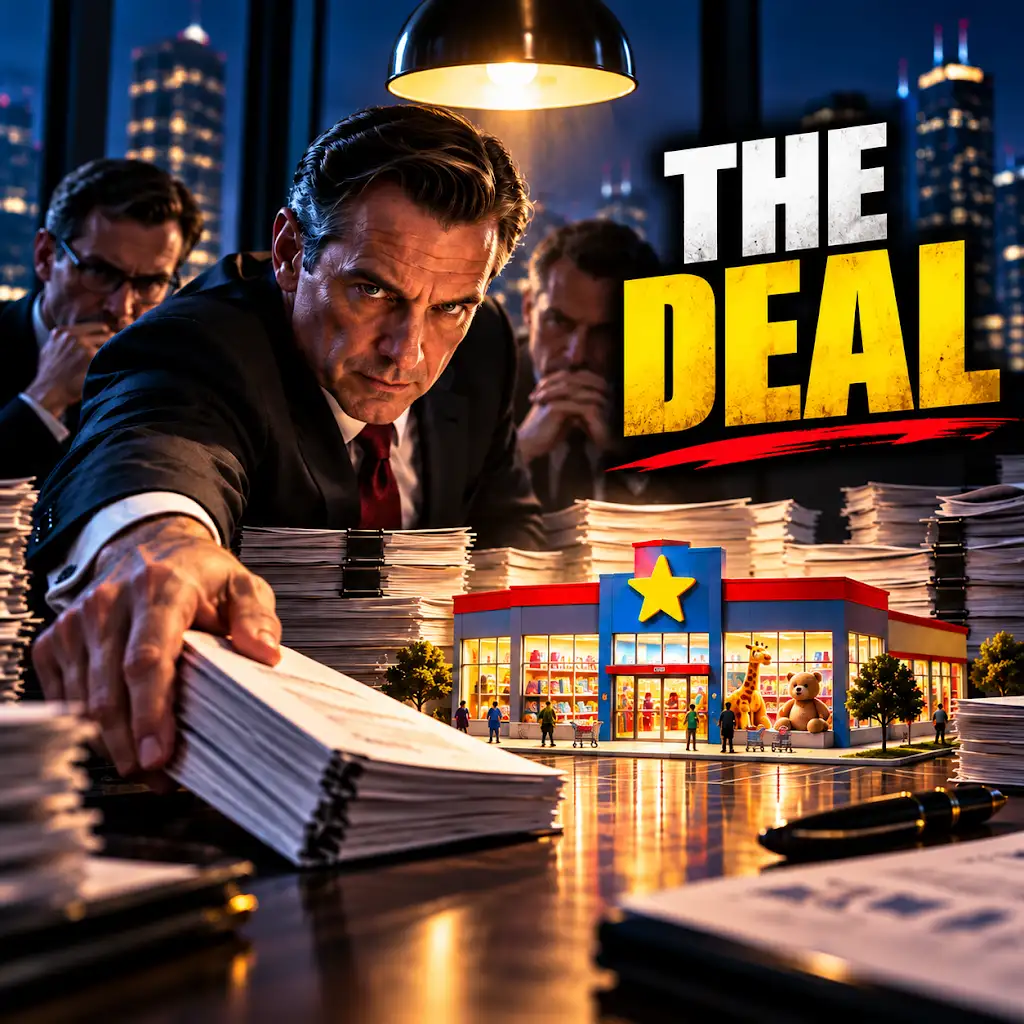
The $6.6 Billion Deal That Left Toys “R” Us Trapped
FAQs
1. What is the documentary about?
The documentary explores the rise and fall of the iconic toy retailer Toys R Us, focusing on the factors that led to its bankruptcy.
2. When was Toys R Us declared bankrupt?
Toys R Us filed for Chapter 11 bankruptcy protection in September 2017, and later announced the liquidation of its U.S. stores in March 2018.
3. What caused Toys R Us to go bankrupt?
Several factors contributed to Toys R Us’ bankruptcy, including increased competition from online retailers like Amazon, high levels of debt from a leveraged buyout, and changing consumer shopping habits.
4. Who is featured in the documentary?
The documentary features interviews with former Toys R Us executives, employees, industry experts, and analysts who provide insights into the company’s history and downfall.
5. Where can I watch the Toys R Us bankruptcy documentary?
The documentary may be available for streaming on various platforms such as streaming services, cable networks, or online rental services. Check with your local listings or online streaming platforms for availability.