
The once-ubiquitous Toys R Us, a titan of the toy retail industry, experienced a seismic shift from a beloved childhood icon to an emblem of e-commerce failure. Its journey through the digital landscape offers a compelling case study in how even the most dominant brands can falter when they fail to adapt to evolving consumer habits and technological advancements. This article will delve into the reasons behind Toys R Us’s struggles in the e-commerce arena, explore the factors that contributed to its eventual downfall, and ponder what lessons its story holds for the future of retail.
A Childhood Staple
For generations, the sight of Geoffrey the Giraffe and the catchy jingle of “I don’t want to grow up, I’m a Toys R Us kid” evoked feelings of excitement and wonder. Toys R Us, founded in 1948, wasn’t just a store; it was a destination. Its cavernous aisles, overflowing with every imaginable toy, became a pilgrimage site for children and parents alike. The sheer scale of its inventory, coupled with its family-friendly atmosphere, cemented its position as the undisputed king of toy retail.
The Physical Advantage
In the pre-internet era, Toys R Us’s brick-and-mortar presence was its superpower. It offered an unparalleled selection that no single department store could match. Children could physically interact with toys, sparking imagination and influencing purchasing decisions. Parents appreciated the convenience of finding all their children’s needs under one roof, saving time and effort. This physical advantage, coupled with aggressive expansion strategies, propelled Toys R Us to global dominance.
Dominance in a Pre-Digital World
The brand’s advertising prowess and strategic placement of stores in high-traffic areas further amplified its reach. It became synonymous with holidays, birthdays, and the general joy of childhood. The experiential aspect of shopping at Toys R Us – the sensory overload, the possibility of discovering a new favorite toy – was a powerful draw that competitors struggled to replicate. This deeply ingrained brand loyalty, built over decades, seemed like an unassailable fortress.
The decline of Toys “R” Us in the e-commerce landscape serves as a cautionary tale for retailers navigating the digital marketplace. An insightful article that delves into the factors contributing to this failure can be found at How Wealth Grows. This piece explores the challenges faced by traditional retailers in adapting to online shopping trends and highlights the importance of innovation and customer engagement in the ever-evolving e-commerce environment.
The Shifting Sands of Retail: The Dawn of E-commerce
The Internet Revolution
The late 1990s and early 2000s witnessed the explosive growth of the internet. E-commerce, initially a niche concept, began to gain traction, promising unparalleled convenience and a global marketplace. Consumers, empowered by newfound access to information and the ability to shop from their homes, started to re-evaluate their traditional shopping habits.
Emergence of Online Competitors
Online retailers, unburdened by the overhead of physical stores, could offer competitive pricing and often a wider selection. Amazon, in particular, emerged as a formidable force, starting with books and rapidly expanding its product categories to include toys. Its user-friendly interface, efficient delivery network, and focus on customer reviews began to chip away at the traditional retail model.
Changing Consumer Behavior
The younger generation, digital natives, embraced online shopping with enthusiasm. The immediacy of finding what they wanted, comparing prices effortlessly, and having items delivered directly to their doorsteps proved to be a compelling alternative to navigating crowded stores. This generational shift in consumer behavior was a critical factor that Toys R Us, for a significant period, seemed to underestimate or misinterpret.
Toys R Us’s Stumbles in the Digital Arena

The Late Adoption of E-commerce
One of the most significant missteps by Toys R Us was its slow and hesitant embrace of e-commerce. While competitors like Amazon were investing heavily in their online platforms and logistics, Toys R Us remained largely focused on its physical store experience. Its initial online presence was rudimentary, lacking the functionality, user experience, and inventory integration that modern online shoppers expected.
A Clunky Website
Early iterations of the Toys R Us website were often criticized for being difficult to navigate, slow to load, and lacking essential features like robust search filters or personalized recommendations. This created a frustrating experience for potential online shoppers, driving them towards more polished and user-friendly platforms.
Inconsistent Inventory Management
A common complaint was the disconnect between the online inventory and the actual stock available in physical stores. This led to canceled orders, missed delivery windows, and a general lack of trust in the reliability of the online service. For a business built on the promise of having “toys, toys, and more toys,” this inconsistency was a critical failure.
The “Clicks and Mortar” Dilemma
Toys R Us attempted to bridge the gap between its physical and digital presence, but its efforts were often disjointed. The strategy of relying on its stores for online order fulfillment, while seemingly logical, proved inefficient and costly. This “clicks and mortar” approach, as it was sometimes termed, lacked the streamlined logistics and dedicated infrastructure that pure-play online retailers possessed.
Fulfillment Challenges
Shipping from individual stores presented numerous logistical hurdles, including inconsistent packaging standards, varied shipping speeds, and the inability to efficiently manage returns. This often resulted in longer delivery times and higher shipping costs compared to online competitors who had invested in centralized distribution centers.
In-Store Experience vs. Online Convenience
The very strengths of Toys R Us – the experiential retail environment – became a hindrance in the e-commerce race. The capital investment required to maintain a vast network of physical stores limited the resources available for crucial digital infrastructure development and marketing. The company struggled to balance its legacy as a brick-and-mortar giant with the necessity of becoming a digital powerhouse.
Underestimating the Competition
Perhaps the most profound failure was Toys R Us’s underestimation of the agility and innovation of its online competitors. Amazon, in particular, was a constant thorn in its side, consistently outmaneuvering it in terms of pricing, selection, and customer service. Toys R Us appeared to view online retail as a supplementary channel rather than a fundamental shift in the market.
Amazon’s Relentless Innovation
Amazon’s continuous innovation, from its one-click ordering and Prime membership to its sophisticated recommendation algorithms and vast fulfillment network, set a new standard for online retail. Toys R Us, meanwhile, seemed content with incremental updates rather than bold strategic overhauls.
The “Amazon Effect”
The “Amazon Effect” refers to the phenomenon where consumers expect the convenience, speed, and competitive pricing offered by Amazon across all retail channels. Toys R Us, failing to keep pace with this effect, found itself increasingly out of step with consumer expectations.
The Financial Strain and Debt Burden
The Leveraged Buyout
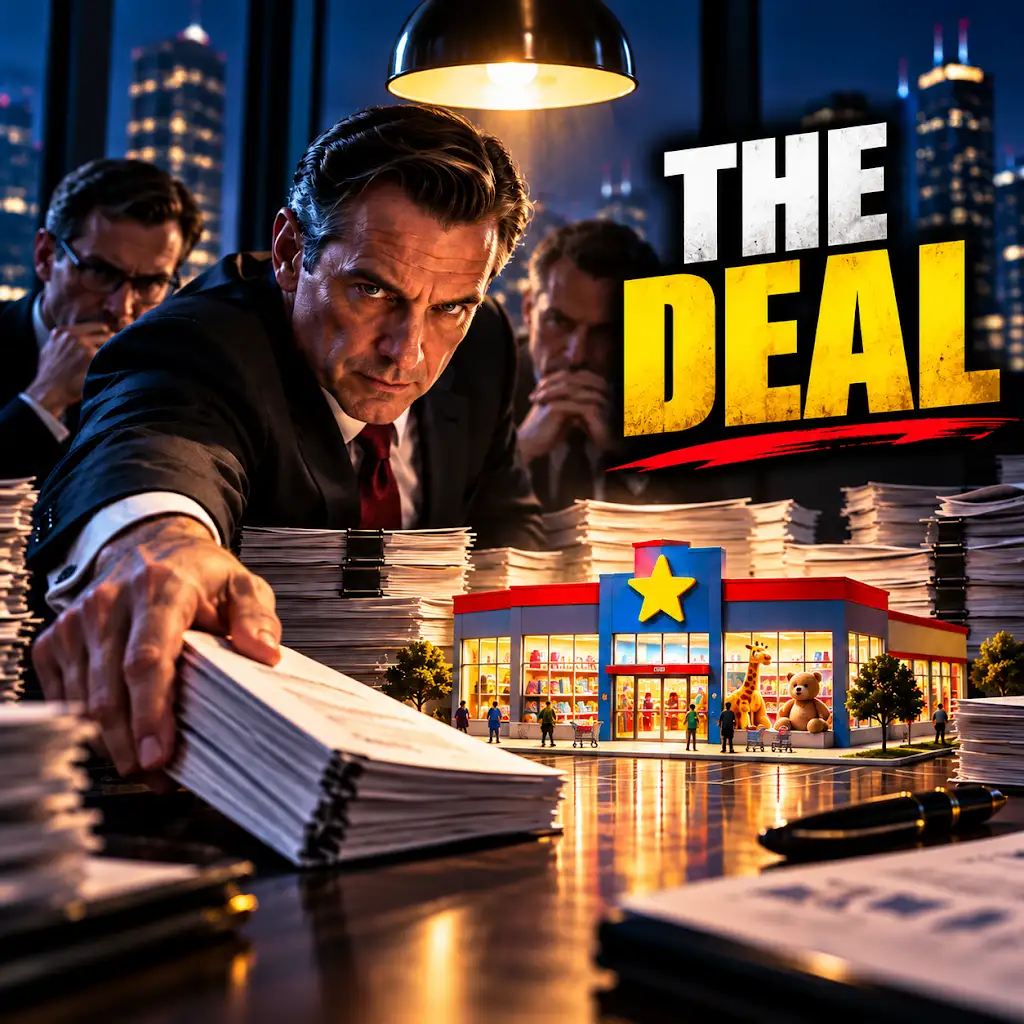
A significant turning point in Toys R Us’s decline was its acquisition in a leveraged buyout (LBO) in 2005 by Bain Capital, KKR, and Vornado Realty Trust. This deal saddled the company with an enormous debt burden, diverting crucial funds away from innovation, store modernization, and crucially, e-commerce development.
The Weight of Debt
The debt incurred from the LBO consumed a substantial portion of Toys R Us’s annual profits, leaving little room for investment in critical areas. This financial constraint proved to be a suffocating impediment to its ability to adapt to the evolving retail landscape. Instead of reinvesting in its future, the company was forced to prioritize debt repayment.
Limited Capital for Digital Transformation
With limited capital available, the company found itself unable to make the substantial investments required to build a robust e-commerce platform, upgrade its supply chain for online fulfillment, or engage in aggressive digital marketing campaigns. This created a vicious cycle where its inability to invest in e-commerce further eroded its market share, leading to decreased revenue and even less capital for investment.
Declining Sales and Profitability
The combined impact of fierce online competition, the company’s own e-commerce shortcomings, and the weight of its debt led to a steady decline in sales and profitability. As foot traffic dwindled and online sales lagged, the financial health of the company deteriorated.
Store Closures and Restructuring
In an attempt to stem the losses, Toys R Us undertook numerous restructuring efforts, including store closures and layoffs. However, these measures often proved to be too little, too late, and failed to address the fundamental challenges plaguing the business. The constant cycles of downsizing and uncertainty further damaged employee morale and brand perception.
The Inevitable Bankruptcy
By 2017, the financial situation became unsustainable. Toys R Us filed for bankruptcy in the United States, marking a somber end to its reign as a retail giant. The subsequent liquidation of its assets in 2018 sent shockwaves through the retail industry and left millions of childhood memories in its wake.
The decline of Toys “R” Us in the e-commerce landscape serves as a cautionary tale for retailers struggling to adapt to the digital age. Many factors contributed to their downfall, including increased competition from online giants and a failure to innovate their online shopping experience. For a deeper understanding of the challenges faced by traditional retailers in the e-commerce realm, you can read more in this insightful article on how wealth grows. By examining these issues, businesses can better navigate the complexities of modern retail. For further details, check out the article here.
Lessons Learned: What the Future Can Learn from Toys R Us’s Demise
| Metric | Value | Notes |
|---|---|---|
| Year of Bankruptcy Filing | 2017 | Filed for Chapter 11 bankruptcy protection |
| Number of Stores Closed | 700+ | Majority of physical stores shut down in the US and UK |
| Online Market Share (2017) | Less than 5% | Significantly lower than competitors like Amazon and Walmart |
| Website Traffic Decline | 30% YoY (2016-2017) | Decreased customer engagement on ecommerce platform |
| Investment in Ecommerce Technology | Low | Lagged behind competitors in digital innovation |
| Customer Satisfaction Score | Below Industry Average | Issues with website usability and fulfillment speed |
| Revenue from Ecommerce (2017) | Approximately 10% | Small portion of total revenue compared to brick-and-mortar sales |
| Competitor Online Sales Growth | 20%+ | Competitors like Amazon and Walmart saw significant ecommerce growth |
The Imperative of Digital Transformation
The most obvious lesson from Toys R Us’s failure is the absolute necessity of embracing digital transformation. In today’s retail environment, a strong online presence is not an option; it’s a prerequisite for survival. Brands must invest in user-friendly websites, seamless mobile experiences, efficient online ordering and delivery systems, and sophisticated digital marketing strategies.
Omnichannel Integration is Key
The future of retail lies in true omnichannel integration, where the physical and digital experiences are seamlessly interwoven. This means allowing customers to buy online and pick up in-store (BOPIS), return online purchases in-store, and have a consistent brand experience across all touchpoints. Toys R Us’s fragmented approach to this proved to be a significant weakness.
Data Analytics for Customer Understanding
Leveraging data analytics is crucial for understanding customer behavior, preferences, and purchasing patterns. This information can be used to personalize recommendations, optimize inventory, and tailor marketing efforts. Retailers who fail to harness the power of data risk being outmaneuvered by more data-savvy competitors.
Agility and Adaptability in a Dynamic Market
The retail landscape is constantly evolving, driven by technological advancements, changing consumer preferences, and new market entrants. Brands must cultivate a culture of agility and adaptability, willing to experiment with new technologies and strategies, and quick to pivot when necessary. The slow, bureaucratic nature of Toys R Us’s decision-making likely hindered its ability to respond effectively to rapid market shifts.
Embracing Innovation
Companies need to foster an environment that encourages innovation and rewards creative thinking. This involves investing in research and development, staying abreast of emerging trends, and being willing to take calculated risks. The toy industry, in particular, is ripe for innovation, with new technologies like augmented reality and interactive toys constantly emerging.
Responding to Consumer Trends
Staying attuned to evolving consumer trends, from sustainability concerns to the demand for personalized experiences, is vital. Retailers must be responsive to these shifts and integrate them into their product offerings and marketing strategies. The rise of social media influencers and the importance of community building are also factors that Toys R Us largely failed to capitalize on.
The Dangers of Excessive Debt and Financial Mismanagement
The Toys R Us saga serves as a stark warning about the perils of excessive debt and financial mismanagement. While private equity can provide capital, it must be managed responsibly. Companies should prioritize investments in core competencies and future growth over simply servicing debt.
Strategic Financial Planning
Robust financial planning that accounts for market volatility and the need for ongoing investment in technology and infrastructure is essential. This includes carefully evaluating the impact of leveraged buyouts and ensuring that sufficient capital remains for innovation and adaptation.
The Long-Term Vision
A company’s long-term vision should guide its financial decisions. Sacrificing future growth and competitiveness for short-term financial gains, often driven by the demands of LBOs, can be a recipe for disaster. Toys R Us’s financial structure ultimately undermined its ability to execute the necessary strategic shifts.
The Lingering Questions and the Unlikely Return
The Legacy of Nostalgia
Despite its commercial failure, the brand “Toys R Us” still holds a powerful nostalgic appeal for many. This emotional connection has been leveraged in recent attempts to revive the brand, often focusing on a more curated, experiential retail model.
The “New” Toys R Us
Following its liquidation, there have been various attempts to resurrect the Toys R Us brand, often in partnership with other retailers or through smaller-format stores. These endeavors highlight the enduring power of the brand name and the hope that its legacy can be salvaged. The question remains whether these new iterations can overcome the foundational issues that led to its demise.
The Future of Toy Retail
The future of toy retail, much like the broader retail industry, will likely be a hybrid model. Physical stores will need to offer unique experiences and services that cannot be replicated online, while e-commerce will continue to provide convenience and accessibility. Brands that can effectively blend these two worlds, while remaining agile and customer-centric, are the ones most likely to succeed. The lessons learned from Toys R Us’s e-commerce failure provide a critical roadmap for navigating this complex and ever-evolving landscape. The ghost of Geoffrey the Giraffe serves as a constant reminder of the stakes involved in adapting to the digital age.
The $6.6 Billion Deal That Left Toys “R” Us Trapped
FAQs
What led to the failure of Toys R Us in the ecommerce sector?
Toys R Us failed in the ecommerce sector due to its delayed entry into online retail, lack of investment in digital infrastructure, and fierce competition from online giants like Amazon.
How did Toys R Us’ bankruptcy impact its ecommerce operations?
Toys R Us’ bankruptcy led to the closure of many physical stores, which affected its ecommerce operations as the company struggled to maintain a strong online presence without the support of its brick-and-mortar locations.
What were some key mistakes made by Toys R Us in its ecommerce strategy?
Some key mistakes made by Toys R Us in its ecommerce strategy included underestimating the shift towards online shopping, failing to provide a seamless omnichannel experience, and not adapting quickly enough to changing consumer preferences.
Did Toys R Us attempt to revive its ecommerce business before its bankruptcy?
Toys R Us did attempt to revive its ecommerce business before its bankruptcy by partnering with third-party platforms, improving its website and mobile app, and offering exclusive online deals. However, these efforts were not enough to compete effectively in the digital marketplace.
What lessons can other retailers learn from Toys R Us’ ecommerce failure?
Other retailers can learn from Toys R Us’ ecommerce failure by prioritizing digital transformation, investing in a robust online infrastructure, staying agile in response to market changes, and focusing on providing a seamless omnichannel shopping experience for customers.