
The once-ubiquitous aisles of Toys “R” Us, a nostalgic beacon for generations of children and parents alike, are now a stark reminder of a retail giant’s spectacular downfall. The brand’s journey from a dominant force in the toy industry to its eventual bankruptcy and liquidation is a complex narrative, deeply intertwined with mounting debt. Understanding the intricacies of Toys “R” Us debt is crucial to grasping the full story of its demise and the lessons it holds for the retail landscape. This article will delve into the multifaceted aspects of Toys “R” Us debt, exploring its origins, impact, and enduring legacy.
The seeds of Toys “R” Us’s crippling debt were sown not in its operational inefficiencies, but in a significant financial maneuver: a leveraged buyout (LBO). In 2005, a consortium of private equity firms – KKR, Bain Capital, and Vornado Realty Trust – acquired the struggling retailer for approximately $7.5 billion. This transaction was heavily financed by debt, a common strategy in LBOs where the acquired company’s assets are used as collateral for the loans. The rationale behind such a move typically involves the belief that the private equity firm can streamline operations, improve profitability, and ultimately exit the investment at a higher valuation, repaying the debt in the process.
The Mechanics of a Leveraged Buyout
- Debt Financing: The majority of the purchase price was covered by borrowed money. This included senior secured loans, mezzanine debt, and even high-yield bonds. The private equity firms contributed a relatively small portion of their own capital.
- Asset as Collateral: Toys “R” Us’s substantial real estate holdings, its brand name, and its inventory were all pledged as security for these loans. This meant that if the company defaulted, creditors could seize these assets.
- Interest Payments: A significant portion of Toys “R” Us’s annual revenue was immediately earmarked for servicing the interest payments on this enormous debt. This placed an immediate strain on the company’s cash flow, limiting its ability to invest in crucial areas.
The Private Equity Model and its Pressures
Private equity firms operate on a defined investment horizon, typically aiming to sell their portfolio companies within 3-7 years. This creates a pressure cooker environment for the acquired company.
- Short-Term Focus: The emphasis often shifts from long-term strategic growth and innovation to maximizing short-term cash generation to satisfy debt obligations and prepare for a profitable exit.
- Cost-Cutting Measures: To free up cash, private equity firms often implement aggressive cost-cutting initiatives, which can include reducing staff, slashing marketing budgets, and delaying capital expenditures on store renovations or technological upgrades. While sometimes necessary, these cuts can also erode a company’s competitive edge.
- Dividend Recaps: In some cases, private equity firms might extract value from their investment through dividend recapitalizations, where new debt is taken on to pay a dividend to the investors. This further increases the debt burden on the company.
The 2005 LBO effectively saddled Toys “R” Us with a massive debt load from the outset. While the intention was to revitalize the company, the sheer weight of the debt proved to be an insurmountable obstacle in the face of evolving retail dynamics.
Toys “R” Us, once a giant in the toy retail industry, faced significant financial challenges that ultimately led to its bankruptcy. For a deeper understanding of the factors contributing to its debt and the implications for the retail sector, you can read a related article that delves into the complexities of corporate debt management and its impact on businesses. Check it out here: How Wealth Grows.
The Burden of Interest: A Constant Drain on Resources
The most immediate and impactful consequence of the leveraged buyout was the immense interest burden placed upon Toys “R” Us. With billions of dollars in debt, the annual interest payments were astronomical, diverting critical funds that could have been used for much-needed investment and innovation.
Understanding Debt Servicing Costs
- Principal and Interest: Every dollar that Toys “R” Us generated was primarily directed towards repaying the principal of its loans and, more significantly, the interest accrued on that principal.
- Compounding Effect: The interest payments, especially on the higher-interest debt instruments like mezzanine loans and high-yield bonds, could be substantial. Over time, this compounded the financial pressure.
- Fixed Obligations: Unlike operational expenses that could be adjusted, interest payments were largely fixed obligations. This left little room for maneuverability when sales faltered or unexpected economic downturns occurred.
The Impact on Strategic Investments
The relentless pressure to service debt had a profound and detrimental impact on Toys “R” Us’s ability to invest in its future.
- E-commerce Lag: In the crucial years when online retail was rapidly gaining traction, Toys “R” Us struggled to invest sufficiently in its e-commerce platform. Competitors like Amazon were pouring vast sums into their digital infrastructure, offering a seamless online shopping experience. Toys “R” Us’s debt obligations made it difficult to allocate the necessary capital to compete effectively in this burgeoning arena.
- Store Modernization: The physical store experience also began to feel dated. Many Toys “R” Us locations lacked the modern, engaging environments that were becoming increasingly important for attracting and retaining customers. The debt made it challenging to fund widespread store renovations and upgrades.
- Product Innovation and Merchandising: The ability to invest in exclusive toy lines, cutting-edge merchandise, and innovative in-store experiences was also curtailed. This left Toys “R” Us vulnerable to competitors who could offer more compelling product selections.
The constant drain of interest payments created a vicious cycle: the debt hampered investment, which in turn led to declining sales, making it even harder to generate the revenue needed to service the debt.
The Shifting Retail Landscape: A Perfect Storm
While the debt burden was significant, it was the confluence of this financial strain with a rapidly evolving retail landscape that ultimately proved fatal for Toys “R” Us. The company’s inability to adapt quickly enough, hampered by its debt obligations, made it particularly vulnerable to the seismic shifts occurring in consumer behavior and the competitive arena.
The Rise of E-commerce
The internet revolutionized how consumers shopped. Amazon, in particular, emerged as a formidable competitor, offering convenience, vast selection, and competitive pricing.
- Amazon’s Dominance: Amazon’s relentless focus on logistics, customer service, and a vast online marketplace allowed it to capture a significant share of the toy market. Toys “R” Us’s struggle to build a robust and competitive online presence meant it was losing customers to this digital behemoth.
- Changing Consumer Habits: Consumers, especially younger generations, became increasingly accustomed to researching, comparing, and purchasing products online. The traditional brick-and-mortar model, while still relevant, needed to be supplemented by a strong digital strategy.
The Impact of Big Box Retailers and Discount Chains
Beyond e-commerce, the competitive pressures from other brick-and-mortar retailers also intensified.
- Walmart and Target: Large mass-market retailers like Walmart and Target offered a wide range of toys at competitive prices, often leveraging their larger purchasing power. This meant consumers could pick up toys while doing their regular grocery shopping, creating convenience that Toys “R” Us struggled to match.
- Discount Retailers: The rise of dollar stores and other discount retailers also chipped away at Toys “R” Us’s market share, particularly for more budget-conscious consumers.
The “Showrooming” Phenomenon
The rise of smartphones in stores also introduced the “showrooming” phenomenon. Customers would visit Toys “R” Us to see and touch toys, only to then purchase them online at a lower price. This turned physical stores into de facto showrooms for online competitors, further undermining Toys “R” Us’s sales. The debt prevented Toys “R” Us from investing in strategies to combat showrooming, such as unique in-store experiences or loyalty programs that incentivized in-store purchases.
The combination of these factors created a perfect storm. Toys “R” Us, weighed down by its debt, lacked the financial flexibility to make the necessary investments in e-commerce, store experience, and competitive pricing to counter these evolving threats.
The Inevitable Decline: Bankruptcy and Liquidation
The mounting debt and inability to adapt to the changing retail landscape ultimately led Toys “R” Us down a path of financial distress, culminating in its bankruptcy and eventual liquidation. The company attempted various strategies to stave off this fate, but the debt proved too substantial to overcome.
Restructuring Efforts and Failed Turnarounds
Before its final collapse, Toys “R” Us underwent several restructuring efforts and attempts at a turnaround.
- Debt Refinancing: The company sought to refinance its debt at lower interest rates, but the sheer volume of debt made this a challenging and often unsuccessful endeavor.
- Store Closures and Layoffs: To cut costs, Toys “R” Us implemented store closures and significant layoffs. While these measures aimed to improve profitability, they also weakened the brand’s presence and alienated its workforce.
- Partnerships and Alliances: There were attempts to forge partnerships with other retailers or enter into different business models, but these often failed to gain traction or provide sufficient financial relief.
The Final Blow: Filing for Bankruptcy
In September 2017, Toys “R” Us filed for Chapter 11 bankruptcy protection in the United States, followed by similar filings in other countries. This was a stark admission of the company’s inability to manage its debt obligations and continue operations as a going concern.
Liquidation and the End of an Era
Despite hopes that a buyer might emerge to save at least some of its operations, the bankruptcy proceedings ultimately led to liquidation. In 2018, the company announced the closure of all its remaining U.S. stores, marking the end of an era for the iconic toy retailer. The liquidation process involved selling off inventory, assets, and intellectual property to repay creditors.
The bankruptcy and liquidation were a direct consequence of the unsustainable debt burden that the company had been carrying for over a decade. The financial engineering that enabled the buyout, coupled with the inability to adapt to market changes, created a fatal combination.
Toys R Us has faced significant challenges in managing its debt, which has raised questions about the future of the iconic toy retailer. For a deeper understanding of the financial intricacies surrounding their situation, you can explore a related article that delves into the complexities of corporate debt and its implications. This insightful piece can be found here, providing valuable context for those interested in the broader economic factors at play.
Lessons Learned: What the Toys “R” Us Debt Saga Teaches Us
| Metric | Value | Description |
|---|---|---|
| Total Debt | 5 billion | The approximate amount of debt Toys “R” Us had before filing for bankruptcy in 2017. |
| Debt-to-Equity Ratio | High (exact ratio varied) | Indicates the company was heavily leveraged, contributing to financial difficulties. |
| Bankruptcy Filing Year | 2017 | The year Toys “R” Us filed for Chapter 11 bankruptcy protection. |
| Debt Restructuring | Yes | Efforts were made to restructure debt to improve financial stability. |
| Impact of Debt | High | Heavy debt burden limited investment and operational flexibility, leading to store closures. |
| Debt Holders | Private Equity Firms, Banks | Main creditors included private equity owners and lending institutions. |
The downfall of Toys “R” Us offers profound lessons for businesses, investors, and policymakers alike. The story is a cautionary tale about the perils of excessive leverage and the critical importance of adaptability in the face of disruptive forces.
The Dangers of Excessive Leverage
- Risk Amplification: High levels of debt amplify both gains and losses. While leverage can accelerate growth in good times, it can also accelerate demise in challenging periods.
- Reduced Flexibility: Debt obligations severely restrict a company’s ability to respond to market shifts, invest in innovation, or weather economic downturns.
- Creditor Control: In situations of financial distress, creditors gain significant influence, often dictating the company’s strategic decisions or pushing for liquidation to recover their investments.
The Imperative of Digital Transformation
- Customer-Centricity: Businesses must prioritize understanding and meeting evolving customer needs, which increasingly involves seamless digital experiences.
- Agility and Innovation: The ability to quickly adapt to new technologies and business models is no longer a competitive advantage but a survival necessity.
- Omnichannel Strategy: A successful retail strategy often requires integrating online and offline channels to provide a cohesive and convenient customer journey.
The Role of Private Equity
- Long-Term Sustainability vs. Short-Term Returns: The Toys “R” Us case raises questions about the sustainability of LBO models when they place excessive debt burdens on companies without a clear path to long-term viability.
- Stewardship of Brands: While private equity can be a catalyst for improvement, there’s a debate about the responsibility of these firms in preserving the long-term health and legacy of acquired companies.
The legacy of Toys “R” Us’s debt is a stark reminder that financial health is not merely about profitability but also about managing risk and maintaining the flexibility to navigate an ever-changing world. The toy aisles may be empty, but the lessons learned from this once-giant’s debt-ridden downfall continue to resonate across the retail industry.
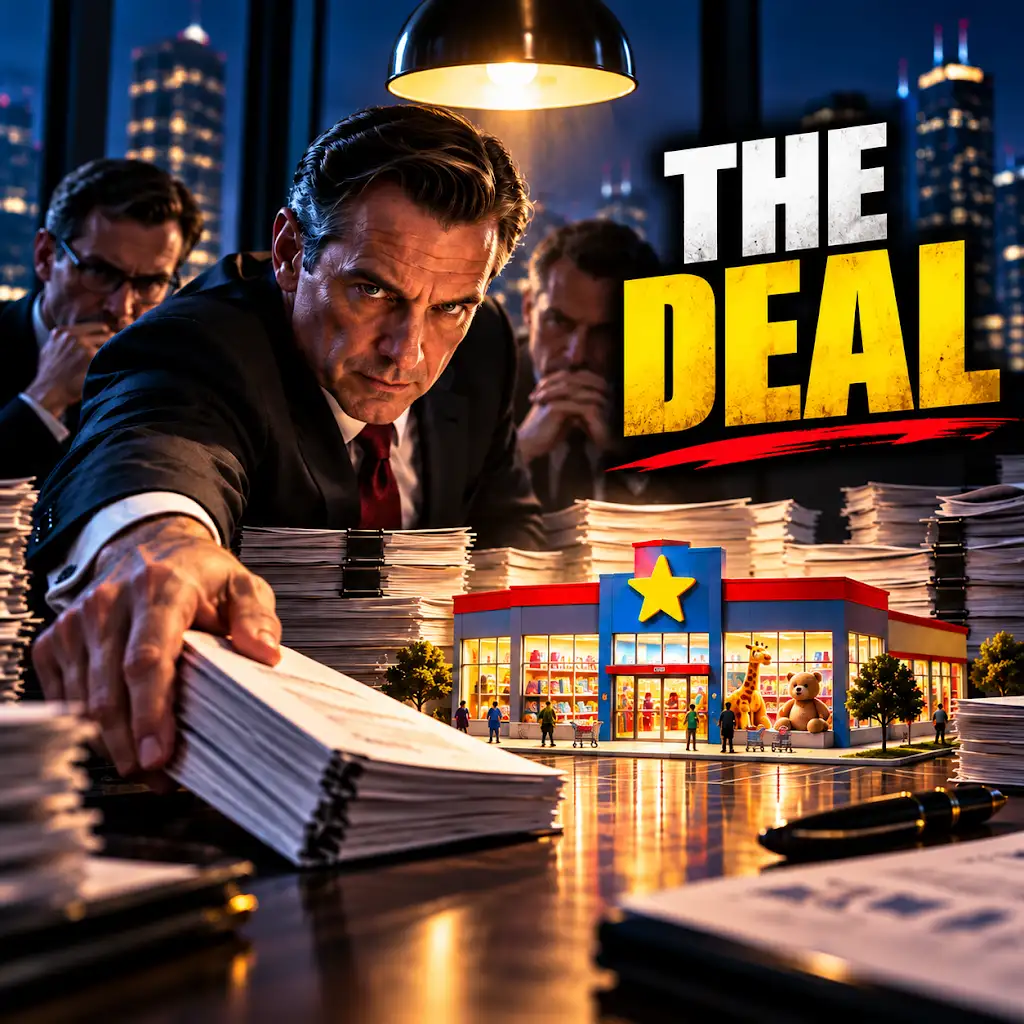
The $6.6 Billion Deal That Left Toys “R” Us Trapped
FAQs
What is Toys R Us debt?
Toys R Us debt refers to the amount of money that the company owes to creditors, bondholders, and other lenders. It includes both short-term and long-term debt obligations.
How did Toys R Us accumulate so much debt?
Toys R Us accumulated a significant amount of debt due to a leveraged buyout in 2005, where the company was taken private by a group of private equity firms. The buyout saddled Toys R Us with a large amount of debt, which limited its ability to invest in its stores and compete with online retailers.
What were the consequences of Toys R Us debt on the company?
The high level of debt burdened Toys R Us with significant interest payments, which made it difficult for the company to invest in its stores, improve its online presence, and compete effectively in the retail market. Ultimately, the debt played a role in the company’s bankruptcy filing in 2017.
How did Toys R Us attempt to address its debt issues?
Toys R Us attempted to address its debt issues through various strategies, including refinancing, cost-cutting measures, store closures, and seeking a buyer for the company. Despite these efforts, the company was unable to overcome its debt burden and ultimately filed for bankruptcy.
What lessons can be learned from Toys R Us debt situation?
The Toys R Us debt situation serves as a cautionary tale about the risks of taking on excessive debt, especially in leveraged buyout transactions. It highlights the importance of managing debt levels carefully, maintaining financial flexibility, and adapting to changes in the retail industry to avoid financial distress.