
Toys R Us, a name once synonymous with childhood joy and the beacon of countless toy aisles, has experienced a complex and often tumultuous financial journey. The company’s history is punctuated by significant debt burdens, the management of which has been a critical, and ultimately, a defining factor in its trajectory. Understanding the intricacies of Toys R Us’s debt service offers a compelling case study in corporate finance, leveraged buyouts, and the challenges of navigating a rapidly evolving retail landscape. This article delves into the strategies and consequences of managing its substantial financial obligations.
The significant debt burden that would come to define Toys R Us’s later years was not an overnight phenomenon. Its origins can be traced to periods of both ambition and vulnerability. The company, having enjoyed decades of success as a publicly traded entity, found itself a target for private equity. The most impactful event in its financial history was undoubtedly the leveraged buyout (LBO) in 2005, orchestrated by a consortium of private equity firms: KKR, Bain Capital, and Vornado Realty Trust. This transaction, valued at approximately $7.5 billion, was heavily financed by debt. The rationale behind such an aggressive LBO was the belief that private ownership would allow for more strategic flexibility, cost-cutting measures, and ultimately, a more profitable entity to be re-offered to the public market at a higher valuation.
The Mechanics of a Leveraged Buyout
A leveraged buyout involves acquiring a company using a significant amount of borrowed money (debt) to finance the purchase. The assets of the acquired company are typically used as collateral for these loans. The theory is that the acquired company’s future cash flows will be sufficient to service and repay this debt, with any remaining profits accruing to the new owners. For Toys R Us, this meant a substantial influx of debt, far exceeding the equity invested by the private equity firms. This debt was structured through various instruments, including senior secured loans, subordinated debt, and other forms of credit.
Senior Secured Loans: The First Line of Defense
The most common form of debt in an LBO is senior secured debt. These loans are typically provided by banks and other financial institutions. They carry the highest priority in terms of repayment should the company face financial distress or bankruptcy. The lenders of senior secured debt have a claim on the company’s assets, giving them a degree of security. For Toys R Us, these loans formed the bedrock of the financing for the 2005 LBO. The interest payments on these loans represented a significant and immediate drain on the company’s operating cash flow.
Subordinated Debt: Higher Risk, Higher Reward
Alongside senior debt, private equity firms often employ subordinated debt, also known as mezzanine debt. This type of debt ranks lower in priority than senior debt. Because of this increased risk, lenders of subordinated debt typically demand a higher interest rate. This was a crucial component of the Toys R Us LBO, as it allowed for a larger overall debt load to be placed on the company’s balance sheet. While providing additional capital, it also amplified the financial pressure through higher interest expenses.
The Role of Credit Facilities
Beyond the core LBO financing, Toys R Us, like most large retailers, maintained various credit facilities. These included revolving credit lines, which provided flexibility for day-to-day operations, inventory purchases, and managing seasonal fluctuations in demand. While not directly part of the LBO debt, the covenants and terms associated with these credit facilities could become restrictive, especially as the company’s financial performance began to deteriorate. Managing these lines of credit was an ongoing aspect of its financial management.
Toys “R” Us has faced significant challenges in managing its debt service, which has impacted its ability to compete in the retail market. For a deeper understanding of the financial strategies and implications of debt management in retail, you can read a related article that explores how companies navigate these challenges at How Wealth Grows. This resource provides insights into the broader context of retail finance and the importance of effective debt management.
The Weight of Interest Payments: Servicing the Debt Burden
The most immediate and pervasive consequence of a heavily leveraged capital structure is the relentless obligation of interest payments. For Toys R Us, these payments became an enormous drain on its financial resources, diverting capital that could have been used for reinvestment, innovation, or even weathering economic downturns. The sheer scale of the debt meant that even a slight downturn in sales or an increase in operational costs could create significant financial strain.
Fixed vs. Floating Interest Rates
The debt taken on by Toys R Us likely comprised a mix of fixed and floating interest rate instruments. Fixed-rate debt offered predictability in interest expenses, while floating-rate debt exposed the company to fluctuations in market interest rates. If market rates rose, the interest payments on floating-rate debt would increase, further exacerbating the financial pressure. Managing this mix and hedging against interest rate risk would have been a key consideration for the finance team.
The Impact of Interest on Cash Flow
Each dollar spent on interest payments was a dollar that could not be invested in new product lines, improving the in-store experience, or bolstering its e-commerce capabilities. This relentless outflow of cash created a vicious cycle: declining sales made it harder to service debt, which in turn necessitated cost-cutting measures that could further alienate customers and depress sales. The primary focus of management often shifted from strategic growth to simply ensuring sufficient cash flow to meet immediate debt obligations.
The Covenant Maze: Restrictions and Requirements
Loan agreements, particularly those associated with leveraged buyouts, come with a complex web of covenants. These are conditions that the borrower must adhere to. Covenants can be affirmative, requiring the company to take certain actions (e.g., maintain certain financial ratios), or negative, prohibiting certain actions (e.g., taking on additional debt beyond a certain threshold, selling off key assets without lender consent). For Toys R Us, these covenants became increasingly difficult to satisfy as its financial performance weakened.
Financial Covenants: A Balancing Act
Key financial covenants often include metrics like debt-to-equity ratios, interest coverage ratios, and fixed charge coverage ratios. Failure to meet these covenants could trigger a default, allowing lenders to demand immediate repayment of the outstanding debt or take other actions, such as seizing collateral. The pressure to meet these covenants often led to decisions that were not necessarily in the long-term best interest of the company, but rather aimed at appeasing lenders in the short term.
Operational Covenants: Navigating Limitations
Operational covenants could restrict management’s ability to make strategic decisions. For example, limitations on capital expenditures could hinder necessary investments in store modernization or technology upgrades. Restrictions on asset sales could prevent the company from divesting underperforming segments or raising cash by selling valuable but non-core assets. These limitations constrained Toys R Us’s ability to adapt and respond to market changes.
Refinancing and Restructuring: Attempts to Alleviate the Burden

As the debt burden became increasingly unsustainable, Toys R Us, under the ownership of its private equity sponsors, engaged in several attempts to refinance and restructure its debt. These efforts were aimed at extending debt maturities, lowering interest rates, or reducing the principal amount of the debt. However, these endeavors were often constrained by the company’s deteriorating financial health and the prevailing market conditions.
The Art of Debt Refinancing
Refinancing involves replacing existing debt with new debt, ideally on more favorable terms. This could involve securing new loans with lower interest rates, longer repayment periods, or less restrictive covenants. However, for a company struggling with profitability, the ability to secure favorable refinancing terms diminishes significantly. Lenders become more hesitant to extend credit to a borrower perceived as a higher risk.
Extending Maturities: Buying Time
One common refinancing strategy is to extend the maturity dates of existing debt. This allows the company to push back the principal repayment obligations, providing more time to improve performance and generate the necessary cash flow. For Toys R Us, extending maturities was likely a recurring theme in its financial management, a way to postpone the inevitable if performance did not improve.
Securing Lower Interest Rates: Reducing the Cost of Capital
The ultimate goal of refinancing is often to reduce the cost of capital. If market interest rates have fallen or the company’s perceived creditworthiness has improved (though this was unlikely in later years), it might be possible to issue new debt at a lower interest rate. This would directly reduce the annual interest expense, freeing up cash flow.
Debt Restructuring: A More Drastic Approach
When refinancing alone is insufficient, companies may resort to debt restructuring. This involves renegotiating the terms of existing debt with creditors. This can take many forms, including:
Debt-for-Equity Swaps: Diluting Ownership
In a debt-for-equity swap, creditors agree to exchange some or all of their debt for ownership equity in the company. This reduces the company’s debt burden but dilutes the ownership stake of existing shareholders, including the private equity sponsors. This was a potential, though perhaps unpopular, option for Toys R Us if its lenders were willing to take on equity in lieu of being repaid.
Principal Reduction: A Difficult Negotiation
Negotiating a reduction in the principal amount of the debt is a significant concession from lenders. It typically occurs when the company is in severe distress, and lenders believe that recovering the full principal amount is unlikely. This would have been a last-resort option for Toys R Us, requiring substantial persuasion and proof of a viable turnaround plan.
Covenant Amendments: Easing Restrictions
Restructuring can also involve amending existing covenants to provide the company with more flexibility. This could mean relaxing financial ratio requirements or granting permission for certain asset sales. These amendments are often granted in exchange for other concessions from the borrower.
The Impact of E-commerce and Retail Disruption on Debt Management

The retail landscape underwent a seismic shift with the rise of e-commerce and the changing shopping habits of consumers. Toys R Us, once a dominant brick-and-mortar player, struggled to adapt to this new reality. This disruption directly impacted its ability to generate sufficient revenue and cash flow to service its substantial debt, creating a particularly challenging feedback loop.
The Amazon Effect: Competition and Margin Erosion
Online retailers, led by Amazon, offered convenience, competitive pricing, and a vast selection that brick-and-mortar stores found difficult to match. This intensified competition put pressure on Toys R Us’s sales and margins. As sales declined, the fixed costs associated with its vast store footprint became even more burdensome, and the ability to generate enough cash to cover debt payments was further compromised.
Shifting Consumer Preferences: The Decline of the Big Box
Consumers, particularly younger generations, increasingly favored online shopping for its ease and often better prices. The traditional allure of large, physical toy stores began to wane. This fundamental shift in consumer behavior directly impacted foot traffic and sales at Toys R Us locations, making it harder to generate the revenue needed to meet financial obligations.
Investment in Digital Transformation: A Necessary but Costly Endeavor
To compete, Toys R Us needed to invest heavily in its e-commerce platform, digital marketing, and supply chain for online fulfillment. These investments required significant capital, which was precisely what the company was struggling to free up due to its debt service obligations. This created a Catch-22 situation: the company needed to spend to survive, but its debt burden made it difficult to spend.
The Paradox of Investment: Draining Cash for Future Returns
The irony was that the very investments needed to modernize and adapt were being hampered by the financial strain imposed by past debt. This meant that the company might have been underinvesting in crucial areas, further hindering its ability to compete and ultimately impacting its long-term viability.
Toys “R” Us has faced significant challenges in managing its debt service obligations, which have been a critical factor in its financial struggles. The company’s attempts to restructure its operations and reduce its liabilities have been closely monitored by industry analysts. For a deeper understanding of how companies navigate similar financial hurdles, you can read more in this insightful article on debt management strategies. This resource provides valuable information on the tactics businesses employ to address their debt issues effectively. You can find it here: debt management strategies.
The Inevitable Consequence: Bankruptcy and Liquidation
| Year | Total Debt (in billions) | Annual Interest Expense (in millions) | Debt Service Coverage Ratio | Notes |
|---|---|---|---|---|
| 2017 | 5.0 | 350 | 1.2 | Pre-bankruptcy period |
| 2018 | 4.2 | 280 | 0.9 | Filed for bankruptcy in September |
| 2019 | 3.5 | 210 | 0.7 | Restructuring phase |
| 2020 | 2.8 | 150 | 1.0 | Post-bankruptcy operations |
Despite various attempts at refinancing and restructuring, the weight of Toys R Us’s debt, coupled with the relentless pressures of a transformed retail environment, proved insurmountable. In 2017 and again in 2018, the company was forced to file for Chapter 11 bankruptcy protection. The ultimate outcome was the liquidation of the company’s assets and the closure of its stores, a poignant end to a once-iconic brand.
Chapter 11 Bankruptcy: A Last Resort
Chapter 11 bankruptcy allows a company to reorganize its debts and operations under court supervision, with the aim of emerging as a viable entity. However, for Toys R Us, the scale of its debt and the lack of a clear path to profitability made a successful reorganization extremely difficult. The private equity owners had largely exited their investment by this point, and the remaining debt was a heavy burden for the company itself.
The Role of Creditors in Bankruptcy
During bankruptcy proceedings, creditors play a crucial role. They negotiate with the company regarding the repayment of their debts. In Toys R Us’s case, the significant debt load meant that many creditors stood to lose a substantial portion of their investment. The complex legal and financial negotiations that ensued were a testament to the magnitude of the company’s financial challenges.
Liquidation: The Final Chapter
Ultimately, the plans for reorganization failed to materialize. The company’s assets, including its intellectual property and remaining inventory, were sold off to satisfy creditors. The closure of hundreds of stores marked the end of an era, leaving a void in the toy retail market and serving as a stark reminder of the perils of excessive leverage and the challenges of navigating disruptive market forces. The story of Toys R Us’s debt service is a cautionary tale, illustrating how financial obligations, when mismanaged or when market conditions shift dramatically, can lead to the demise of even the most recognizable and beloved brands.
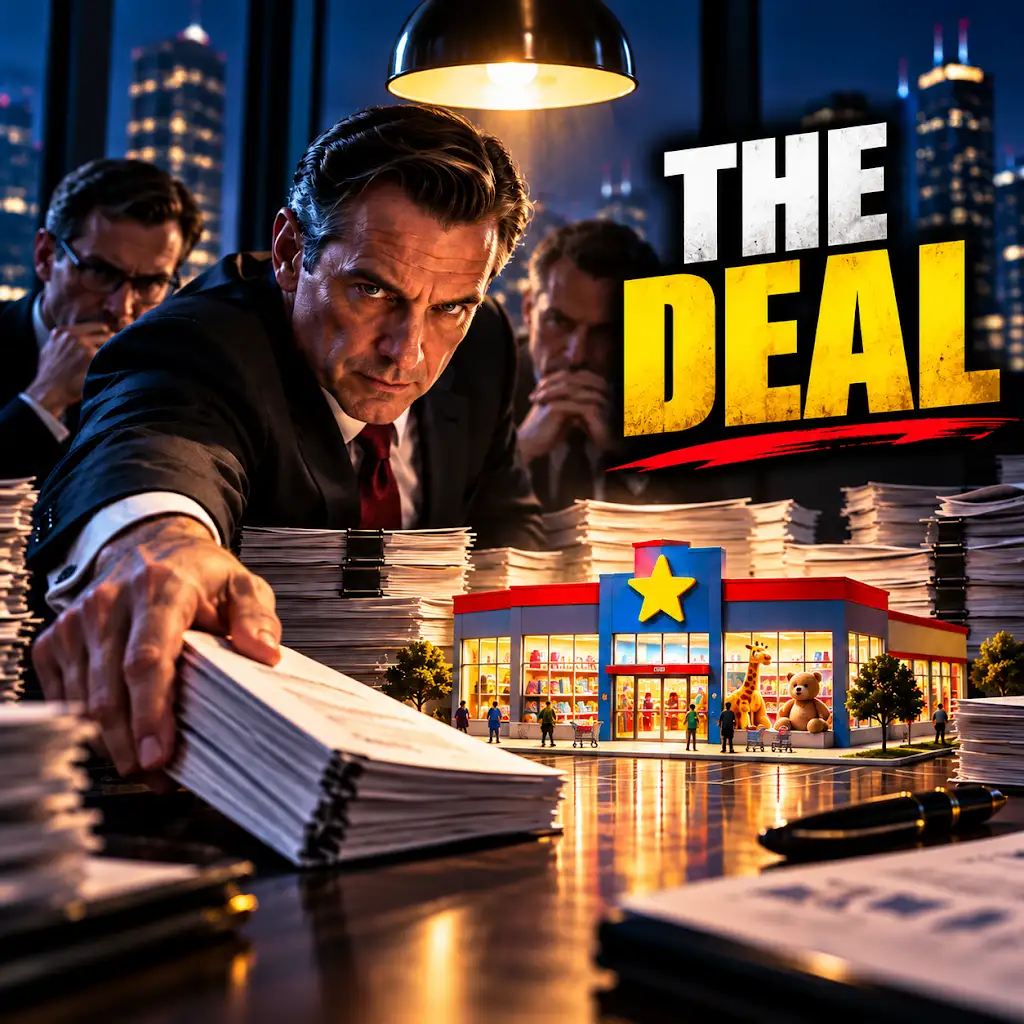
The $6.6 Billion Deal That Left Toys “R” Us Trapped
FAQs
What is Toys R Us debt service?
Toys R Us debt service refers to the company’s obligation to make regular payments on its outstanding debts, including interest and principal.
Why is Toys R Us debt service important?
Debt service is crucial for Toys R Us as it impacts the company’s financial health and ability to meet its financial obligations. Failure to make debt service payments can lead to default and potentially bankruptcy.
How does Toys R Us manage its debt service?
Toys R Us may manage its debt service by carefully monitoring its cash flow, refinancing debt at lower interest rates, negotiating with creditors for more favorable terms, or selling assets to raise funds for debt payments.
What are the consequences of Toys R Us failing to meet its debt service obligations?
If Toys R Us fails to meet its debt service obligations, it may face penalties, higher interest rates, credit rating downgrades, and potential legal action from creditors. In severe cases, it could lead to bankruptcy.
How does Toys R Us debt service impact its operations and future prospects?
Toys R Us debt service can impact the company’s ability to invest in growth opportunities, expand its business, or compete effectively in the market. High debt levels can also limit its financial flexibility and hinder its long-term sustainability.