
You’ve probably felt it yourself. That subtle shift, that almost imperceptible change in how you perceive the world and your place within it, the moment your bank account swells. It’s not just about the ability to buy more things; it’s about a fundamental alteration of your mindset, a reshaping of your thoughts, attitudes, and behaviors. This phenomenon, often referred to as the “Wealth Effect,” is a potent force, shaping how you navigate your life, interact with others, and even understand your own identity.
You might think of wealth as a tangible asset, a collection of numbers in an account or physical possessions. But its influence extends far beyond the material. Wealth acts like an unseen hand, subtly but surely altering the very lens through which you view reality. This isn’t about becoming a greedy Scrooge; it’s about the inherent psychological impact of financial security and abundance.
The Illusion of Control and Reduced Risk Aversion
When you have financial resources, a sense of control over your life naturally blossoms. You’re no longer solely at the mercy of unexpected expenses or economic downturns. This perceived control can lead to a significant reduction in risk aversion.
Less Worry, More Daring
Think about it. When you’re struggling to make ends meet, every potential risk, from a job change to an investment, feels magnified. The stakes are incredibly high. But when you possess a cushion of wealth, those same risks become more palatable, even exciting. You might be more inclined to take a leap of faith in your career, start a new venture, or invest in something with a higher potential payoff, knowing that a setback won’t plunge you into destitution. This willingness to embrace risk, born from financial security, can be a powerful engine for growth and opportunity.
The Bubble of Invincibility
In some instances, extreme wealth can foster a sense of invincibility. The problems that plague others – the rising cost of living, the threat of job loss, the inability to access certain services – can seem distant and irrelevant. This disconnect, while not always intentional, can create a perception that the rules of the game don’t quite apply to you. While this can be beneficial in fostering bold decision-making, it also carries the risk of detachment and a diminished understanding of the struggles faced by those with less.
The Entitlement Complex and Altered Social Dynamics
With wealth often comes a subtle, sometimes unconscious, shift in your sense of entitlement. This isn’t necessarily about demanding special treatment, but rather an ingrained belief that certain comforts and opportunities are simply… available to you.
The “It’s My Money” Mentality
You might find yourself less inclined to haggle over prices, less bothered by small inconveniences that others would find frustrating, and more accepting of premium services. This can manifest as a simple “it’s my money, I can spend it” attitude. While this can simplify transactions and remove unnecessary friction, it can also lead to a less empathetic approach to service interactions and a potential disconnect from the value of labor.
Shifting Social Hierarchies and Interactions
Your social circle might subtly shift as well. You may find yourself interacting more with individuals who share your economic status, leading to a sense of belonging but also a potential for echo chambers and a lack of exposure to diverse perspectives. Your interactions with those in service roles might also change. The power dynamic inherent in the transaction can, for some, lead to a less patient or more demanding demeanor. It’s a delicate balance, ensuring that financial advantage doesn’t translate into social condescension.
Understanding how wealth influences one’s mindset is a fascinating topic that delves into the psychological and social implications of financial status. For a deeper exploration of this subject, you can read the article titled “The Psychology of Wealth: How Money Affects Your Mindset” available at How Wealth Grows. This article discusses the various ways in which financial prosperity can alter perceptions, priorities, and overall mental well-being, providing valuable insights into the complex relationship between wealth and mindset.
The Cognitive Edge: How Wealth Shapes Your Thinking Patterns
Beyond your perception of the external world, wealth can also profoundly influence your internal cognitive processes. The way you think, make decisions, and process information can be demonstrably altered by your financial standing.
Enhanced Cognitive Load and Decision-Making
Having financial resources can, paradoxically, increase your cognitive load in certain areas, but also free up mental bandwidth for others.
The Burden of Choice (and How to Afford It)
When you have wealth, the number of choices available to you expands exponentially. From investment opportunities to philanthropic endeavors, you face a constant stream of decisions. While this can be empowering, it also requires significant mental energy to navigate. The wealthy can often afford to delegate some of these decisions, hiring financial advisors or consultants, thus freeing up their own cognitive resources for higher-level strategic thinking or personal pursuits.
The “Scarcity Mindset” vs. “Abundance Mindset”
Research has shown that scarcity, even in non-financial contexts, can consume mental bandwidth, making it harder to focus on complex tasks or long-term planning. Conversely, abundance, particularly financial abundance, can liberate your mind. You’re less preoccupied with immediate survival needs, allowing you to engage in more abstract thinking, creativity, and long-term goal setting. This shift from a scarcity mindset to an abundance mindset is a cornerstone of how wealth alters your thinking.
The Impact on Empathy and Social Judgment
Perhaps one of the most debated aspects of the wealth effect is its impact on empathy and social judgment. While not a universal truth, studies suggest a correlation between higher socioeconomic status and altered empathic responses.
The Diminishing Returns of Empathy
Some research suggests that as people become wealthier, their ability to accurately read the emotions of others might slightly diminish. This isn’t about becoming heartless, but rather a potential consequence of spending less time in situations where understanding subtle social cues is crucial for survival or social integration. When your basic needs are met and your social circle is largely composed of those with similar advantages, the constant need to decode the emotions of those from different walks of life might lessen.
The Detached Observer
Wealth can create a sense of detachment from the struggles of others. When you are insulated from the everyday challenges of making ends meet, it can be harder to truly grasp the impact of poverty, inequality, or systemic disadvantages. This detachment can lead to judgments that are based on a more abstract understanding of these issues, rather than on lived experience or deep-seated empathy.
The Influence on Your Values and Priorities
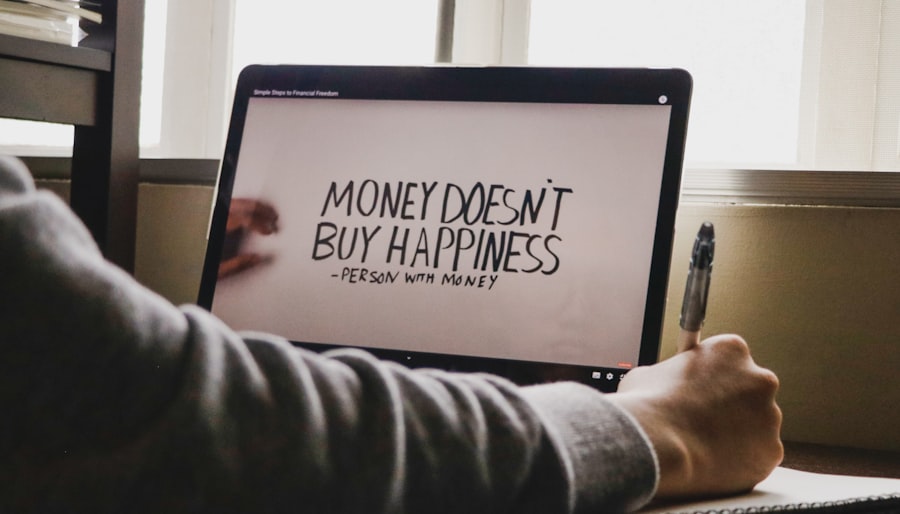
Your financial standing doesn’t just affect how you think; it also subtly reorders your values and priorities. What once seemed critically important might fade in significance, replaced by new aspirations and concerns.
The Shift from Survival to Self-Actualization
For those who have experienced financial hardship, the primary focus often lies on survival: securing food, shelter, and basic necessities. However, as wealth accumulates, this fundamental focus shifts.
The Pursuit of Meaning and Purpose
Once survival is assured, the human psyche naturally gravitates towards higher-order needs. For the wealthy, this often translates into a pursuit of meaning, purpose, and self-actualization. You might become more invested in leaving a legacy, contributing to society through philanthropy, or pursuing passions that were previously unattainable due to financial constraints. This shift from “having” to “being” is a significant value reordering.
The Erosion of Materialistic Goals
Ironically, for some, extreme wealth can lead to a reduction in materialistic desires. When you can have anything you want, the novelty of acquiring possessions can wear off. The pursuit of happiness then shifts from material accumulation to experiences, relationships, and personal growth. You might find yourself valuing time, health, and meaningful connections over the latest gadgets or luxury items.
The Re-evaluation of Social Responsibility
Your understanding of your role in society and your responsibility towards others can also be profoundly influenced by wealth.
Philanthropy as a Duty or an Option
For many with significant wealth, philanthropy becomes a key consideration. However, the motivation and approach can differ. For some, it’s seen as a social duty, a way to give back and address societal issues. For others, it might be viewed as an optional endeavor, a way to enhance their personal brand or fulfill a philanthropic interest. The impact of wealth on your sense of social responsibility is a complex and often personal journey.
The “Us vs. Them” Divide
In some cases, wealth can inadvertently foster an “us vs. them” mentality. This isn’t always about conscious prejudice, but rather a subtle separation from those who do not share your economic standing. This can manifest in discussions about social policies, economic inequality, or the allocation of resources. Your perspective might naturally lean towards solutions that protect your own interests and those of your peer group, sometimes at the expense of a broader, more inclusive societal vision.
The Power of Privilege: How Wealth Opens Doors

Beyond the internal shifts, the external realities of wealth are undeniable. It acts as a powerful lubricant, smoothing out obstacles and opening doors that remain firmly shut for others. This privilege shapes your experiences in tangible and significant ways.
Access to Opportunities and Resources
The most obvious manifestation of the wealth effect is the unparalleled access it grants to opportunities and resources.
Education and Skill Development
You can afford the best education for yourself and your children, from top-tier schools and universities to specialized tutors and enrichment programs. This creates a distinct advantage in acquiring knowledge and developing skills, setting a trajectory for future success.
Healthcare and Well-being
Access to superior healthcare, personalized wellness programs, and preventative treatments can significantly impact your quality of life and longevity. The ability to proactively manage your health, rather than reactively address illness, is a profound privilege.
Networks and Connections
Wealth often correlates with access to influential networks and connections. These social capital resources can provide invaluable mentorship, career advancement opportunities, and access to insider information, further solidifying your position.
The Freedom to Fail (and Learn)
A critical, yet often overlooked, aspect of the wealth effect is the freedom to fail. When you have a financial safety net, a failed venture or a poor decision doesn’t carry the same catastrophic weight.
The Luxury of Experimentation
You can afford to experiment, to try new things, and to learn from mistakes without facing ruin. This iterative process of trial and error is crucial for innovation and personal growth, a luxury not afforded to those who cannot absorb significant financial losses.
Resilience Through Financial Security
This ability to bounce back from setbacks builds a unique kind of resilience. It’s not about being immune to disappointment, but about possessing the confidence that you can weather storms and emerge stronger, knowing that your fundamental stability is not at stake.
Wealth can significantly alter an individual’s mindset, influencing their perceptions, decisions, and interactions with others. For a deeper understanding of this phenomenon, you may find it insightful to explore the article on how wealth shapes our thoughts and behaviors. This resource delves into the psychological implications of financial status and offers a comprehensive analysis of the topic. You can read more about it in this related article.
Navigating the Wealth Effect: Cultivating Awareness and Empathy
| Aspect | Impact |
|---|---|
| Attitude towards risk | May become more risk-averse due to fear of losing wealth |
| Perception of success | May equate wealth with success and happiness |
| Generosity | May lead to increased charitable giving |
| Stress levels | May experience stress related to maintaining or growing wealth |
| Long-term planning | May focus on preserving wealth for future generations |
Understanding the wealth effect is not about demonizing wealth or those who possess it. Instead, it’s about recognizing its subtle yet pervasive influence and consciously working to mitigate its potential negative consequences.
The Importance of Self-Awareness
The first step in navigating the wealth effect is cultivating a deep sense of self-awareness.
Reflecting on Your Own Biases
You must be willing to honestly examine your own thoughts, attitudes, and behaviors. Are there instances where your financial standing has influenced your judgment or interactions in ways you hadn’t considered? Regular introspection is key.
Seeking Diverse Perspectives
Actively seek out perspectives from individuals with different socioeconomic backgrounds. Engage in conversations, listen to their experiences, and try to understand their challenges and triumphs. This exposure is crucial for broadening your understanding and challenging your own assumptions.
Cultivating Empathy and Social Responsibility
Empathy is not an inherent trait tied to wealth; it’s a cultivated skill.
Practicing Active Listening
When interacting with others, practice active listening. Focus on understanding their point of view, even if it differs from your own. Resist the urge to jump to conclusions or offer unsolicited advice.
Engaging in Meaningful Contribution
Find ways to meaningfully contribute to your community and society. This could be through volunteering your time, offering your expertise pro bono, or supporting causes you believe in. Genuine engagement helps to bridge divides and foster a sense of shared humanity.
The Conscious Choice to Remain Grounded
Ultimately, maintaining a grounded perspective in the face of wealth is a conscious choice. It requires continuous effort to stay connected to the realities of others and to remember that financial success is just one facet of a rich and complex life. By understanding the wealth effect, you can harness its power for positive change while remaining connected to the values that truly matter.

You Hit $1 Million… So Why Doesn’t It Feel Like Enough?
FAQs
1. How does wealth change your mindset?
Wealth can change a person’s mindset by increasing feelings of security and confidence, leading to a more optimistic outlook on life. It can also influence decision-making and priorities, as well as impact social interactions and relationships.
2. What are the potential negative effects of wealth on mindset?
Wealth can lead to a sense of entitlement, decreased empathy, and a skewed perception of reality. It may also create additional stress and pressure to maintain or increase wealth, leading to anxiety and dissatisfaction.
3. How does wealth impact decision-making and priorities?
Wealth can influence decision-making by providing more options and resources, leading to a focus on long-term goals and strategic planning. Priorities may shift towards financial security, investment opportunities, and lifestyle choices.
4. Can wealth affect social interactions and relationships?
Wealth can impact social interactions by influencing the types of activities and experiences available to individuals. It may also affect relationships by creating power dynamics, jealousy, and differences in lifestyle and values.
5. What are some ways to maintain a healthy mindset with wealth?
Maintaining a healthy mindset with wealth involves practicing gratitude, staying grounded, and prioritizing meaningful connections and experiences. It also includes giving back to others, seeking personal growth, and finding balance in life.