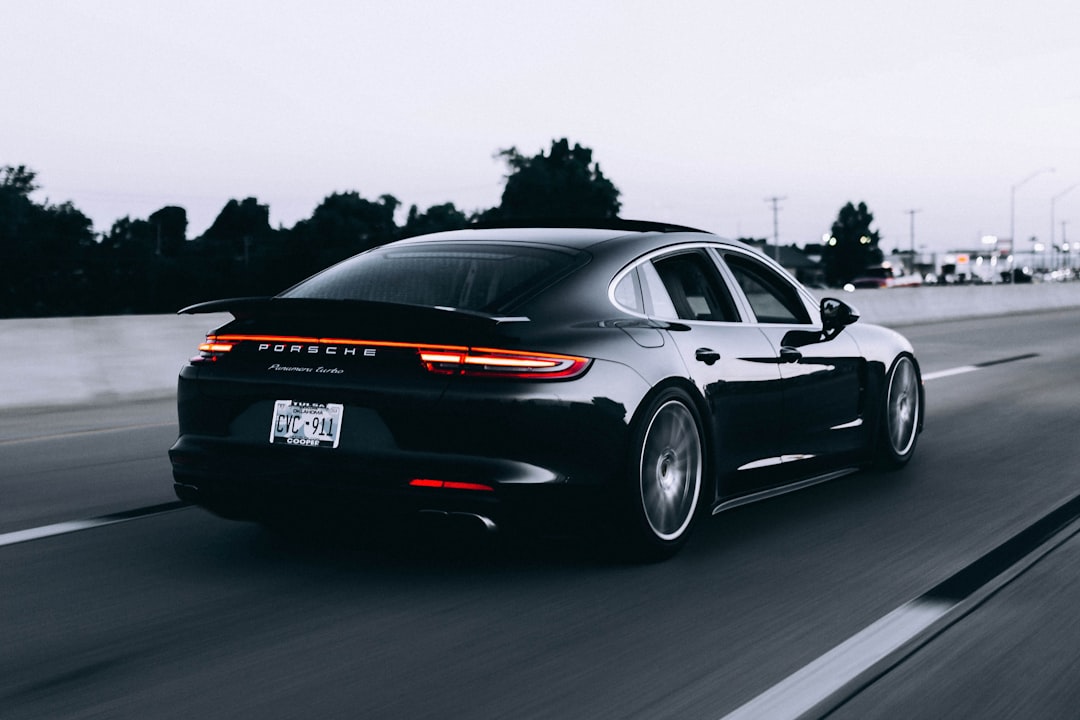
You dream of the gleaming chrome, the roar of the engine, the plush leather interior. You imagine pulling up to events, heads turning, a symbol of your success. Luxury cars. They whisper promises of status, sophistication, and an elevated lifestyle. But beneath that alluring facade often lies a truth far less glamorous: the wealth-destroying power of these automotive aspirations. You see them on the road, objects of envy, and perhaps you’ve even indulged in the fantasy of owning one yourself. It’s time to pull back the curtain and understand the significant financial drain these vehicles can represent, not as emblems of prosperity, but as silent assassins of your long-term financial well-being.
The desire for a luxury car is deeply ingrained in our culture. Advertisements paint a picture of effortless success, of a life lived without compromise. Think of those sleek campaigns featuring confident individuals driving through picturesque landscapes or arriving at exclusive gatherings. They’re selling an image, an aspiration, and you, as a consumer, are designed to buy into it. This isn’t just about transportation; it’s about self-expression, about what you want the world to perceive about you.
The Status Symbol Sedution
Let’s be honest, a luxury car screams “I’ve made it.” It’s a tangible representation of achievement, a way to visually communicate your perceived success to the world. The brand name itself evokes a certain prestige, carrying with it a history of craftsmanship, innovation, and exclusivity. From the iconic silhouette of a Porsche to the understated elegance of a Mercedes-Benz, these vehicles act as billboards for your financial standing, intended to garner respect and admiration.
The Psychological Comfort of Quality
There’s an undeniable tactile and experiential pleasure in driving a finely crafted automobile. The precision engineering, the superior materials, the advanced technology – all contribute to a driving experience that is undeniably more refined than your average sedan. You’re not just being transported; you’re being coddled, surrounded by an environment designed for comfort and sensory pleasure. This can create a psychological comfort, a feeling of being rewarded for your hard work, which is difficult to dismiss.
The Temptation of the “Newest” and “Best”
The automotive industry thrives on innovation. Luxury car manufacturers are always pushing the boundaries, introducing the latest advancements in technology, safety, and performance. This constant evolution creates a perpetual cycle of desire. You see the cutting-edge features in the newest model, and suddenly, your perfectly functional current car feels outdated and inadequate. The temptation to always have the newest and best is a powerful driver, and luxury brands are masters at stoking that fire.
Luxury cars are often seen as symbols of success and status, but they can also be significant drains on personal wealth. In a related article, the financial implications of owning high-end vehicles are explored in depth, highlighting how depreciation, maintenance costs, and insurance can quickly outweigh any perceived benefits. For more insights on this topic, you can read the article at How Luxury Cars Destroy Wealth.
The Downward Spiral: The True Cost of Ownership
The sticker price is just the tip of the iceberg. Once you drive that luxury vehicle off the lot, its value begins to plummet, and the expenses associated with its upkeep can quickly mount, turning your dream car into a financial nightmare.
The Devastating Reality of Depreciation
This is perhaps the most significant wealth-destroying aspect of luxury car ownership. Unlike essential assets that tend to hold or even increase their value over time, most luxury cars depreciate at an astonishing rate. The moment you purchase one, it loses a substantial portion of its value. Within the first year, a new luxury car can lose 20% or more of its purchase price. Over three to five years, that depreciation can easily reach 50% or more. This isn’t just a theoretical number; it’s money disappearing into thin air. If you were to sell your luxury car after only a few years, you would likely take a considerable financial hit, far greater than you would with a more mainstream vehicle. This depreciation is a constant, unseen tax on your wealth, eroding its foundation with every passing mile.
Exorbitant Insurance Premiums
Insuring a luxury car is a different ballgame altogether. The higher the value of the vehicle, the more expensive it is to insure. Manufacturers use premium parts and cutting-edge technology, meaning repairs are significantly more costly. Insurers factor in the increased risk of theft due to their desirability and the higher payout in case of a total loss. You’re not just paying for coverage; you’re paying for the privilege of owning a vehicle that commands exorbitant repair bills and a higher replacement cost. This ongoing expense can be hundreds, even thousands, of dollars more per year compared to insuring a more modest car.
Costly Maintenance and Repairs
The engineering that makes a luxury car exceptional also makes its maintenance and repairs extraordinarily expensive. Specialized mechanics are required, often trained specifically for particular makes and models. The parts themselves are premium-priced. A simple oil change might cost significantly more than in a standard vehicle. And when something goes wrong, a seemingly minor repair can balloon into a major expense. Imagine needing to replace an intricate headlamp assembly or a complex electronic component; these are not items a general mechanic can fix, and the dealerships will charge a premium for their expertise and the genuine parts. You are essentially paying for the privilege of higher repair bills, year after year, indefinitely.
Fuel Consumption and Other Running Costs
While some luxury vehicles boast impressive fuel efficiency for their class, many still consume more fuel than their less opulent counterparts. This might seem like a minor point, but when you consider the total cost of ownership over several years, the incremental increase in fuel expenses can add up. Beyond fuel, consider other running costs such as premium tire replacements, specialized fluids, and the occasional software update that might be required. Each of these seemingly small expenditures contributes to the overall financial burden.
The Opportunity Cost: What You’re Giving Up
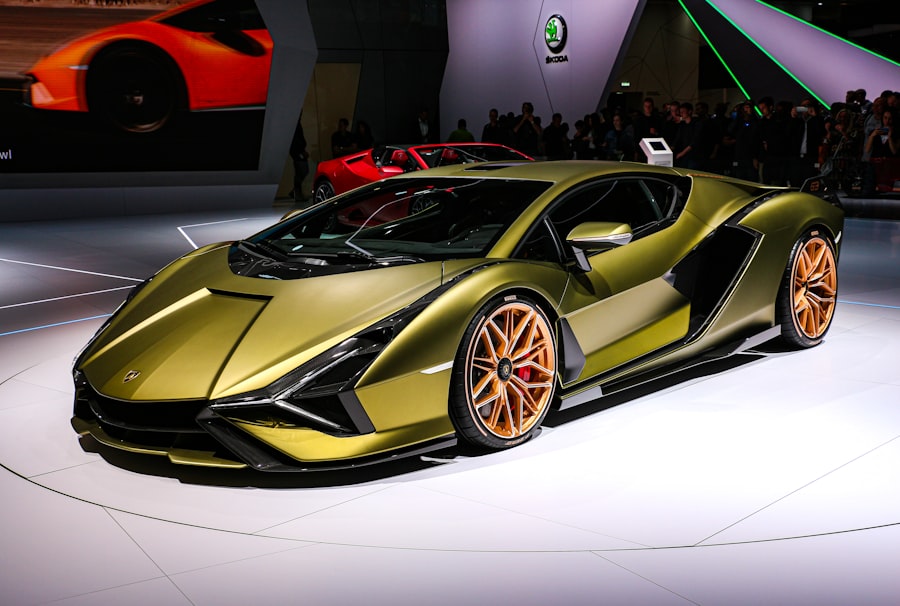
The money spent on a luxury car isn’t just gone; it’s money that could have been working for you, growing your wealth and providing financial security. You’re making a trade-off, and often, it’s a poor one.
Lost Investment Potential
This is the core of the wealth-destroying equation. Every dollar you spend on a luxury car – the purchase price, the interest on a loan, the inflated insurance, the costly maintenance – is a dollar that could have been invested elsewhere. Imagine that $80,000 luxury SUV. If you invested that money in a diversified portfolio earning a conservative 7% annual return, over ten years, that initial investment could grow to nearly $160,000. Now, consider the depreciation of that car. In ten years, it might be worth less than $20,000. You have effectively lost over $140,000 in potential wealth accumulation. The longer you hold onto the car, the greater the opportunity cost becomes.
Delayed Financial Goals
Your aspirations for financial freedom – buying a home, retiring comfortably, funding your children’s education – become significantly harder to achieve when a substantial portion of your income is funneled into a depreciating asset. That down payment on a house, the additional contributions to your retirement fund, the emergency savings cushion – these are all sacrificed on the altar of automotive luxury. The dream of financial independence can be pushed further and further into the distance by the relentless demands of keeping that luxury vehicle on the road.
Increased Debt Burden
For many, financing a luxury car means taking on a significant amount of debt. These loans often carry higher interest rates and longer repayment terms, further amplifying the cost of ownership. You’re not just paying for the car; you’re paying significant interest over many years, money that could have been used for savings or investment. This debt can become a significant albatross, hindering your ability to make other financial moves and increasing your overall financial risk.
The Psychological Trap: The Snowball Effect of Lifestyle Inflation
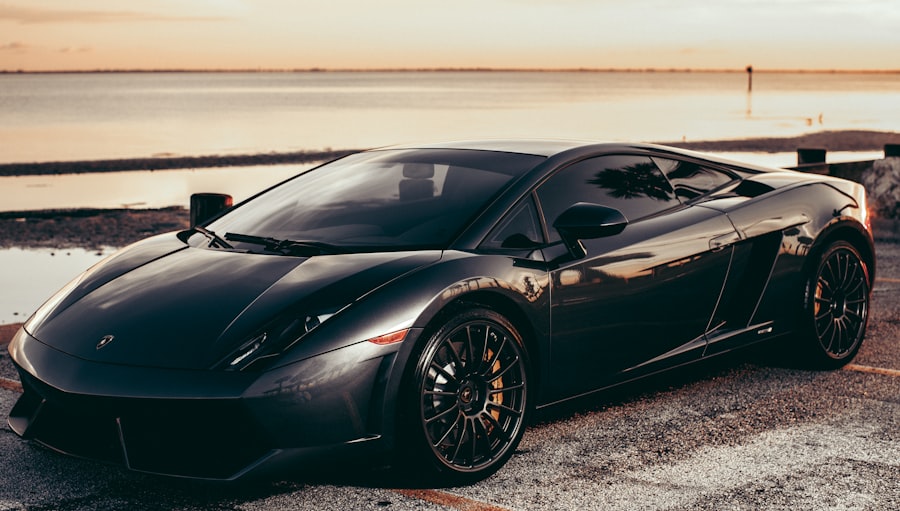
Luxury car ownership often goes hand-in-hand with lifestyle inflation, a phenomenon where your spending increases as your income rises, trapping you in a cycle of ever-increasing expenses.
The “Keeping Up With the Joneses” Syndrome
Once you own a luxury car, you’re exposed to a different social circle, one that often involves other luxury possessions and experiences. This can create a pressure to maintain a certain image. You might feel compelled to upgrade your wardrobe, your home furnishings, or your vacation destinations to match your new vehicle. This “keeping up with the Joneses” mentality is a powerful driver of overspending, leading you down a path of escalating expenses that are difficult to escape.
The Normalization of Extravagance
What once seemed like an extravagant purchase can, over time, become your new normal. The initial thrill of owning a luxury car can fade, replaced by a sense of entitlement. You become accustomed to the finer things, and the idea of reverting to a more modest lifestyle can feel like a step backward. This normalization of extravagance makes it incredibly challenging to curb spending and rein in the financial drain of your luxury vehicle.
The Emotional Pendulum: Envy and Dissatisfaction
Ironically, the very pursuit of happiness and status through a luxury car can lead to dissatisfaction. You might start comparing your car with others, always seeking the next best thing. The initial joy can be replaced by a constant feeling of lacking, a never-ending quest for the ultimate automotive status symbol. This emotional pendulum, swinging between envy and fleeting satisfaction, is a testament to the psychological trap of luxury consumption.
Luxury cars are often seen as symbols of success and status, but they can also be significant drains on personal finances. Many buyers fail to consider the rapid depreciation of these vehicles, which can lead to a substantial loss of wealth over time. For a deeper understanding of how such purchases can impact financial health, you might find this article on wealth management insightful. It explores the hidden costs associated with luxury items and offers strategies for preserving wealth. To read more, click here.
Smart Alternatives: Achieving Your Aspirations Without Financial Ruin
“`html
| Aspect | Impact |
|---|---|
| Depreciation | High initial value loss |
| Maintenance | Expensive parts and service |
| Fuel Efficiency | Poor gas mileage |
| Insurance | Higher premiums |
| Taxes | Higher luxury vehicle taxes |
“`
You don’t have to give up on your automotive dreams entirely. There are intelligent ways to enjoy a premium driving experience without sabotaging your financial future.
The Power of Pre-Owned Luxury
The fastest depreciation occurs in the first few years of a car’s life. This means that a certified pre-owned luxury vehicle can offer a significant discount off the original sticker price, while still providing many of the benefits of a newer car. You can often find vehicles that are only a couple of years old, still have low mileage, and are in excellent condition, all at a fraction of the cost of a brand-new model. This is a smart way to own a premium automobile without bearing the brunt of the steepest depreciation.
Smart Leasing Options
For those who value driving a new vehicle every few years, carefully considered leasing can be an option. However, you must understand the terms and limitations. Compare leasing costs to the total cost of ownership of purchasing. Be mindful of mileage restrictions and potential fees for wear and tear. Leasing can allow you to experience a luxury car without the long-term commitment and depreciation associated with ownership, but it’s crucial to approach it with a clear understanding of the financial implications.
Focusing on Value Over Brand Hype
Consider vehicles that offer excellent build quality, advanced features, and a refined driving experience without the exorbitant price tag of the most exclusive brands. Many mainstream manufacturers produce highly capable and luxurious vehicles that offer a fantastic bang for your buck. You can often find models with premium interiors, advanced technology, and comfortable rides at a significantly lower cost, allowing your money to go further and avoid the excessive premiums associated with certain luxury marques.
Prioritizing Financial Goals
Ultimately, the most powerful antidote to the wealth-destroying power of luxury cars is to prioritize your long-term financial goals. When you have a clear vision of what you want to achieve financially – a comfortable retirement, financial independence, the ability to support your family – the allure of a depreciating asset becomes less compelling. Educate yourself on the principles of smart investing and wealth building. Understand the power of compound interest and the long-term benefits of saving and investing diligently.
You see, the dream of a luxury car is a seductive one. But the reality, for many, is a financial quicksand. By understanding the true costs involved, the hidden expenses, and the devastating impact of depreciation, you can make informed decisions. You can choose to pursue your automotive desires in a way that enhances your life, rather than drains your resources. The true measure of wealth isn’t about what you drive, but about the financial freedom and security you build for yourself, for your future, and for your peace of mind. Don’t let the gleam of chrome blind you to the lasting value of sound financial judgment.

The Hidden Cost of Owning a Luxury Car
FAQs
What are the costs associated with owning a luxury car?
Luxury cars come with high purchase prices, expensive maintenance and repair costs, and higher insurance premiums. Additionally, luxury cars depreciate at a faster rate than non-luxury vehicles, leading to significant financial losses for the owner.
How do luxury cars contribute to wealth destruction?
Luxury cars contribute to wealth destruction through their high initial purchase price, rapid depreciation, and ongoing maintenance and repair costs. These factors can lead to significant financial strain and loss of wealth for the owner over time.
What are some alternatives to owning a luxury car?
Some alternatives to owning a luxury car include purchasing a reliable non-luxury vehicle, leasing a car, or using alternative transportation methods such as public transit, biking, or car-sharing services. These alternatives can help individuals save money and preserve their wealth.
What are the long-term financial implications of owning a luxury car?
Owning a luxury car can have long-term financial implications such as decreased net worth, higher debt levels, and reduced ability to save and invest for the future. The ongoing costs associated with luxury car ownership can hinder an individual’s overall financial well-being.
How can individuals make informed decisions about purchasing a luxury car?
Individuals can make informed decisions about purchasing a luxury car by carefully considering the long-term costs, conducting thorough research on the specific make and model, and evaluating their own financial situation and goals. Seeking advice from financial professionals can also help individuals make wise choices when it comes to luxury car ownership.