
In the year 2026, you stand on the precipice of a future that once served as the bedrock of a nation’s aspirations. The concept of the “American Dream,” a tapestry woven with threads of upward mobility, homeownership, and a life of comfortable security, appears to be fraying at the seams. For many, the promise of a better tomorrow, a fundamental tenet of the American identity, now feels like a distant mirage. This is not a lament for a romanticized past, but a realistic assessment of the present landscape, a landscape shaped by evolving economic realities, shifting social structures, and a growing disconnect between aspiration and attainability. You are not alone in this observation; indeed, a significant portion of the population shares this unease, observing the erosion of opportunities and the increasing difficulty in realizing a life that the generations before you often took for granted.
The once-clear path to prosperity has become a labyrinth. The tangible markers of success that defined the American Dream for decades are now far more elusive, much like trying to grasp smoke. The economic engines that once powered broad-based prosperity have sputtered, leaving many to question their ability to secure the fundamental building blocks of financial stability.
The Ascendance of the Gig Economy and Precarious Employment
You are likely familiar with the rise of the gig economy, a phenomenon that has reshaped the labor market. While offering flexibility for some, for many, it represents a precarious foothold in an increasingly unstable employment landscape. The traditional employer-employee relationship, once a cornerstone of job security, has been replaced by a multitude of short-term contracts and freelance assignments. This has led to a significant decline in access to benefits such as health insurance, retirement plans, and paid time off, essentials that were once considered standard. The absence of these safety nets creates a constant undercurrent of anxiety, a gnawing fear that a single unexpected event – an illness, a job loss – could unravel years of hard work. This unpredictability acts as a relentless tide, eroding the foundation of financial security that the American Dream was built upon.
- Declining Unionization and Bargaining Power: The steady decline in union membership over the past several decades has significantly weakened the collective bargaining power of workers. This has contributed to stagnant wages for many in the face of rising living costs. You can see this in action when individual workers are left to negotiate their terms in isolation, facing powerful corporate entities with far greater leverage.
- Wage Stagnation vs. Inflation: While nominal wages might show some growth, the purchasing power of those wages has been significantly eroded by inflation, particularly in critical sectors like housing, healthcare, and education. The dollars you earn simply don’t stretch as far as they used to, making it an uphill battle to get ahead.
- Automation and Job Displacement: The relentless march of automation continues to displace workers in various industries, from manufacturing to customer service. While new jobs may emerge in other sectors, the transition is often challenging, requiring new skills and training that are not readily accessible to everyone. This creates a binary of opportunity: some are poised to benefit from technological advancements, while others risk being left behind by its inexorable progress.
The Housing Affordability Crisis: A Dream Deferred
The image of owning a home, a white picket fence and a garden, has long been a potent symbol of the American Dream. However, in 2026, this vision is increasingly out of reach for a significant portion of the population. The dream has been replaced by the grim reality of soaring housing costs, transforming a cornerstone of aspiration into a formidable barrier.
- Skyrocketing Home Prices: In many urban and suburban areas, home prices have outpaced wage growth at an alarming rate. Buying a home, once a rite of passage, now often requires a substantial financial cushion that is unattainable for many. The market has become a fortress, with entry points only accessible to those already possessing significant capital.
- Rental Market Strain: As homeownership becomes less attainable, the demand for rental properties has surged, driving up rental costs. This creates a double bind: if you can’t afford to buy, you’re also struggling to afford to rent, leaving many in a perpetual state of housing insecurity. The rental market, once a stepping stone, has become a cage for those trapped by its escalating demands.
- The Impact on Generational Wealth: The inability to build equity through homeownership significantly hinders the accumulation of generational wealth. For those who can’t participate in this foundational aspect of wealth creation, the gap between them and those who can widens considerably, perpetuating cycles of economic disparity.
In exploring the themes presented in “The Disappearance of the American Dream 2026,” it is insightful to consider the related article on wealth accumulation and its implications for social mobility. This article delves into the factors contributing to the widening wealth gap and how they affect the realization of the American Dream for many individuals. For a deeper understanding of these issues, you can read more in this related article.
The Rising Tide of Educational Debt
The pursuit of higher education, once seen as a guaranteed pathway to a better future, has become a double-edged sword. While essential for many career paths, the escalating cost of education has saddled millions with debilitating debt, a heavy anchor that can weigh down dreams for decades.
The Burden of Student Loans
You are likely well aware of the crushing weight of student loan debt. For many, graduating from college or university is not a commencement into a life of opportunity, but rather a descent into a lifelong financial obligation. This debt acts as a constant drain on discretionary income, impacting decisions about starting families, purchasing homes, and saving for retirement.
- Interest Accumulation: The compounding interest on student loans can cause the initial debt to balloon significantly over time, making repayment an arduous and often seemingly impossible task. It’s like a relentless rain, each drop adding to the flood of your financial obligations.
- Impact on Career Choices: The pressure to repay loans can influence career choices, sometimes pushing individuals into higher-paying but less fulfilling jobs, or discouraging them from pursuing lower-paying but socially vital professions like teaching or public service. The dream of a fulfilling career is often supplanted by the stark reality of debt servicing.
- Intergenerational Debt Transfer: In some cases, the burden of student loan debt can extend to parents and even grandparents, creating a complex web of financial strain that impacts multiple generations. The dream is not just deferred for one, but can become a legacy of financial hardship passed down.
The Widening Skills Gap and the Value of Degrees
While a college degree remains a valuable asset, the landscape of required skills is constantly shifting. The return on investment for certain degrees has diminished, and the emergence of new industries often necessitates skills not traditionally acquired through higher education, creating a “skills gap.”
- The Rise of Alternative Education Pathways: Bootcamps, vocational training, and online certification programs are gaining prominence as more accessible and targeted pathways to in-demand skills. However, access to and recognition of these pathways can vary, leaving some behind.
- The Mismatch Between Education and Employment: In many sectors, there isn’t a direct correlation between the skills taught in traditional academic programs and the skills demanded by employers, leading to a disconnect that hinders both individual career progression and overall economic productivity.
The Erosion of Social Safety Nets

The safety nets that once helped to cushion the blows of economic hardship have been weakened, leaving more individuals vulnerable when they fall. The concept of shared responsibility for the well-being of citizens appears to be diminishing.
Underfunded Public Services
You can observe the strain on public services across the nation. Libraries, parks, public transportation, and other vital community resources often operate with limited funding, impacting the quality of life and opportunities available to all.
- Reduced Access to Essential Services: When public services are underfunded, access to essential resources like affordable childcare, mental health support, and public education is diminished, disproportionately affecting lower-income communities.
- Impact on Community Development: Thriving communities are built on robust public infrastructure and accessible services. The erosion of these can lead to urban decay and a decline in overall community well-being.
Shifting Social Welfare Policies
Changes in social welfare policies, including unemployment benefits, food assistance programs, and housing subsidies, have often seen reductions in eligibility or benefit levels. This can leave individuals and families struggling to meet their basic needs.
- The Inadequacy of Current Support Systems: For those who experience job loss or economic downturns, the current levels of support may not be sufficient to provide a genuine safety net, forcing difficult choices between rent, food, and healthcare.
- The Stigmatization of Assistance: In some societal narratives, receiving public assistance is framed as a personal failing rather than a response to systemic challenges, further marginalizing those who need support.
The Widening Chasm of Inequality
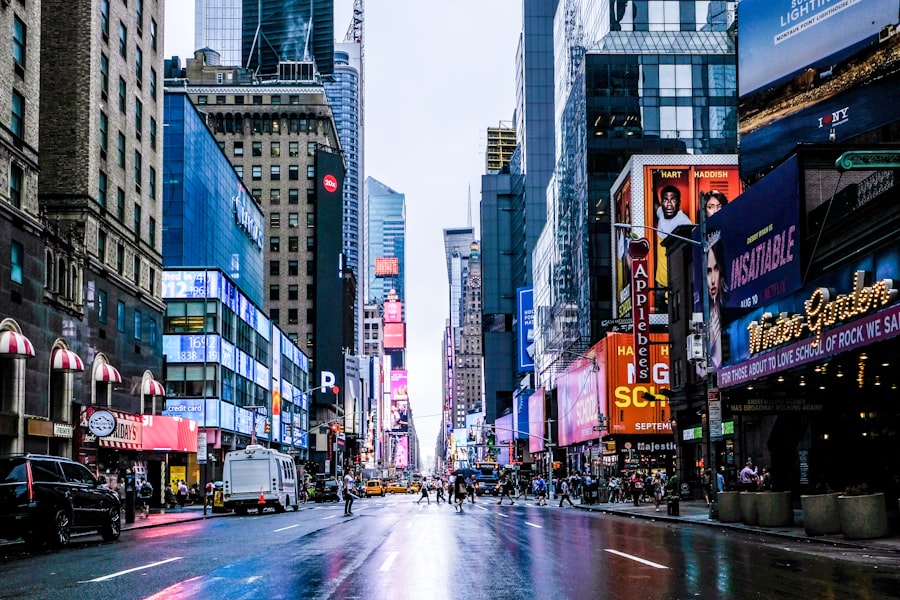
Perhaps the most pervasive threat to the American Dream is the ever-widening chasm of inequality. The gap between the wealthiest and the rest of the population is a gaping wound in the fabric of society, and it directly impacts the opportunities available to you and your neighbors.
Concentration of Wealth at the Top
You can see the evidence in financial reports and news headlines: a disproportionate amount of wealth is concentrated in the hands of a small percentage of the population. This concentration of capital limits its circulation within the broader economy and affects the overall distribution of opportunity.
- Impact on Political Influence: The vast wealth accumulated by a few can translate into significant political influence, potentially shaping policies in ways that further benefit the wealthy, creating a self-perpetuating cycle.
- Limited Upward Mobility for the Majority: When the bulk of economic gains accrue to those at the top, it becomes increasingly difficult for those starting from lower socioeconomic strata to climb the economic ladder, effectively locking many out of the traditional American Dream.
Disparities in Access to Quality Education and Healthcare
The quality of education and healthcare you receive is often tied to your socioeconomic status and geographic location. These disparities create a cycle of disadvantage that is difficult to break.
- Unequal Educational Opportunities: Schools in affluent areas often receive more funding and resources, leading to better educational outcomes for students from privileged backgrounds, while schools in lower-income areas contend with underfunding and fewer opportunities.
- Healthcare Disparities: Access to quality healthcare remains a significant challenge for many, with those lacking adequate insurance or financial resources facing poorer health outcomes and higher medical costs. This can be a cruel lottery, where your health and lifespan can be dictated by your economic standing.
In exploring the themes presented in “The Disappearance of the American Dream 2026,” one can gain further insights by examining the article on wealth accumulation strategies found at How Wealth Grows. This resource delves into the changing landscape of financial success and the factors that contribute to the evolving definition of the American Dream, highlighting the importance of understanding wealth dynamics in today’s society.
The Future of the Dream: Adaptation and Redefinition
| Metric | Value (2026) | Change Since 2000 | Notes |
|---|---|---|---|
| Median Household Income | 58,000 | -12% | Adjusted for inflation, showing decline in purchasing power |
| Homeownership Rate | 62% | -8% | Lower rates due to affordability and credit access issues |
| College Graduation Rate (Age 25-34) | 42% | +5% | Higher education attainment but rising student debt |
| Wealth Inequality (Top 10% Share) | 70% | +15% | Concentration of wealth increasing |
| Unemployment Rate | 6.5% | +1.2% | Higher than early 2000s, reflecting economic challenges |
| Social Mobility Index | 45 | -10 points | Lower mobility compared to previous decades |
| Percentage Living Below Poverty Line | 14.8% | +3.5% | Increase in poverty rates despite economic growth |
The challenges you face in 2026 are significant, but the narrative of the vanishing American Dream is not necessarily a story of inevitable decline. It is a call to adaptation and a redefinition of what success and fulfillment mean in the context of contemporary realities. The American Dream, at its core, was always about progress and opportunity; these elements can still exist, but their form and attainability require a critical re-evaluation.
The Evolution of Opportunity
The pathways to success may look different than they did in previous generations. Innovation and entrepreneurship, while always present, are becoming even more critical in navigating a dynamic economic landscape.
- Embracing Lifelong Learning: The need for continuous skill development and adaptation to new technologies is paramount. You must be willing to learn and adapt throughout your career.
- Fostering Entrepreneurial Spirit: While not for everyone, fostering an environment that encourages and supports small businesses and entrepreneurial ventures can create new avenues for economic growth and individual success.
The Importance of Community and Collective Action
The erosion of social safety nets and the rise of individualistic economic models highlight the enduring importance of community and collective action.
- Advocacy for Policy Changes: Engaging in civic discourse and advocating for policies that promote economic fairness, affordable housing, accessible education, and robust social safety nets is crucial. Your voice, when combined with others, can create powerful momentum for change.
- Strengthening Community Support Networks: Building and supporting local initiatives, co-operatives, and mutual aid networks can provide vital resources and a sense of solidarity in challenging times.
The American Dream in 2026 is not a finished product, but a work in progress, being reshaped by your experiences and your collective aspirations. It demands a clear-eyed assessment of its current state, a willingness to dismantle outdated notions, and a proactive commitment to building a future where opportunity and security are not exclusive privileges, but accessible realities for all who strive for them. Your journey in this evolving landscape is a testament to the resilience of the human spirit and the enduring capacity for progress, even when the path is steep and the horizon uncertain.
FAQs
What is the main focus of the article “The Disappearance of the American Dream 2026”?
The article examines the factors contributing to the decline of the American Dream by the year 2026, including economic, social, and political challenges affecting upward mobility and financial stability in the United States.
What key factors are identified as causing the disappearance of the American Dream?
Key factors include rising income inequality, stagnant wages, increasing cost of living, lack of affordable housing, student debt burdens, and limited access to quality education and healthcare.
How does the article define the American Dream in the context of 2026?
The American Dream is defined as the ideal that every individual has the opportunity for prosperity and success through hard work, including homeownership, stable employment, and upward social mobility, which the article argues is becoming increasingly unattainable.
What evidence or data does the article use to support its claims?
The article uses economic data such as wage growth statistics, housing market trends, poverty rates, and reports on social mobility, as well as expert analyses and surveys reflecting public perception of economic opportunity.
Does the article suggest any solutions or policy changes to address the disappearance of the American Dream?
Yes, the article discusses potential solutions including reforms in education funding, affordable housing initiatives, wage policy adjustments, healthcare access improvements, and measures to reduce income inequality to help restore opportunities for upward mobility.