You’ve always dreamed of it. The sculpted lines, the powerful engine, the hushed interior that whispers sophistication. Owning a luxury car isn’t just about getting from A to B; it’s a statement, an experience, a tangible manifestation of success. But have you ever truly considered what this dream costs beyond the initial sticker price? The allure of polished chrome and supple leather can blind you to the ever-present, and often exorbitant, realities of luxury car ownership. Prepare yourself, because we’re about to peel back the layers and reveal the true cost of your indulgence.
You’ve done your research, you’ve test-driven them all, and you’ve finally found “the one.” The showroom gleams, the sales associate is attentive, and the numbers on the paper seem manageable. But the price tag you see is merely the appetizer.
The Sticker Price Illusion
This is the most obvious cost, and it’s where the luxury brands truly flex their muscles. The engineering, the premium materials, the cutting-edge technology, the brand prestige – it all adds up to a significant markup compared to their non-luxury counterparts. You’re not just paying for a car; you’re paying for an experience, a status symbol, and a meticulously crafted piece of engineering.
Depreciation: The Silent Killer of Value
Much like any vehicle, luxury cars depreciate. However, the rate at which they do so can be staggering. A brand-new luxury sedan can lose a significant portion of its value in the first year alone. Think of it as a rapid shedding of your investment. While some limited-edition or classic models might hold their value, the vast majority of daily-driven luxury cars will see a sharp decline. This depreciation isn’t just on paper; it impacts your trade-in value and resale potential.
Taxes and Fees: The Government’s Cut
Beyond the MSRP, you’ll face a barrage of taxes and fees. Depending on your location, this can include sales tax (which on a high-value item becomes substantial), luxury taxes designed to penalize high-end purchases, registration fees (often higher for more expensive vehicles), and potential excise taxes. These are not optional; they are mandatory payments that add a significant percentage to your total out-of-pocket expense before you even turn the key.
Financing Costs: The Price of Borrowing
If you’re financing your dream machine, the interest you pay over the life of the loan is another considerable cost. The larger the principal amount, the more interest you accrue. Even a seemingly modest interest rate can add thousands of dollars to the total cost of ownership, especially on a long-term loan. You might be driving a beautiful car, but a significant chunk of your monthly payment is going to the bank, not to your asset.
When considering the costs associated with luxury car ownership, it’s essential to look beyond the initial purchase price. An insightful article that delves into the various expenses involved, such as maintenance, insurance, and depreciation, can be found at How Wealth Grows. This resource provides a comprehensive overview that can help potential buyers make informed decisions about their luxury vehicle investments.
The Ongoing Burden: The Price of Keeping It Pristine
Once you’ve driven your luxury car off the lot, the financial demands don’t cease. In fact, they begin a steady, and often relentless, march. Maintaining the exclusivity and performance of a luxury vehicle comes with a premium price tag.
Insurance Premiums: Protecting Your Investment (At a Cost)
This is a big one. Luxury cars are expensive to repair and replace, and insurance companies know this. Your premiums will be significantly higher than for a standard vehicle. This is due to a number of factors:
The Cost of Repairs: When Things Go Wrong
Even the most reliable luxury car can experience issues. And when they do, prepare for a shock. The specialized parts, the highly trained technicians required, and the often complex engineering mean that repairs can be astronomically expensive. A minor fender-bender can easily turn into a five-figure repair bill. Extended warranties might seem like a good idea, but they too come with a cost, and their coverage can be surprisingly limited.
Specialized Parts and Labor
Forget about popping down to your local mechanic for a quick fix. Most luxury brands require specialized parts that are often only available through authorized dealerships. These parts come with a significant markup. Furthermore, the labor rates for technicians who are certified to work on your specific make and model are considerably higher than standard automotive repair. Imagine paying $200 an hour for labor – that’s not uncommon for some high-end brands.
The “Tech Tax”
Modern luxury cars are packed with advanced technology – intricate infotainment systems, complex driver-assistance features, sophisticated engine management systems. While these enhance your driving experience, they also add a layer of complexity and cost to any repair. A malfunctioning sensor or a software glitch can be incredibly difficult and expensive to diagnose and fix. Replacing a premium audio system or a head-up display can feel like buying a new car all over again.
Routine Maintenance: The Premium Maintenance Schedule
Even without major repairs, the “little things” add up. Luxury cars typically have more stringent maintenance schedules with more frequent service intervals. Oil changes, filter replacements, fluid checks – all performed by authorized service centers at premium prices.
Frequent Service Intervals
Your luxury car might demand an oil change every 5,000 miles, unlike a conventional car that might stretch to 7,500 or even 10,000 miles. These more frequent visits to the dealership or specialized mechanic mean more trips, more downtime, and more money spent on labor and fluids. What might seem like a simple oil change on your old sedan could cost you hundreds of dollars on a luxury model.
Premium Fluids and Filters
The engines and systems in luxury cars are often designed with specific, high-performance fluids and filters. These aren’t your run-of-the-mill off-the-shelf items. They are engineered to meet the demanding specifications of your vehicle, and they come with a premium price tag. A synthetic oil that’s perfect for a high-performance engine will cost more than standard conventional oil.
Tire Costs: Round and Round They Go
Luxury cars often come with specialized tires designed for optimal performance, handling, and ride comfort. These tires are typically larger, more specialized, and significantly more expensive than standard tires.
Performance Tires and Larger Sizes
The unique tread patterns, higher speed ratings, and specialized compounds that define performance tires come at a premium. Furthermore, the larger wheel sizes favored by luxury car manufacturers mean larger and more expensive tires. Replacing a set of these can easily run into the thousands of dollars, a cost that seems to reappear with alarming regularity given their wear rate.
Frequent Replacement Due to Performance
The very performance that makes your luxury car thrilling can also lead to faster tire wear. Aggressive driving, high-performance braking, and the sheer power under the hood can grind down those expensive tires more quickly. You might find yourself replacing tires more frequently than you anticipate, especially if you’re not driving with the utmost restraint.
Fuel Consumption: The Thirsty Beast
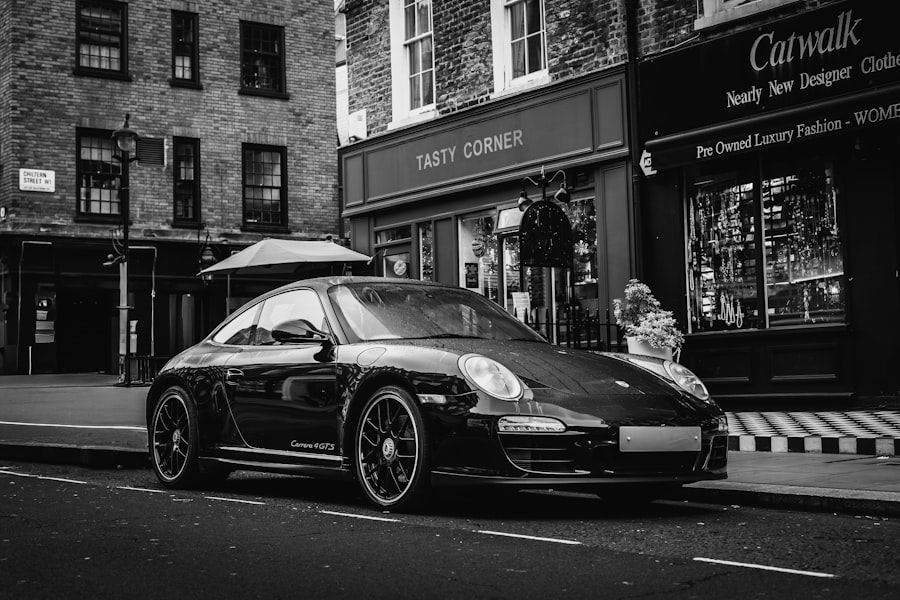
That powerful engine that gives you that exhilarating acceleration and commanding presence? It also has a voracious appetite for fuel.
Higher Fuel Consumption
Luxury cars, particularly those with high-performance engines, are often less fuel-efficient than their more common counterparts. The focus on power and speed at the expense of economy is a hallmark of many luxury vehicles.
Premium Fuel Requirements
Many luxury and high-performance engines are designed to run on premium unleaded gasoline. This is not just a suggestion; it’s often a necessity to prevent engine knocking and ensure optimal performance. Premium fuel consistently costs more per gallon than regular unleaded, adding another layer to your ongoing fuel expenditure.
The Environmental (and Financial) Footprint
Beyond the direct financial cost, consider the environmental impact of higher fuel consumption. You’re contributing more to carbon emissions, and the higher cost at the pump directly reflects a less efficient use of resources.
Depreciation Reimagined: The Long-Term Value Erosion
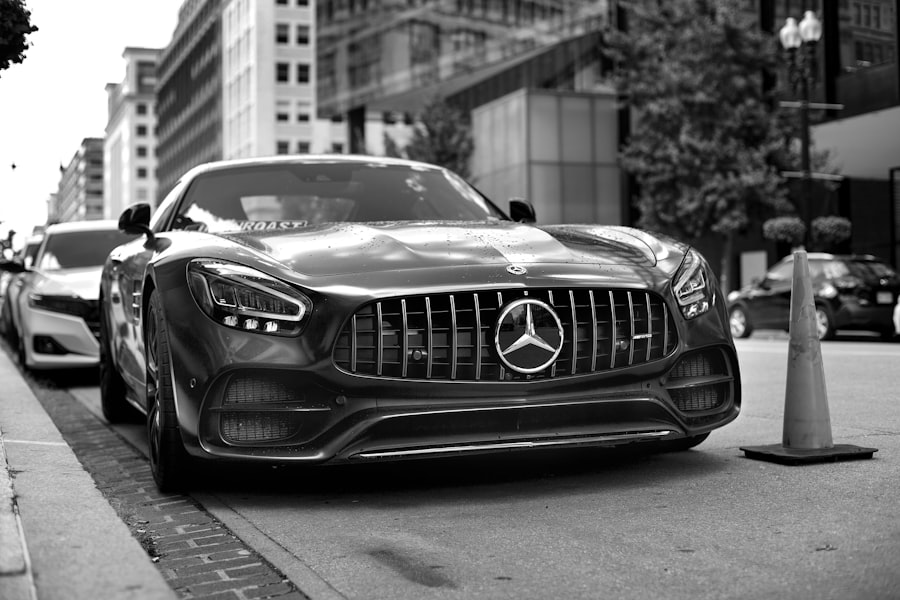
We touched on depreciation earlier, but it’s worth revisiting from a long-term perspective. The initial sharp drop is just the beginning of a sustained erosion of value.
The Slow Drain of Equity
As your luxury car ages, its market value continues to decline. While the rate may slow down after the first few years, it never truly stops. This means that the longer you own the car, the less equity you have in it. If you plan to sell it after five or ten years, the difference between what you paid and what you can sell it for will be substantial.
Obsolescence of Technology
Luxury car technology is constantly evolving. What is cutting-edge today will be commonplace, or even outdated, in a few years. The advanced infotainment system you paid a premium for might be surpassed by newer, more intuitive systems in subsequent model years, making your car feel dated.
The “Luxury Tax” on Resale
Even when you go to sell, you’ll often find that your luxury car doesn’t command the same proportion of its original price as a non-luxury vehicle. The market for used luxury cars can be more niche, and buyers are often looking for deals, further driving down resale values.
Owning a luxury car can be a dream come true for many, but it’s essential to consider the various costs associated with such an investment. From insurance premiums to maintenance expenses, the financial responsibilities can add up quickly. For a deeper understanding of these costs and how they can impact your overall budget, you might find this article on luxury car ownership costs helpful. It provides valuable insights and tips for potential buyers looking to navigate the financial landscape of owning a high-end vehicle. To explore more, check out the article here.
The Intangible Costs: The Emotional and Lifestyle Baggage
| Cost Category | Annual Cost |
|---|---|
| Insurance | 2,500 |
| Maintenance | 1,200 |
| Depreciation | 5,000 |
| Fuel | 2,000 |
| Registration | 500 |
Beyond the tangible, financial figures, owning a luxury car can also come with intangible costs that subtly impact your life.
The Pressure to Maintain the Image
There’s an unspoken expectation that comes with driving a luxury car. You might feel compelled to keep it impeccably clean, to park in the best spots, and to present an image of success and sophistication. This can manifest as a constant need for detailing, car washes, and a general anxiety about keeping the vehicle pristine, especially in less-than-ideal parking environments.
The Fear of Scratches and Dings
Every parking lot becomes a potential minefield. The fear of unsightly scratches, dings, or vandalism can lead to stress and a reluctance to take your car to certain places or to park in less secure locations. You might find yourself circling for hours searching for the “safest” spot.
The Constant Need for Upkeep
The pristine interior, the gleaming paintwork – these require continuous effort. You might find yourself spending more time washing, waxing, and cleaning to maintain that showroom shine. This effort translates to both time and money, as you invest in cleaning supplies or professional detailing services.
The Social Perception: Judgement and Expectations
You can’t escape the fact that a luxury car draws attention and often elicits judgements. Some people will see it as a symbol of success, while others might view it with envy or resentment. You might be perceived as wealthier than you are, leading to expectations or assumptions about your lifestyle and financial standing that may not be accurate.
The “You Can Afford It” Assumption
When you’re out with friends or colleagues, the assumption that you can foot the bill or cover the extra costs can become a recurring theme. This can lead to awkward social situations and a feeling of being pigeonholed by your vehicle.
The Pressure to Impress
The car itself becomes a tool for impressing others. You might feel a subtle pressure to use your car to project an image of success, even if it’s a financial strain to maintain that illusion.
The Reduced Practicality for Everyday Life
While luxurious, these cars are often not the most practical for everyday errands. Limited trunk space, lower ground clearance, and the aforementioned fear of damage can make them less ideal for hauling groceries, transporting children, or navigating rough terrain. You might find yourself needing a secondary, more practical vehicle for certain tasks, effectively doubling your ownership costs.
Limited Cargo Space
Many luxury sedans and coupes prioritize sleek design over spaciousness. The trunk might be surprisingly small, making it challenging to fit large items or multiple suitcases.
Lower Ground Clearance
The sporty stance and aerodynamic design of luxury cars often mean they have less ground clearance, making them vulnerable to scraping on speed bumps, steep driveways, or unpaved roads. This can limit where you can comfortably drive and maintain the integrity of your vehicle.
In conclusion, while the dream of owning a luxury car can be intoxicating, it’s essential to approach it with clear eyes and a realistic understanding of the financial and lifestyle implications. The initial purchase is just the beginning of a continuous financial commitment. From the exorbitant costs of maintenance and repairs to the relentless march of depreciation and the subtle pressures of image and perception, the true cost of luxury car ownership extends far beyond the sticker price. Before you sign on the dotted line, ask yourself: is the prestige and pleasure worth the ongoing price you’ll pay?

The Hidden Cost of Owning a Luxury Car
FAQs
What are the typical ownership costs associated with luxury cars?
Luxury car ownership costs typically include expenses such as higher insurance premiums, more expensive maintenance and repairs, and greater depreciation.
How much more expensive is insurance for luxury cars compared to regular cars?
Insurance for luxury cars is generally more expensive than for regular cars due to their higher value and the cost of repairing or replacing luxury car parts.
What are the maintenance and repair costs for luxury cars?
Maintenance and repair costs for luxury cars are typically higher than for regular cars due to the use of specialized parts and the need for more frequent servicing by trained technicians.
How does depreciation affect the overall cost of owning a luxury car?
Luxury cars tend to depreciate at a faster rate than regular cars, resulting in a higher loss of value over time and potentially increasing the overall cost of ownership.
Are there any additional costs associated with owning a luxury car?
In addition to insurance, maintenance, repairs, and depreciation, luxury car owners may also incur higher taxes and registration fees due to the higher value of their vehicles.