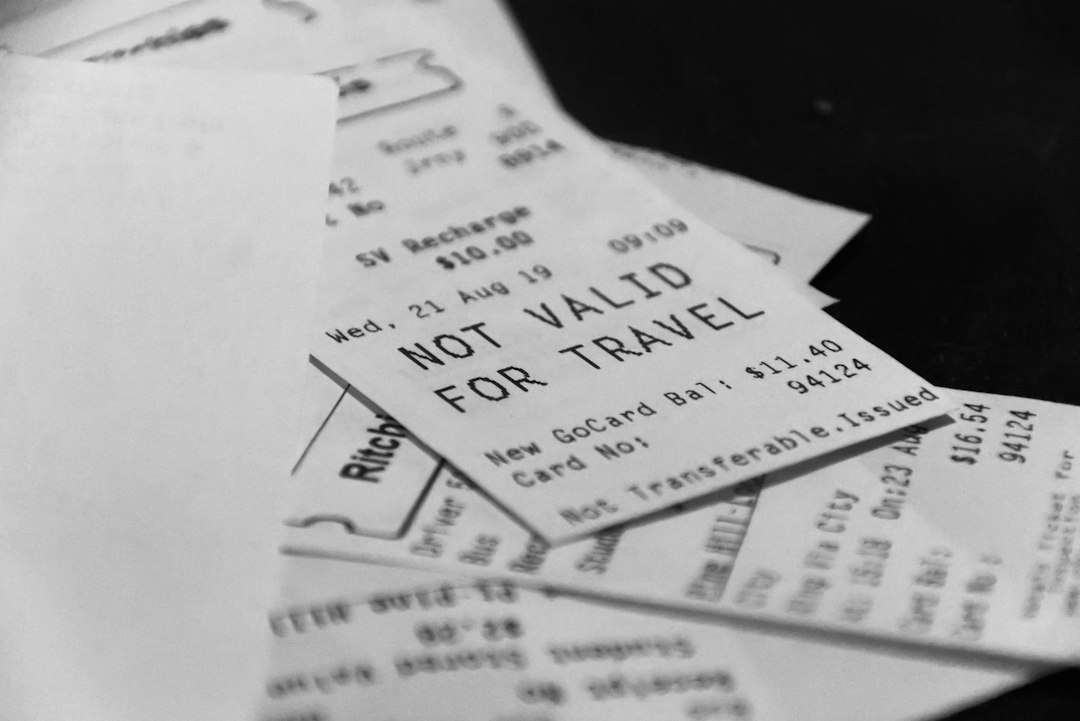
You wake up. The alarm blares, a jarring interruption to the precious few hours of sleep you managed to snatch. Before you’ve even had a chance to fully process the day ahead, a familiar sense of dread begins to creep in. It’s commute time. This daily ritual, often dismissed as a necessary evil, is silently draining your wallet, your energy, and your time. You might be meticulously tracking your grocery bills, your utility payments, and your rent, but have you truly calculated the annual cost of your commute? It’s a number that often surprises, a hidden expense that accumulates throughout the year, impacting your financial well-being in ways you might not have considered. This isn’t just about the price of gas or a bus ticket; it’s a multifaceted expenditure that extends far beyond the obvious. Understanding this true cost is the first step towards reclaiming your financial freedom and improving your quality of life.
The Tangible Toll: Direct Financial Outlays
Let’s start with the most obvious category: the direct financial costs you incur every single day to get from your home to your workplace and back again. These are the expenses that are most readily apparent, the ones you might grudgingly accept as part of the cost of earning a living. However, when you aggregate these seemingly small, daily expenditures over an entire year, the figures can be startling. It’s easy to overlook the cumulative effect of these regular payments, but they represent a significant portion of your discretionary income, money that could be allocated elsewhere – for savings, for investments, for experiences, or simply for enjoying life a little more.
Fueling Your Journey: The Cost of Gas or Electricity
If you drive, the price of fuel is likely your most significant daily expense. The fluctuating cost of gasoline means that this can be a particularly volatile part of your budget. Consider your car’s fuel efficiency, your daily mileage, and the current average price of gas in your region. Multiply that daily cost by the number of commuting days in a year. For instance, if your car gets 25 miles per gallon and you drive 40 miles round trip daily, that’s 1.6 gallons per day. If gas is $3.50 per gallon, that’s $5.60 per day. Over a 260-day work year, that amounts to $1,456 annually. This is a baseline, and many factors can push this figure higher. Idling in traffic, aggressive driving, and even carrying extra weight in your vehicle can reduce fuel efficiency, increasing your expenditure.
For electric vehicle owners, the cost might seem lower, but it’s not negligible. The price of electricity, while generally more stable than gasoline, still varies by region and time of day. You need to factor in the cost per kilowatt-hour (kWh) and how much electricity your EV consumes per mile. A typical EV might consume around 0.3 kWh per mile. If your daily commute is 40 miles, that’s 12 kWh. If electricity costs $0.15 per kWh, that’s $1.80 per day, or $468 annually. While this is significantly less than gasoline, it’s still an expense to consider, especially if you’re charging during peak hours or have a less efficient EV model.
The annual cost of commuting to work can significantly impact an individual’s budget, making it essential to understand the various expenses involved. For a deeper insight into this topic, you can refer to a related article that explores the financial implications of commuting and offers tips on how to manage these costs effectively. To learn more, visit this article.
Public Transportation: Fares and Passes
If you rely on public transportation, the cost structure is different, but the financial

Your $100,000 Job Takes More Back Than You Think

FAQs

What is the average annual cost of commuting to work?
The average annual cost of commuting to work in the United States is around $2,000 to $5,000 per year, depending on factors such as distance traveled, mode of transportation, and fuel prices.
What are some common expenses included in the annual cost of commuting?
Common expenses included in the annual cost of commuting to work may include gas or public transportation fares, vehicle maintenance and repairs, parking fees, tolls, and insurance premiums.
How does the distance traveled affect the annual cost of commuting?
The distance traveled to work directly impacts the annual cost of commuting, as longer commutes typically result in higher expenses due to increased fuel consumption, wear and tear on the vehicle, and potentially higher parking fees.
Are there ways to reduce the annual cost of commuting to work?
Yes, there are several ways to reduce the annual cost of commuting to work, such as carpooling, using public transportation, biking or walking to work, telecommuting, or negotiating flexible work hours to avoid peak commuting times.
How does the mode of transportation impact the annual cost of commuting?
The mode of transportation chosen for commuting can significantly impact the annual cost, with public transportation generally being more cost-effective than driving a personal vehicle due to lower fuel and maintenance expenses. Biking or walking to work can also be cost-saving options.