The allure of a manufactured home is undeniable. You’ve seen the brochures, the websites, the gleaming models showcased with manicured lawns and happy families. They promise affordability, a quick path to homeownership, and a lifestyle free from the perceived burdens of traditional site-built houses. You’re picturing it: your own space, tailored to your tastes, without the crushing weight of a mortgage that feels like it will last an eternity. But as you stand on the precipice of this decision, it’s crucial to look beyond the glossy surface. You need to understand the true cost, the hidden layers that lie beneath the attractive price tag, to ensure you’re not just buying a house, but investing wisely in your future.
The advertised price of a manufactured home is often what draws you in. It’s a siren song in a world of escalating real estate costs. However, this figure represents just the starting point of your financial commitment. You need to dissect what’s truly included and what’s not.
The Base Unit Cost
This is the advertised price you see. It covers the factory-built structure itself – the walls, roof, windows, doors, and basic interior finishes. Think of it as the raw ingredients of your home.
What’s Typically Included:
- The shell of the house.
- Standard interior finishes like basic flooring, cabinets, and countertops.
- Essential plumbing and electrical systems.
- Sometimes, basic appliances like a stove and refrigerator.
What’s Often NOT Included:
- Delivery and Installation: This is a significant cost that can vary wildly depending on the distance from the factory to your chosen site and the complexity of the terrain.
- Site Preparation: You’ll need to factor in costs for land clearing, excavation, foundation work (piers, concrete slab, or basement), utility hookups, and potentially grading.
- Set-up and Anchoring: Professional installation involves carefully placing the home on its foundation and securing it to meet stringent building codes. This requires specialized equipment and expertise.
- Decks, Porches, and Garages: These desirable additions are almost always extra. While they enhance your living space, they add to the overall expense.
- Landscaping and Outdoor Amenities: The pristine lawns you see in showrooms don’t magically appear. You’ll be responsible for landscaping, driveways, and any other outdoor features.
The Importance of a Detailed Itemized Quote
When you receive a quote, don’t just glance at the bottom line. You need to scrutinize every line item. A reputable dealership will provide a clear, itemized breakdown of all costs associated with your purchase. If they’re hesitant or vague, it’s a red flag. Ask for clarification on every charge, especially those related to delivery, installation, and site preparation. Remember, transparency here is key to avoiding unexpected expenses down the line.
When considering the true cost of a manufactured home, it’s essential to explore various factors that contribute to the overall expense, including land, utilities, and maintenance. For a deeper understanding of these financial implications, you can read a related article that provides valuable insights into the hidden costs associated with manufactured housing. Check it out here: The True Cost of a Manufactured Home.
Financing Your Dream: The Nuances of Manufactured Home Loans
Securing financing for a manufactured home can be more complex than for a traditional stick-built house. The lending landscape has its own set of rules and considerations that you need to be aware of.
Differences from Traditional Mortgages
Lenders often view manufactured homes as depreciating assets, which can impact interest rates and loan terms. This perception stems from various factors, including potential mobility and construction materials.
Factors Influencing Loan Approvals:
- Permanent Foundation: For many lenders, a permanent foundation is a non-negotiable requirement for financing. This means the home is intended to stay in its location.
- Land Ownership: If you own the land your manufactured home will sit on, your financing options will likely be more favorable. Renting land can complicate matters.
- Age and Condition of the Home: Older manufactured homes or those that haven’t been properly maintained may be more difficult to finance.
- Credit Score and Financial History: As with any loan, your creditworthiness plays a significant role in interest rates and loan approval.
Loan Types and Their Implications
You’ll encounter different types of loans, each with its own pros and cons. Understanding these differences is crucial for making an informed financial decision.
Chattel Loans:
- Definition: These are personal property loans, similar to car loans, used when you don’t own the land the home is situated on, or sometimes even when you do but the lender prefers this classification.
- Interest Rates: Chattel loans typically come with higher interest rates than traditional mortgages.
- Loan Terms: Shorter repayment periods are common, leading to higher monthly payments.
- Collateral: The home itself serves as collateral. If you default, the lender can repossess the home.
Traditional Mortgages:
- Requirements: Generally require the home to be permanently affixed to the land you own, meeting specific HUD (Housing and Urban Development) code requirements.
- Interest Rates: Often have lower interest rates and longer repayment terms compared to chattel loans.
- Lender Scrutiny: Lenders may be more cautious and conduct more thorough inspections of the home and its foundation.
The Importance of Shopping Around
Don’t accept the first financing offer you receive. Explore options from banks, credit unions, and specialized manufactured home lenders. Compare interest rates, loan terms, fees, and any associated insurance requirements. A little research here can save you a substantial amount of money over the life of your loan.
Hidden Costs of Ownership: Beyond the Monthly Payment
The monthly mortgage payment is only one piece of the financial puzzle. As a manufactured home owner, you’ll encounter ongoing costs that can sometimes catch people by surprise.
Land Costs: Owning vs. Renting
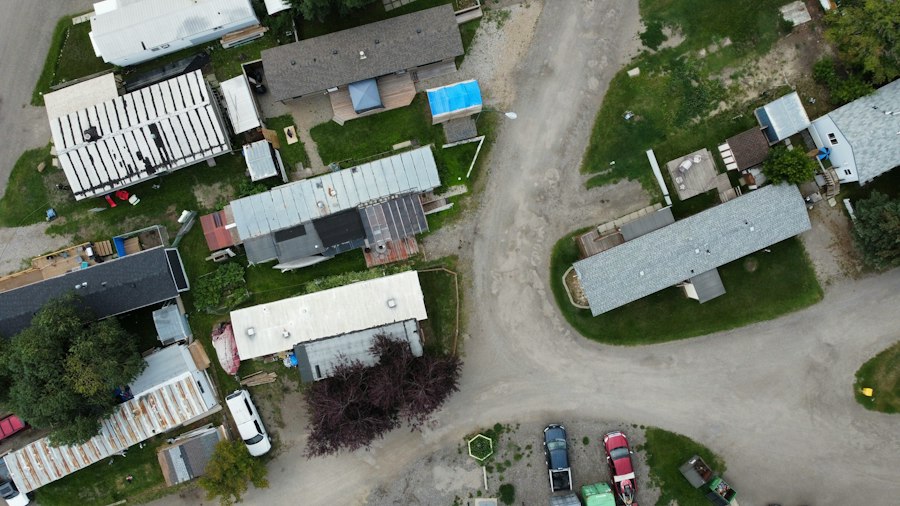
The decision of whether to own your land or rent a space in a manufactured home community significantly impacts your long-term expenses.
Owning Your Land:
- Pros: Greater control over your property, potential for equity building, freedom to customize.
- Cons: Upfront cost of purchasing land, property taxes, maintenance of the land.
Renting Land in a Community:
- Pros: Often more affordable upfront, community amenities, shared maintenance responsibilities for common areas.
- Cons: Monthly lot rent, potential for rent increases, less control over your surroundings, community rules and regulations.
Lot Rent: The Ongoing Obligation
If you opt to rent a lot in a manufactured home community, the monthly lot rent is a recurring expense that you must budget for.
What Lot Rent Typically Covers:
- The use of the land your home sits on.
- Access to community amenities like clubhouses, pools, and recreational facilities.
- Sometimes, basic utilities like water, sewer, or trash removal (though this varies greatly).
Potential for Increases:
It’s crucial to understand the community’s policy on rent increases. Some communities have caps on annual increases, while others can raise the rent significantly. Always inquire about this before signing any lease agreements.
Utilities and Maintenance: Your Responsibility
Just like any home, manufactured homes require utilities and ongoing maintenance. The specific costs can vary based on your location, the age of the home, and your usage habits.
Utility Costs:
- Electricity, Gas, Water, Sewer, Trash: These are standard utility expenses you’ll be responsible for. The efficiency of your manufactured home’s insulation and appliances will impact your energy consumption.
- Internet and Cable: Standard service fees apply.
Maintenance and Repairs:
- Routine Maintenance: This includes tasks like cleaning gutters, checking seals around windows and doors, and maintaining your HVAC system.
- Unexpected Repairs: Like any home, manufactured homes can experience plumbing issues, appliance malfunctions, or roofing problems. The cost of these repairs can be substantial.
- Depreciation: While not a direct cost, you need to be aware that manufactured homes can depreciate in value over time, especially if they are not well-maintained. This is a critical factor if you ever plan to sell.
Resale Value and Depreciation: A Long-Term Perspective
When you invest in a home, you typically expect it to hold its value, and perhaps even appreciate over time. For manufactured homes, this isn’t always the case, and understanding depreciation is vital for your long-term financial health.
The Depreciation Factor
Unlike traditional site-built homes that are often built on permanent foundations and considered real estate, manufactured homes have historically been viewed by the market and lenders as personal property. This distinction significantly impacts their resale value.
Why Depreciation Occurs:
- Mobility: The very nature of being able to be moved, even if it’s rarely done, can contribute to the perception of being less permanent than a stick-built home.
- Construction Materials and Methods: While modern manufactured homes are built to rigorous standards, the materials and assembly line process can sometimes lead to a perceived lower quality compared to custom-built homes.
- Stigma: Unfortunately, a lingering stigma from older, less durable manufactured homes can still influence market perception.
- Land vs. Home: When a manufactured home is placed on rented land, the value of the home itself is what’s being assessed, not the underlying land, which is not yours to own or benefit from appreciation.
Factors Influencing Resale Value
While depreciation is a factor, it’s not the whole story. Several elements can influence how much your manufactured home is worth when it’s time to sell.
Location and Lot:
- Owned Land: If you own the land your manufactured home sits on and have improved the property, the overall value will be higher than if you are renting a lot.
- Manufactured Home Communities: The desirability of the community, its amenities, and the lot itself can impact resale value. Well-maintained and sought-after communities generally offer better resale potential.
Age and Condition:
- Maintenance: A well-maintained home, both inside and out, will always command a higher price. Regular inspections and prompt repairs are crucial.
- Upgrades and Renovations: Modernizing kitchens and bathrooms, updating flooring, or adding energy-efficient features can significantly boost your home’s appeal and value.
Market Demand:
- Local Real Estate Market: The overall health of the local housing market will inevitably influence the demand for manufactured homes.
- Affordability: In areas with high housing costs, manufactured homes can remain a popular and sought-after option, driving up demand and prices.
The Importance of Proper Maintenance and Upgrades
To mitigate depreciation and maximize your home’s resale value, proactive maintenance is non-negotiable. Regular cleaning, timely repairs, and addressing cosmetic issues are essential. Furthermore, consider strategic upgrades that appeal to modern buyers. Think about energy-efficient windows, updated kitchen appliances, and appealing landscaping. These investments can pay dividends when it comes time to sell.
When considering the true cost of a manufactured home, it’s essential to explore various factors that contribute to the overall expense, including land, utilities, and maintenance. A related article that delves deeper into the financial implications of homeownership can provide valuable insights. For more information, you can read about it in this comprehensive guide on how wealth grows. Understanding these elements can help potential buyers make informed decisions about their investments.
The Long-Term Financial Picture: Is it Truly Affordable?
| Cost Component | Average Cost | Description |
|---|---|---|
| Base Price of Manufactured Home | 50,000 – 100,000 | Cost of the home itself before any additional expenses |
| Land Purchase or Lease | 10,000 – 50,000 | Cost to buy land or lease a lot in a manufactured home community |
| Site Preparation | 5,000 – 15,000 | Clearing, leveling, and preparing the land for installation |
| Transportation and Delivery | 1,000 – 5,000 | Cost to transport the home from factory to site |
| Installation and Setup | 3,000 – 10,000 | Foundation, anchoring, utility hookups, and assembly |
| Permits and Fees | 500 – 3,000 | Local government permits and inspection fees |
| Utility Connections | 2,000 – 7,000 | Water, sewer, electricity, and gas hookups |
| Insurance | 500 – 1,500 per year | Homeowner’s insurance specific to manufactured homes |
| Maintenance and Repairs | 1,000 – 3,000 per year | Ongoing upkeep costs |
| Property Taxes | Varies by location | Annual taxes based on land and home value |
When you started exploring manufactured homes, affordability was likely your primary driver. But the true cost extends far beyond the initial purchase price. You need to consider the entire financial lifecycle of owning a manufactured home to make a truly informed decision.
Comparing to Traditional Housing
It’s natural to compare the cost of a manufactured home to a site-built house. While the upfront difference can be significant, the long-term financial implications can be more nuanced.
Initial Cost Savings:
- The lower purchase price of a manufactured home is its most attractive feature. This can allow you to enter homeownership sooner or with less debt.
Potential for Higher Long-Term Costs:
- Higher Interest Rates: As discussed, financing for manufactured homes can come with higher interest rates, leading to more paid in interest over the life of the loan.
- Depreciation: If your manufactured home depreciates significantly, you might owe more on your loan than the home is worth, making it difficult to sell or refinance.
- Lot Rent: The ongoing expense of lot rent can accumulate over years, potentially exceeding the cost of property taxes on owned land in the long run.
- Maintenance and Repairs: While all homes require maintenance, the specific construction of some manufactured homes might lead to unique or more frequent repair needs.
The “Hidden” Interest Cost
When you consider the higher interest rates and potentially shorter loan terms associated with chattel loans, the total amount of interest you pay over the life of your loan can be substantial. This is a critical component of the “true cost” that often gets overlooked in the initial excitement.
The Emotional and Lifestyle Costs
Beyond the purely financial aspects, consider the emotional and lifestyle costs. Do you have the flexibility to make significant changes to your property? Are you comfortable with community rules and regulations? These are factors that contribute to your overall satisfaction and can have indirect financial implications (e.g., stress from unresolved disputes).
Making an Informed Decision
Ultimately, the “true cost” of a manufactured home is a deeply personal calculation. It depends on your financial situation, your priorities, and your risk tolerance. Do your due diligence. Speak to multiple lenders, research manufactured home communities thoroughly, and consult with financial advisors if necessary. By understanding all the facets of ownership, from the initial sticker price to the long-term depreciation, you can make a decision that aligns with your financial goals and leads to true homeownership satisfaction.

The $80,000 House You’re Not Allowed to Put Anywhere
FAQs
What is the true cost of a manufactured home?
The true cost of a manufactured home includes the initial purchase price, delivery and installation costs, land preparation expenses, utility connections, and ongoing maintenance and repair costs.
How does the cost of a manufactured home compare to a traditional site-built home?
Manufactured homes are generally more affordable than traditional site-built homes. The average cost of a manufactured home is significantly lower than that of a site-built home, making them a more budget-friendly housing option.
What are some hidden costs associated with owning a manufactured home?
Some hidden costs associated with owning a manufactured home include property taxes, insurance premiums, financing fees, and potential increases in utility bills. It’s important to consider these additional expenses when budgeting for a manufactured home.
Are there any financial incentives available for purchasing a manufactured home?
Some financial incentives for purchasing a manufactured home include government programs that offer low-interest loans, grants, or tax credits for first-time homebuyers. These incentives can help offset some of the costs associated with buying a manufactured home.
What factors can impact the overall cost of owning a manufactured home?
Factors that can impact the overall cost of owning a manufactured home include the location of the home, the quality of materials used in construction, the size and layout of the home, and ongoing maintenance and repair expenses. It’s important to carefully consider these factors when calculating the true cost of a manufactured home.