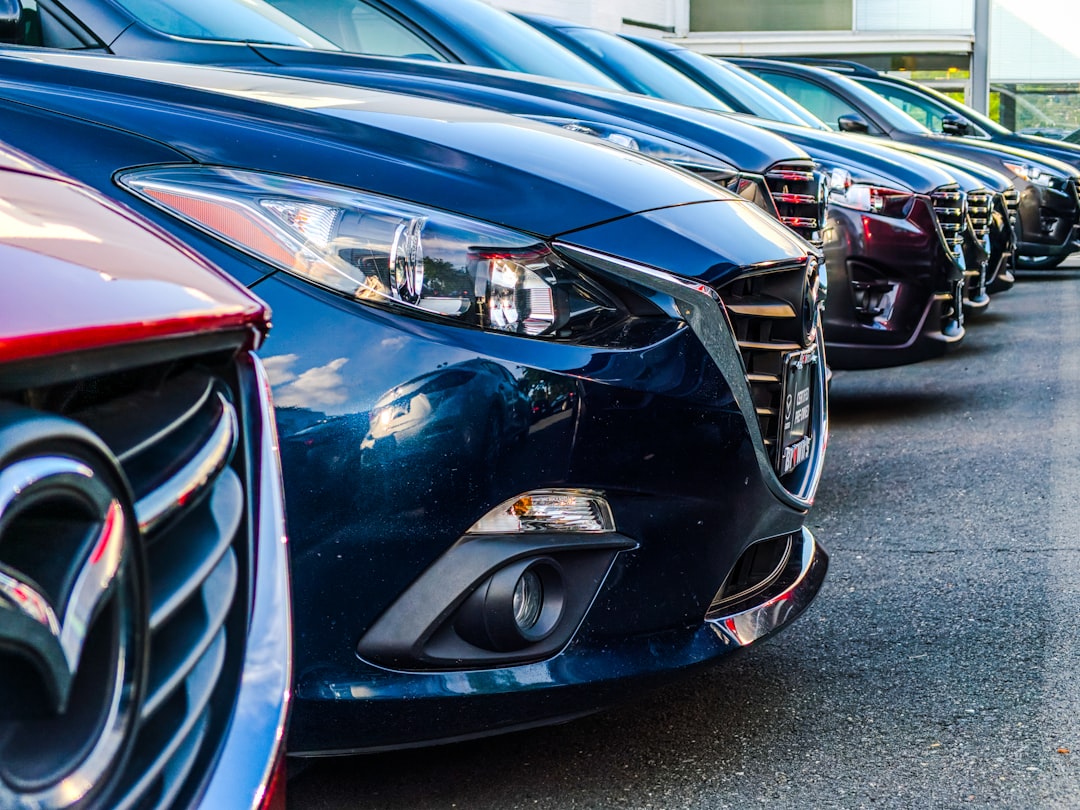
You’ve done it. You’ve walked onto the gleaming showroom floor, the smell of new car and possibility filling your nostrils. The car you’ve been dreaming of, the one that fits your lifestyle, your needs, and (you think) your budget, is right there. Then comes the conversation, the one that often feels like a necessary evil: the car loan. It seems straightforward enough – you borrow money, you pay it back with interest. But the true cost of that car loan extends far beyond the simple sum of principal and interest. You’re about to embark on a financial journey, and it’s crucial you understand every toll booth, every detour, and every hidden expense along the way.
The advertised price of the car, the sticker price, is often just the starting point. When you secure a car loan, the amount you’re borrowing, the principal, is usually this sticker price, plus any taxes, fees, and add-ons you’ve agreed to. This number forms the bedrock of your loan, and understanding it fully is your first line of defense against hidden costs.
The Elusive “Out-the-Door” Price
You might think you’re negotiating for the car’s price, but the real figure you should be focused on is the “out-the-door” price. This is the final amount you’ll pay, including all taxes, registration fees, documentation fees, and any other charges the dealership tacks on. Often, salespeople will highlight the monthly payment, distracting you from the ballooning out-the-door cost.
Understanding Dealership Fees: What’s Legitimate and What’s Not?
Dealerships often have a laundry list of fees that can significantly inflate the principal. You’ll encounter things like:
- Documentation Fees (Doc Fees): These are legitimate administrative costs, but their amounts can vary wildly and are sometimes inflated. You can often negotiate these.
- Preparation Fees: While the car needs to be prepped, this cost is usually built into the car’s price. Be wary of a separate, high preparation fee.
- Advertising Fees: You shouldn’t be responsible for the dealership’s advertising costs.
- Dealer Markups: Beyond the manufacturer’s suggested retail price (MSRP), dealerships can add their own markups. This is where negotiation is key.
Negotiating the Principal: Your First Opportunity to Save
Don’t be afraid to negotiate every aspect of the out-the-door price. Research the invoice price of the car, not just the MSRP, to understand the dealer’s actual cost. The more you can reduce the principal, the less interest you’ll pay over the life of the loan.
Understanding the true cost of a car loan is essential for making informed financial decisions. For a deeper dive into this topic, you can explore a related article that discusses various factors influencing car loan expenses, including interest rates, loan terms, and hidden fees. This comprehensive guide can help you better navigate the complexities of auto financing. To read more, visit How Wealth Grows.
The Interest Rate: The Silent Aggravator
This is the most commonly understood “extra” cost of a car loan. However, the actual impact of your interest rate is often underestimated, and understanding how it works is paramount.
Annual Percentage Rate (APR): The True Cost of Borrowing
The APR is the annual cost of borrowing money, expressed as a percentage. It includes not only the simple interest rate but also certain fees associated with the loan. Always focus on the APR, not just the interest rate, as it provides a more comprehensive picture of your borrowing cost.
Fixed vs. Variable Interest Rates: Weighing Stability Against Potential Savings
- Fixed-Rate Loans: The interest rate remains the same for the entire loan term. This offers predictability and protection against rising interest rates. You’ll know exactly how much you’ll pay each month and in total interest.
- Variable-Rate Loans: The interest rate can fluctuate over the life of the loan, typically tied to a benchmark interest rate. While they might start with a lower rate, they carry the risk of increasing payments if interest rates rise.
The Power of a Good Credit Score: Your Biggest Leverage
Your credit score is arguably the most crucial factor determining your interest rate. A higher credit score signifies lower risk to lenders, resulting in lower APRs. A difference of even 1-2% in your APR can translate into thousands of dollars saved over the life of a loan.
Exploring Lender Options: Banks, Credit Unions, and Dealership Financing
Don’t settle for the first loan offer you receive. Shop around:
- Banks: Offer competitive rates, especially if you have an existing relationship.
- Credit Unions: Often provide lower interest rates and more favorable terms due to their non-profit status.
- Dealership Financing: While convenient, dealership financing can sometimes have higher interest rates as they may mark up the rates offered by their partner lenders. Always compare their offer to external options.
Loan Term: The Lengthy Ripple Effect

The duration of your loan, the term, is another significant factor that directly impacts your overall cost. A longer loan term might seem attractive for its lower monthly payments, but it comes with a substantial hidden price tag.
The Deceptive Appeal of Longer Loan Terms
You’re likely aware that a longer loan term means lower monthly payments. This can make an otherwise unaffordable car seem within reach. However, this “affordability” comes at a steep cost.
Amortization Schedules: How Your Money is Allocated
An amortization schedule shows how your monthly payment is divided between principal and interest. In the early stages of a long-term loan, a disproportionately larger portion of your payment goes towards interest, with very little chipping away at the principal. This means you’re essentially paying for the privilege of a lower monthly payment for an extended period.
The Total Interest Paid: A Stark Reality Check
Consider two loans for the same car and principal amount: one for 48 months and another for 72 months, both at the same interest rate. While the 72-month loan will have a significantly lower monthly payment, the total interest paid over the life of the loan will be substantially higher. You might end up paying thousands of dollars more in interest simply by extending the repayment period.
“Upside Down” on Your Loan: The Peril of Depreciation
A common pitfall of longer loan terms is the risk of being “upside down” on your loan. Cars depreciate the moment they leave the dealership lot. If you have a longer loan term, your loan balance may remain higher than the car’s actual market value for a significant portion of the loan. This means if you need to sell or trade in the car, you could owe more than you get for it, leading to out-of-pocket expenses.
Ancillary Costs: The Unseen Charges That Accumulate

Beyond the principal and interest, several other expenses are often associated with car ownership and can be influenced by your loan. Failing to account for these can significantly inflate the true cost of your vehicle.
Insurance Premiums: A Non-Negotiable Expense
Car insurance is a legal requirement and a substantial ongoing cost. The type of car you buy and the loan terms can influence your insurance premiums.
Comprehensive and Collision Coverage: Protecting Your Investment (and Lender’s)
Most car loans will require you to carry comprehensive and collision insurance. This is to protect the lender’s investment in case of damage or theft. These coverages can be costly, especially for newer or more expensive vehicles.
The Impact of Loan Defaults on Insurance
If you default on your car loan, the lender can repossess the vehicle. This process, along with any associated legal fees, can also impact your insurance record and potentially lead to higher premiums in the future.
Maintenance and Repairs: The Inevitable Costs of Wear and Tear
Even the most reliable cars require maintenance and will eventually need repairs. These costs can be unpredictable and add to your overall car expenses.
Extended Warranties and Service Contracts: Are They Worth It?
Dealerships often push extended warranties and service contracts. While they can provide peace of mind and cover unexpected repairs, their costs can be significant, and their value often depends on the specific coverage and your vehicle’s reliability. Carefully review the terms and consider if the premium justifies the potential savings.
The Cost of Neglect: How Loan Payments Affect Maintenance
When you’re stretched thin by loan payments, you might be tempted to defer routine maintenance to save money in the short term. However, this can lead to more costly repairs down the line, further impacting your financial well-being.
When considering the true cost of a car loan, it’s essential to understand all the financial implications involved in the process. A related article that delves deeper into this topic can be found at How Wealth Grows, where you can explore various factors that contribute to the overall expense of financing a vehicle. This resource provides valuable insights that can help you make informed decisions about your car purchase and financing options.
The True Cost of Convenience: Add-ons and Fees You Might Not Need
| Metrics | Data |
|---|---|
| Loan Amount | 20,000 |
| Interest Rate | 5% |
| Loan Term | 5 years |
| Monthly Payment | 377.42 |
| Total Interest Paid | 2,645.20 |
| Total Cost of Loan | 22,645.20 |
Dealerships are experts at presenting additional products and services that can sweeten the deal or add value. However, many of these are optional and can significantly increase the principal of your loan, leading to higher interest payments.
GAP Insurance: Protecting You from Being Underwater
Guaranteed Asset Protection (GAP) insurance covers the difference between what you owe on your loan and the actual cash value of your car if it’s totaled or stolen. While it can be valuable, especially with longer loan terms or high depreciation, it’s an additional cost to factor in.
Evaluating Your Need for GAP Insurance
Consider your down payment, the car’s depreciation rate, and your overall financial situation when deciding if GAP insurance is a necessary expense.
Other Dealer Add-ons: Tint, Protection Packages, and More
You’ll encounter a host of other add-ons:
- Window Tinting: Can be a cosmetic upgrade, but often overpriced at the dealership.
- Paint Protection Packages: The effectiveness and cost-benefit of these are often debated.
- All-Weather Floor Mats: Useful, but can usually be purchased for less elsewhere.
- Nitrogen for Tires: A minor convenience with debatable benefits.
Resisting the Upsell: Prioritizing Your Needs
Learn to politely decline these add-ons if they don’t align with your needs or budget. Remember, they are often high-margin items for the dealership.
The Long-Term Financial Impact: Beyond the Monthly Payment
The true cost of your car loan extends far beyond the monthly payment. It impacts your overall financial health, your ability to save, and your future financial goals.
Opportunity Cost: What Else Could You Be Doing with That Money?
Every dollar you spend on loan payments, interest, insurance, and maintenance is a dollar you can’t put towards other financial goals. This could be saving for a down payment on a house, investing for retirement, or paying off higher-interest debt.
Budgeting Beyond the Car Payment: A Holistic View
When you create your car budget, think beyond just the loan payment. Include insurance, fuel, maintenance, registration, and any potential for unexpected repairs. This will give you a more realistic picture of your true monthly car expense.
The Freedom of a Paid-Off Car: A Future Financial Advantage
The ultimate goal is to be free of car payments. A paid-off car means you have extra disposable income that can be redirected towards other financial priorities, providing you with greater financial freedom and security.
By understanding the true cost of your car loan, from the initial principal to the ongoing ancillary expenses and the long-term financial implications, you empower yourself to make informed decisions. Don’t let the allure of a new car blind you to the financial realities. Approach your car loan with knowledge, a clear budget, and a willingness to negotiate, and you’ll be on your way to driving away with a smart financial decision, not just a new set of wheels.

Your $800 Car Payment Could Be a $1 Million Decision
FAQs
What is the true cost of a car loan?
The true cost of a car loan includes not only the principal amount borrowed, but also the interest paid over the life of the loan, any additional fees, and the depreciation of the car’s value over time.
How is the true cost of a car loan calculated?
The true cost of a car loan is calculated by adding the total interest paid over the life of the loan to the principal amount borrowed, and then factoring in any additional fees and the depreciation of the car’s value.
What factors contribute to the true cost of a car loan?
Factors that contribute to the true cost of a car loan include the interest rate, the length of the loan term, any additional fees such as origination fees or prepayment penalties, and the depreciation of the car’s value over time.
How can I minimize the true cost of a car loan?
To minimize the true cost of a car loan, consider making a larger down payment, opting for a shorter loan term, shopping around for the best interest rates, and avoiding additional fees whenever possible.
Why is it important to consider the true cost of a car loan?
Considering the true cost of a car loan is important because it gives a more accurate picture of the total amount that will be paid for the car over time, and helps borrowers make informed decisions about their financing options.