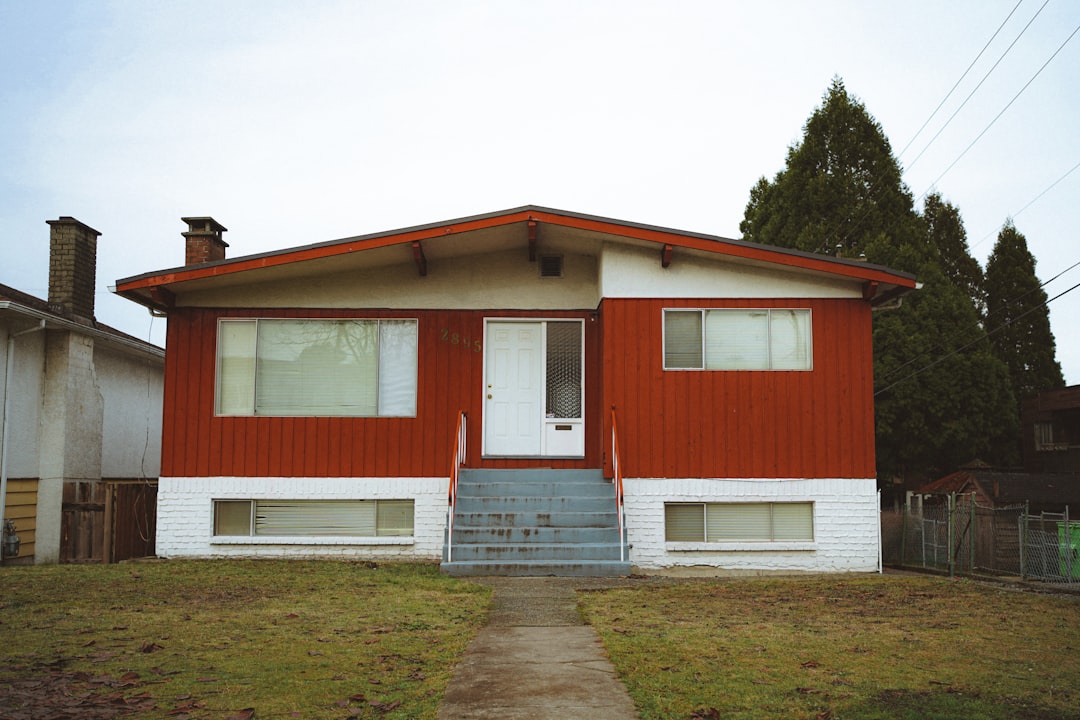
You’re standing there, scrolling through listings, picturing your dream home. It’s a charming bungalow with a sun-drenched garden, or perhaps a modern apartment with breathtaking city views. But then you see the price. Your heart sinks. It’s not just expensive; it’s wildly, impossibly expensive. You can’t shake the feeling that something is fundamentally broken when it comes to the cost of housing. And you’re right. The rising cost of homes isn’t a hypothetical problem; it’s a palpable reality that’s locking you and so many others out of a basic necessity: shelter.
You’re not alone in this struggle. The current housing market is a complex beast, a result of several interconnected economic forces converging to create a perfect storm of unaffordability. It’s not a single culprit, but a series of escalating factors that have driven prices sky-high. Understanding these forces is the first step to understanding why your budget feels so stretched and why homeownership seems like an ever-receding mirage.
Supply and Demand: The Most Basic Economic Principle
At its core, the housing market operates on the fundamental economic principle of supply and demand. When demand for housing outstrips the available supply, prices inevitably rise. You see this in action every day. When a desirable property hits the market, it generates a flurry of interest. Multiple offers flood in, often above the asking price, because so many people are vying for a limited number of available homes.
The Underproduction of Homes: A Decades-Long Problem
The most significant driver of this imbalance is the chronic underproduction of new housing. For decades, in many regions, the rate at which new homes are built has not kept pace with population growth and household formation. This isn’t a recent phenomenon; it’s a systemic issue that has built up over time. Various factors contribute to this scarcity, from restrictive zoning laws to lengthy permitting processes. Ultimately, though, the simple math is undeniable: fewer homes being built means more people competing for the existing ones.
Population Growth and Urbanization: More People, More Demand
Another crucial element is straightforward population growth. As the global and national populations increase, so does the demand for housing. However, this isn’t just about sheer numbers; it’s also about where people want to live. Urbanization, the trend of people migrating from rural areas to cities and their surrounding suburbs, intensifies demand in specific locations. These are often the areas where job opportunities are concentrated and where amenities are most abundant, making them highly desirable places to live. This concentration of demand in particular geographic pockets further exacerbates the supply-demand imbalance in those areas.
The Investment Angle: Housing as a Commodity, Not Just a Home
You might think of a house as a place to live, a sanctuary. And for many, it is. However, in today’s economic landscape, you’re increasingly seeing housing treated as a financial asset, an investment vehicle above all else. This shift has had profound implications for affordability, transforming the market into something far more complex and challenging for the average buyer.
The Rise of Institutional Investors: Big Money in Small Homes
One of the most significant changes you’ve witnessed is the increasing involvement of large institutional investors in the housing market. These are not your average mom-and-pop landlords. These are investment firms, hedge funds, and private equity groups with vast amounts of capital. They are buying up single-family homes, often in bulk, turning them into rental properties. Their primary goal is to generate returns on investment, which can sometimes lead to strategies that prioritize profit over tenant well-being or responsible property management, and crucially, it removes homes from the inventory available for potential owner-occupiers.
Impact on First-Time Buyers: Competing with Deep Pockets
For you, a first-time homebuyer, this presents a daunting challenge. You’re trying to compete with entities that have the financial muscle to outbid you on nearly every property. These investors often have the ability to pay in cash, waive contingencies, and close quickly, making their offers incredibly attractive to sellers. This leaves you, armed with a mortgage pre-approval and a dream, often on the outside looking in, unable to even get your foot in the door.
Real Estate as an Asset Class: Diversification and Returns
Beyond large-scale investors, housing has become a popular asset class for a broader range of investors seeking to diversify their portfolios. Real estate, historically, has been seen as a relatively stable and appreciating asset. This allure, combined with low-interest-rate environments in the past, has made it an attractive option for individuals and smaller investment groups looking for passive income and capital gains. This increased investment demand, even from smaller players, further tightens the supply of homes available for those looking to buy a primary residence.
Inflation and Rising Construction Costs: The Price of Building Goes Up
It’s not just the cost of buying an existing home that’s gone up; the cost of building new ones has also become a significant barrier. You’ve likely seen the cost of everyday goods and services climb, and the construction industry is no exception. This surge in expenses translates directly into higher prices for new homes, further limiting the supply of affordable options.
Material Costs: Lumber, Steel, and Everything In Between
The price of raw materials used in construction has seen dramatic increases. You’ve probably noticed the fluctuating price of lumber, but it’s not just wood. The cost of steel, concrete, insulation, and even smaller components like nails and wiring has become significantly more expensive. These increases are often driven by global supply chain disruptions, increased demand, and sometimes speculative market behavior. For builders, these higher material costs must be passed on to the consumer in the form of higher home prices.
Labor Shortages and Wage Increases: The Human Element of Cost
Beyond materials, the cost of labor is another critical factor. The construction industry, like many others, has faced labor shortages. There aren’t enough skilled tradespeople to meet the demand for new construction. This scarcity drives up wages as companies compete to attract and retain workers. You can understand why this is happening – skilled labor deserves fair compensation. However, from your perspective as a buyer, these increased labor costs are another unavoidable element contributing to the escalating price of new homes.
Interest Rates and Mortgage Affordability: The Cost of Borrowing
Even if you manage to scrape together a down payment for a home in your price range, the cost of borrowing the remaining funds can be a dealbreaker. Interest rates on mortgages have a profound impact on your monthly payments and the overall affordability of a home.
The Federal Reserve’s Role: Influencing Borrowing Costs
The Federal Reserve, through its monetary policy, plays a significant role in influencing interest rates. When the Fed raises its benchmark interest rate, it generally leads to higher mortgage rates. This is a deliberate tool used to combat inflation, but it has a direct and often unwelcome consequence for aspiring homeowners. A seemingly small increase in an interest rate can translate into hundreds of dollars more per month on a mortgage payment, pushing homes further out of reach.
The Monthly Payment Conundrum: A Crucial Barrier
For you, the monthly mortgage payment is the most immediate and impactful figure. Even if a home’s sticker price seems manageable, a higher interest rate can make the monthly outlay prohibitive. This can force you to look at smaller homes, less desirable locations, or even delay your homeownership dreams altogether. You might be able to afford the down payment and the principal, but the interest component, coupled with taxes and insurance, becomes an insurmountable hurdle.
The Impact of High Interest Rates on Purchasing Power: Less House for Your Buck
When interest rates are high, your purchasing power diminishes significantly. The amount of money you can borrow, given a specific monthly payment you can afford, decreases. This means that for the same monthly budget, you can afford a less expensive home. Effectively, you’re getting less house for your buck, forcing you to compromise on size, location, or amenities. It’s a frustrating cycle where the dream home becomes a distant memory, replaced by the reality of what you can actually afford to borrow.
The rising unaffordability of homes has become a pressing issue for many potential buyers, as various factors contribute to this challenging landscape. One significant aspect is the increasing demand for housing in urban areas, which often outpaces supply. Additionally, economic factors such as inflation and rising interest rates further exacerbate the situation. For a deeper understanding of the financial dynamics at play, you can explore a related article that discusses how wealth accumulation impacts housing markets. This insightful piece can be found here.
Government Policies and Regulations: Unintended Consequences and Obstacles
Government policies, while often well-intentioned, can sometimes have unintended consequences that contribute to housing unaffordability. Regulations, zoning laws, and development policies can all create barriers and inflate costs.
Zoning Laws and Land Use Restrictions: Limiting Density
Restrictive zoning laws are a major culprit in many areas. These regulations often dictate what types of housing can be built in certain areas, how dense development can be, and the minimum lot sizes for homes. Many of these laws were established decades ago with different population densities and housing needs in mind. Today, they can effectively prevent the construction of more affordable housing options like multi-family dwellings, duplexes, or smaller single-family homes on smaller lots. This artificial scarcity of buildable land drives up land costs and, consequently, the price of new homes.
The “Not In My Backyard” (NIMBY) Effect: Resistance to Development
Closely tied to zoning is the “Not In My Backyard” (NIMBY) phenomenon. You’ve likely encountered it, or perhaps even been part of it, though often subconsciously. This is the resistance from existing residents to new development, particularly affordable housing or denser housing types in their neighborhoods. While understandable in some contexts, widespread NIMBYism can significantly hinder the creation of much-needed housing stock, contributing to the supply-demand imbalance and driving up prices due to the limited availability of suitable building sites. Your voice matters, but how you use it in community planning can either help or hinder the affordability crisis.
Permitting Processes and Development Fees: Added Layers of Cost
The process of getting a building permit and navigating development regulations can be lengthy, complex, and expensive. Local governments often impose various fees and require numerous approvals from different departments. While these are intended to ensure safety and responsible development, an overly bureaucratic and costly permitting process can deter builders, especially smaller ones, and add significant costs to new construction projects. These added expenses are inevitably passed on to the buyer, contributing to the overall unaffordability of new homes.
The rising unaffordability of homes has become a pressing issue for many aspiring homeowners, and a related article that delves into this topic can be found at How Wealth Grows. This article explores various factors contributing to the housing crisis, including skyrocketing property prices, stagnant wages, and the impact of inflation on the real estate market. By examining these elements, it provides valuable insights into why many individuals and families are struggling to find affordable housing options in today’s economy.
The Social and Economic Fallout: Wider Implications of Unaffordability
The rising cost of housing isn’t just an individual financial headache; it has far-reaching social and economic consequences that affect entire communities and even the nation. You witness these impacts in various ways, from increased stress on individuals to broader economic shifts.
The Widening Wealth Gap: Homeownership as a Wealth Builder
Homeownership has historically been a cornerstone of wealth building for middle-class families. The equity built up in a home provides a significant financial cushion and a pathway to generational wealth. However, as homes become increasingly unaffordable, this pathway is being closed off to a growing segment of the population, exacerbating the wealth gap.
Generational Inequality: Locked Out of the Ladder
For younger generations, the dream of owning a home is becoming increasingly out of reach. Unlike their parents or grandparents, who might have been able to purchase a home with less financial strain, today’s young adults face a much steeper climb. This generational inequality means that the traditional ladder of upward mobility, often tied to homeownership, is becoming less accessible, creating a sense of frustration and the feeling of being perpetually behind.
Increased Housing Instability and Homelessness: The Most Extreme Consequences
When housing costs become unbearable, the most vulnerable individuals and families are pushed to the brink. This can lead to increased housing instability, with people spending an ever-larger proportion of their income on rent or mortgages, leaving little for other necessities, and in the most severe cases, contributing to rising rates of homelessness.
The Rent Burden: Living Paycheck to Paycheck
For those who rent, the rising cost of housing means a greater portion of their income is dedicated to rent. This “rent burden” can leave individuals and families living paycheck to paycheck, with little to no savings in case of an emergency. It stifles their ability to invest in education, save for retirement, or even afford basic necessities like healthy food and healthcare.
Impact on the Workforce and Economy: Stifled Growth and Mobility
Unaffordability also has significant implications for the broader economy. When people can’t afford to live where the jobs are, it can lead to labor shortages in certain areas and hinder economic growth.
Geographic Mismatch: Jobs vs. Affordable Living Areas
You see this particularly in high-growth urban areas. Businesses struggle to attract and retain talent because potential employees simply cannot afford to live within a reasonable commuting distance. This geographic mismatch between where jobs are located and where people can afford to live can stifle innovation and economic development. Your ability to move for a better job opportunity becomes constrained by the prohibitive cost of housing in desirable employment centers.
Reduced Consumer Spending: Less Money for Other Goods
When a significant portion of your income is going towards housing, you have less disposable income to spend on other goods and services. This reduction in consumer spending can have a ripple effect throughout the economy, impacting businesses in various sectors.
What Can You Do? Navigating the Unaffordable Market

Facing this daunting reality, you might feel powerless. However, understanding the forces at play is the first step. While you might not be able to single-handedly fix the housing crisis, there are strategies you can employ to navigate this challenging market and advocate for change.
Strategies for Aspiring Homeowners: Making the Dream Possible
Even in a tough market, there are still ways to work towards homeownership. It requires a strategic approach, perseverance, and sometimes a bit of creative thinking.
Saving for a Larger Down Payment: Lowering Your Monthly Burden
While it might seem obvious, diligently saving for a larger down payment is one of the most effective ways to reduce your monthly mortgage payments. A larger down payment means you need to borrow less, which in turn means lower interest payments over the life of the loan. Explore different savings accounts, consider side hustlings, and be disciplined with your spending.
Exploring Different Loan Programs: Assistance for First-Time Buyers
Don’t overlook government-backed loan programs and those specifically designed for first-time homebuyers. These programs often offer lower down payment requirements, competitive interest rates, and even down payment assistance grants. Research what’s available in your local area and at the federal level.
USDA Loans, FHA Loans, and Local Programs: Understanding Your Options
FHA loans, backed by the Federal Housing Administration, are designed to make homeownership more accessible with lower credit score requirements and smaller down payments. USDA loans are available for eligible rural and suburban areas and can offer zero down payment options. Many states and cities also have their own first-time homebuyer programs that can provide crucial financial assistance.
Considering Different Markets and Property Types: Flexibility is Key
If your dream home in your dream location is currently out of reach, consider expanding your search. Are there more affordable surrounding towns or cities that still offer a good quality of life and reasonable commute times? Perhaps a smaller starter home, a condominium, or even a fixer-upper could be a more attainable entry point into the market. Flexibility can unlock opportunities.
Advocating for Change: Your Voice Matters
While individual actions are important, systemic issues require collective action and advocacy. You have the power to influence policy and bring about broader change.
Supporting Pro-Housing Policies: Shaping the Future
Educate yourself about local and national housing policies. Support initiatives that aim to increase housing supply, streamline development processes, and promote affordable housing options. This could involve contacting your elected officials, attending town hall meetings, and voting for candidates who prioritize housing affordability.
Engaging in Community Planning: Shaping Your Neighborhood
Be an active participant in your community’s planning and development discussions. Advocate for responsible development that balances growth with affordability and infrastructure needs. Your input can help shape zoning laws and land-use decisions that impact housing availability and cost.
Raising Awareness: Spreading the Word
Talk to your friends, family, and colleagues about the housing crisis. Share articles, personal stories, and research. The more people who understand the complexities and consequences of unaffordable housing, the greater the pressure for solutions. You are not alone in this struggle, and by sharing your experience, you can empower others and build a stronger movement for change.
The rising cost of housing is a complex and multifaceted problem, but it is not an insurmountable one. By understanding the economic forces at play, exploring personal strategies, and advocating for systemic change, you can contribute to a future where safe and affordable housing is a reality for everyone, not just a distant dream. Your journey to homeownership might be challenging, but it’s a journey worth pursuing, and one that you can navigate with knowledge, determination, and collective action.

The Wealth Ladder Is Missing a Rung

FAQs
1. What factors contribute to the unaffordability of homes?
Rising demand, limited housing supply, increasing land and construction costs, and stagnant wages are some of the key factors contributing to the unaffordability of homes.
2. How does the housing market impact home affordability?
Fluctuations in the housing market, such as rapid price increases and speculative investment, can significantly impact home affordability, making it difficult for many individuals and families to purchase a home.
3. What role do government policies play in the affordability of homes?
Government policies related to zoning regulations, land use, taxation, and housing subsidies can have a significant impact on the affordability of homes. These policies can either help to increase affordability or contribute to rising housing costs.
4. How does the lack of affordable housing impact communities?
The lack of affordable housing can lead to increased homelessness, displacement of long-term residents, and economic inequality within communities. It can also impact the overall economic stability and growth of a region.
5. What are some potential solutions to address the issue of unaffordable homes?
Potential solutions to address the issue of unaffordable homes include increasing housing supply, implementing affordable housing initiatives, reforming zoning and land use policies, and providing financial assistance to low-income individuals and families.