You’ve seen them, haven’t you? Those gleaming, modern manufactured homes, offering sleek design and affordability, are becoming increasingly prevalent. Yet, when you consider planting one in the heart of a bustling urban landscape, you often hit a wall. The restriction of manufactured homes in urban areas isn’t a new phenomenon; it’s a deeply entrenched issue with a complex web of reasons behind it, and understanding them is key to understanding the challenges you face when trying to bring these innovative housing solutions into the city.
Your current urban environment, with its distinct zones for residential, commercial, and industrial use, didn’t just materialize out of thin air. It’s the product of decades of planning and evolving societal ideals. Understanding the historical context of zoning is crucial to grasping why manufactured homes often find themselves on the outside looking in when it comes to city limits.
The Birth of Zoning: Responding to Industrialization
Imagine the early 20th century. Cities were booming, but they were also chaotic. Factories spewed smoke into residential areas, and the lines between living, working, and industrial spaces were blurred. You were likely experiencing the detrimental effects of this lack of regulation firsthand. This unregulated growth led to public health concerns, environmental degradation, and a general decline in the quality of urban life. This, in turn, spurred the need for organized planning.
Early Attempts at Separation
The idea of separating incompatible land uses wasn’t entirely new, but it gained significant traction during this period. You started seeing early forms of land-use regulation, often driven by public outcry and the desire for a more orderly and sanitary city. These were the nascent stages of what would become comprehensive zoning.
The Euclid Decision: Cementing the Concept
A pivotal moment in the history of zoning in your country was the 1926 Supreme Court case, Village of Euclid v. Ambler Realty Co. This landmark decision affirmed the constitutionality of zoning ordinances, giving municipalities the legal power to regulate land use. You can thank this case for the very concept of dividing your city into specific districts.
Establishing Legal Precedent
The Euclid decision provided a framework that other cities quickly adopted. It legitimized the idea that the government could restrict what you could build where, based on the perceived welfare of the community. This set the stage for the highly regulated urban landscapes you see today, where specific types of housing are often relegated to specific zones.
Post-War Suburbanization and its Impact
The post-World War II era witnessed a massive wave of suburbanization. As returning soldiers and their families sought new beginnings, the demand for single-family homes skyrocketed. This trend further solidified the idea of the detached, single-family dwelling as the ideal form of housing, especially in newly developing areas.
The Rise of the Single-Family Home Ideal
You were likely influenced by this cultural shift. The detached single-family home, often with a yard, became synonymous with the American Dream. This idealization of a particular housing type inherently devalued or overlooked other forms of housing, including those that were factory-built.
The Evolution of Urban Planning Theories
Over the years, urban planning has evolved. Theories have shifted from simply separating uses to more complex approaches, including New Urbanism, smart growth, and transit-oriented development. While these newer theories often emphasize diversity and density, the legacy of traditional zoning practices still heavily influences current regulations.
The Enduring Influence of Traditional Zoning
Even as planning philosophies change, the established zoning codes often remain. Revising these codes is a lengthy and often contentious process, meaning the historical biases embedded within them can persist for a long time, impacting what you can and cannot build today.
Cities often impose restrictions on manufactured homes due to concerns about zoning regulations, property values, and community aesthetics. These regulations can stem from a desire to maintain a certain image or standard within neighborhoods, which can lead to debates about affordable housing options. For a deeper understanding of the economic implications of such restrictions, you can read a related article at How Wealth Grows.
The “Not In My Backyard” (NIMBY) Phenomenon: A Socio-Political Barrier
Beyond the legal and historical frameworks of zoning, you’ll inevitably encounter a powerful social and political force that actively resists the introduction of manufactured homes into established urban neighborhoods: the “Not In My Backyard” (NIMBY) phenomenon. This is where the abstract principles of zoning translate into very real, very personal objections.
Defining the NIMBY Mentality
When you talk about NIMBYism, you’re talking about a sentiment held by residents who, while potentially acknowledging the need for housing, oppose the placement of specific types of housing, particularly affordable or non-traditional options, in their immediate vicinity. They’re not necessarily against housing in general, but they are against that housing here.
Protecting Property Values: A Common Justification
One of the most frequently cited reasons for NIMBY opposition is the perceived threat to property values. You’ll hear arguments that manufactured homes, by their very nature, will somehow degrade the aesthetic appeal of the neighborhood and consequently diminish the worth of existing homes. This fear, whether scientifically founded or not, is a potent motivator for resistance.
Maintaining Neighborhood Character: A Subjective Concern
Closely linked to property values is the concept of “neighborhood character.” This is a more subjective argument, but no less powerful. Residents often have a vision of their neighborhood – perhaps one of tree-lined streets, historic architecture, and a certain demographic. Manufactured homes, especially those that differ significantly from the existing housing stock, can be seen as an intrusion on this established character.
The Stereotypes and Stigma Associated with Manufactured Housing
The resistance you face is often fueled by outdated and inaccurate stereotypes about manufactured homes. For decades, these homes were associated with lower quality, less durability, and a less desirable aesthetic. These perceptions, however unfair, have become deeply ingrained in the public consciousness.
Past vs. Present: A Crucial Distinction
It’s vital to distinguish between the manufactured homes of the past and the sophisticated, well-built structures available today. Modern manufactured homes are built to stringent building codes, often exceeding those of site-built homes in certain aspects, and can be indistinguishable from traditional construction. Yet, the lingering stigma is hard to shake.
The “Us vs. Them” Mentality
NIMBYism often fosters an “us vs. them” mentality. Existing residents, who have invested in their properties and often have long-standing ties to the community, may view newcomers, especially those in manufactured homes, as outsiders who don’t share their values or understand their concerns.
The Political Muscle of Incumbent Residents
When zoning changes or new developments are proposed, incumbent residents often wield significant political influence. They are organized, vocal, and have a vested interest in maintaining the status quo.
Organized Opposition and Lobbying Efforts
NIMBY groups can mobilize quickly, organizing protests, writing letters to city officials, and lobbying local politicians. They can effectively drown out the voices of those advocating for more diverse housing options.
The Challenge of Counter-Messaging
It can be challenging to effectively counter the organized opposition of NIMBY groups. The arguments against manufactured housing, even if based on misinformation, often resonate with a broader segment of the population. Creating a compelling counter-narrative requires significant effort and resources.
Building Codes and Uniform Standards: A Technical Hurdle
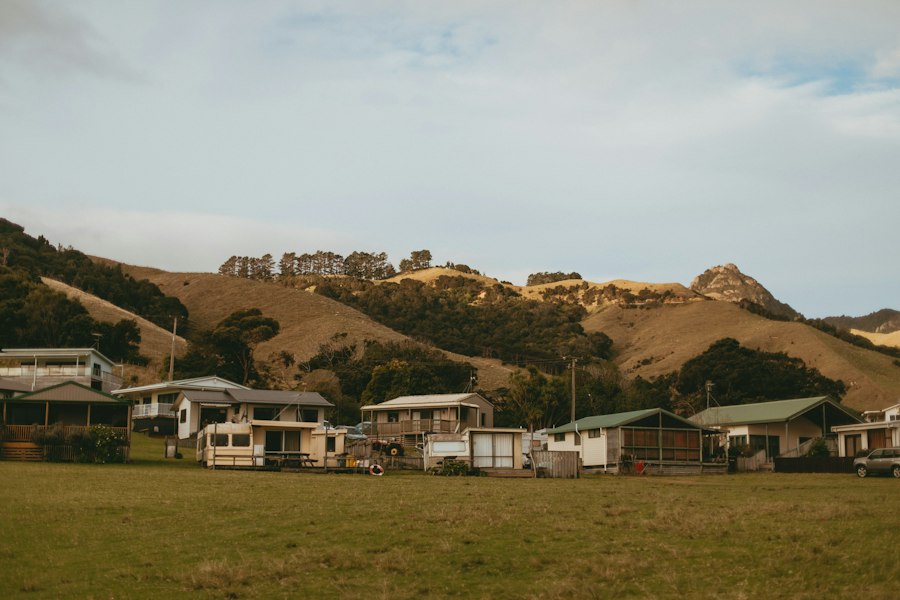
While zoning dictates where you can build, building codes dictate how you build. This is another area where manufactured homes often face unique challenges in urban environments, even if zoning restrictions were to be relaxed. Ensuring that all housing meets consistent safety and quality standards is paramount, but the application of these standards can sometimes create unintended barriers.
The Evolution and Complexity of Building Codes
Building codes are designed to ensure the safety, health, and general welfare of the occupants and the public. They cover everything from structural integrity and fire safety to electrical and plumbing systems. These codes are complex and are constantly updated to reflect new technologies and understanding of building science.
State vs. Local Enforcement
The enforcement of building codes can vary significantly between states and even within municipalities. While there are often national model codes, states and cities adopt and adapt them, leading to a patchwork of regulations that can be difficult to navigate.
Understanding the Standards for Manufactured Homes
Manufactured homes are built to a federal standard, the HUD Code, which is distinct from the local building codes that govern site-built homes. This distinction can create friction when trying to place a manufactured home in an urban area, as local inspectors may be unfamiliar with or unwilling to approve a structure built to a different standard.
The HUD Code vs. Local Building Codes: A Fundamental Difference
The primary difference lies in the governing body and the process. The HUD Code is a national standard administered by the U.S. Department of Housing and Urban Development, ensuring a uniform level of quality and safety across the country. Local building codes, on the other hand, are developed and enforced by individual municipalities.
Addressing Perceived Differences in Quality and Durability
Historically, there have been concerns about the durability and longevity of manufactured homes compared to site-built homes, particularly in relation to weather resistance and foundation integration. While modern manufactured homes are engineered to be highly durable, these past perceptions can still influence how local building officials and communities view them.
The Challenge of Site-Specific Adaptations
Local building codes often require site-specific adaptations for issues like seismic activity, high winds, or specific foundation requirements. Integrating a manufactured home, built to a national standard, with these site-specific local requirements can be a complex and sometimes costly process.
Inspections and Certification Processes: Navigating the Bureaucracy
The inspection and certification process for manufactured homes can be a significant hurdle in urban settings. While manufactured homes are inspected in the factory, local authorities often require their own inspections and approvals upon arrival at the site.
Ensuring Compliance with Local Ordinances
You might find that even if the manufactured home meets the HUD Code, it still needs to be certified as compliant with all local zoning ordinances and building regulations. This can involve additional reviews, permits, and potentially modifications.
The Role of Third-Party Inspectors
In some cases, third-party inspectors may be involved to bridge the gap between the HUD Code and local building codes. However, the process of finding and utilizing these inspectors, and ensuring their approvals are accepted by local authorities, can be a source of frustration.
The Aesthetics and Perceived Value: A Subjective But Powerful Barrier
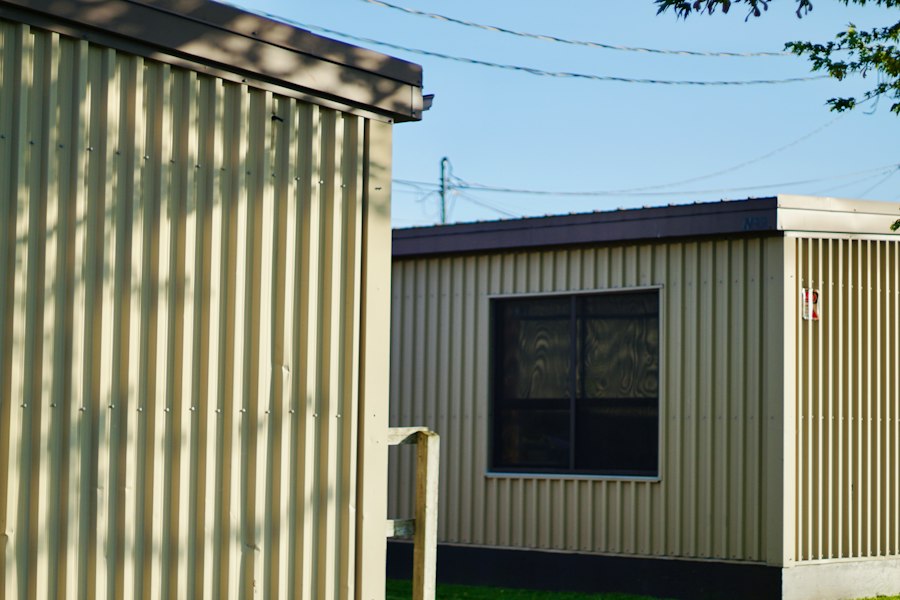
Even when the legal, social, and technical hurdles are theoretically overcome, you often find yourself confronting a more intangible, yet equally powerful, obstacle: the subjective perception of aesthetics and value associated with manufactured homes in urban contexts. This is where the visual appeal and perceived desirability of a dwelling play a significant role.
The Homogeneity of Urban Streetscapes
Urban areas, especially older ones, often boast a distinct architectural character. You’re accustomed to seeing a certain style of brick buildings, historic brownstones, or rows of similar-looking houses. When a manufactured home, with its potentially different design and materials, enters this established streetscape, it can be perceived as an incongruous element.
Bridging the Design Gap
The challenge here is to ensure that manufactured homes are not just functional but also aesthetically pleasing and harmonious with their surroundings. This requires careful design, material selection, and attention to how the home integrates with the existing urban fabric.
The Rise of High-End Manufactured Home Design
Fortunately, the manufactured housing industry is rapidly evolving. You’re seeing an increasing number of manufacturers offering customizable designs, high-quality finishes, and architectural features that can rival, and sometimes surpass, those of site-built homes. The key is to find options that align with urban aesthetic expectations.
The Stigma of “Prefab” and “Factory-Built”
The very terms “prefab” and “factory-built” can carry negative connotations for some. They might evoke images of mass-produced, cookie-cutter structures lacking in character or individuality. This perception, though often inaccurate for modern manufactured homes, is a persistent barrier.
Challenging Preconceived Notions
You have to actively challenge these preconceived notions. This involves educating people about the quality, design flexibility, and customization options available in today’s manufactured housing market. Showcasing successful examples of modern manufactured homes in urban settings can be a powerful tool.
The Importance of Presentation and Landscaping
The way a manufactured home is presented is crucial. Thoughtful landscaping, appropriate skirting, and attention to details like roofing and window styles can significantly enhance its curb appeal and help it blend seamlessly into an urban environment.
The “Affordable Housing” Label and its Double-Edged Sword
Manufactured homes are often seen as a solution to the affordable housing crisis. While this is a positive aspect, the “affordable housing” label can sometimes, unfortunately, be perceived by some urban residents as synonymous with lower quality or less desirable housing.
Shifting the Narrative from “Cheap” to “Accessible”
It’s important to shift the narrative from “cheap housing” to “accessible housing.” Manufactured homes offer a viable pathway to homeownership and secure housing for a wider range of income levels without compromising on safety or quality.
The Need for Inclusive Design and Placement
The success of manufactured homes in urban areas depends on inclusive design and placement strategies. This means considering how these homes fit into the community, their impact on existing infrastructure, and ensuring they are integrated in a way that benefits everyone.
Cities often impose restrictions on manufactured homes due to concerns about zoning regulations, property values, and community aesthetics. These regulations can create barriers for individuals seeking affordable housing options. For a deeper understanding of the implications of these restrictions, you can explore a related article that discusses the various factors influencing housing policies in urban areas. This insightful piece can be found here.
The Economic Realities: Land Costs and Development Challenges
| Reason for Restriction | Description | Impact on Cities | Common Metrics |
|---|---|---|---|
| Zoning Regulations | Cities often zone areas to separate manufactured homes from single-family or multi-family housing to maintain neighborhood character. | Limits where manufactured homes can be placed, affecting housing availability. | Percentage of land zoned for manufactured homes, number of zoning variances requested. |
| Property Values | Concerns that manufactured homes may lower surrounding property values. | Potential decrease in tax revenue and homeowner resistance. | Change in property values near manufactured home communities, homeowner survey results. |
| Aesthetic Standards | Desire to maintain visual uniformity and architectural standards in neighborhoods. | Restrictions on design, size, and appearance of manufactured homes. | Number of design guidelines enforced, compliance rates. |
| Infrastructure and Services | Concerns about the capacity of local infrastructure (roads, sewage, utilities) to support manufactured home parks. | Limits on development density and location. | Infrastructure capacity utilization rates, number of service complaints. |
| Community Opposition | Local residents may oppose manufactured homes due to stigma or perceived social impacts. | Political pressure leading to restrictive policies. | Number of public hearings, petitions against manufactured home developments. |
| Safety and Building Codes | Ensuring manufactured homes meet safety and construction standards. | Restrictions based on compliance with local building codes. | Number of code violations, inspection pass rates. |
Beyond the social and regulatory hurdles, the economic landscape of urban areas presents a significant challenge for the widespread adoption of manufactured homes. The fundamental cost of land in cities, coupled with the complexities of urban development, can make manufactured housing less economically viable, even with its inherent affordability in construction.
The Sky-High Cost of Urban Land
You know it to be true: land in urban centers is incredibly expensive. This is a primary driver of housing costs and a major hurdle for any type of housing development, including manufactured homes. Even if the manufactured home itself is more affordable to produce, the cost of the land it sits on can make the overall package prohibitive.
Manufactured Homes as a Solution for Underutilized Land
However, manufactured homes can offer a unique solution for underutilized or infill lots within urban areas that might be too small or irregularly shaped for traditional development. Their modular nature can allow for more efficient use of limited space.
The Need for Innovative Land Acquisition Models
To overcome the land cost barrier, you might need to explore innovative land acquisition models. This could include community land trusts, partnerships with non-profit organizations, or the development of dedicated manufactured housing communities on less prime, but still accessible, urban parcels.
The Economics of Site Preparation and Installation
While the home itself is built in a factory, placing a manufactured home on an urban lot still requires significant site preparation and installation. This includes grading, foundation work, utility hookups, and potential road access improvements, all of which add to the overall cost.
Site-Specific Foundation Requirements
Urban environments often have specific foundation requirements due to soil conditions, seismic considerations, or the need for integration with existing underground utilities. These requirements can add complexity and cost to the installation of a manufactured home, which is designed to be placed on a standardized foundation.
Navigating Utility Connections
Connecting to existing urban utility grids (water, sewer, electricity, gas) can sometimes be more complex and expensive in dense urban areas, especially if the chosen site is not already serviced or requires extensive trenching and infrastructure upgrades.
The Role of Density and Scale in Affordability
The economic argument for manufactured homes often hinges on the concept of scale and density. Building multiple units in a factory setting allows for cost efficiencies. However, when you’re talking about placing single manufactured homes on scattered urban lots, you lose some of that economy of scale.
Developing Manufactured Housing Communities
Creating dedicated manufactured housing communities within urban areas, rather than scattering individual units, can help to achieve greater economies of scale in terms of land acquisition, site development, and infrastructure installation. This allows for more efficient management and potentially lower per-unit costs.
The Impact of Local Permitting and Fees
The complex web of local permitting processes and associated fees in urban areas can also add significant cost and time delays to manufactured home projects, further impacting their economic feasibility compared to less regulated areas.
The Future of Urban Housing: Opportunities and Innovations
Despite the historical restrictions and ongoing challenges, the future of manufactured homes in urban areas is not without hope. As cities grapple with housing shortages and the need for more diverse and affordable housing options, manufactured housing is increasingly being recognized for its potential.
Shifting Perceptions and Evolving Policies
You are already witnessing a shift in perception. As more successful examples of modern manufactured homes emerge, and as the benefits of factory-built construction become more widely understood, public and political attitudes are beginning to change.
The Rise of “Missing Middle” Housing Solutions
Manufactured housing, particularly in its multi-unit configurations, can play a crucial role in providing “missing middle” housing – the types of housing that fall between single-family homes and large apartment buildings. This includes duplexes, townhouses, and small multi-family dwellings.
Policy Reforms and Incentives
Many municipalities are beginning to reform their zoning codes and building regulations to be more inclusive of manufactured housing. This includes allowing them in more zones, streamlining permitting processes, and offering incentives for their development.
Technological Advancements and Design Flexibility
The manufacturing process itself is constantly evolving. Advanced construction techniques, sustainable materials, and sophisticated design software are enabling the creation of manufactured homes that are not only aesthetically pleasing but also highly energy-efficient and environmentally friendly.
Customizable Designs for Urban Contexts
The ability to customize designs means manufactured homes can be tailored to fit specific urban contexts, from adapting to narrow lots to incorporating features that enhance street appeal and integrate with surrounding architecture.
Sustainable and Energy-Efficient Construction
The controlled factory environment allows for precise construction and the integration of advanced insulation and energy-efficient systems, making modern manufactured homes highly sustainable and reducing long-term living costs.
The Potential for Addressing Urban Housing Crises
Manufactured homes offer a tangible and scalable solution to the escalating urban housing crises. Their speed of construction, cost-effectiveness, and adaptability make them a valuable tool in the effort to provide more housing options for diverse populations.
Increasing Housing Affordability and Accessibility
By offering a more affordable entry point into homeownership and rental markets, manufactured homes can significantly increase housing affordability and accessibility for individuals and families who might otherwise be priced out of urban living.
Fostering Diverse and Inclusive Communities
When integrated thoughtfully, manufactured homes can contribute to the creation of more diverse, inclusive, and vibrant urban communities, offering a wider range of housing choices that cater to different needs and budgets. The path forward for manufactured homes in urban areas is one of continued innovation, education, and a willingness to embrace new solutions to age-old problems.
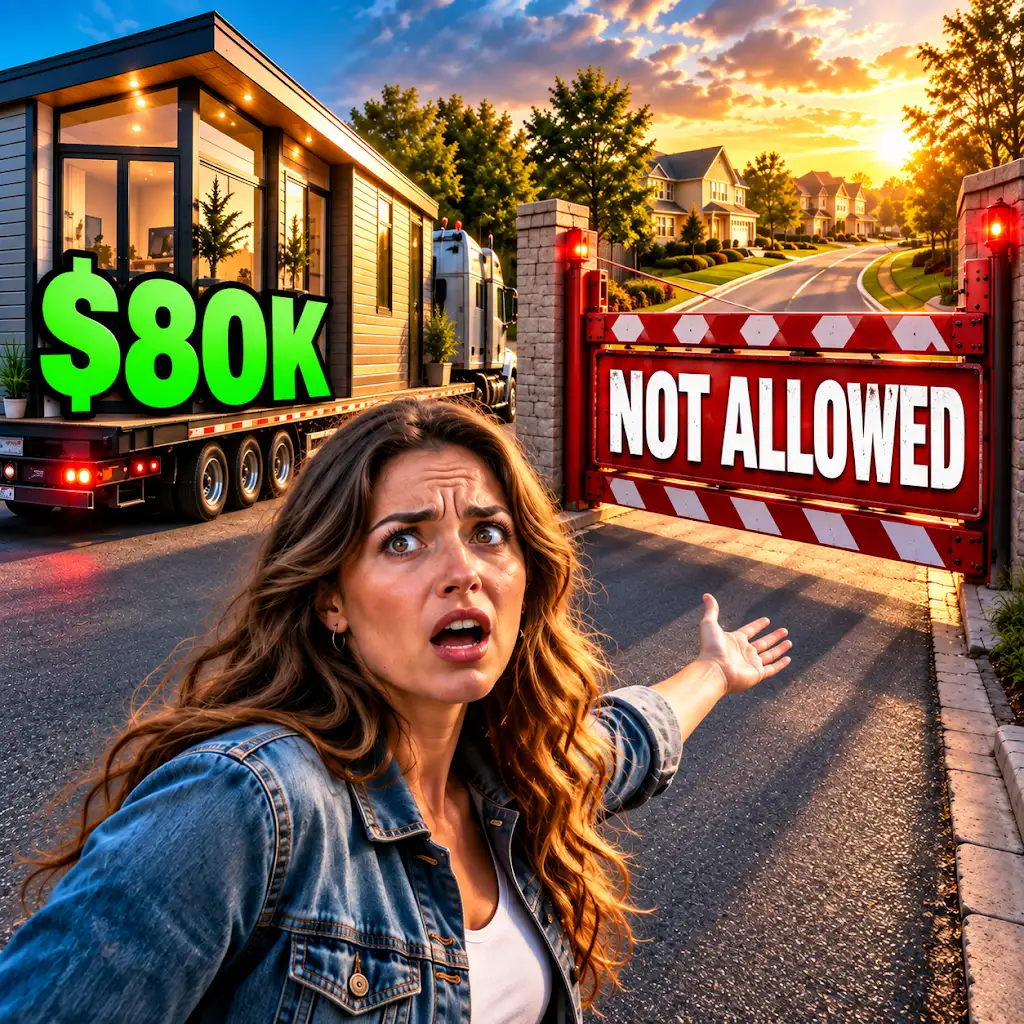
The $80,000 House You’re Not Allowed to Put Anywhere
FAQs
1. Why do cities restrict manufactured homes?
Cities may restrict manufactured homes due to concerns about aesthetics, property values, and neighborhood cohesion.
2. What are some common restrictions placed on manufactured homes by cities?
Common restrictions include zoning regulations that limit where manufactured homes can be placed, size requirements, and design standards to ensure they blend in with traditional housing.
3. Are there any safety concerns that lead to restrictions on manufactured homes in cities?
Yes, safety concerns such as the structural integrity of manufactured homes during severe weather events may lead cities to impose restrictions on where they can be located.
4. How do cities typically enforce restrictions on manufactured homes?
Cities enforce restrictions on manufactured homes through zoning ordinances, building codes, and property inspections to ensure compliance with regulations.
5. Are there any benefits to cities restricting manufactured homes?
Some argue that restricting manufactured homes can help maintain property values, preserve neighborhood aesthetics, and promote a sense of community cohesion within a city.
Some argue that restricting manufactured homes can help maintain property values, preserve neighborhood aesthetics, and promote a sense of community cohesion within a city.