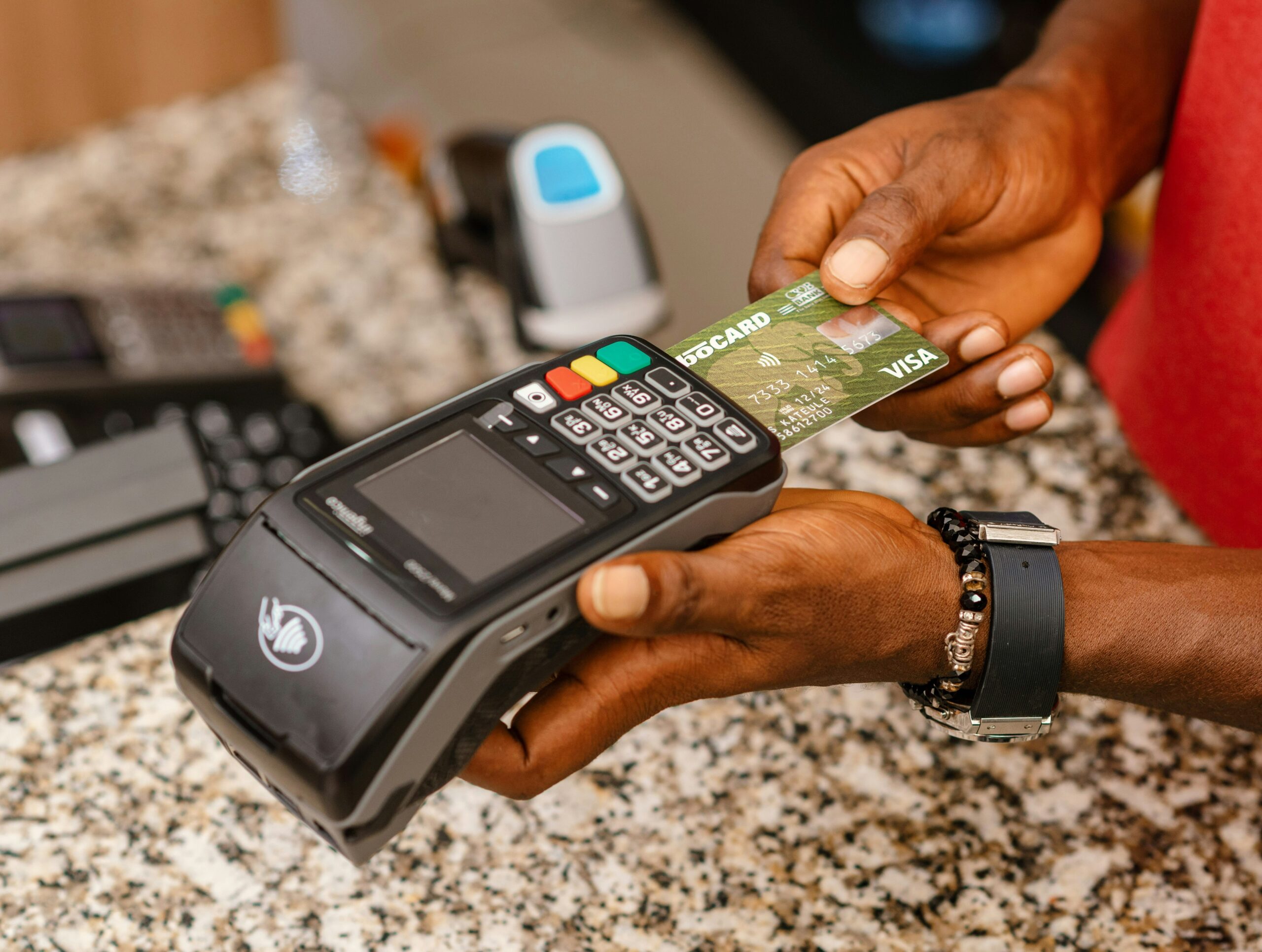
You’ve probably done it. That moment you’re eyeing a desirable item – a new gadget, a piece of furniture, maybe even a vacation – and the price tag makes you pause. Then, you see it: “Buy now, pay later,” or “Split into 3 easy payments.” Suddenly, that once-daunting sum feels manageable, almost within reach. This isn’t just a clever marketing tactic; it’s a deep dive into the psychology of installment payments and your money mindset.
You might think you’re being purely rational, simply spreading out a cost. But your brain is doing a lot more than calculating simple arithmetic. It’s navigating a complex interplay of emotions, cognitive biases, and learned behaviors. Understanding these underlying psychological forces can not only demystify why you opt for installments but also empower you to make more informed financial decisions. This journey into the psychology of installment payments will explore how these payment structures tap into your inherent desires, fears, and cognitive shortcuts, shaping your perception of value and your willingness to spend.
When you look at a price tag, your brain immediately engages in a cost-benefit analysis. A large upfront cost can trigger feelings of scarcity and restraint. It represents a significant depletion of your resources, prompting a more cautious approach. Installment payments, however, cleverly circumvent this immediate scarcity signal.
Temporal Discounting and Immediate Gratification
One of the most powerful psychological principles at play is temporal discounting. This refers to your tendency to prefer smaller, immediate rewards over larger, delayed rewards. When you see an item priced at $1,200, your brain might mentally discount that future cost. However, when presented with the option of paying $100 a month for 12 months, the immediate cost feels significantly lower. You’re not parting with $1,200 today; you’re parting with a much more palatable $100. This immediate gratification, the ability to possess the item now without the full financial sting, is incredibly appealing.
The “Pain of Paying” Reduced
Psychologists talk about the “pain of paying,” a negative emotional response associated with parting with money. Large, lump-sum payments activate this pain more intensely. Installment plans effectively fragment this pain over time. Each monthly payment is a smaller dose, making it less emotionally taxing. You might even forget about the looming obligation for a few weeks each month, further diminishing the perceived cost. This reduction in the immediate “pain of paying” makes you more susceptible to making purchases you might otherwise postpone or forgo.
The Allure of “Now” Over “Later”
Your brain is wired for the present. Future consequences, even significant ones, often feel abstract and less urgent. Installment payments exploit this bias by making the present cost the primary focus. You get the item now, and the future payments feel like a problem for future you to solve. This disconnect between present enjoyment and future responsibility is a core reason why installment plans are so effective in driving consumer behavior. You’re trading a future financial burden for immediate utility and satisfaction.
Cognitive Load and Simplicity
The sheer effort involved in processing large financial transactions can be daunting. A $1,200 purchase requires a mental calculation of your current funds, potential impact on future spending, and the overall financial planning. Installment plans simplify this cognitive load. The monthly payment amount is often presented as a simple, recurring figure, making the decision feel less complex. You don’t have to re-evaluate your entire financial picture; you just need to determine if you can afford the monthly installment.
The “Familiarity Heuristic”
When something is presented in a familiar format, like a set of recurring payments, it feels less risky and more trustworthy. You’ve seen this model before, and it’s become normalized. This familiarity, a form of the familiarity heuristic, can lead you to accept installment plans without as much critical scrutiny as you might apply to a large upfront purchase. The process feels routine and less demanding of your cognitive resources.
The “Framing Effect”
The way an offer is framed significantly influences your decision. Presenting a $1,200 item as “12 payments of $100” frames it as a series of manageable steps, rather than a substantial investment. This framing emphasizes the affordability of each individual payment, obscuring the cumulative cost and the longer-term commitment. You’re likely to focus on the ease of the $100 payment, not the $1,200 total.
Understanding the psychology behind installment payments can significantly impact consumer behavior and financial decision-making. A related article that delves deeper into this topic is available at How Wealth Grows, where the nuances of how people perceive value and manage their finances through structured payment plans are explored. This insight can help both consumers and businesses make more informed choices regarding payment options and financial strategies.
Anchoring Bias and Perceived Value
Installment plans can also play on your susceptibility to anchoring bias, where you rely too heavily on the first piece of information offered (the “anchor”) when making decisions.
The Initial Price as the Anchor
The advertised price of an item often serves as the initial anchor. When presented with installment options, this anchor remains present in your mind. The installment payments are then perceived in relation to this anchor. A $1,200 item, even broken down into 12 payments of $100, still has $1,200 as its perceived “true” value. The installments are seen as a way to access that anchored value, not as a separate transaction that might be evaluated on its own merits.
The “Good Deal” Perception
Because the initial anchor (the total price) is still in view, the installment payments can create the illusion of a “good deal.” You might think, “I’m getting this expensive item for only $100 a month!” This perception is reinforced because you’re comparing the installment amount to the original, higher anchor. The fact that you’re paying more in total over time due to interest is often overlooked.
The Value of Ownership Now
The anchor of the full price also highlights the value of owning the item now. If you can’t afford the full $1,200 today, but can manage $100 a month, the installment plan presents itself as the only way to bridge that gap and achieve ownership. This sense of immediate benefit, facilitated by the installment option, further solidifies the perceived value.
The Role of Interest Rates and Fees
While the psychological appeal of installments is strong, the financial reality often involves interest and fees. These can be subtly integrated into the payment plan, further influencing your perception.
Hidden Costs and Cognitive Blind Spots
The psychological ease of installments can lead to a cognitive blind spot regarding interest rates and fees. You might not fully calculate the total cost of the item over the payment period, especially if the interest is presented as a small monthly addition. The focus remains on the easily digestible monthly payment, making it harder to recognize the accumulating financial burden.
The “Sunk Cost Fallacy” in Action
Once you’ve made a few installment payments, you may be more inclined to continue paying even if your financial situation changes or you no longer want the item. This is partly due to the sunk cost fallacy, where you feel compelled to continue investing in something because you’ve already put resources into it. The money you’ve already paid feels “lost” if you abandon the purchase, making it psychologically easier to see the payments through.
Social Proof and the Normalization of Debt

The prevalence of installment payment options has created a powerful form of social proof. Seeing these options everywhere normalizes the idea of not paying for goods upfront.
The Ubiquity of “Buy Now, Pay Later”
From online retailers to physical stores, installment plans are now commonplace. This ubiquity signals that this is a normal, accepted way to shop. When you see that everyone else is using these services, it validates your own inclination to do so. It becomes the expected, even preferred, method of purchasing.
Peer Influence and Conformity
Your desire to conform to the behavior of your peers can be a significant driver. If your friends or colleagues are readily using installment plans for their purchases, you’re more likely to consider it. The implicit message is that this is how smart consumers get what they want without draining their immediate savings. This can create a subtle pressure to adopt similar financial strategies.
The Media’s Role
The media, through advertising and news coverage, also plays a role in normalizing debt. Stories about convenient payment options and the ease of acquiring goods can further reinforce the idea that installment payments are a standard and even desirable financial tool.
Shifting Perceptions of Financial Responsibility
The widespread adoption of installment payments has subtly shifted societal perceptions of financial responsibility. Once, saving for a purchase was the norm. Now, the emphasis is often on immediate access and deferred payment.
The “Freedom” of Not Depleting Savings
Installment plans offer a perceived sense of “freedom” from depleting your savings. This can be particularly appealing if you prioritize having an emergency fund or simply don’t want to see your bank balance significantly reduced. The ability to maintain your savings while still acquiring desired items is a powerful psychological draw.
The “Financial Flexibility” Argument
Businesses often frame installment plans as offering “financial flexibility.” This language appeals to your desire for control and autonomy. It suggests that you are making a strategic choice to manage your money in a way that suits your current needs, rather than being dictated by a large upfront cost. This perceived flexibility can make the commitment to future payments feel less restrictive.
Psychological Barriers to Saving and the Lure of Immediate Consumption

Understanding your money mindset involves recognizing the psychological barriers that often prevent you from saving effectively and how installment payments circumvent these barriers.
Procrastination and Future Self Discounting
Saving for a large purchase often involves a degree of future self-discounting. You’re essentially asking your future self to endure a period of austerity for the benefit of your present self acquiring an item. This can be challenging. Installment payments, on the other hand, ask your present self to make a series of small, manageable sacrifices for the immediate gratification of owning the item now.
The “Out of Sight, Out of Mind” Effect
When you save for something, the money is often kept separate, perhaps in a dedicated savings account. However, if that money is easily accessible, the temptation to spend it on something else can be high. Installment payments, in a way, create a temporary illusion of this. You don’t see the full $1,200 in your checking account anymore; it’s been transformed into a series of smaller, less visible monthly debits. While this is a misrepresentation of financial reality, it can feel psychologically less like you’re depleting a lump sum.
The Effort of Budgeting and Tracking
Effective saving requires diligent budgeting and tracking of your expenses. This can be tedious and demanding. Installment plans, by contrast, simplify the immediate financial decision-making process. You know your monthly payment, and that’s the primary figure you need to manage. The larger, ongoing financial planning required for saving can feel like too much effort, making the simpler, albeit potentially more expensive, path of installments more appealing.
The Role of Dopamine and Reward Pathways
The act of acquiring new possessions triggers dopamine release in your brain, creating feelings of pleasure and reward. This biological response is a powerful driver of consumer behavior.
The Instantaneous Reward
Installment payments provide a faster route to this dopamine hit than saving. Saving requires delayed gratification, which is often less rewarding in the short term. The ability to experience the pleasure of ownership almost immediately upon purchase, facilitated by installments, is a significant psychological advantage for retailers.
The Cycle of Consumption
This immediate reward can create a cycle of consumption. The temporary pleasure from acquiring an item on installments can fade, leading you to seek the next dopamine hit through another purchase, potentially another installment plan. Understanding this reward pathway can help you recognize when your purchasing decisions are being driven by a desire for a quick fix rather than genuine need or long-term financial well-being.
Understanding the psychology behind installment payments can reveal why consumers often prefer this payment method over lump-sum payments. A related article explores the various factors that influence spending behavior and the emotional responses tied to financial decisions. By examining these aspects, we can gain insights into how installment plans can make larger purchases feel more manageable and less daunting. For more information on this topic, you can read the full article here.
Empowering Yourself: Navigating the Psychology of Payments
| Psychological Factor | Description | Impact on Consumer Behavior | Example Metric |
|---|---|---|---|
| Perceived Affordability | Consumers feel payments are manageable when spread out over time. | Increases likelihood of purchase by reducing immediate financial burden. | Increase in purchase conversion rate by 20% |
| Reduced Pain of Paying | Smaller, periodic payments feel less painful than a lump sum. | Encourages spending beyond immediate budget constraints. | Average order value increase of 15% |
| Illusion of Free Money | Installments can create a perception of borrowing without cost. | May lead to higher debt accumulation and impulsive buying. | Percentage of consumers using installment plans: 35% |
| Commitment and Consistency | Consumers feel committed to payments, reinforcing purchase decisions. | Reduces likelihood of returns or cancellations. | Return rate reduction by 10% |
| Delayed Payment Impact | Payment spread delays financial impact, reducing immediate budget stress. | Increases willingness to buy higher-priced items. | Increase in high-ticket item sales by 25% |
Understanding these psychological nuances is not about shaming your choices but about empowering you to make more conscious and beneficial financial decisions.
Recognizing Your Own Biases
The first step is self-awareness. You need to acknowledge that you are susceptible to temporal discounting, anchoring bias, and the desire for immediate gratification. By recognizing these tendencies, you can start to build mental checks and balances.
Setting Financial Goals and Prioritizing Needs
Clearly defining your financial goals and prioritizing your needs over your wants is crucial. When you have a solid understanding of what you’re saving for and why, it becomes easier to resist the allure of immediate, installment-based purchases that might derail your long-term objectives.
The Power of Delaying Decisions
Before making a significant purchase on installment, give yourself a “cooling-off period.” Step away from the offer, and then re-evaluate. Ask yourself: “Do I truly need this item? Can I afford this over the long term? What am I giving up by committing to these payments?” This delay allows your rational brain to catch up with your impulsive desires.
Leveraging Installments Wisely
Installment payments are not inherently bad. They can be a valuable tool when used strategically and responsibly.
For Essential Purchases with a Clear Financial Plan
For essential items where you have a concrete plan to repay, installment plans can be a sensible option. For example, a necessary appliance or a car that allows you to get to work. The key is to have a budget that accommodates the payments without causing financial strain.
Seeking Out Interest-Free Options
When considering installment plans, prioritize those that are interest-free. This way, you can enjoy the benefits of spreading payments without incurring additional costs. Always read the fine print and understand the terms and conditions.
Treating Installments Like Cash
Mentally, try to treat installment payments as if you are paying with cash. This means allocating the funds for each installment as soon as you make the purchase. This proactive approach helps prevent you from overspending and ensures that the money is set aside.
Building a Stronger Financial Foundation
Ultimately, the most powerful way to navigate the psychology of installment payments is to build a robust financial foundation.
Prioritizing Savings and Emergency Funds
A strong savings habit and a well-funded emergency account provide a buffer against unexpected expenses and reduce the reliance on credit and installment plans for emergencies.
Investing in Financial Literacy
Continuously educating yourself about personal finance, budgeting, and debt management will equip you with the knowledge and confidence to make informed financial decisions.
By understanding the psychological forces that shape your money mindset, you can move from being a passive recipient of financial offers to an active and empowered decision-maker. You can learn to distinguish between genuine needs and fleeting desires, and to utilize financial tools like installment payments in a way that supports your long-term financial well-being, rather than undermining it. You hold the power to control your money, not the other way around.

Why $800 Doesn’t Feel Like $800 Anymore
FAQs
What are installment payments?
Installment payments are a method of paying for goods or services in fixed amounts over a specified period of time. This allows consumers to spread out the cost of a purchase rather than paying for it all at once.
How do installment payments affect consumer behavior?
Installment payments can influence consumer behavior by making purchases more affordable and accessible. They can also lead to increased spending as consumers may be more willing to make larger purchases when they can pay in smaller, manageable amounts over time.
What is the psychological impact of installment payments on consumers?
The psychology behind installment payments can create a sense of immediacy and gratification for consumers, as they can enjoy the benefits of a purchase right away while spreading out the cost. This can lead to impulse buying and a tendency to overspend.
Are there any risks associated with using installment payments?
One risk of using installment payments is the potential for consumers to accumulate debt if they are not able to manage their payments effectively. Additionally, consumers may end up paying more in total due to interest or fees associated with installment plans.
How can consumers make informed decisions when using installment payments?
Consumers can make informed decisions when using installment payments by carefully reviewing the terms and conditions of the payment plan, including interest rates, fees, and repayment schedules. It is important to consider one’s budget and financial situation before committing to an installment plan to avoid potential financial strain.