You might not even notice them. A dollar here, five dollars there. They’re the almost-invisible transactions that pepper your day, the digital crumbs you leave behind as you navigate the modern marketplace. You probably don’t think twice about them. After all, what’s a few dollars when you’ve got rent to pay and a future to plan for? But these seemingly insignificant sums hold a surprising amount of power. They are the quiet architects of your spending habits, subtly nudging you towards more frequent, and often larger, purchases than you might otherwise make. This is the fascinating, and sometimes unsettling, power of small payments.
You’ve likely encountered this phenomenon yourself, perhaps without consciously labeling it. You’re grabbing a coffee, and the barista asks if you’d like to add a pastry for an extra $3. Or you’re buying a new app, and there’s a “premium features” upgrade for $1.99. These aren’t life-altering sums, yet they are strategically placed at points of decision, designed to capitalize on your existing willingness to spend. This is the essence of the “pocket change” effect.
The Illusion of Affordability
The key to the pocket change effect is the perception of affordability. When a price is low, your brain doesn’t engage the same level of scrutiny or deliberation as it would for a larger purchase. A $200 shirt demands careful consideration: “Do I really need this? Can I afford it? Will I wear it often?” A $5 impulse buy, however, bypasses much of this mental calculus. It feels less like a significant financial commitment and more like a minor indulgence, easily absorbed into your daily budget. This illusion of affordability is a powerful psychological trick, making it far easier for you to say “yes.”
Anchoring and Relative Pricing
Small payments also leverage the power of anchoring and relative pricing. When you see a price like $1.99, your mind anchors to that number. Even if the original price was $2.50, the “discount” makes it seem more appealing. More importantly, when presented with a slightly higher base price, a small add-on fee can feel insignificant by comparison. Think about subscription services. You might hesitate at a $20 monthly fee, but an additional $3 for a “premium feature” feels trivial. This relative pricing makes the incremental cost seem negligible, further encouraging you to spend. You’re not just buying the base product; you’re being subtly encouraged to invest a little extra, adding to the overall revenue stream.
The Convenience Factor and Frictionless Transactions
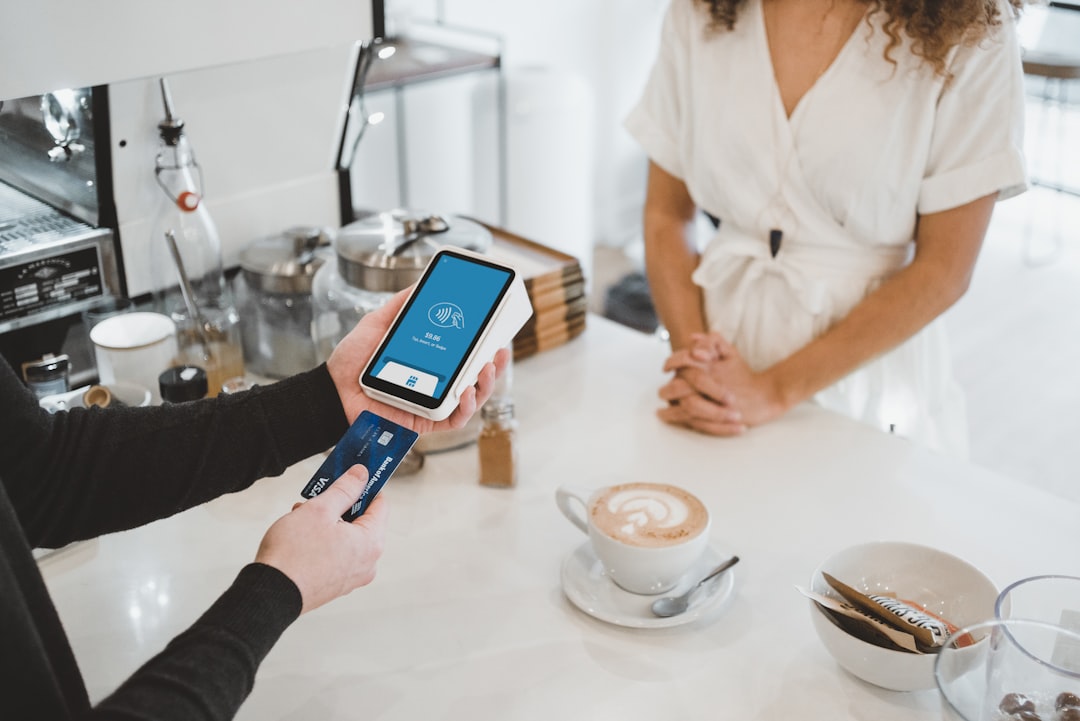
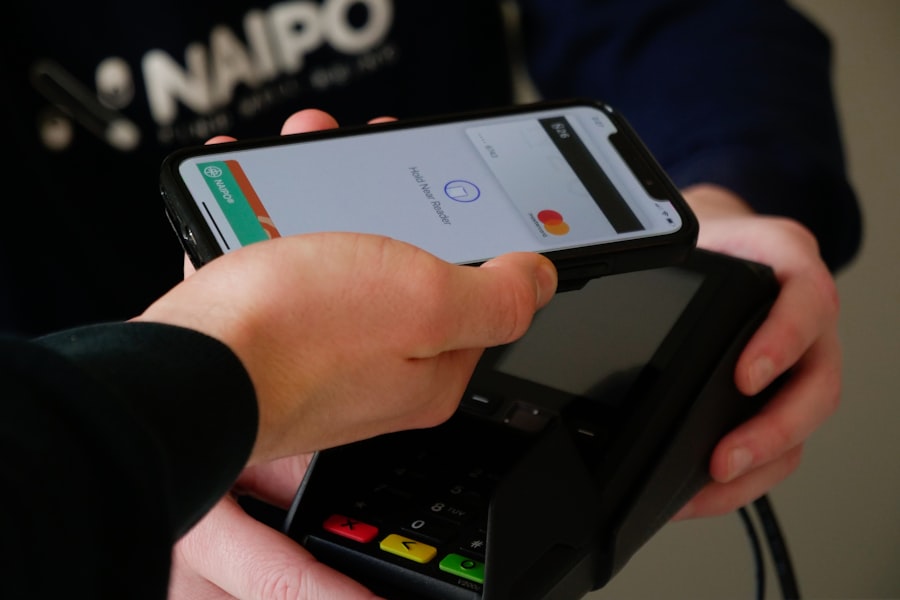
In today’s digital world, the friction associated with making payments has been drastically reduced. You no longer need to fumble for cash or even dig out a credit card for many small purchases. A quick tap of your phone, a scan of a QR code, or a single click on a website is all it takes. This extreme convenience is a powerful enabler of small payments. When the act of paying is effortless, you’re more likely to do it, even if the impulse isn’t particularly strong. The lack of friction removes a natural barrier to spending, making those small amounts flow out of your accounts with ease.
The “What the Heck” Mentality
There’s also a psychological phenomenon at play that can be described as the “what the heck” mentality. When you’ve already committed to a purchase, especially a slightly larger one, you might feel more inclined to add on small extras. You’ve already opened your wallet, so to speak. Adding a small item feels like a minor extension of that initial decision, rather than a completely new one. “I’m already buying this new book for $15, what’s another $2 for a bookmark?” This rationalization, however flimsy, allows you to justify further spending, even when it’s not strictly necessary.
Research indicates that small payments can significantly encourage consumer spending by making purchases feel more manageable and less daunting. A related article discusses the psychological effects of microtransactions and how they can lead to increased overall expenditure. For more insights on this topic, you can read the article at How Wealth Grows.
The Subscription Economy and Recurring Revenue Streams
The rise of the subscription economy has fundamentally changed how businesses operate and, consequently, how you spend your money. The concept of paying a small, recurring fee for access to a product or service has become ubiquitous, and it’s a masterclass in leveraging small payments to build substantial revenue.
The “Salami Slicing” of Expenses
Subscriptions often employ a strategy that can be likened to “salami slicing.” Instead of a large upfront purchase, you’re presented with a series of small, manageable payments. A monthly streaming service fee, a yearly software license, a weekly meal kit delivery – each individual payment might feel insignificant. However, when you add them all up over a year, or even a lifetime, the cumulative cost can be substantial. This gradual erosion of your finances, slice by slice, is a powerful testament to the power of small, recurring payments. You become accustomed to these outflows, and they become a normalized part of your budget, making it harder to cut back.
Reduced Perceived Risk and Increased Commitment
For businesses, small recurring payments reduce the perceived risk for consumers. It’s less daunting to sign up for a $10 monthly subscription than to purchase a $120 product outright. This lower barrier to entry encourages more people to try a service. Once you’re subscribed, the recurring nature of the payment also fosters a sense of commitment. You’re not just buying a product; you’re engaging in an ongoing relationship with the provider. This can lead to a reluctance to cancel, even if your usage declines, because the financial commitment feels less impactful than a complete cessation of service.
Data and Personalization for Enhanced Engagement
The data generated by subscription services is invaluable. Businesses can track your usage patterns, your preferences, and your engagement levels. This information allows them to personalize your experience, offer targeted recommendations, and even introduce new features or add-ons that are tailored to your interests. These personalized offers, often at small incremental costs, further encourage you to spend more within the ecosystem. The more invested you become, the more likely you are to continue paying, and to explore those enticing small additions.
The Power of Inertia and Ease of Cancellation (or Lack Thereof)
Once you’re subscribed, inertia often plays a significant role. The thought of going through the cancellation process can be tedious, and if the recurring fee is small, you might simply let it continue, even if you’re not actively using the service. Some businesses even make cancellation processes intentionally complex, further leveraging this inertia to maintain revenue. This “set it and forget it” mentality, while convenient for you in the short term, is a goldmine for businesses employing small payment strategies.
Microtransactions in Gaming and Digital Content: A Trojan Horse for Spending
The world of digital gaming and content consumption is perhaps where the power of small payments is most visibly and aggressively deployed. Microtransactions, those tiny in-game purchases or digital upgrades, have become a dominant revenue model, and you are often the willing, or perhaps unwitting, participant.
“Freemium” Models: The Bait and Switch
The “freemium” model is a classic example. You get the basic game or app for free, and it’s often enjoyable enough to hook you. However, to progress faster, unlock desirable features, or simply enhance your experience, you’re presented with opportunities to purchase small virtual items. These could be extra lives, cosmetic skins, power-ups, or in-game currency. The initial “free” entry serves as a Trojan horse, drawing you in, and then the small payments are used to extract revenue, often from the most engaged players.
The Urgency and Instant Gratification Loop
Many microtransactions are designed to tap into your desire for urgency and instant gratification. Stuck on a difficult level? Pay a small amount to skip it. Want that rare item now? Purchase it with real money instead of grinding for hours. This creates a loop where you’re constantly presented with immediate solutions to your in-game frustrations, all for a small price. This instant gratification can be incredibly addictive, leading to repeated small purchases without much thought.
Social Proof and Competitive Pressures
In multiplayer games, social proof and competitive pressures can also drive microtransaction spending. Seeing other players with impressive cosmetic items or powerful gear can create a desire to keep up. This can lead you to spend money not necessarily to enhance your gameplay, but to project a certain image or to gain an edge in a competitive environment. The small, incremental nature of these purchases makes it easier to rationalize, “Everyone else is doing it,” or “It’s just a little boost.”
The Gamification of Spending
Microtransactions often employ gamification techniques to make spending feel more like a game itself. Daily login bonuses that offer small amounts of virtual currency, limited-time offers that create a sense of urgency, and loot boxes that introduce an element of chance – all these elements are designed to make spending more engaging and less like a rational financial decision. You’re not just buying something; you’re participating in an interactive experience, and that experience is designed to encourage more spending.
Retail Strategies: The Checkout Line and Impulse Purchases

Even in the traditional retail environment, small payments are a cornerstone of effective sales strategies, particularly at the point of purchase. The checkout line, that often-unavoidable waiting period, is a prime battleground for these impulse-driven micro-decisions.
The Checkout Line as an Opportunity Zone
Retailers understand that you’re most vulnerable to impulse purchases when you’re standing at the checkout. You’ve already committed to your larger items, you’re anticipating leaving, and your guard is down. This is why you’ll find shelves stocked with candy bars, chewing gum, lip balm, small accessories, and impulse buy items priced at a few dollars. These are strategically placed to catch your eye and trigger a spontaneous purchase.
“Loss Leaders” and Upselling at the Register
The concept of “loss leaders” also plays a role. A product might be sold at a very low price, even at a loss, to entice you into the store. Once you’re there, the focus shifts to upselling you on complementary items, often small and inexpensive, that significantly increase the profit margin for the retailer. The initial attraction price is the hook, but the real profit often comes from those small add-on purchases.
Bundling and Value Perception
Retailers also use bundling to make small purchases seem more appealing. You might see a “buy two, get one free” offer on small items, or a discount for purchasing a few related accessories together. This perceived value encourages you to spend a little more than you initially intended, as you feel you’re getting a better deal. The overall cost might be slightly higher, but the individual price point of each item in the bundle remains low.
The Power of the “Add-On”
The simple “Would you like to add…?” question from a cashier is a direct application of small payment strategy. It’s an invitation to make a small, additional purchase that complements your main purchase. This simple question, repeated across thousands of transactions daily, generates substantial revenue for businesses, all built on the foundation of those seemingly insignificant additions.
Research has shown that small payments can significantly encourage spending behavior among consumers. This phenomenon is often attributed to the psychological effect of perceived affordability, where individuals feel more comfortable making purchases when the costs are broken down into smaller, manageable amounts. For a deeper understanding of this concept and its implications on consumer habits, you can explore a related article that discusses the dynamics of spending and financial behavior. To read more, visit this insightful article.
The Long-Term Impact: How Small Payments Shape Your Financial Landscape
| Metric | Description | Impact on Spending |
|---|---|---|
| Perceived Affordability | Small payments feel more affordable and less burdensome to consumers. | Increases likelihood of purchase due to lower psychological cost. |
| Payment Frequency | More frequent, smaller payments spread out over time. | Reduces pain of paying, encouraging ongoing spending. |
| Budget Impact | Small payments have minimal impact on monthly budgets. | Consumers are less likely to delay or avoid purchases. |
| Impulse Buying | Lower payment amounts trigger less deliberation. | Increases spontaneous purchases. |
| Subscription Models | Small recurring fees for services or products. | Encourages continuous engagement and spending over time. |
| Psychological Pricing | Prices ending in small amounts (e.g., .99) feel cheaper. | Boosts sales by making payments seem smaller. |
While individual small payments might seem negligible, their collective impact on your financial landscape over time can be profound. You might not even realize how much these tiny outflows are adding up until you take a closer look.
The Erosion of Savings and Financial Goals
The consistent leakage of small amounts from your bank account can quietly erode your ability to save and achieve your larger financial goals. Those daily coffees, those occasional app purchases, those impulse buys at the checkout – they all subtract from the money you could be investing, saving for a down payment, or putting towards retirement. The ease with which these small sums disappear makes it difficult to track their cumulative effect.
The Normalization of Indulgence and Reduced Financial Discipline
When small purchases become a daily habit, they can lead to a normalization of indulgence and a reduction in overall financial discipline. You become accustomed to treating yourself, often without much forethought. This can make it harder to resist larger temptations down the line, as the mental barrier to spending has been lowered. The constant stream of small rewards can diminish your appreciation for delayed gratification.
The Data Trail and Targeted Advertising
Every small payment you make creates a data point. This data is invaluable to marketers, who can use it to build a detailed profile of your spending habits, your interests, and your vulnerabilities. This allows them to target you with increasingly sophisticated and persuasive advertising, often featuring more small payment opportunities. You become a known entity, and the algorithms are designed to keep you spending.
The Psychological Shift: From Saver to Spender
Ultimately, the pervasive influence of small payments can contribute to a subtle but significant psychological shift. You may unconsciously transition from a mindset of saving and conscious spending to one of frequent, impulsive indulgence. The power of these seemingly insignificant transactions lies not just in their immediate financial impact, but in their ability to reshape your relationship with money and to subtly steer you towards a more spendthrift lifestyle. Understanding this power is the first step in regaining control and making more deliberate choices about where your money goes. You have the power to recognize these strategies and to choose a different path.

Why $800 Doesn’t Feel Like $800 Anymore
FAQs
What is the impact of small payments on spending habits?
Small payments can encourage spending as they are perceived as less significant or impactful on one’s budget, leading individuals to make more frequent purchases without much consideration.
How do small payments affect impulse buying?
Small payments can contribute to impulse buying as the low cost of items makes it easier for individuals to make quick purchasing decisions without fully evaluating the necessity or value of the purchase.
Do small payments lead to increased overall spending?
Yes, small payments can lead to increased overall spending as the cumulative effect of multiple small purchases can add up quickly, especially when individuals do not closely monitor their expenses.
Are there any psychological factors that make small payments more appealing?
Yes, the concept of “pain of paying” is less pronounced with small payments, making them more appealing as individuals do not feel as much financial strain or guilt when making frequent small purchases compared to larger ones.
How can individuals manage their spending when faced with small payments?
To manage spending when faced with small payments, individuals can set a budget, track their expenses, and prioritize their purchases to ensure they are making mindful decisions rather than succumbing to impulse buying tendencies.