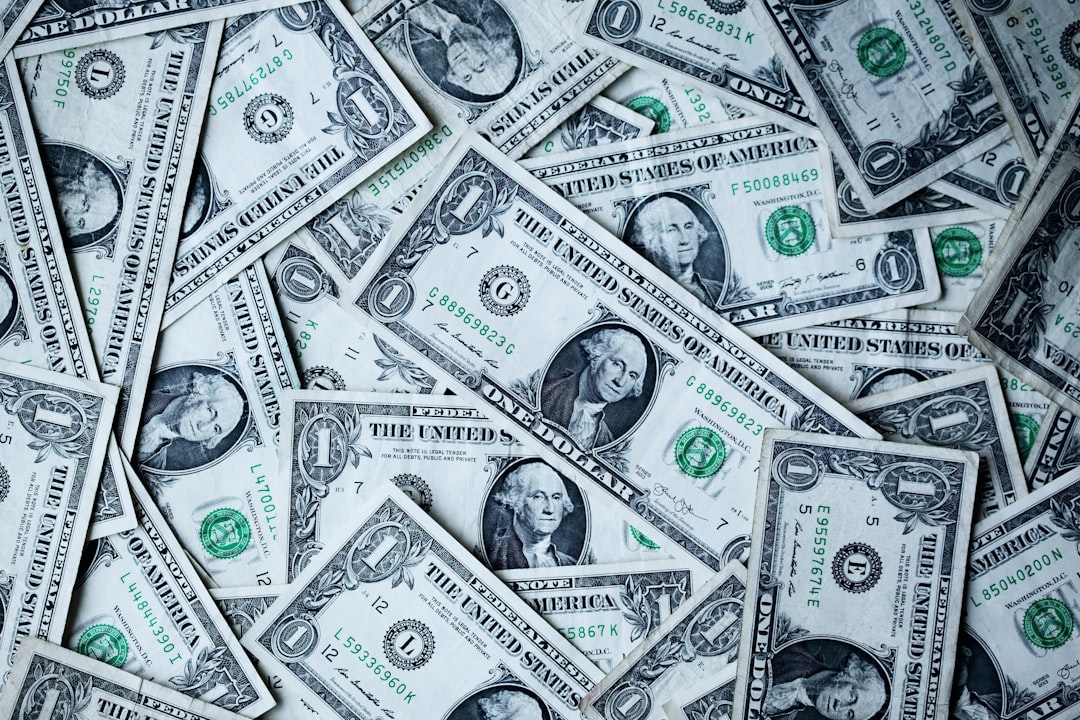
The Power of Money: A Riveting Documentary
You’ve probably held it in your hand, spent it freely (or perhaps with a heavy sigh), and dreamt of having more. Money. It’s an invisible force that shapes our lives, fuels our societies, and dictates the rhythm of our existence. But have you ever truly considered its profound and often unsettling power? Prepare yourself, because “The Power of Money: A Riveting Documentary” is about to pull back the curtain, revealing a world you thought you understood, but likely never truly grasped.
This documentary isn’t just another dry exposé; it’s an immersive journey, a cinematic exploration that grips you from the opening scene and refuses to let go. You’ll be challenged, provoked, and left with a gnawing unease that’s both uncomfortable and utterly compelling. If you’ve ever wondered why some have so much while others have so little, why certain institutions wield such immense influence, or how the pursuit of wealth can warp human behavior, then this is the film you’ve been waiting for.
A Glimpse Behind the Velvet Rope
From the outset, the film masterfully transports you into spaces rarely seen. You’re not just watching statistics on a screen; you’re witnessing the opulent boardrooms where global economic decisions are made, the hushed corridors of power where legislation is shaped, and the stark realities of those struggling to survive on the fringes of this financial universe. The documentary’s visual language is as powerful as its subject matter, employing breathtaking cinematography and intimate access to create a deeply personal and often shocking narrative. You’re given a front-row seat to the machinations of a system that, for many, remains an opaque and distant entity.
This is where the film truly begins to unravel the intricate tapestry of financial power. You’ll be introduced to the individuals and entities that, in large part, control the flow of capital, influence markets, and, by extension, shape the course of nations. The documentary doesn’t shy away from naming names, interviewing titans of industry, influential economists, and even whistleblowers who have dared to speak out.
The Global Elite: A Gilded Cage
You’ll gain an understanding of how a select group of individuals and families have amassed fortunes that dwarf the GDPs of entire countries. The film explores the historical roots of this wealth, tracing how fortunes were built, often through groundbreaking innovation, but also, at times, through exploitation and relentless consolidation. You’ll be confronted with the sheer scale of their influence, realizing that their decisions can trigger economic booms or busts, affect millions of lives, and even sway the outcomes of political elections. The documentary paints a picture of a world where immense wealth creates a unique set of challenges and responsibilities, a gilded cage that isolates its inhabitants while simultaneously granting them unparalleled power. You’ll question the very notion of meritocracy when faced with the inherited advantage and established networks that perpetuate such extreme wealth concentration.
Corporate Giants: Empires of Influence
Beyond individual fortunes, the film delves into the immense power wielded by multinational corporations. You’ll witness how these corporate behemoths, with their vast resources and lobbying power, can significantly impact government policy, consumer behavior, and even cultural norms. The documentary doesn’t simply condemn; it dissects. It shows you how these corporations, driven by the relentless pursuit of profit, can innovate and provide essential goods and services, but also how their pursuit can lead to environmental degradation, labor exploitation, and the suppression of competition. You’ll see how the lines between corporate interests and national interests can become dangerously blurred, leaving you to ponder who truly serves whom.
If you’re interested in exploring the intricacies of wealth accumulation and financial literacy, you might find the article on How Wealth Grows particularly insightful. This resource delves into various strategies for building and managing wealth effectively, complementing the themes presented in the money documentary. To read more, visit How Wealth Grows.
The Shadow Economy: Unseen Forces at Play
Money isn’t always visible, and “The Power of Money” excels at illuminating the less apparent, yet equally potent, forces that shape our financial landscape. You’ll explore the ways in which capital flows, influences, and operates beyond the direct gaze of the public.
The Labyrinth of Finance: Derivatives, Hedges, and Offshore Havens
This section of the documentary will leave you feeling both bewildered and enlightened. You’ll be introduced to the complex world of financial instruments that are abstract, yet incredibly powerful. Concepts like derivatives, hedging strategies, and the sheer scale of the global derivatives market will be broken down in a way that, while still demanding your full attention, become understandable. You’ll learn how these financial tools, designed to manage risk, can also amplify it, creating systemic vulnerabilities that can impact economies worldwide. The documentary exposes the intricate workings of hedge funds and private equity firms, revealing how they navigate regulations, capitalize on market inefficiencies, and often operate with a level of opacity that shields them from public scrutiny. You’ll also confront the reality of offshore banking and tax havens, understanding how vast sums of wealth can be moved and hidden, impacting national tax revenues and contributing to global inequality. You’ll begin to see how a shadow economy exists, operating on principles that are often distinct from the day-to-day transactions you experience.
The Black Swan Events: When the System Trembles
The documentary doesn’t shy away from the volatile nature of money. You’ll witness case studies of financial crises, exploring the triggers, the ripple effects, and the devastating human cost. The film uses historical examples to illustrate how seemingly localized events can cascade into global disruptions, throwing economies into disarray and leaving ordinary people to bear the brunt of the fallout. You’ll gain a deeper appreciation for the interconnectedness of the global financial system and the inherent risks that come with it. The footage of collapsing markets, desperate investors, and the human faces of economic hardship will stay with you long after the credits roll. You’ll likely feel a sense of vulnerability, realizing how susceptible your own financial security can be to forces beyond your control.
The Social Contract: Money’s Impact on Society

Beyond the financial markets, “The Power of Money” compellingly illustrates how money shapes the very fabric of our societies, influencing everything from education and healthcare to politics and culture.
The Price of Progress: Innovation and Inequality
You’ll see how the pursuit of profit can drive incredible innovation, leading to advancements that improve lives and propel humanity forward. However, the documentary doesn’t present this as a simple, unalloyed good. You’ll confront the stark reality of how the benefits of this progress are often unevenly distributed, exacerbating existing inequalities. The film explores how access to cutting-edge technology, life-saving medical treatments, and quality education can become commodities available only to those who can afford them, creating a chasm between the privileged and the disadvantaged. You’ll grapple with the ethical implications of systems that prioritize profit over universal access to essential services. The documentary doesn’t offer easy answers, but it forces you to ask difficult questions about what we truly value as a society.
Politics for Sale? The Influence of Big Money
This is perhaps one of the most alarming aspects of the documentary. You’ll be shown how vast sums of money can influence political processes, from campaign financing and lobbying to the shaping of public discourse through media ownership and targeted advertising. The film offers compelling evidence of how the agendas of wealthy individuals and corporations can be advanced through the political arena, often at the expense of the public good. You’ll witness the quiet but pervasive influence of money in elections and policy-making, leaving you to question the integrity of democratic systems when faced with such potent financial leverage. The documentary doesn’t advocate for a specific political ideology, but rather exposes a systemic issue that impacts governance across the globe. You’ll likely feel a sense of civic duty ignited, a desire to understand how to reclaim influence from the stranglehold of unchecked financial power.
The Human Equation: Money and the Mind

The documentary doesn’t just focus on the external machinations of wealth. It also delves into the profound psychological and behavioral impacts that money has on individuals and communities.
The Siren Song of Greed: Corruption and Moral Compromise
You’ll encounter stories of individuals who, driven by the insatiable desire for more, have succumbed to corruption, betrayed trust, and engaged in unethical practices. The film explores the psychological pressures that can lead to moral compromises, the rationalizations that are made, and the devastating consequences for both the individuals involved and the societies they inhabit. You’ll see how the pursuit of personal gain can erode integrity and create a culture where ethical boundaries become fluid and negotiable. The documentary doesn’t judge, but it presents a stark reality of human fallibility when faced with immense financial temptation. You’ll be left contemplating your own susceptibility to such pressures and the importance of strong ethical frameworks.
The Illusion of Happiness: Wealth and Well-being
This segment of the documentary offers a more nuanced perspective. While acknowledging that a certain level of financial security is essential for well-being, the film challenges the pervasive notion that more money automatically equates to greater happiness. Through interviews with individuals who have achieved immense wealth, as well as sociological studies, you’ll explore the potential for wealth to lead to isolation, anxiety, and a loss of purpose. You’ll learn about the concept of hedonic adaptation – the tendency for our happiness levels to return to a baseline regardless of significant changes in wealth – and the importance of factors like strong relationships, meaningful work, and a sense of community for true life satisfaction. You’ll begin to question societal narratives that equate success solely with financial accumulation.
If you’re interested in exploring the intricate dynamics of wealth accumulation, you might find a related article on the subject particularly enlightening. This piece delves into the various factors that contribute to financial growth and stability, complementing the themes presented in the money documentary. To read more about these essential concepts, you can visit this insightful article on wealth growth at How Wealth Grows.
The Way Forward: Reimagining Our Relationship with Money
| Documentary Title | Release Year | Director | Runtime |
|---|---|---|---|
| Inside Job | 2010 | Charles Ferguson | 120 minutes |
| The Corporation | 2003 | Mark Achbar, Jennifer Abbott | 145 minutes |
| Enron: The Smartest Guys in the Room | 2005 | Alex Gibney | 110 minutes |
“The Power of Money: A Riveting Documentary” isn’t just a critique; it aims to inspire reflection and, perhaps, action. The final sections of the film explore potential avenues for change and encourage viewers to reconsider their own relationship with wealth.
Towards a More Equitable System: The Search for Solutions
You’ll be presented with various ideas and proposals aimed at creating a more just and sustainable financial system. This could include discussions on wealth redistribution, progressive taxation, increased regulation of financial markets, and the promotion of ethical business practices. The documentary showcases individuals and organizations actively working towards these goals, offering a glimmer of hope that change is possible. You’ll be exposed to different economic philosophies and the ongoing debates surrounding their implementation. The film doesn’t necessarily endorse one particular solution, but it highlights the importance of dialogue and collective action in shaping a better future. You’ll likely feel a sense of empowerment, realizing that your voice, and your choices, can contribute to a larger movement for change.
Your Role in the Financial Ecosystem: From Consumer to Citizen
Ultimately, the documentary prompts you to consider your own position within the vast financial ecosystem. You’ll be encouraged to move beyond being a passive consumer of economic narratives and become an informed and active citizen. This might involve making conscious choices about where you invest your money, the companies you support, and the political leaders you elect. The film emphasizes the power of collective action and the importance of holding institutions accountable. You’ll be left with a profound sense of agency, understanding that your financial decisions, no matter how small they may seem individually, contribute to the larger forces that shape our world. The power of money is immense, and this documentary will leave you with a deeper understanding of its reach, its impact, and your own ability to influence its trajectory. You’ll leave the cinema, or your screening room, not just entertained, but irrevocably changed.

You’re Playing the Wrong Financial Game
FAQs
What is the Money Documentary about?
The Money Documentary is a film that explores the history, impact, and future of money. It delves into the origins of money, its role in society, and the ways in which it has evolved over time.
Who is featured in the Money Documentary?
The Money Documentary features interviews with economists, historians, financial experts, and individuals from various walks of life who share their perspectives on money and its influence on the world.
What are some of the key topics covered in the Money Documentary?
The documentary covers a wide range of topics related to money, including the rise of digital currencies, the impact of globalization on financial systems, the role of central banks, and the effects of economic inequality.
Where can I watch the Money Documentary?
The Money Documentary may be available for streaming on various platforms such as Netflix, Amazon Prime, or other streaming services. It may also be available for purchase or rental on DVD or Blu-ray.
What is the goal of the Money Documentary?
The goal of the Money Documentary is to provide viewers with a comprehensive understanding of the complex and multifaceted nature of money, and to provoke thoughtful discussions about its impact on individuals, societies, and the global economy.