You’ve likely heard the phrase “compound interest” tossed around in financial discussions, perhaps alongside terms like “investing,” “savings,” or even “getting rich.” It sounds important, doesn’t it? And it absolutely is. But for many, it remains a somewhat abstract concept, a theoretical engine of wealth that’s difficult to truly grasp. You might wonder, “When does this magical ‘kicking in’ actually happen? Is it a sudden burst of exponential growth, or something more gradual?”
The truth is, compound interest isn’t a switch you flip; it’s a process, a snowball effect that gathers momentum over time. Its power lies not in a dramatic instant, but in its relentless, compounding nature. Understanding when and how it truly begins to work its magic for you is the key to unlocking its incredible potential. This article will delve deep into the mechanics of compound interest, demystify its timing, and equip you with the knowledge to make it your most powerful financial ally.
Before we talk about when it kicks in, you need to have a solid grasp of what compound interest is. It’s often described as “interest on interest,” and that’s the core of it.
Simple Interest vs. Compound Interest
To truly appreciate compound interest, it’s helpful to contrast it with its simpler counterpart: simple interest.
Simple Interest: Earning on Your Principal Alone
Imagine you deposit $1,000 into an account that earns 5% simple interest annually. At the end of year one, you’d earn $50 ($1,000 x 0.05). Your new balance would be $1,050. The following year, you’d again earn 5% on your original principal of $1,000, another $50. Your balance would be $1,100. This continues, year after year. You earn the same amount of interest each period because it’s calculated only on the initial amount you invested.
Compound Interest: Earning on Your Principal and Your Earned Interest
Now, let’s apply compound interest to the same scenario: $1,000 at 5% annually.
- Year 1: You earn $50 ($1,000 x 0.05). Your balance is $1,050.
- Year 2: This is where the magic starts. You now earn 5% on your entire balance of $1,050. That’s $52.50 ($1,050 x 0.05). Your new balance is $1,102.50. Notice that’s $2.50 more than you earned with simple interest.
- Year 3: You earn 5% on $1,102.50, which is approximately $55.13. Your balance becomes $1,157.63.
The difference may seem small in the early years, but that’s precisely the point. Compound interest is a marathon, not a sprint.
The Compounding Frequency: Daily, Monthly, Annually?
The frequency with which your interest is calculated and added to your principal significantly impacts how quickly it compounds.
More Frequent Compounding, Faster Growth
- Annually: Interest is calculated and added once a year.
- Semi-annually: Interest is calculated and added twice a year.
- Quarterly: Interest is calculated and added four times a year.
- Monthly: Interest is calculated and added twelve times a year.
- Daily: Interest is calculated and added every day.
Generally, the more frequently interest compounds, the faster your money grows, even if the annual interest rate remains the same. This is because each addition of interest begins earning interest sooner. Think of it as more frequent fuel additions to your growth engine.
When considering the impact of compound interest on savings and investments, it’s important to understand when it truly becomes noticeable. A related article that delves into this topic is available at How Wealth Grows, which explains the significance of time and interest rates in compounding. This resource provides valuable insights into how even small contributions can lead to substantial growth over time, highlighting the power of starting early and being consistent in your financial journey.
The Tipping Point: When Does Compound Interest Really Start to Show?
This is the million-dollar question, and the answer is: it always starts from the moment you earn your first dollar of interest. However, its noticeable impact, the point where you can see it significantly outperforming simple interest, takes time.
The Early Years: The Slow Burn
In the initial stages of your investment or savings journey, the difference between simple and compound interest will be minimal. If you’re investing a small sum or have a low interest rate, the additional earnings from compounding might be just a few cents or dollars per year.
The Illusion of Minimal Impact
You might look at your statement after a year or two and think, “This compounding thing isn’t doing much.” This is a common misconception, and it’s where many people lose patience. They don’t see the dramatic growth they expected and might even consider withdrawing their funds, effectively resetting the clock.
The Importance of Consistency in the Early Stages
The key here is understanding that even these small, seemingly insignificant amounts are crucial. They are the seeds being planted. Continuing to contribute to your investment and allowing the interest to reinvest is what builds the foundation for future growth.
The Mid-Game: The Snowball Begins to Roll
After several years, you’ll start to observe a more discernible difference. The interest you earned in the previous year is now contributing to the interest earned in the current year, and that cumulative effect starts to become noticeable.
The Accelerating Growth Curve
Imagine that snowball rolling down a hill. Initially, it’s small and picks up a little snow. But as it gets bigger, it starts picking up snow much faster. Compound interest works similarly. The larger your principal and accumulated interest become, the more substantial the interest earned in each subsequent period.
The Power of Reinvestment
This stage is where the principle of reinvesting your earnings truly shines. If you withdraw your interest, you’re essentially stopping the snowball from growing. Letting it reinvest allows it to gain momentum.
The Long Haul: Exponential Takeoff
This is where compound interest truly earns its reputation as a wealth-building powerhouse. Over decades, the growth becomes exponential. The amount of interest earned each year can dwarf your initial investment.
The Exponential Curve Becomes Steep
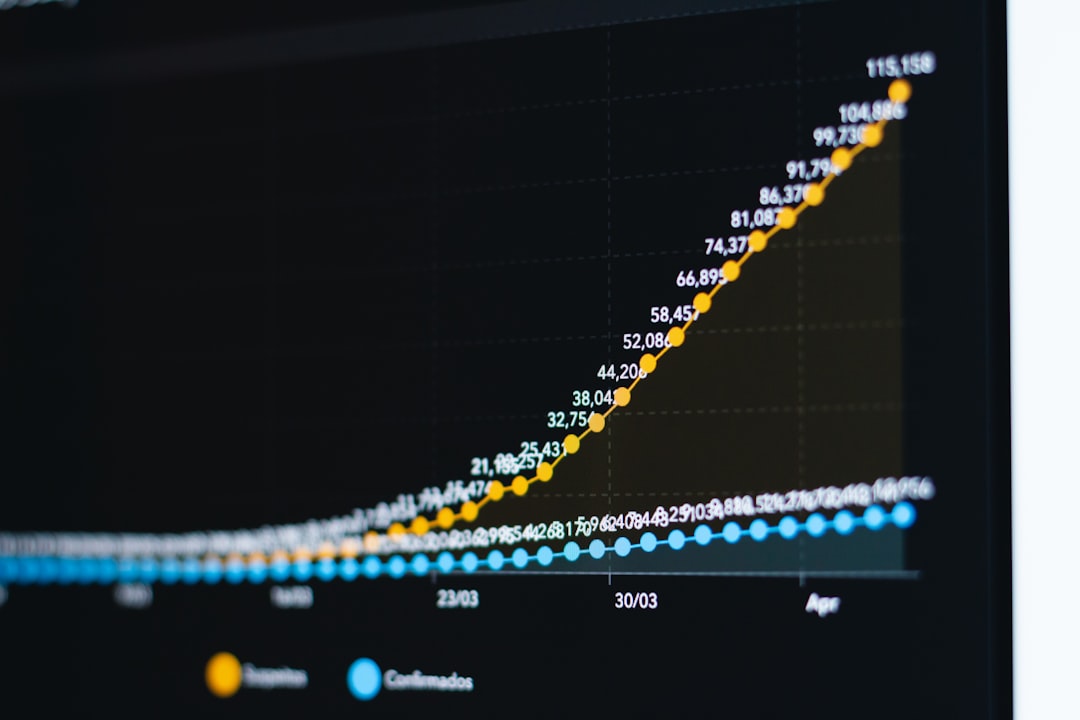
If you plot the growth of an investment with compound interest on a graph, you’ll see a curve that starts relatively flat and then gradually, and then dramatically, curves upward. This steepening is the hallmark of exponential growth.
Time as Your Greatest Ally
This is why starting early is so critical. The longer your money has to compound, the more dramatic the results. A 20-year-old investor has a significant advantage over a 40-year-old investor, even if they invest the same amount per year, simply because their money has more time to benefit from compounding.
Factors Influencing When Compound Interest “Kicks In”

While time is the most significant factor, several other elements play a crucial role in accelerating or decelerating the power of compound interest.
The Interest Rate: The Engine’s Horsepower
The annual interest rate (or annual percentage yield – APY) is perhaps the most direct lever you have in influencing the speed of compounding.
Higher Rates, Faster Compounding
A higher interest rate means your money grows faster. A 10% APY will compound significantly faster than a 2% APY, even with the same principal and compounding frequency.
Seeking Out Competitive Rates
This is why it’s essential to shop around for savings accounts, certificates of deposit (CDs), and investment vehicles that offer competitive rates. Even a small difference in rate can translate to substantial gains over time.
The Principal Amount: The Size of Your Initial Snowball
The initial amount you invest, your principal, is the foundation upon which your compound interest grows.
Larger Principals, Bigger Early Gains
A larger initial principal will naturally generate more interest from the outset, meaning the compounding effect will be more noticeable sooner. For example, $10,000 compounding at 5% will earn $500 in the first year, while $1,000 will only earn $50.
The Importance of Starting, Regardless of Size
However, don’t let a small principal deter you. As we’ve discussed, consistency and time are powerful equalizers. Starting with a small amount and consistently adding to it can eventually overtake a larger initial investment that isn’t regularly supplemented.
Additional Contributions: Fueling the Fire
Simply letting your initial investment sit and compound is powerful, but adding to it regularly is like adding fuel to a roaring fire.
Consistent Savings, Accelerated Growth
Every additional dollar you deposit starts earning interest immediately and contributes to the base upon which future interest is calculated. This can dramatically shorten the time it takes for compound interest to become a significant force.
The Power of Automating Your Savings
Setting up automatic transfers from your checking account to your savings or investment accounts is a highly effective strategy. It removes the temptation to spend the money and ensures consistent growth.
Practical Examples: Seeing Compound Interest in Action

Let’s look at some concrete scenarios to illustrate when you might start seeing the impact.
Scenario 1: A Modest Savings Account
- Initial Deposit: $1,000
- Annual Interest Rate: 2%
- Compounding Frequency: Annually
| Year | Starting Balance | Interest Earned | Ending Balance |
| : | : | :– | :- |
| 1 | $1,000.00 | $20.00 | $1,020.00 |
| 5 | $1,000.00 | $104.08 | $1,104.08 |
| 10 | $1,000.00 | $218.99 | $1,218.99 |
| 20 | $1,000.00 | $485.95 | $1,485.95 |
| 30 | $1,000.00 | $811.65 | $1,811.65 |
In this scenario, after 5 years, you’ve earned a little over $100 in interest. After 20 years, you’ve almost doubled your money. The difference in the early years is subtle, but by year 30, the $811 in interest earned is a significant portion of your total balance.
Scenario 2: A More Aggressive Investment
- Initial Investment: $5,000
- Annual Return: 8% (this is an average annual return for investments, not a guaranteed rate)
- Compounding Frequency: Annually
| Year | Starting Balance | Interest Earned | Ending Balance |
| : | : | :– | :- |
| 1 | $5,000.00 | $400.00 | $5,400.00 |
| 5 | $5,000.00 | $2,191.12 | $7,191.12 |
| 10 | $5,000.00 | $5,871.59 | $10,871.59 |
| 20 | $5,000.00 | $17,437.27 | $22,437.27 |
| 30 | $5,000.00 | $49,455.29 | $54,455.29 |
Here, the impact is much more pronounced due to the higher rate of return. After 5 years, you’ve earned over $2,000 in interest. By year 10, your initial investment has more than doubled. By year 30, your earnings are nearly ten times your initial investment. This showcases the exponential power.
When exploring the concept of compound interest, many people wonder at what point its effects become truly noticeable. This topic is well addressed in a related article that delves into the intricacies of how wealth accumulates over time. Understanding the timeline of compound interest can significantly impact financial planning and investment strategies. For a deeper insight into this subject, you can read more in this informative piece on how wealth grows by visiting this link.
How to Harness the Power of Compound Interest for Yourself
“`html
| Years | Interest Rate | Noticeable Growth |
|---|---|---|
| 5 | 3% | Yes |
| 10 | 2% | Yes |
| 15 | 1.5% | Yes |
| 20 | 1% | Yes |
| 25 | 0.5% | Yes |
“`
Understanding compound interest is only half the battle; actively using it is where the real wealth creation happens.
1. Start Early: The Gift of Time
This cannot be stressed enough. The sooner you start saving and investing, the more time your money has to compound.
The Power of a Decade
Even a small amount invested consistently for a decade will yield significant results due to compounding. Don’t put it off thinking you’ll start when you have more money or a better understanding. Start now, with what you have.
Embracing Small Beginnings
Your first investment doesn’t need to be a fortune. A small, regular contribution is far more effective over the long term than waiting for a large sum.
2. Be Consistent: The Steady Drip
Regular contributions are the fuel that keeps the compounding engine running powerfully.
Automate Your Savings
Set up automatic transfers from your checking account to your savings or investment accounts. This removes decision fatigue and ensures you’re consistently adding to your wealth-building efforts.
Treat Savings Like a Bill
Prioritize saving as you would any other essential bill. Make it a non-negotiable part of your monthly budget.
3. Choose Wisely: Optimize Your Returns
The interest rate or rate of return you achieve directly impacts the speed of compounding.
High-Yield Savings Accounts
For readily accessible cash, opt for high-yield savings accounts that offer competitive APYs.
Investment Vehicles
For longer-term goals, consider investments like index funds, ETFs, or mutual funds, which historically offer higher average returns than savings accounts. Understand the risk involved, but remember that higher potential returns often come with higher risk.
Reinvest Your Earnings
Ensure that any dividends or interest payments are automatically reinvested to take full advantage of compounding.
4. Be Patient: The Long Game
Compound interest is a long-term strategy. Resist the urge to panic sell or withdraw your funds during market downturns.
The Volatility of Investments
Investments can fluctuate. Short-term dips are normal. However, by staying invested, you allow your compounding growth to recover and continue its upward trajectory over the long term.
Focusing on the Destination
Keep your long-term financial goals in mind. Compound interest is a powerful tool to help you achieve them, but it requires patience and discipline.
The Takeaway: Compound Interest is a Marathon, Not a Sprint
Compound interest doesn’t “kick in” at a specific moment like a light switch. It’s a continuous process that starts from your very first dollar of earnings. Its true power, however, becomes undeniable over time. You’ll begin to notice its impact after several years, and its exponential growth will become truly astonishing after decades.
By understanding its mechanics, embracing early and consistent contributions, choosing wisely, and exercising patience, you can harness the incredible power of compound interest to build significant wealth. It’s a testament to the fact that small, consistent actions, compounded over time, can lead to extraordinary results. So, start today, and let the magic of compounding work for you.

The First $100,000 Is Brutal. Then Everything Changes.
FAQs
What is compound interest?
Compound interest is the interest calculated on the initial principal and also on the accumulated interest of previous periods. This means that interest is earned on interest, resulting in exponential growth of the investment over time.
When does compound interest become noticeable?
Compound interest becomes noticeable over time, especially in long-term investments. The longer the money is allowed to grow, the more noticeable the effects of compound interest become.
How does compound interest affect savings and investments?
Compound interest can significantly increase the value of savings and investments over time. It allows for exponential growth, meaning that even small contributions can grow into substantial amounts over long periods.
What are some examples of compound interest in real life?
Examples of compound interest in real life include retirement savings accounts, long-term investments in stocks or mutual funds, and savings accounts with high interest rates. These investments can grow significantly over time due to the effects of compound interest.
What are some strategies for maximizing the benefits of compound interest?
To maximize the benefits of compound interest, it is important to start investing early, contribute regularly, and reinvest any interest earned. Additionally, choosing investments with higher interest rates or compounding frequencies can also help maximize the effects of compound interest.