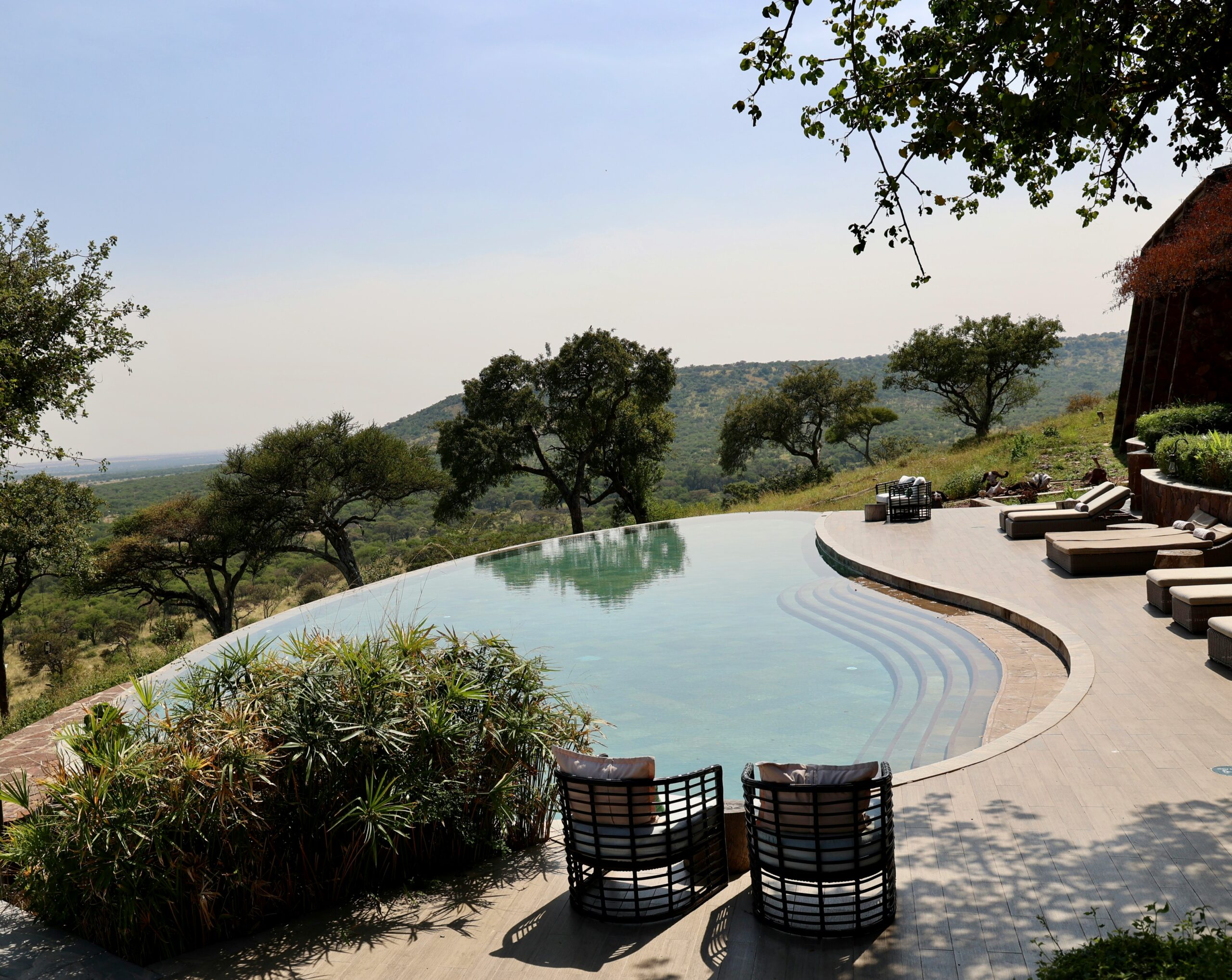
You’ve probably felt it. That subtle shift, that quiet acceptance. It started with one indulgence, maybe a designer handbag you saved for months, or a ridiculously expensive coffee you decided you “deserved.” Then came another. Suddenly, the price tag that once made you wince now feels… standard. You’ve witnessed the normalization of luxury, and in a strange way, you’ve adapted to it. It’s a pervasive phenomenon, a slow seep into our everyday lives that reshapes our perception of what’s “normal,” what’s attainable, and what we truly desire.
The Stealthy Infiltration: How Opulence Becomes Ordinary
The journey from awe to acceptance of luxury is rarely a sudden leap; it’s a gradual acclimatization. Think about your own experiences. Was there a time when certain brands, certain experiences, felt out of reach, reserved for a mythical “other”? Yet, over time, you see them more. They appear in your social media feeds, in movies, on the streets. This constant exposure is a powerful architect of normalization. It chips away at the initial shock value, replacing it with a sense of familiarity, and eventually, desirability.
The Siren Song of Scarcity and Exclusivity
Luxury, by definition, thrives on exclusivity. It’s the rare, the hard-to-get, the subtly signal of status. Yet, paradoxically, the awareness of these exclusive items has become incredibly widespread. Social media platforms are veritable showcases of unattainable lifestyles. Influencers meticulously curate their feeds, presenting a constant stream of designer goods, exotic travel, and bespoke experiences. This isn’t just about showcasing wealth; it’s about creating aspiration. You see it, you want it, and the more you see it, the more it seems like a legitimate goal.
The curated reality: Social media as an accelerator
Your Instagram feed isn’t just a window into your friends’ lives; it’s a meticulously crafted gallery of aspirational consumption. Every perfectly staged avocado toast, every perfectly filtered sunset from a private villa, contributes to the normalization of opulence. You’re not just seeing a product; you’re seeing a lifestyle associated with it. This constant barrage of idealized realities creates a subtle pressure. It’s not about envy anymore, but about a growing belief that such things are not only possible but expected for a certain level of fulfillment.
The ripple effect: From aspirational to attainable
What starts as a distant dream gradually begins to feel closer. As you see more people around you—friends, colleagues, even strangers—acquiring these once-exclusive items, the perceived barrier to entry lowers. It’s no longer just for the ultra-rich; it’s for those who are “smart” enough to invest, or savvy enough to find deals. This creates a psychological shift, making the pursuit of luxury feel less like a fantasy and more like a achievable ambition.
The Illusion of Value: When Price Becomes a Proxy for Quality
There’s a deep-seated human tendency to associate price with quality. We’ve been conditioned to believe that if something costs more, it must be better. This is a psychological shortcut, a way to navigate the complexities of choice. When it comes to luxury, this heuristic is amplified. The exorbitant price tag isn’t just about the cost of materials or craftsmanship; it’s a deliberate signal of rarity, desirability, and inherent superiority. You start to internalize this. That $500 pair of shoes isn’t just leather and stitching; it’s a symbol of discernment, of an appreciation for the finer things.
The halo effect of branding
Think about your favorite luxury brands. Do you find yourself attributing certain qualities to them, even beyond the product itself? This is the halo effect at play. A brand that has cultivated an image of excellence, of heritage, of sophistication, casts a glow over everything it produces. You might be buying a simple t-shirt, but you’re also buying into the narrative of the brand. This narrative, reinforced by consistent marketing and high price points, makes the product seem inherently more valuable, more desirable, and ultimately, more “normal” within your sphere of influence.
The psychological comfort of certainty
In a world brimming with choices, luxury offers a sense of certainty. When you invest in a high-end item, you often feel a reduced risk of disappointment. The expectation is that it will perform better, last longer, and bring you more satisfaction than a cheaper alternative. This psychological comfort is a powerful driver of adoption. You’re not just buying a product; you’re buying peace of mind, a guarantee of a certain level of experience. This makes the higher price point feel justified, and the item itself, normalized.
As individuals experience an increase in wealth, the luxuries that once felt extraordinary often begin to blend into the fabric of everyday life, leading to a phenomenon known as “hedonic adaptation.” This psychological process explains why people quickly acclimate to new comforts and pleasures, causing them to seek out even greater indulgences to achieve the same level of satisfaction. For a deeper understanding of this concept and its implications on wealth and lifestyle, you can read more in the article available at How Wealth Grows.
The Shifting Sands of Social Comparison
Our perception of what is “normal” is intrinsically linked to how we see ourselves in relation to others. The normalization of luxury is deeply intertwined with evolving social comparison. It’s not about blatant one-upmanship anymore; it’s a more nuanced dance of subtle signals and perceived belonging. As more people around you embrace certain luxurious elements, your own baseline for what constitutes a comfortable or desirable lifestyle shifts.
The Gradual Erosion of “Enough”
What once felt like a treat, an indulgence, gradually becomes the standard. The initial joy and satisfaction derived from a luxury purchase can fade as you become accustomed to it. The bar for what makes you feel good, what makes you feel satisfied, is raised. This is the insidious nature of adaptation. You don’t necessarily become greedy; you simply recalibrate your expectations. The things that once brought you immense pleasure are now simply part of your everyday reality.
The hedonic treadmill of desire
You’ve likely experienced this: you acquire something you’ve longed for, and for a while, you’re ecstatic. But then, the novelty wears off. The initial thrill diminishes, and you start to feel a pull towards the next thing. This is the hedonic treadmill. You’re constantly chasing a feeling of happiness, and as you adapt to current pleasures, you require greater stimuli to achieve the same level of satisfaction. In the context of luxury, this means that what was once a special occasion item can become a daily necessity in maintaining that sense of contentment.
The subtle pressure to keep pace
It’s not always about overt competition. Often, it’s about a subtle, unspoken pressure to maintain a certain social standing or to feel like you belong. When your peers are upgrading their homes, their cars, their vacations, you might feel an internal nudge to do the same, not out of envy, but out of a desire to remain relevant and comfortable within your social circle. This can lead to a gradual embrace of luxury as a means of simply keeping up.
The Redefinition of “Basic Needs”
In certain circles, what was once considered a luxury has quietly slipped into the category of basic needs. Think about high-speed internet, a decent smartphone, or even access to certain amenities. These are no longer considered optional extras; they are prerequisites for functioning in modern society. This redefinition extends to the realm of leisure and personal care. A regular massage, a subscription to a premium streaming service, or a curated wardrobe can, for some, become as essential as a roof over your head.
The osmosis of lifestyle expectations
You absorb the lifestyle expectations of your environment. If you work in an industry where private jets and Michelin-starred restaurants are commonplace, your definition of a “normal” life will inevitably be shaped by that context. Even if you don’t directly participate in these activities, the awareness and acceptance of them as part of the social fabric can influence your own desires and your perception of what’s reasonable.
The evolving standards of comfort and convenience
Our expectations for comfort and convenience are constantly evolving. What was once a cutting-edge innovation becomes a standard feature. This applies to everything from the design of our homes to the way we travel. As luxury brands continually push the boundaries of innovation and offer unprecedented levels of comfort and convenience, these advancements eventually trickle down, becoming integrated into the everyday expectations of consumers, thus normalizing them.
The Psychological Architects of Adaptation
Our minds are incredibly adept at adapting. This psychological plasticity is what allows us to navigate new environments, learn new skills, and cope with change. When it comes to luxury, this same adaptive capacity is at play, shaping our perceptions and desires in profound ways. We become comfortable with opulence not because we’re inherently materialistic, but because our brains are designed to normalize our surroundings.
The Power of Cognitive Dissonance Reduction
When faced with a discrepancy between our actions and our beliefs, we experience cognitive dissonance. If you believe yourself to be a sensible spender but find yourself consistently purchasing expensive items, you might experience discomfort. To alleviate this, you might unconsciously adjust your beliefs to justify your actions. You tell yourself the item is an investment, a reward, or that you deserve it. This internal justification process helps to reduce dissonance and normalize your spending habits, making luxury feel less like an outlier and more like a consistent choice.
Justifying the splurge: The art of self-persuasion
You’re a master of your own internal narrative. When you make a significant luxury purchase, your mind goes to work to rationalize it. You might focus on the exceptional craftsmanship, the timeless design, or the potential for resale value. These mental gymnastics are not necessarily about deception; they are about maintaining a sense of internal consistency. By finding logical reasons to support your actions, you make the indulgence feel less like an impulsive splurge and more like a deliberate and justified decision, thereby normalizing it.
The “it was on sale” syndrome
This is a classic example of cognitive dissonance reduction in action. You might have no intention of buying that designer dress, but when it’s suddenly 50% off, the perceived barrier to entry plummets. You tell yourself it’s a “smart purchase” because it’s a fraction of its original price. This framing allows you to acquire the luxury item without feeling guilty about the original, higher price, effectively normalizing the purchase by reframing it as a bargain.
The Enduring Appeal of Aspiration and Self-Improvement
Luxury brands are masters at tapping into our innate desire for self-improvement and aspiration. They don’t just sell products; they sell a vision of who we could be. This vision is often intertwined with notions of success, sophistication, and happiness. As you engage with these brands, you begin to internalize their aspirational messaging, and the pursuit of luxury becomes a vehicle for self-enhancement.
The promise of a better self
Think about the marketing of luxury goods. It often doesn’t focus solely on the tangible product but on the emotional and psychological benefits it confers. A sleek watch isn’t just about telling time; it’s about projecting confidence and punctuality. A high-performance car isn’t just about transportation; it’s about freedom and achievement. By associating their products with these desirable qualities, luxury brands tap into your inherent drive for self-improvement, making the acquisition of their products feel like a step towards becoming a better version of yourself.
The aspirational journey as a continuous pursuit
The normalization of luxury is also fueled by the understanding that the pursuit of a better self is an ongoing journey. You might reach one level of achievement or acquisition, but there’s always another horizon. This creates a continuous cycle of aspiration, where current luxuries become the stepping stones to future desires. This relentless pursuit, amplified by the constant barrage of aspirational imagery, ensures that opulence, in its various forms, remains a persistent goal, gradually becoming integrated into your definition of progress.
The Subtle Erosion of Distinguishing “Need” from “Want”
One of the most significant consequences of the normalization of luxury is the blurring of the lines between what you truly need and what you simply want. When opulence becomes commonplace, the intrinsic value of basic necessities can be overshadowed by the allure of the extravagant. You start to question the necessity of simpler alternatives, opting for the more luxurious option even when it’s not strictly required.
The “Premiumization” of Everyday Life
This is evident in the increasing availability and popularity of premium versions of everyday products and services. From artisanal bread to high-end cleaning services, the market is replete with options that cater to a desire for a more elevated experience, even in mundane tasks. This “premiumization” subtly shifts your perception of what constitutes a standard level of service or product quality.
The seduction of superior experience
Even for basic necessities, there’s an increasing expectation of a superior experience. You don’t just want clean clothes; you want them laundered with the finest detergents and returned with impeccable creases. You don’t just want a meal; you want a curated culinary journey. This constant exposure to enhanced experiences, often facilitated by luxury brands, gradually redefines your baseline for satisfaction, making the ordinary feel less appealing.
The subtle indoctrination of choice
Every time you choose a more luxurious option over a basic one, you reinforce the normalization of that choice. It’s a subtle indoctrination that happens through repeated behavior. These small decisions, accumulated over time, shape your purchasing habits and your overall perception of value. What was once a conscious choice to indulge becomes an almost unconscious default.
The Rationalization of “Treating Yourself”
The concept of “treating yourself” has become a pervasive justification for luxury spending. While there’s a healthy place for self-care and occasional indulgences, the normalization of luxury has led to an over-reliance on this rationale. Almost any purchase can be framed as a “treat,” blurring the distinction between a genuine need for respite and an impulse purchase driven by desire.
The guilt-free indulgence: A carefully constructed narrative
You’ve become an expert at constructing narratives that absolve you of guilt. When you buy that expensive handbag, it’s not just a purchase; it’s a reward for hard work, a pick-me-up after a tough week, or an investment in your professional image. These narratives allow you to indulge without feeling the sting of financial irresponsibility, effectively making the luxury item feel like a justifiable necessity for your well-being.
The escalating scale of “treats”
What constitutes a “treat” also tends to escalate. A small indulgence might have sufficed in the past, but as you become accustomed to luxury, your definition of a meaningful reward expands. This leads to a cycle where larger and more expensive purchases become necessary to achieve the same feeling of satisfaction and self-care. This gradual increase in the scale of your “treats” is a clear indicator of the normalization of opulence in your life.
As people experience an increase in wealth, they often find that luxuries which once felt extraordinary gradually become part of their everyday lives. This phenomenon can be attributed to the concept of hedonic adaptation, where individuals quickly adjust to new levels of comfort and pleasure. For a deeper understanding of how wealth influences our perception of luxury, you might find this article on wealth growth insightful. It explores the psychological aspects of affluence and how our desires evolve over time. You can read more about it here.
The Long-Term Implications: Beyond the Individual
The normalization of luxury isn’t just a personal phenomenon; it has broader societal implications. It influences our economic systems, our cultural values, and our collective understanding of progress and happiness. As opulence becomes increasingly integrated into our daily lives, it shapes the very fabric of our society.
The Impact on Economic Disparities
As luxury becomes more accessible and desirable, it can inadvertently exacerbate economic disparities. While some can readily afford these markers of opulence, others are left further behind, creating a more pronounced divide between the haves and the have-nots. This can lead to increased social tension and a sense of resentment among those who feel excluded from the aspirational lifestyles being constantly promoted.
The widening gap: A visible divide
The visible display of luxury can create a palpable divide in society. When designer brands, expensive cars, and lavish lifestyles become commonplace in certain circles, it highlights the economic inequalities more starkly for those who cannot participate. This can foster feelings of inadequacy and disenfranchisement, impacting social cohesion.
The pressure to participate: A costly endeavor
For those who wish to maintain a certain social standing or feel included in aspirational circles, there can be a significant pressure to participate in this cycle of luxury consumption. This can lead to financial strain, debt, and a perpetual feeling of falling short, as the cost of entry into these normalized opulence continues to rise.
The Redefinition of Success and Fulfillment
The pervasive presence of luxury inevitably influences our collective definition of success and fulfillment. When opulence is constantly presented as the epitome of a good life, it can subtly shift our values away from other forms of achievement, such as personal growth, community contribution, or intellectual pursuits.
The materialization of happiness
The constant association of luxury with happiness and success can lead to the materialization of happiness. You begin to believe that acquiring more possessions, more extravagant experiences, is the key to achieving contentment. This can distract from more intrinsic sources of fulfillment, leading to a potentially hollow pursuit of material wealth.
The pursuit of the “dream” versus the “real”
The normalization of luxury often promotes an idealized “dream” life, which can be disconnected from the realities of everyday existence. This can lead to a pervasive sense of dissatisfaction with one’s current circumstances, as the gap between the aspirational and the actual widens. The focus shifts from appreciating what you have to striving for what you believe you should have, perpetuating a cycle of want.
Ultimately, the normalization of luxury is a testament to our remarkable capacity for adaptation. You’ve witnessed it, you’ve participated in it, and in many ways, you’ve become a product of it. Understanding why we adapt to opulence is the first step in critically examining our own desires and ensuring that our pursuit of a good life remains grounded in genuine fulfillment, not just the ever-shifting sands of perceived necessity.

The More You Earn, the Harder It Is to Walk Away
FAQs

What is the phenomenon of luxuries feeling normal over time?
Luxuries feeling normal over time is a psychological phenomenon where individuals become accustomed to and no longer derive the same level of pleasure or satisfaction from once-desired luxuries.
Why do luxuries eventually start feeling normal?
Luxuries start feeling normal due to a process called hedonic adaptation, where individuals adjust to their improved circumstances and the initial excitement or novelty of the luxury wears off.
How does the concept of hedonic adaptation play a role in this phenomenon?
Hedonic adaptation is the tendency for individuals to return to a relatively stable level of happiness despite major positive or negative events in their lives. This adaptation process causes luxuries to become normalized over time.
What are some examples of luxuries that eventually start feeling normal to individuals?
Examples of luxuries that eventually start feeling normal to individuals include expensive cars, designer clothing, luxurious vacations, high-end technology gadgets, and lavish dining experiences.
Can individuals prevent luxuries from feeling normal over time?
While it may be challenging to prevent luxuries from feeling normal over time, individuals can try to appreciate and savor their luxuries, practice gratitude, and periodically change or rotate their luxuries to maintain a sense of novelty and excitement.