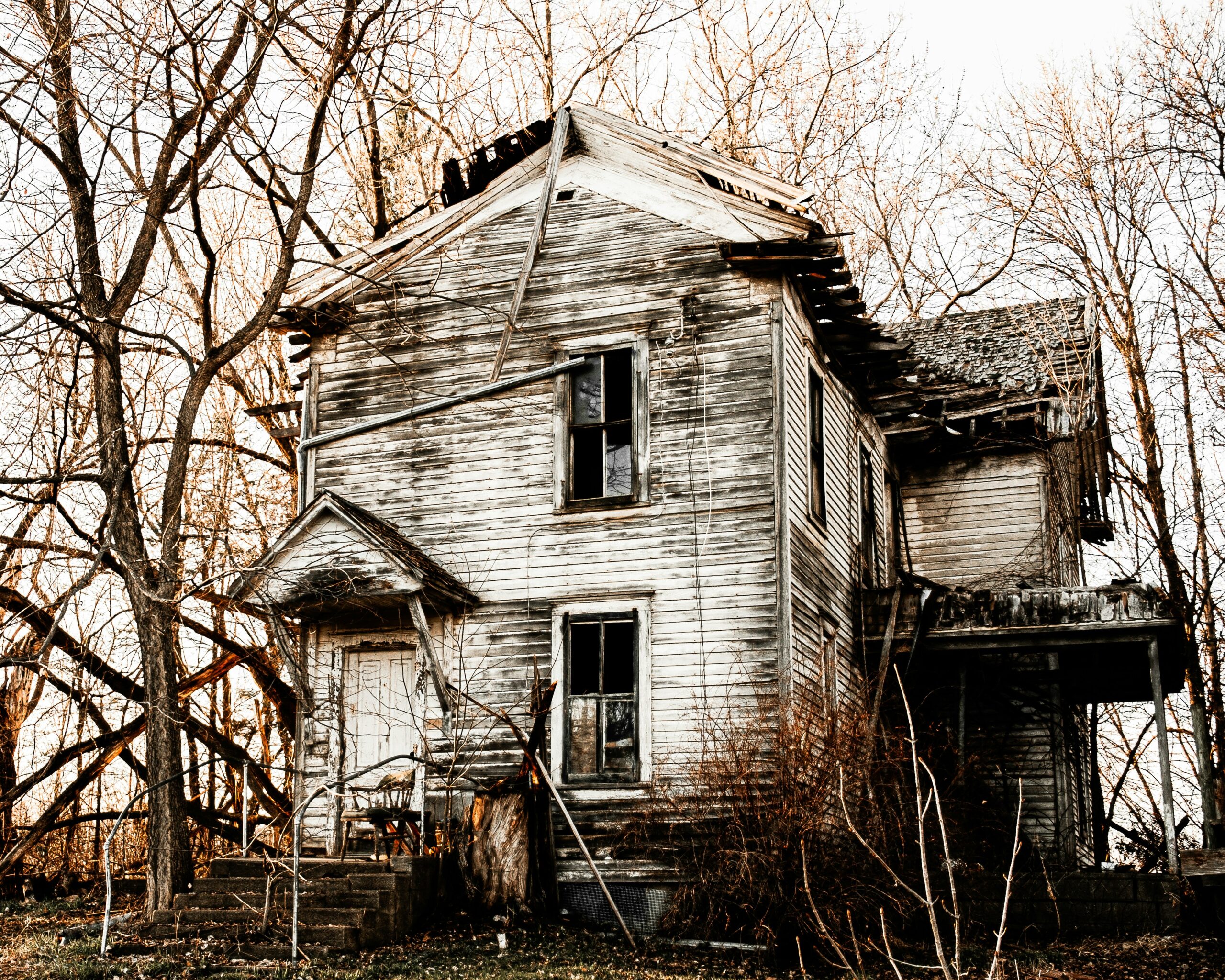
You’ve done it. You’ve secured your slice of the American dream, the keys to your very own home. It’s a thrilling moment, filled with visions of cozy evenings, weekend DIY projects, and the quiet satisfaction of owning a piece of permanence. But lurking beneath the surface of that gleaming facade, a potential financial black hole might be waiting. Your house, that cherished sanctuary, can very easily become a money pit, silently and steadily draining your wallet. This isn’t about a single catastrophic event; it’s about the insidious, ongoing costs that can erode your financial well-being if you’re not prepared.
You meticulously saved for that down payment, poured over mortgage rates, and navigated the labyrinthine closing process. You feel like you’ve conquered the financial Everest of homeownership. But the truth is, you’ve only just reached base camp. The initial costs extend far beyond the numbers on your closing statement, and they’re just the first salvo in your house’s campaign to lighten your load.
Closing Costs: The Hidden Fees You Can’t Escape
Think those down payment and mortgage payments are the bulk of the initial expense? Think again. Closing costs are a collection of fees and charges that come due as part of the finalizing your mortgage. They can easily add up to 2% to 5% of your loan amount, and you might not even see a precise breakdown until late in the game. These often include:
- Appraisal Fee: Someone has to assess the value of your home for the lender.
- Inspection Fee: While it’s wise to get a home inspection, you’re paying for it.
- Title Insurance: Protects you and the lender from potential ownership disputes.
- Origination Fee: A fee charged by the lender for processing your loan.
- Recording Fees: To officially record the deed with the local government.
- Attorney Fees: If you use a real estate attorney, which is often recommended.
- Prepaid Property Taxes and Insurance: You’ll likely have to pay a few months of these upfront.
These aren’t optional expenses; they are a non-negotiable part of the home buying process. And the shock can be significant, especially if you haven’t budgeted for them specifically.
Furnishing and Decorating: The Siren Song of “Needs”
Once you have the keys, the blank canvas of your new home beckons. And suddenly, every room screams for furniture, paint, decor, and all the accouterments of comfortable living. What starts as essential purchases can quickly spiral. That IKEA trip for a basic couch can morph into designer rugs, curated art, and a plethora of decorative pillows.
- The “Must-Haves”: You might convince yourself you need that perfect dining set, that plush sectional, or that king-sized bed immediately.
- The Emotional Spending: The excitement of a new home can lead to impulse purchases. You see something you love, and it feels like the right time to buy it.
- The “Future” Purchases: You might tell yourself you’ll get to the guest room later, but then you have unexpected visitors, and suddenly that’s an urgent need too.
This is where financial discipline is paramount. Prioritize your needs over your wants, and phase your decorating over time. Your home doesn’t need to be magazine-ready on day one.
Initial Repairs and Upgrades: The Unexpected Necessities
Even with a thorough inspection, you’ll likely discover small issues that need attention. A dripping faucet, a hairline crack in the drywall, a flickering light switch – these minor nuisances can quickly add up. Beyond that, you might have aesthetic preferences that require immediate attention, like outdated paint colors or worn flooring.
- The “While You’re At It”: A small repair can easily morph into a larger project. “Let’s just repaint this one wall while we’re fixing the hole…”
- The Compromises: You might have settled for a home that wasn’t perfect, and now you’re faced with the reality of addressing those imperfections.
These upfront costs, while often unforeseen, can be significant and should be factored into your initial homeownership budget.
Many homeowners often find themselves struggling financially, and a recent article explores the various reasons why your house might be keeping you broke. From unexpected maintenance costs to rising property taxes, these financial burdens can quickly add up and strain your budget. To learn more about how your home could be impacting your finances, check out this insightful piece at How Your House is Keeping You Broke. Understanding these factors can help you make more informed decisions about homeownership and financial planning.
The Silent Eaters: Ongoing Costs That Sneak Up
The initial financial onslaught is just the beginning. The real money pit potential lies in the ongoing, often underestimated, costs of maintaining and operating your home. These are the expenses that, while individually manageable, can collectively drain your bank account over time.
Property Taxes: The Ever-Present Obligation
Property taxes are a non-negotiable reality of homeownership. They fund local services like schools, police, fire departments, and infrastructure. While the rates vary significantly by location, they are a consistent expense that you can expect to rise over time.
- Annual Increases: Property tax assessments aren’t static. They can increase annually based on changes in property values in your area or local government spending.
- Special Assessments: In some cases, you might be hit with a special assessment for specific municipal projects, like new sewers or road improvements, which can be a substantial, one-time cost outside of your regular tax bill.
- The Impact of Home Improvements: While beneficial for your home’s value, significant improvements might also lead to a reassessment and a subsequent increase in your property taxes.
It’s crucial to understand your local tax structure and to factor in potential annual increases when creating your long-term budget. Don’t let a surprise tax bill derail your finances.
Homeowners Insurance: More Than Just a Piece of Paper
Your mortgage lender will require you to have homeowners insurance, and for good reason. It protects you from financial disaster in case of fire, theft, natural disasters, and other covered events. However, the cost of this protection isn’t static.
- Rising Premiums: Like car insurance, homeowners insurance premiums can increase annually due to factors like inflation, increased claims in your area, and changes in the insurance market.
- Deductible Decisions: Choosing a lower deductible will mean a higher premium but less out-of-pocket expense if you need to file a claim. Conversely, a higher deductible means a lower premium but more financial responsibility in a crisis.
- Coverage Gaps: Standard policies may not cover all perils, such as floods or earthquakes. You might need to purchase separate, additional coverage, which adds to your overall cost.
Regularly review your policy, compare quotes from different providers, and ensure your coverage adequately protects your investment without overpaying.
Utilities: The Daily Drippers
The costs of keeping your home comfortable – heating, cooling, electricity, water, gas, and waste disposal – are ongoing and can fluctuate significantly.
- Seasonal Swings: Your energy bills will likely be much higher during extreme weather months, impacting your budget dramatically.
- Usage Habits: Your own consumption patterns play a huge role. Leaving lights on, running the water unnecessarily, or setting the thermostat too high will directly translate to higher bills.
- Aging Appliances and Systems: Inefficient appliances, leaky pipes, or poorly insulated windows can lead to significant energy waste and inflated utility costs. Upgrading these can be an investment that pays for itself over time.
- Water and Sewer Rates: These can also increase periodically, impacting your monthly expenses.
Becoming mindful of your energy consumption is more than just being environmentally conscious; it’s a crucial financial strategy for combating the utility money pit.
The Avalanche of Repairs: When Things Break
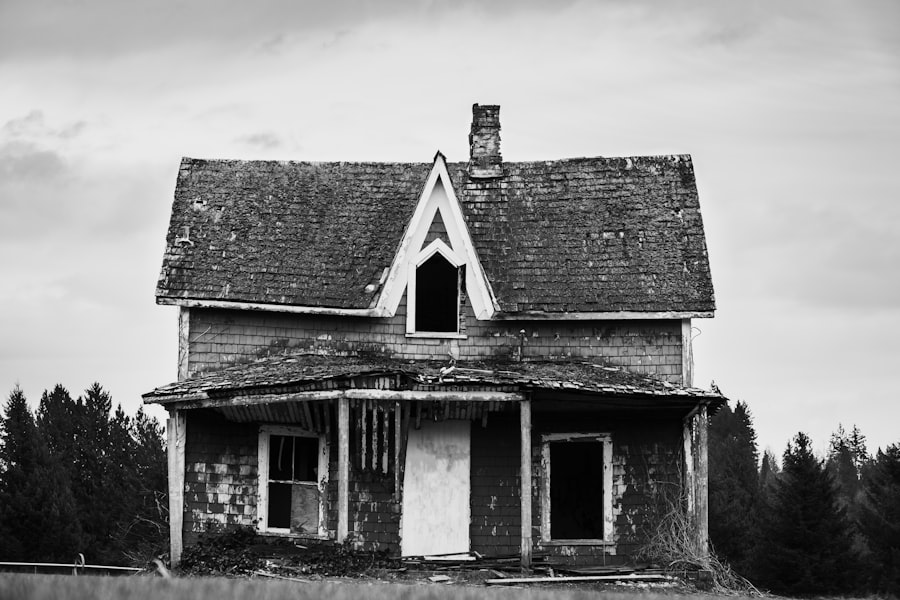
This is perhaps the most feared aspect of homeownership – the inevitable breakdowns. Plumbing leaks, roof damage, HVAC failures, appliance malfunctions – these can be sudden, expensive, and incredibly stressful. One major repair can wipe out months, or even years, of savings.
The Roof: Your Home’s First Line of Defense
Your roof is your home’s primary shield against the elements. Over time, shingles degrade, flashing can fail, and leaks can develop. Replacing a roof is a significant capital expense, often costing thousands of dollars.
- The “Little Leak” Ignored: A small, persistent drip might seem manageable at first, but if left unattended, it can lead to rot, mold, and extensive damage to your attic and ceiling, turning a minor fix into a major overhaul.
- Age and Material: The lifespan of your roof depends on the material and the climate. Older roofs or those exposed to harsh weather conditions will require replacement sooner.
- Hidden Damage: Storms can cause subtle damage that’s not immediately apparent, but can lead to leaks down the line. Regular inspections are key.
HVAC Systems: The Heartbeat of Your Home’s Comfort
Your heating, ventilation, and air conditioning (HVAC) system is responsible for maintaining a comfortable living environment. These complex machines have a finite lifespan and can be incredibly expensive to repair or replace.
- Frequent Breakdowns: As an HVAC system ages, it becomes more prone to breakdowns, leading to costly service calls and replacement parts.
- Complete Replacement: A full HVAC system replacement can easily run into tens of thousands of dollars, a significant financial blow for any homeowner.
- Seasonal Stress: Your HVAC system works hardest during extreme temperatures, increasing the likelihood of issues during peak usage periods.
Plumbing and Electrical: The Hidden Workhorses
While often out of sight, your home’s plumbing and electrical systems are constantly at work. Problems in these areas can range from inconvenient to dangerous, and often come with hefty repair bills.
- Leaky Pipes and Foul Odors: Even minor leaks can lead to water damage, mold growth, and increased water bills. Persistent plumbing issues can become a constant source of expense and potential health hazards.
- Outdated Wiring: Older electrical systems might struggle to keep up with modern energy demands, leading to tripped breakers, fire hazards, and the need for expensive rewiring.
- Sump Pump Failures: In areas prone to flooding, a malfunctioning sump pump can lead to catastrophic basement water damage.
The Long Game: Capital Expenditures and Unforeseen Needs
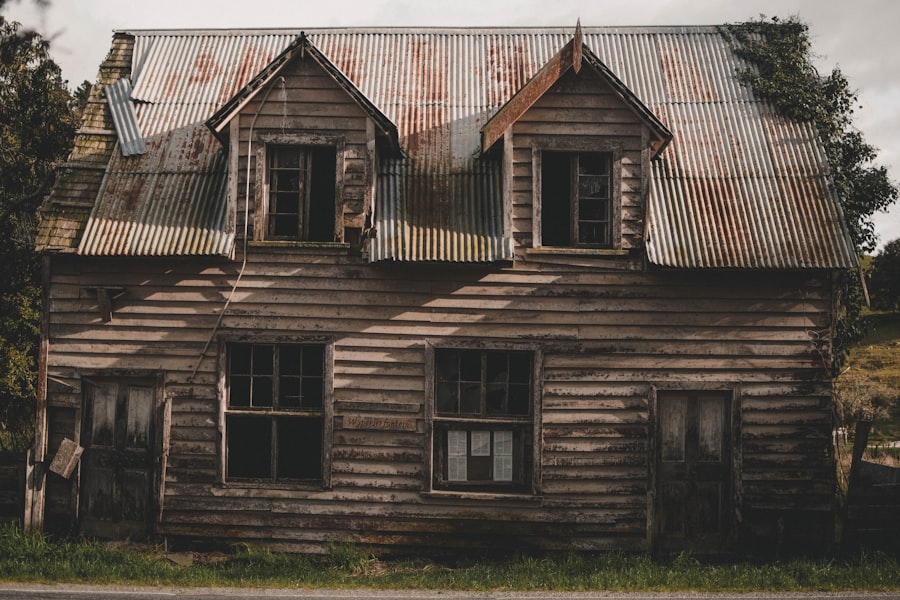
Beyond the immediate repairs, homeownership involves planning for significant future expenses as well as being prepared for the unexpected. These are the large-ticket items that will eventually require your attention, and without foresight, they can become financial emergencies.
Appliance Life Cycles: The Slow Drain
Your refrigerator, washing machine, dryer, dishwasher – these household staples have a limited lifespan. While you might not think about them daily, their eventual failure will require replacement, and new appliances are rarely cheap.
- The “While You’re At It” Upgrade: When your dishwasher breaks down, you might be tempted to upgrade to a fancier model with all the bells and whistles, even if your old one was functional.
- Energy Efficiency: Older appliances are often far less energy-efficient than newer models, leading to higher utility bills that eat into your budget.
- Repair vs. Replace: Deciding when to repair an aging appliance versus replacing it is a constant financial calculation. Sometimes, the cost of repairs can approach the cost of a new unit.
Exterior Maintenance: The Constant Battle Against Nature
Your home’s exterior is constantly being assaulted by the elements. Regular maintenance is crucial to prevent larger, more expensive problems down the line.
- Gutter Cleaning and Repair: Clogged gutters can lead to water pooling around your foundation, causing serious structural damage.
- Siding and Paint: Faded paint, peeling siding, or rotten wood not only detract from your home’s curb appeal but can also compromise its structural integrity and allow water intrusion.
- Landscaping and Drainage: Overgrown trees can damage your roof and foundation, while poor drainage can lead to basement flooding and erosion. Regular upkeep of your yard is a preventative measure against costly repairs.
The Unexpected Knock: When Life Happens
Homeownership doesn’t operate in a vacuum. Life throws curveballs, and your home can be caught in the crossfire.
- Natural Disasters: While insurance can cover some of the damage, there are often deductibles, coverage limits, and expenses beyond what insurance will pay for.
- Vandalism or Theft: While rare, these events can lead to costly repairs and replacements.
- Economic Downturns: Personal financial hardship can make it difficult to keep up with home maintenance and payments, exacerbating existing issues.
Many homeowners often find themselves in a financial bind, and one of the surprising reasons for this can be the very house they live in. From maintenance costs to property taxes, the expenses can quickly add up and leave little room for savings. If you’re curious about how your home might be impacting your financial health, you might want to check out a related article that delves into this issue further. Understanding these hidden costs can be crucial for anyone looking to improve their financial situation. To learn more about this topic, visit this insightful article that discusses the financial pitfalls of homeownership.
Building Your Financial Fortress: Strategies to Combat the Money Pit
| Reasons | Impact |
|---|---|
| High mortgage payments | Drains monthly income |
| Property taxes | Additional financial burden |
| Home maintenance costs | Unexpected expenses |
| Utility bills | Consistently high expenses |
| Home insurance | Regular premium payments |
The idea of your home as a money pit can feel daunting, but it doesn’t have to be your reality. With proactive planning, smart financial habits, and a bit of foresight, you can significantly mitigate these risks and transform your house into an asset, not a drain.
The Emergency Fund: Your Financial Lifeline
This is non-negotiable. A robust emergency fund specifically for homeownership is your first and most crucial line of defense. Aim to have at least 3% to 5% of your home’s value saved, and ideally, enough to cover at least six months of your living expenses, including mortgage, taxes, insurance, and utilities.
- The “Dedicated” Fund: Treat this fund as untouchable, except for true home-related emergencies. Don’t dip into it for vacations or impulse buys.
- Automated Savings: Set up automatic transfers from your checking account to a dedicated savings or money market account each payday. Make it a habit.
- Regularly Replenish: If you do need to use a portion of your emergency fund, make it a priority to replenish it as quickly as possible.
Proactive Maintenance: An Ounce of Prevention
Regular, preventative maintenance is your best weapon against costly repairs. Don’t wait for something to break.
- Seasonal Check-ups: Schedule annual inspections of your roof, gutters, HVAC system, plumbing, and electrical.
- DIY When Possible: Learn basic DIY skills to tackle minor repairs and upkeep. This saves money and gives you a better understanding of your home’s systems.
- Establish a Maintenance Schedule: Create a calendar or checklist for routine maintenance tasks and stick to it.
Smart Budgeting and Long-Term Financial Planning
Homeownership requires a different level of financial planning than renting. You need to look beyond the monthly mortgage payment.
- Create a Detailed Homeownership Budget: Break down all potential costs, including mortgage, taxes, insurance, utilities, and a dedicated allowance for maintenance and repairs.
- Contingency Fund: Beyond your emergency fund, set aside a portion of your budget for planned capital expenditures, like future appliance replacements or a roof repaint.
- Track Your Expenses: Be diligent about tracking where your home-related money is going. This will help you identify areas where you might be overspending.
Invest Wisely in Upgrades
Not all upgrades are created equal. Focus on improvements that add value and efficiency.
- Energy-Efficient Investments: Upgrading to energy-efficient windows, appliances, or insulation can significantly reduce your utility bills over time, paying for themselves through savings.
- Prioritize Durability: When making repairs or replacements, choose high-quality, durable materials that will last longer, even if they have a slightly higher upfront cost.
- Avoid Trendy Over-Renovations: Stick to timeless designs and practical improvements rather than chasing fleeting trends, which can quickly become dated and costly to reverse.
Your home is a significant investment, and while it can be a source of immense satisfaction and financial growth, it also demands vigilance and a proactive approach to financial management. By understanding the potential pitfalls and implementing smart strategies, you can ensure your house remains your sanctuary, not your financial nemesis. The dream of homeownership is achievable, but it requires you to be an astute steward of your resources.

You Make Too Much Money to Feel This Broke
FAQs
1. How does your house contribute to your financial struggles?
Your house can keep you broke due to high mortgage or rent payments, property taxes, maintenance costs, and utility bills. These expenses can consume a significant portion of your income, leaving you with little to save or invest.
2. What are some common money-draining aspects of homeownership?
Common money-draining aspects of homeownership include high mortgage or rent payments, property taxes, insurance, maintenance and repair costs, and utility bills. These expenses can add up and strain your finances.
3. How can you reduce the financial burden of homeownership?
You can reduce the financial burden of homeownership by refinancing your mortgage, downsizing to a more affordable home, reducing energy consumption to lower utility bills, and budgeting for regular maintenance and repair costs. Additionally, exploring ways to generate additional income from your property, such as renting out a room or space, can help offset some of the expenses.
4. What are some strategies for managing housing-related expenses more effectively?
Strategies for managing housing-related expenses more effectively include creating a detailed budget that accounts for all housing costs, negotiating with service providers for better rates, seeking out energy-efficient upgrades to lower utility bills, and setting aside a dedicated emergency fund for home repairs and maintenance.
5. How can homeowners avoid falling into the trap of overspending on their homes?
Homeowners can avoid overspending on their homes by carefully considering their housing budget before purchasing or renting a property, being mindful of ongoing expenses such as property taxes and maintenance costs, and seeking out affordable housing options that align with their financial goals. Regularly reviewing and adjusting your housing budget can also help prevent overspending.