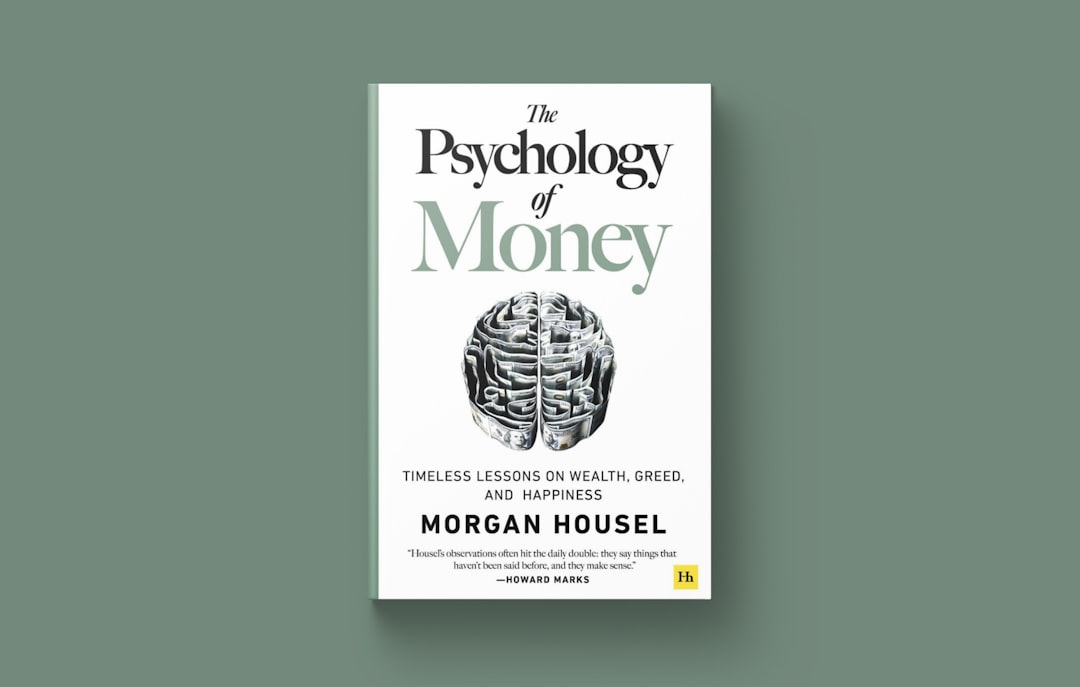
The Mind of Money: A Fascinating Psychology Documentary
You’re sitting there, perhaps with a steaming mug of coffee, or maybe scrolling through endless digital feeds. Your mind, you presume, is your own. You make decisions, you manage your finances, you think you understand why you’re doing what you’re doing with your hard-earned cash. But have you ever stopped to truly question the intricate, often invisible, forces that shape your financial landscape? You might be surprised to learn that the seemingly rational act of managing money is deeply rooted in the complex and often irrational world of psychology. You’re about to embark on a journey, not into market trends or investment strategies, but into the very architecture of your financial being.
This is precisely the territory explored by “The Mind of Money: A Fascinating Psychology Documentary.” It’s not just another dry lecture on economics; it’s a captivating dive into the human psyche, revealing how your thoughts, emotions, and ingrained behaviors are intricately woven into your financial decisions, both good and bad. You’ll encounter compelling case studies, insightful expert interviews, and perhaps even confront some uncomfortable truths about yourself. Prepare to be enlightened, challenged, and ultimately, empowered.
You might think you’re the master of your financial destiny, making calculated moves based on logic and reason. But this documentary argues convincingly that your brain, with its inherent biases and evolutionary wiring, is a far more influential architect than you might realize. It’s a fascinating proposition, isn’t it? The idea that the very organ that houses your consciousness also wields such profound power over your bank account.
The Dual Brain: System 1 vs. System 2 Thinking
At the heart of this exploration lies the concept of your cognitive architecture, often described as having two distinct operating systems. The documentary vividly illustrates how your “System 1” thinking, fast, intuitive, and emotional, often drives your immediate financial reactions. Think about that impulse purchase, that gut feeling to sell during a market dip, or the effortless way you might swipe your card without a second thought. This is System 1 at work, prioritizing speed and familiarity over deep analysis.
Then there’s “System 2” thinking, the slower, more deliberate, and logical part of your brain. This is the system you engage when you meticulously plan a budget, research an investment, or consciously decide to save for a future goal. The documentary emphasizes that while System 2 is crucial for long-term financial well-being, it’s often overridden by the more powerful, immediate pull of System 1. You’ll see how this interplay can lead to costly errors, as your emotional responses hijack your rational decision-making processes. You might intellectually understand the benefits of delayed gratification, but when faced with an immediate desire, System 1 often prevails.
Furthermore, the documentary delves into the evolutionary underpinnings of these systems. Our ancestors were wired for immediate threats and rewards, a survival mechanism that, while essential for their time, can be detrimental in the complex financial world of today. You’re presented with scenarios where your ingrained desire for immediate gratification, a relic of an era where scarcity was a constant threat, can sabotage your long-term financial security. You might recognize patterns in your own behavior – the urge to spend rather than save, the fear of missing out on current trends, the tendency to avoid confronting financial problems head-on.
The Role of Emotions: Fear, Greed, and the Market Frenzy
Prepare to confront the raw, unadulterated power of your emotions when it comes to money. “The Mind of Money” doesn’t shy away from the fact that your feelings are potent drivers of financial behavior. You’ll likely witness compelling footage of market meltdowns and speculative bubbles, demonstrating how collective fear and greed can warp individual judgment on a massive scale.
You’ll explore the intoxicating allure of greed that fuels speculative manias, driving people to invest in assets they don’t fully understand, fueled by the hope of quick riches. Conversely, you’ll witness the paralyzing grip of fear that can lead investors to sell at the absolute worst times, locking in losses and missing out on eventual recoveries. This documentary doesn’t just describe these emotions; it shows you their impact, often through the stories of individuals whose lives have been dramatically altered by their emotional responses to financial markets. You’ll probably recall moments from your own life where a surge of excitement or a wave of anxiety influenced a financial decision, and this documentary will give you the vocabulary and the context to understand those moments more deeply.
The documentary also sheds light on how these emotions are amplified by social influence. You’ll see how the herd mentality, the tendency to follow the actions of a larger group, can exacerbate irrational behavior. When everyone around you seems to be making a certain investment, or spending freely, it’s incredibly difficult to resist the urge to join in, even if your rational mind whispers caution. You might find yourself nodding in recognition as you see examples of this phenomenon played out on various scales, from the frenzy around a new cryptocurrency to the everyday decision to buy the latest gadget because everyone else has one.
If you’re interested in exploring the intricate relationship between money and psychology, you might find the article on wealth growth particularly enlightening. It delves into how our beliefs and emotions surrounding money can significantly influence our financial decisions and overall well-being. To read more about this fascinating topic, check out the article here: How Wealth Grows.
The Cognitive Traps: Biases That Sabotage Your Savings
Beyond the immediate emotional surges, “The Mind of Money” meticulously unpacks a series of cognitive biases – systematic patterns of deviation from norm or rationality in judgment – that act as silent saboteurs of your financial well-being. These are not flaws in your character, but rather programmed tendencies of the human mind that, if unaddressed, can lead you down a path of financial missteps.
Confirmation Bias: Seeking What You Want to Believe
You’re likely familiar with the idea that people tend to seek out information that confirms their existing beliefs. This documentary powerfully illustrates how “confirmation bias” plays a significant role in your financial decisions. You’ll see how investors might selectively pay attention to news that supports their existing investment choices, while ignoring contradictory evidence. This can lead to a dangerous echo chamber, where your views become increasingly entrenched, even if they’re based on flawed assumptions. You might find yourself reflecting on times you’ve researched a particular stock or product, and how you might have unconsciously gravitated towards reviews or articles that validated your initial inclination.
The documentary offers compelling examples of how this bias can manifest. Imagine you’ve bought a particular stock, feeling confident about its future. You’re then more likely to seek out positive news about the company or industry, and downplay any negative reports. This selective attention can prevent you from making necessary adjustments to your portfolio, or even recognizing when you’ve made a poor investment decision. It’s a subtle but potent force, and recognizing it is the first step towards mitigating its impact.
Loss Aversion: The Pain of Losing More Than the Joy of Gaining
One of the most profound insights offered by “The Mind of Money” is the concept of “loss aversion.” You’ll discover that the psychological pain of losing something is significantly more intense than the pleasure of gaining something of equivalent value. This powerful bias has profound implications for your financial behavior, particularly when it comes to investments.
You’ll observe how loss aversion can lead to holding onto losing investments for too long, hoping they’ll rebound, rather than cutting your losses and reinvesting elsewhere. The fear of realizing a loss, of officially admitting that you were wrong, can be paralyzing. Conversely, it can also lead you to be overly cautious, missing out on potentially lucrative opportunities because the perceived risk of loss feels too great. The documentary presents compelling scenarios where individuals, driven by loss aversion, have made financially detrimental decisions. You might recognize this in your own reluctance to sell an underperforming asset, or your hesitation to explore new investment avenues due to the fear of any potential loss, however small.
The documentary also explores how loss aversion influences everyday spending. You’re more likely to feel the sting of a discount ending than the satisfaction of a good deal. This can lead to impulsive purchases to avoid the perceived loss of an opportunity. Understanding this deep-seated bias allows you to consciously counter its influence, making more strategic and less emotionally driven financial choices. You’ll be equipped with a greater awareness of how this fundamental human tendency shapes your decisions, both consciously and unconsciously.
The Future You: Saving, Planning, and Delayed Gratification

“The Mind of Money” doesn’t just diagnose the problems; it offers a hopeful path forward, exploring the psychological mechanisms that underpin successful saving, planning, and the often-elusive art of delayed gratification. You’ll learn that building a secure financial future is not just about numbers, but about understanding and harnessing the power of your own mind.
The Scarcity Mindset vs. The Abundance Mindset
A crucial distinction made within the documentary is between a “scarcity mindset” and an “abundance mindset.” You’ll see how individuals trapped in a scarcity mindset often focus on what they lack, leading to short-term thinking, impulsive spending, and a general sense of anxiety around money. This mindset can be a byproduct of past financial struggles or societal pressures.
Conversely, you’ll be introduced to the principles of an abundance mindset, where individuals focus on possibilities, opportunities, and long-term growth. This perspective encourages proactive financial planning, strategic saving, and a belief in one’s ability to achieve financial goals. The documentary illustrates through real-life examples how shifting one’s perspective from scarcity to abundance can fundamentally alter their financial trajectory, fostering a sense of empowerment and control. You’ll probably find yourself reflecting on whether you tend to focus on what you’re missing, or what you can achieve.
The Power of Framing and Goal Setting
You’ll discover the profound impact that framing – the way information is presented – can have on your financial behavior. The documentary highlights how “framing” your financial goals can make them more tangible and achievable. For instance, instead of thinking about “saving money,” framing it as “saving for your dream vacation” or “building your retirement nest egg” can inject motivation and meaning.
Furthermore, you’ll explore the psychological principles behind effective goal setting. You’ll learn how making your goals SMART (Specific, Measurable, Achievable, Relevant, and Time-bound) can significantly increase your chances of success. The documentary provides practical insights into how you can leverage the power of framing and goal setting to cultivate positive financial habits and achieve your aspirations. You’ll be encouraged to revisit your own financial goals and consider how you can reframe them to make them more compelling and actionable.
Social Influence and Financial Decisions: The Herd Effect and Peer Pressure

You are, after all, a social being. Your financial decisions are not made in a vacuum, and “The Mind of Money” delves into the potent influence of others on your financial choices, from the subtle nudges of social proof to the overwhelming force of collective behavior.
The Herd Effect: Following the Crowd
You’ll witness how the “herd effect,” the tendency to follow the actions of a larger group, can lead individuals to make decisions they might not otherwise make. This is particularly evident in financial markets, where news of a rising stock or a falling market can trigger widespread buying or selling, regardless of individual analysis. The documentary offers striking historical examples of how herd behavior has amplified both speculative bubbles and market crashes. You’ll probably recall instances where you’ve been swayed by the popularity of a particular product or service, influenced by the simple fact that so many others were engaging with it.
The documentary doesn’t just point out this phenomenon; it explores the psychological underpinnings. You’ll learn about the desire for social validation, the fear of being left out, and the cognitive shortcut of assuming that if many people are doing something, it must be the right thing to do. This can lead to a dangerous abdication of individual responsibility and critical thinking.
Peer Pressure and Financial Benchmarking
The documentary also examines the more direct impact of “peer pressure” and “financial benchmarking” on your spending and saving habits. You’ll see how comparing your financial situation to that of your peers can create unnecessary pressure to spend or to keep up with appearances. This can lead to lifestyle inflation, where your spending increases as your income does, preventing you from making significant progress towards your financial goals.
You’ll be presented with compelling scenarios where individuals feel compelled to buy a car they can’t afford, take a vacation they can’t budget for, or invest in something their friends are investing in, simply to maintain a perceived social standing. The documentary encourages you to recognize these external pressures and to develop the resilience to make financial decisions that align with your own values and long-term objectives, rather than succumbing to the influence of others. You’ll likely find yourself reflecting on whether you’re making financial choices based on scarcity, abundance, or simply what your peers are doing.
In exploring the intricate relationship between our emotions and financial decisions, the documentary on money psychology offers profound insights into how our upbringing and experiences shape our attitudes toward wealth. For a deeper understanding of this topic, you might find the article on wealth accumulation strategies particularly enlightening. It discusses various psychological factors that influence financial behavior and can be accessed through this link: wealth accumulation strategies. This connection between psychology and finance is essential for anyone looking to improve their financial literacy and make informed decisions.
Moving Forward: Practical Applications for Financial Well-being
| Documentary Title | Money Psychology |
|---|---|
| Release Date | 2021 |
| Director | [Director’s Name] |
| Duration | 90 minutes |
| Topics Covered | Behavioral economics, spending habits, saving strategies |
“The Mind of Money: A Fascinating Psychology Documentary” is not just an academic exercise; it’s a call to action. You’ll emerge with a deeper understanding of your own financial psychology and, more importantly, with practical strategies you can implement to foster greater financial well-being.
Developing Financial Self-Awareness
The most crucial takeaway is the cultivation of “financial self-awareness.” You’ll be empowered to recognize your own biases, emotional triggers, and ingrained habits that might be hindering your progress. This documentary encourages you to engage in regular introspection about your financial decisions, asking yourself “why” you are making them. You’ll be equipped with the tools to identify the cognitive traps you’re falling into and the emotional influences that are steering your choices. This self-awareness is the bedrock upon which all effective financial change is built.
You’ll be encouraged to keep a financial journal, to track your spending and saving patterns, and to actively question your assumptions. The documentary emphasizes that this is an ongoing process, not a one-time fix. By consistently observing your own behavior, you can begin to interrupt negative cycles and cultivate more positive financial habits.
Practical Tools and Strategies for Behavioral Change
The documentary doesn’t leave you hanging with just insights; it offers concrete tools and strategies for behavioral change. You’ll be exposed to concepts like “nudges” – small interventions designed to steer you towards better financial decisions – and the importance of creating “friction” in your spending habits to encourage more thoughtful purchases.
You’ll learn about the power of pre-commitment strategies, ways to lock yourself into positive financial behaviors before you’re tempted to deviate. This could involve setting up automatic transfers to savings accounts, using spending limit apps, or enlisting the support of a trusted friend or accountability partner. The documentary provides a toolkit of practical interventions that you can tailor to your unique circumstances and challenges. You’ll leave with a sense of agency, equipped with actionable steps to actively shape your financial future.
“The Mind of Money” is an eye-opening, thought-provoking, and ultimately empowering documentary. It’s a journey into the intricate landscape of your financial psyche, revealing the unseen forces that shape your relationship with money. By understanding the psychology behind your financial decisions, you gain the power to make more informed, more intentional, and ultimately, more successful choices, paving the way for a more secure and fulfilling financial future. You owe it to yourself to explore this fascinating intersection of the human mind and the world of money.

Why Can’t I Relax About Money?
FAQs
What is the Money Psychology Documentary about?
The Money Psychology Documentary explores the psychological factors that influence our attitudes and behaviors towards money. It delves into topics such as the emotional connection to money, the impact of childhood experiences on financial habits, and the role of societal influences in shaping our financial decisions.
Who is the target audience for the Money Psychology Documentary?
The documentary is designed for anyone interested in understanding the complex relationship between psychology and money. It may appeal to individuals seeking to gain insight into their own financial behaviors, as well as professionals in the fields of psychology, finance, and economics.
What are some key themes covered in the Money Psychology Documentary?
The documentary addresses themes such as the psychology of spending and saving, the influence of advertising and consumer culture on financial choices, the impact of socioeconomic factors on money management, and the role of emotions in financial decision-making.
Where can I watch the Money Psychology Documentary?
The Money Psychology Documentary may be available for streaming on various platforms such as online video services, documentary streaming websites, or through educational institutions and libraries. Check with your local streaming services or educational resources for availability.
Who are the experts featured in the Money Psychology Documentary?
The documentary may feature interviews and insights from psychologists, financial experts, economists, and individuals with personal experiences related to money psychology. These experts provide valuable perspectives on the intersection of psychology and finance.